


Why Ski Resorts Close Terrain After Heavy Snowfall
Introduction
Ski resorts often close terrain after heavy snowfall because fresh snow can increase avalanche risk, reduce visibility, overload lifts and make rescue access harder. Closures are not usually a sign that the resort is disorganised; they are a safety decision made while ski patrol, lift teams and avalanche-control crews work to reopen terrain safely.
After major snowstorms, skiers and snowboarders often arrive expecting perfect powder conditions — only to find lifts closed, terrain restricted, or entire sectors shut down. Frustration is common, especially during short holidays or peak winter weeks.
But more snow does not automatically mean safer skiing. In fact, the period immediately after heavy snowfall is often when avalanche risk is highest. Terrain closures following big storms are not a failure to open — they are a deliberate risk-management decision designed to protect lives.
Heavy snowfall doesn’t automatically mean safe skiing
Large snowfalls can dramatically increase instability in the snowpack. Factors that contribute to heightened risk include:
- rapid accumulation of fresh snow
- wind loading on leeward slopes
- weak layers buried beneath new snow
- limited visibility preventing safe assessment
In many cases, the first 24 to 72 hours after a storm are critical. During this window, ski patrol teams need time to evaluate conditions, access terrain safely, and reduce risk before opening slopes to the public.
Why resorts keep terrain closed after big snowfalls
When ski resorts close terrain after heavy snow, it is usually because avalanche control work is underway or still incomplete.
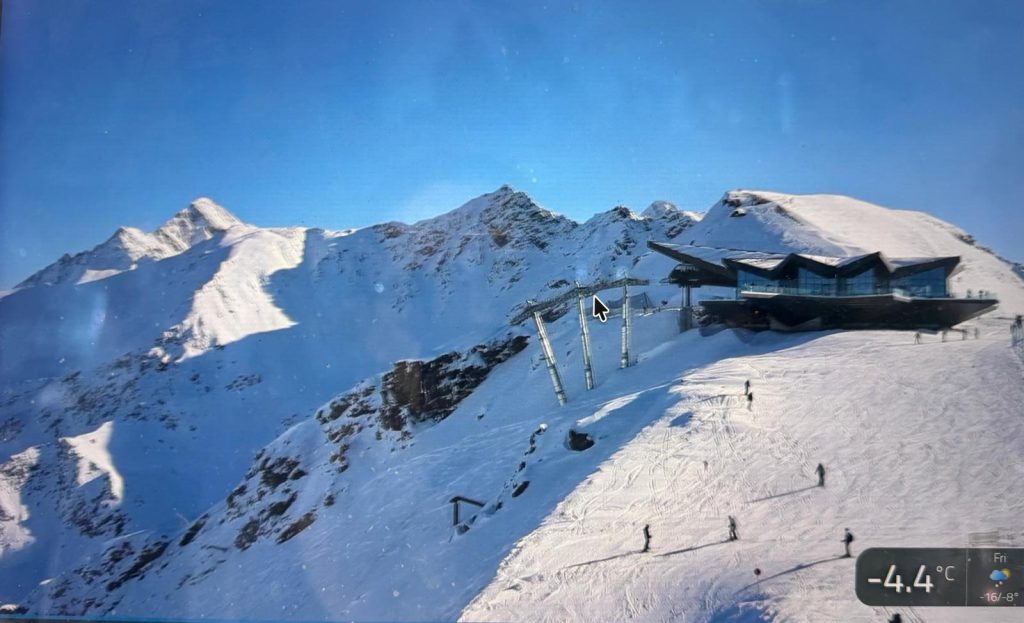
Common reasons for keeping slopes closed include:





 Subscribe to The-Ski-Guru here.
You must be logged in to post a comment.