Summer Skiing Disappears Across the Alps as Extreme Heat Forces Final Glacier Closure

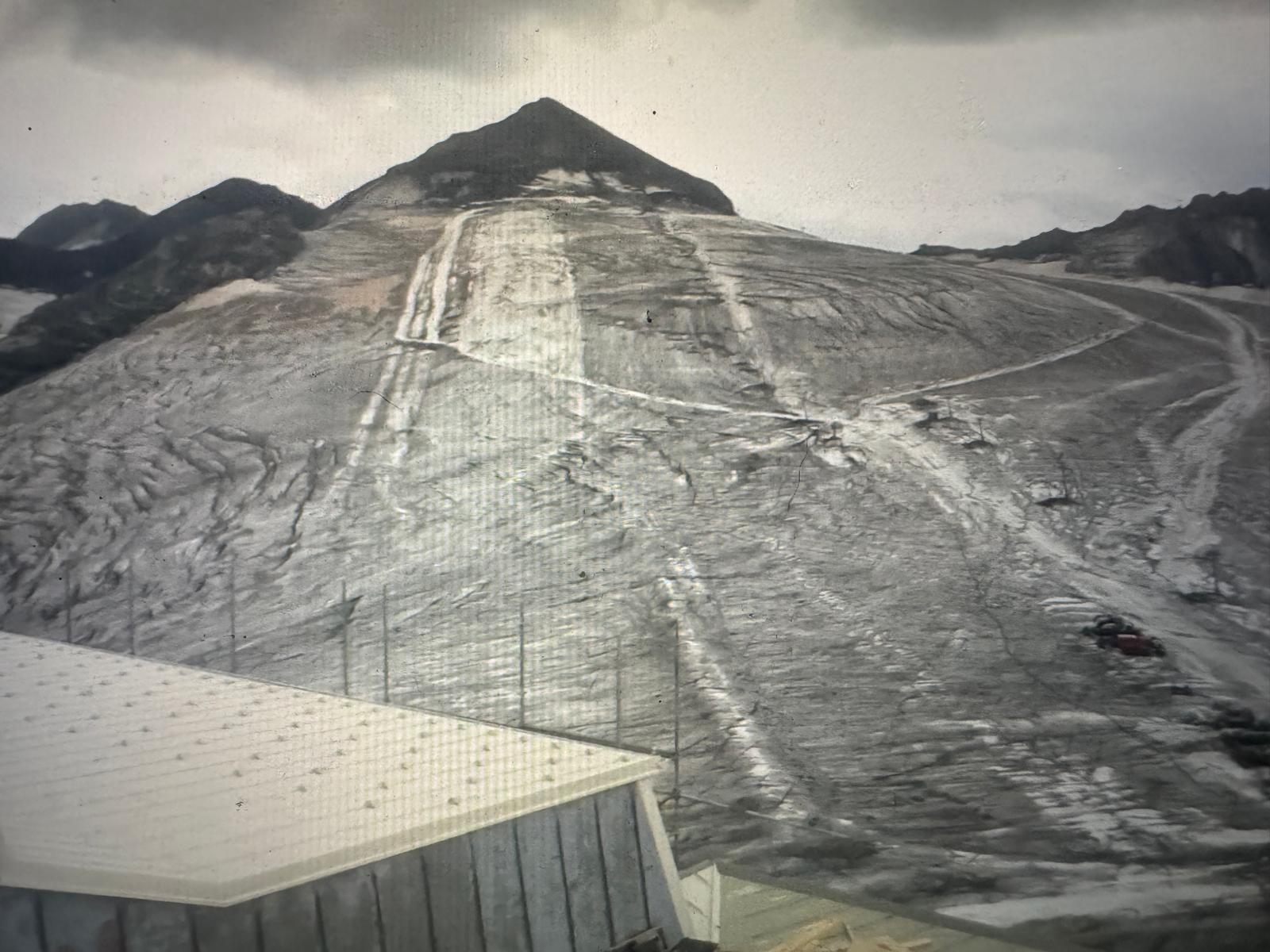
Passo dello Stelvio today 16th August. Webcam Passo dello Stelvio.

Summer glacier skiing has effectively disappeared from the Alps in mid-August after persistent extreme heat forced Passo Stelvio, the last Alpine glacier still offering lift-served summer skiing, to suspend operations.

Skiing on Italy’s Stelvio Glacier was suspended from 15 August until further notice, following weeks of unusually warm conditions at high altitude.

The closure completes a remarkable sequence across the Alps. Zermatt-Cervinia suspended public summer skiing at the beginning of August, while Saas-Fee followed on 10 August. In France, the summer skiing period at Les 2 Alpes had already ended in early July.

For an activity that was once a familiar part of the Alpine summer, the situation in August 2026 is striking: there is currently nowhere left in the Alps offering conventional lift-served summer glacier skiing.
 

Continue reading “Summer Skiing Disappears Across the Alps as Extreme Heat Forces Final Glacier Closure”

What Is A Glacial Lake Outburst Flood? The Risk Facing Mountain Communities From Canada To The Alps

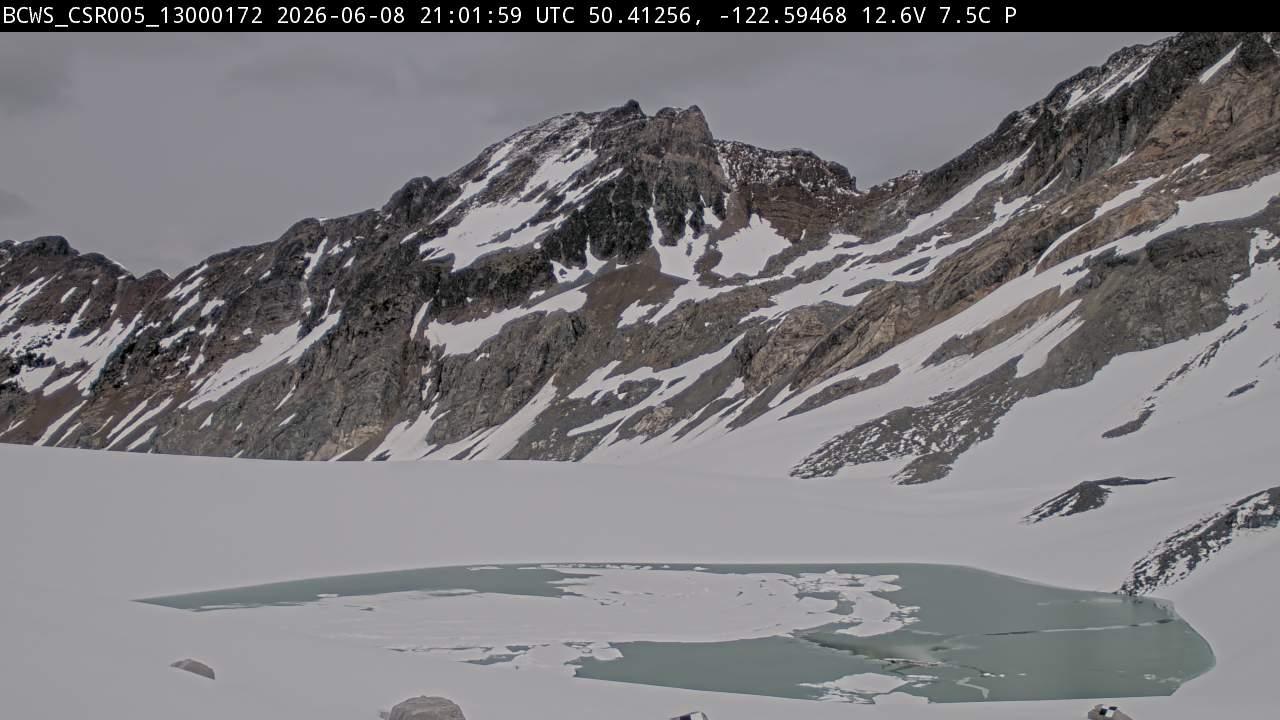
Place Glacier Ice Marginal Lake on Saturday June 8th. Photo credit: https://www.slrd.bc.ca/inside-slrd/current-projects-initiatives/place-glacier-outburst-flood-hazard-0

An evacuation alert near Place Glacier in British Columbia highlights a growing mountain hazard that scientists are monitoring from Canada and Alaska to the Alps and the Himalayas.

Why It Matters

A small community in British Columbia, Canada, is once again preparing for the possibility of a sudden flood originating high in the mountains.

Authorities in the Squamish-Lillooet Regional District (SLRD) recently issued an evacuation alert for properties near Gates Lake and Poole Creek after monitoring equipment showed that a lake at Place Glacier had reached approximately 24 metres in depth. That is roughly the same level recorded before a damaging outburst event in 2025.

The alert does not mean a flood is certain. However, officials believe there is a credible risk of overland flooding and debris flows if the lake drains suddenly.

Continue reading “What Is A Glacial Lake Outburst Flood? The Risk Facing Mountain Communities From Canada To The Alps”

Alpine Ski Resorts Are Covering Glaciers to Slow Melting — But Can It Last?

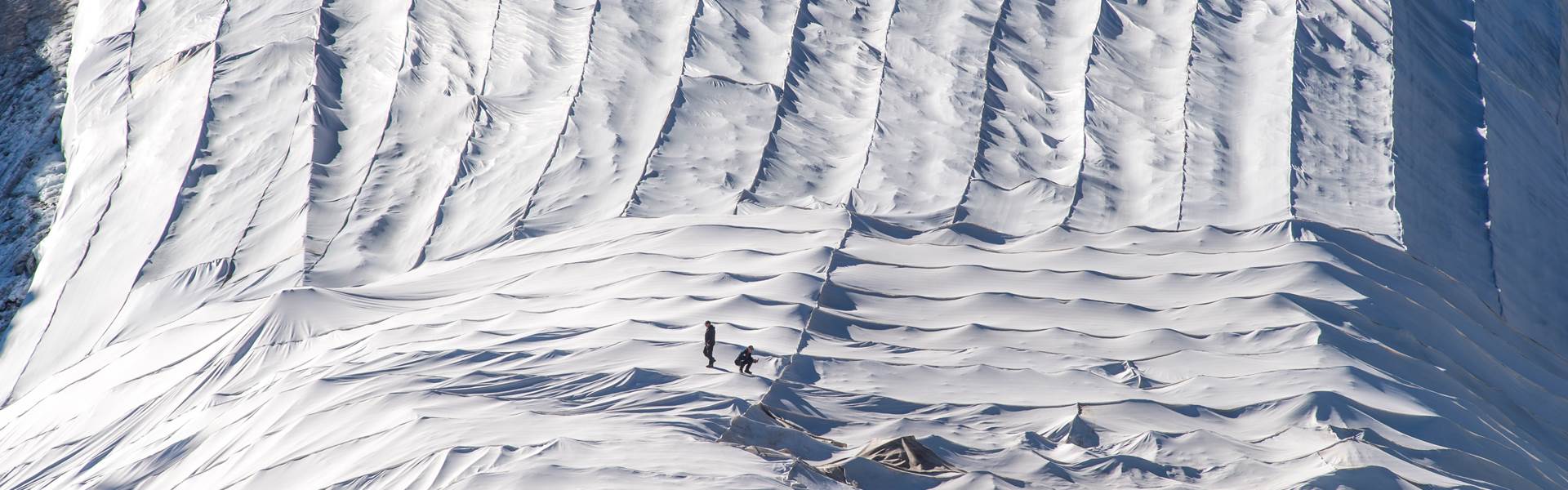
Photo credit: Pontedilegno Tonale- pontedilegnotonale.com

As glaciers across the Alps continue to shrink, some ski resorts are increasingly turning to reflective geotextile covers, snow farming, and other snow-preservation techniques in an attempt to protect glaciers, maintain ski operations, and preserve critical mountain infrastructure.

The images often go viral online as “ski resorts covering glaciers with plastic sheets,” but the reality is more complex. Most resorts use reflective geotextile fleece designed to reduce summer melting by insulating snow and ice from solar radiation.

The latest example attracting attention is the glacier area around Diavolezza in Switzerland’s Engadin region, where snow preservation and glacier management techniques have become part of long-term ski operations at altitude. Researchers note that the former glacier skiing area at Diavolezza now survives “solely thanks to snow farming and covering.”

Continue reading “Alpine Ski Resorts Are Covering Glaciers to Slow Melting — But Can It Last?”

Can Summer Tourism Save Mountain Resorts After a Difficult Winter?

The view just in the entrance to Lago d'Arpy- the view of the Catena di Monte Bianco. Photo: The-Ski-Guru. Can Summer Tourism Save Mountain Resorts After a Difficult Winter?

Western mountain destinations in North America are heading into summer 2026 with growing optimism after one of the most challenging winters in recent years. But behind the upbeat headlines, the picture is far more complicated.

New lodging data from Inntopia’s DestiMetrics division suggests that summer bookings across western mountain resorts are rising strongly after a weak and warm winter season. Occupancy, rates and revenues for the May-to-October period are currently ahead of last year. Yet the same data also reveals just how difficult the 2025/26 winter became for many mountain economies — and raises larger questions about whether summer tourism can really compensate for increasingly volatile winters.

This is not just a North American story. Across the Alps and other mountain regions worldwide, resorts are increasingly trying to diversify beyond skiing through hiking, biking, wellness, festivals and year-round tourism. But whether summer can truly replace winter revenue remains uncertain.

Continue reading “Can Summer Tourism Save Mountain Resorts After a Difficult Winter?”

Are Lower-Elevation Ski Resorts Becoming Unviable?

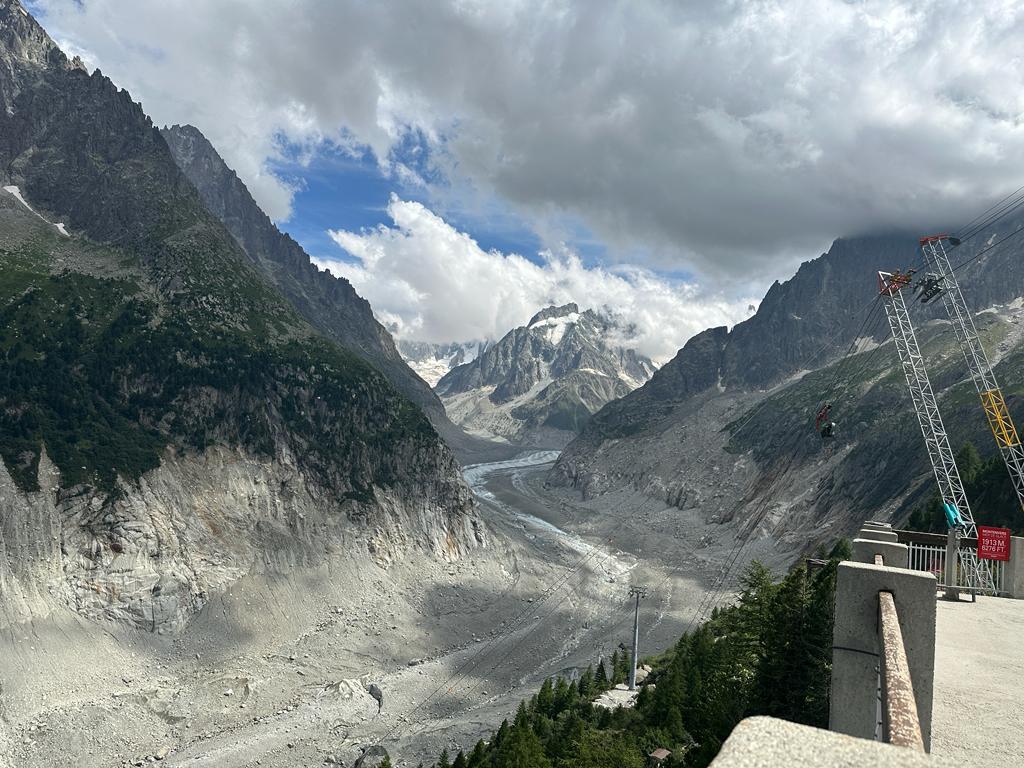
Resorts are adapting from depending only on snow-availability, to four seasons activities. Photo: Montenvers Glacier in Chamonix. The-Ski-Guru.

The question of whether lower-elevation ski resorts in the Alps can remain viable is no longer theoretical. It is already being tested in real time.

Following a winter that, despite perception, failed to deliver consistent snowpack across much of the range, the structural weaknesses of lower-altitude skiing are becoming harder to ignore. As explored in The Alps Did Not Have a Snow-Rich Winter: Why 2026 Resembles 2022 for Glaciers, the idea of a snow-rich season does not reflect the underlying reality of increasingly uneven snowfall and reduced snow retention.

What matters now is not just how much snow falls, but where—and how long it lasts.


The Altitude Problem Is Becoming Structural

For decades, ski resort viability in the Alps was closely tied to a relatively stable threshold. Resorts above roughly 1200 metres could expect reliable snow seasons, while those below faced more variability.

That line is shifting.

Continue reading “Are Lower-Elevation Ski Resorts Becoming Unviable?”

The Alps Did Not Have a Snow-Rich Winter: Why 2026 Resembles 2022 for Glaciers

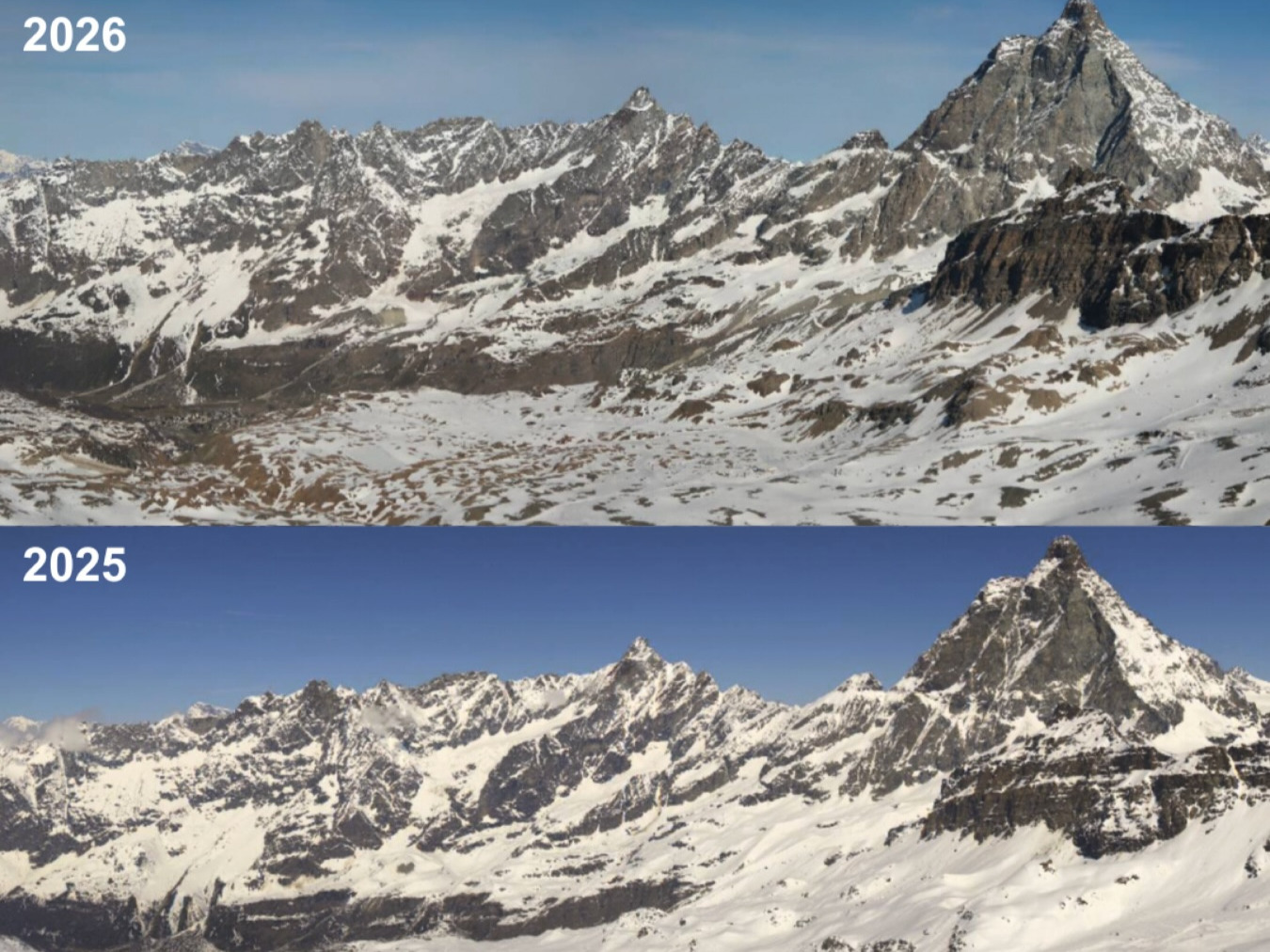
Snow comparisons Plateau Rosa 2025-26. Photo: Meteo Valle d'Aosta.

The idea that winter 2025/26 was “a good snow year” in the Alps does not hold up under closer analysis. While some regions experienced notable snowfall events, particularly in December, these were highly localised and have led to a broader misperception about conditions across the entire Alpine arc.

Data and observations from Meteo Valle d’Aosta highlight the issue clearly. Heavy early-season snowfall was largely confined to the Maritime and Ligurian Alps, a relatively small portion of the range. Outside these areas, including much of the north-western Alps and Valle d’Aosta, snowfall remained closer to average or slightly below through much of the early winter.

Crucially, what followed mattered more than what fell.

Continue reading “The Alps Did Not Have a Snow-Rich Winter: Why 2026 Resembles 2022 for Glaciers”

Colorado Snowpack at Record Lows — National and Local Media Weigh In

Credit: Image via Vail Daily / Facebook post on historic low snowpack levels.Vail Mountain now facing worst snowpack on record — data from local SNOTEL station.

Colorado’s Snowpack Hits Historic Lows — What the Latest Media Is Reporting

Colorado’s snowpack — the lifeblood of Western water systems and mountain recreation — has fallen to historically low levels this winter season, drawing concern from local and national media alike. According to reporting by The Aspen Times, snowpack across many Colorado basins “remains at record lows with little relief in sight” as dry conditions persist. 

Credit: Image via The Aspen Times / Facebook post showing snowpack conditions.
“Colorado’s snowpack remains at record lows with little relief in sight.”
Credit: Image via The Aspen Times / Facebook post showing snowpack conditions.
“Colorado’s snowpack remains at record lows with little relief in sight.”

What the Data Shows

Government observations confirm these media reports. As of early January 2026, Colorado’s statewide snowpack sat at roughly 56 – 62 % of the median for this time of year, with some river basins — especially in central and northern mountains — recording the lowest levels on record for many stations. 

The Natural Resources Conservation Service (NRCS) reports that while overall precipitation isn’t dramatically below median levels, a larger share of it has fallen as rain instead of snow due to warm temperatures — a key reason for the depressed snowpack. 

Aiguille des Drus et Aiguille Verte, in my shop. Soft Pastels, Pan Pastels and Charcoal on La Carte Pastel. 50 x 65 cm. Check it out here.

Continue reading “Colorado Snowpack at Record Lows — National and Local Media Weigh In”

Glaciers Are No Longer “Stable”: What Alpine Authorities Are Being Told to Do About It

Plampincieux Iconography - from Daily Mail. A fast-melting glacier in the Mont Blanc raised an alarm in the area of Val Ferret of Courmayeur.

Glacial and Periglacial Risk in the Alps: What Authorities Are Being Told to Do

For decades, glaciers in the Alps were treated as slow, predictable features of the mountain landscape. Today, that assumption no longer holds.

A new technical document published by Fondazione Montagna Sicura, in collaboration with Italy’s Civil Protection system and scientific partners, makes this very clear:
glacial and periglacial areas are becoming more unstable, more unpredictable, and more dangerous — and everyone involved in mountain management needs to adapt.

The report, “Glacial and Periglacial Risk in Alpine Environments – A Methodological Framework”, is not written for tourists. It is written for the people responsible for keeping mountain regions safe — and its recommendations reveal how deeply climate change is reshaping the Alps.


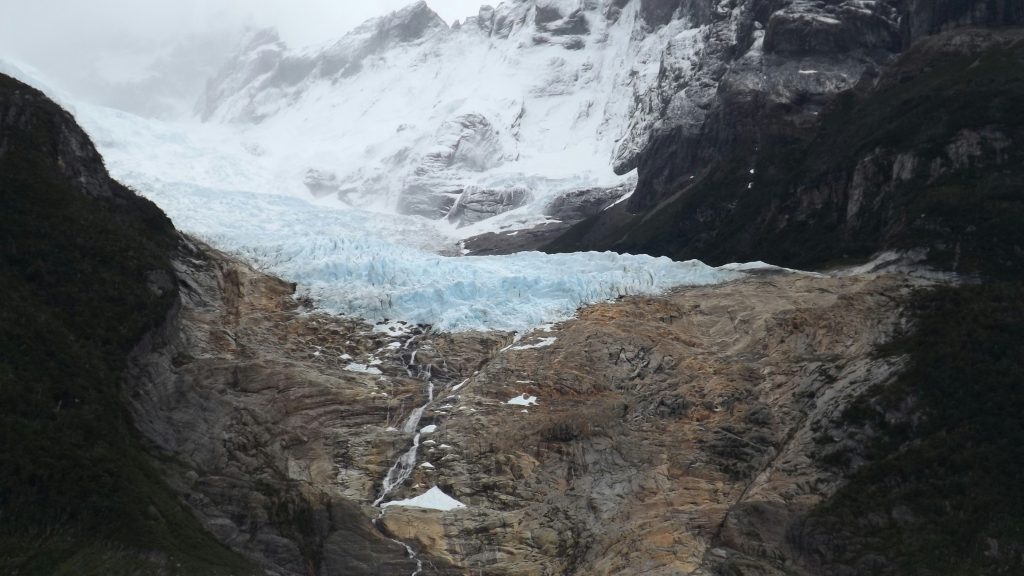
Photo: Mauro Hernandez. Unsplash. Glaciers Are No Longer “Stable”: What Alpine Authorities Are Being Told to Do About It.


Continue reading “Glaciers Are No Longer “Stable”: What Alpine Authorities Are Being Told to Do About It”