


Glacial and Periglacial Risk in the Alps: What Authorities Are Being Told to Do
For decades, glaciers in the Alps were treated as slow, predictable features of the mountain landscape. Today, that assumption no longer holds.
A new technical document published by Fondazione Montagna Sicura, in collaboration with Italy’s Civil Protection system and scientific partners, makes this very clear:
glacial and periglacial areas are becoming more unstable, more unpredictable, and more dangerous — and everyone involved in mountain management needs to adapt.
The report, “Glacial and Periglacial Risk in Alpine Environments – A Methodological Framework”, is not written for tourists. It is written for the people responsible for keeping mountain regions safe — and its recommendations reveal how deeply climate change is reshaping the Alps.
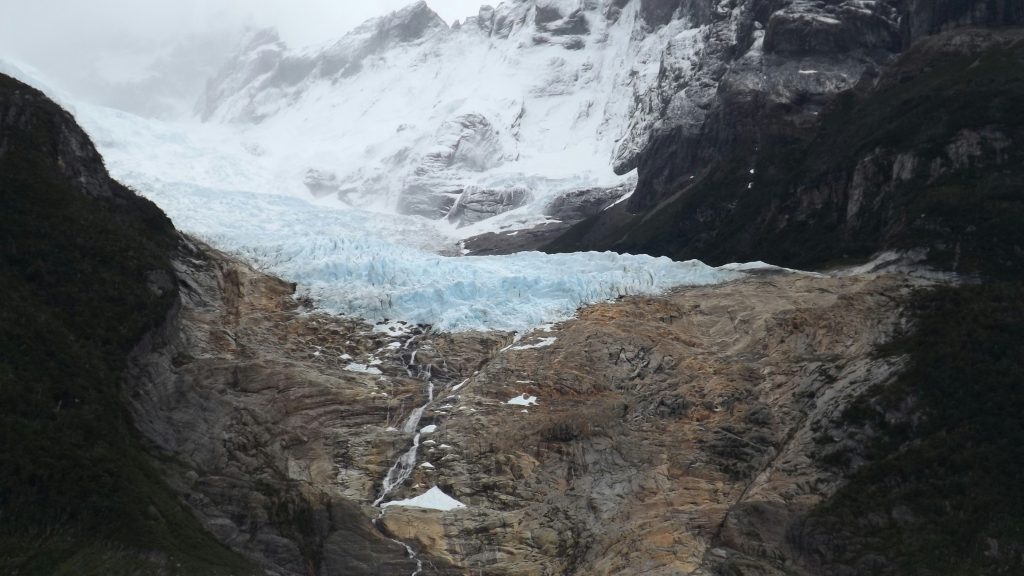
The Core Message: Risk Is No Longer Exceptional
One of the strongest points in the report is this:
glacial risk is no longer an “emergency-only” issue.
Instead of reacting only after collapses, ice avalanches, or rockfalls, authorities are urged to:
- Treat glacier and permafrost instability as structural, ongoing risks
- Integrate them into daily land management and planning
- Accept that instability can occur outside traditional danger seasons
In simple terms: waiting for something to happen is no longer acceptable.
What the Report Advises — Player by Player
🏔️ Local & Regional Authorities
Municipalities and regional governments are advised to stop treating glaciers as background scenery and start treating them as dynamic risk zones.
The report recommends that authorities:
- Identify glaciers and periglacial areas that show signs of accelerated instability
- Define priority zones where monitoring and access restrictions may be needed
- Include glacial risk in urban planning, tourism development, and infrastructure decisions
This is especially relevant for mountain villages, lift companies, and road planners operating below or near retreating glaciers.
🚨 Civil Protection & Emergency Services
For Civil Protection bodies, the message is blunt:
traditional emergency protocols are no longer sufficient.
The report calls for:
- Continuous observation, not just crisis response
- Better coordination between scientists, technicians, and decision-makers
- Scenario planning that includes worst-case glacier collapse events
Importantly, it stresses that emergency responses must be communicated clearly and early, even if decisions (such as trail closures) are unpopular.

🧑🔬 Scientists & Technical Experts
Researchers are encouraged to shift focus from purely academic observation to operational usefulness.
The document advises scientists to:
- Prioritise data that helps decision-makers act
- Improve real-time monitoring and interpretation
- Translate complex glaciological data into clear risk indicators
In other words: data must become actionable, not just precise.
🧭 Mountain Professionals (Guides, Operators, Lift Companies)
A crucial section of the report highlights the role of mountain professionals, who are often the first to observe changes on the ground.
They are encouraged to:
- Receive specific training on glacial and periglacial risk
- Understand warning signs such as unusual meltwater, ice fractures, or rock instability
- Act as risk communicators with clients and guests, not just service providers
This is a significant cultural shift in how mountain tourism operates.
📢 Communication: The Weakest Link
One of the most interesting — and honest — sections of the report addresses communication.
The authors acknowledge that:
- Risk communication in the mountains is often fragmented or confusing
- Tourists may underestimate danger because glaciers “look normal”
- Authorities sometimes delay warnings to avoid panic or economic impact
The report strongly recommends:
- Clear, consistent messaging across regions
- Audience-specific communication (locals, tourists, professionals)
- Normalising restrictions and closures as preventive safety tools, not failures
Why This Matters to Skiers, Hikers & Mountain Travellers
Even if you never read a technical report, its consequences will affect you.
Expect to see:
- More trail and area closures — sometimes with little visible warning
- Changing access rules in high-mountain terrain
- Increased emphasis on guided access in glaciated zones
- Less tolerance for “business as usual” in unstable areas
This is not about fear.
It is about accepting that the Alps we knew are changing — fast.
Final Thought
This report does not predict catastrophe.
What it does is quietly redefine responsibility.
Glaciers are no longer just symbols of climate change — they are active risk factors, and managing them now requires coordination, transparency, and difficult decisions.
Whether you are a policymaker, a ski professional, or simply someone who loves the mountains, this document is a reminder that adaptation is no longer optional.
Sources & Credit
- Glacial and Periglacial Risk in Alpine Environments – A Methodological Framework
Published by Fondazione Montagna Sicura
Available via Fondazione Montagna Sicura & Italian Civil Protection
Start planning your next trip!
If looking to stay in the heart of the Mont Blanc Valley in the Aosta Valley, check the direct booking for Il Coure della Valdigne here. This is our own family home in the mountains, that I am renting out when not using.

Il Cuore della Valdigne. Book your lodging directly with me here.Il Cuore della Valdigne. Stay at the Heart of the Valdigne to ski in Courmayeur, La Thuile and Pila/Aosta.
If you prefer, you can also book my apartment through Booking.com
Booking might be cheaper if you have Genius status!
Check my Mountain Art on my Shop
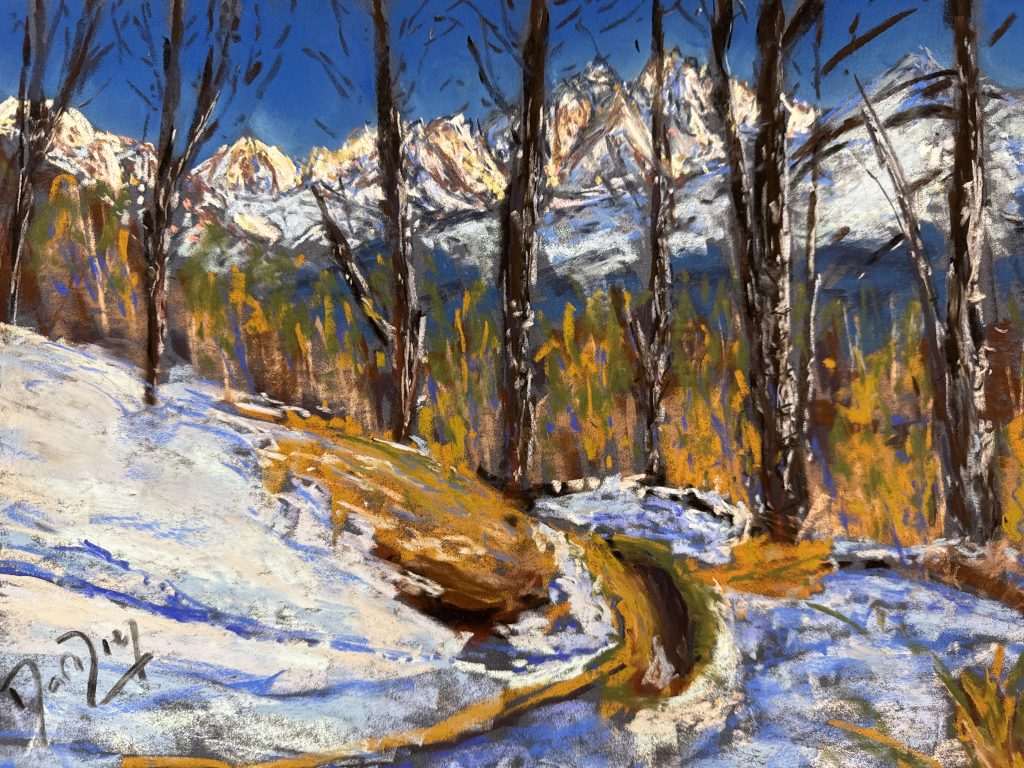
You can go to my shop and see what have been inspiring me lately, lots mountain landscapes in soft pastels, and now in oils too. Go here to check my latest works!
Featured Image: Plampincieux Iconography – from Daily Mail. A fast-melting glacier in the Mont Blanc raised an alarm in the area of Val Ferret of Courmayeur. Glaciers Are No Longer “Stable”: What Alpine Authorities Are Being Told to Do About It


Discover more from The-Ski-Guru
Subscribe to get the latest posts sent to your email.
 Subscribe to The-Ski-Guru here.
You must be logged in to post a comment.