Switzerland Won’t Run Out of Water When Its Glaciers Disappear — But Summer Is Another Story

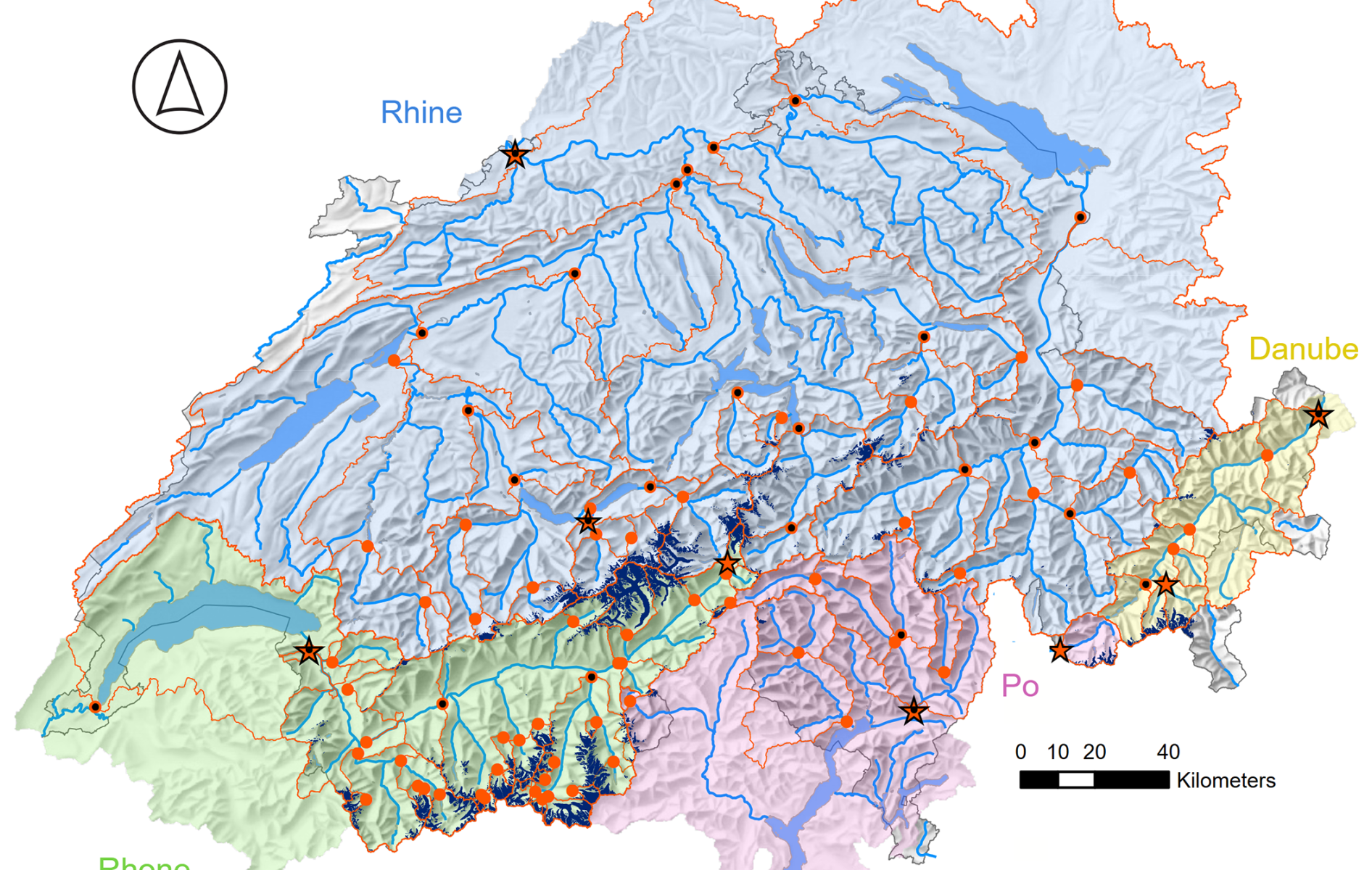
Map of hydrological Switzerland. Credit: Hess Copernicus.

Switzerland’s glaciers are shrinking rapidly, but their disappearance does not mean the country will simply run out of water. The bigger problem is when that water will be available — particularly during increasingly hot and dry Alpine summers.

Switzerland is often described as the “water tower of Europe”, while its rapidly retreating glaciers have become one of the most visible symbols of climate change in the Alps.

It is therefore easy to make a seemingly obvious connection: if the glaciers disappear, Switzerland will lose a major source of its water.

The reality is more complicated.

Swiss hydrologist Bettina Schaefli, professor at the University of Bern, recently challenged that assumption in an opinion piece published by Le Temps, arguing that Switzerland does not owe its abundant water resources primarily to its glaciers.

She is right — at least when looking at the country’s overall annual water balance.

Switzerland’s real hydrological advantage is the Alps themselves. The mountain barrier forces moist air upwards, producing substantial precipitation as rain and snow.

But that does not mean disappearing glaciers are irrelevant to Switzerland’s water supply.

Far from it.

What Switzerland is gradually losing is something particularly valuable: a natural water reserve capable of releasing water precisely when rainfall and snowmelt are no longer providing enough of it.

And during a drought, that distinction becomes crucial.
Continue reading “Switzerland Won’t Run Out of Water When Its Glaciers Disappear — But Summer Is Another Story”

Nepal’s Glacier Disaster Is a Warning for Mountain Regions Everywhere — Including the Alps

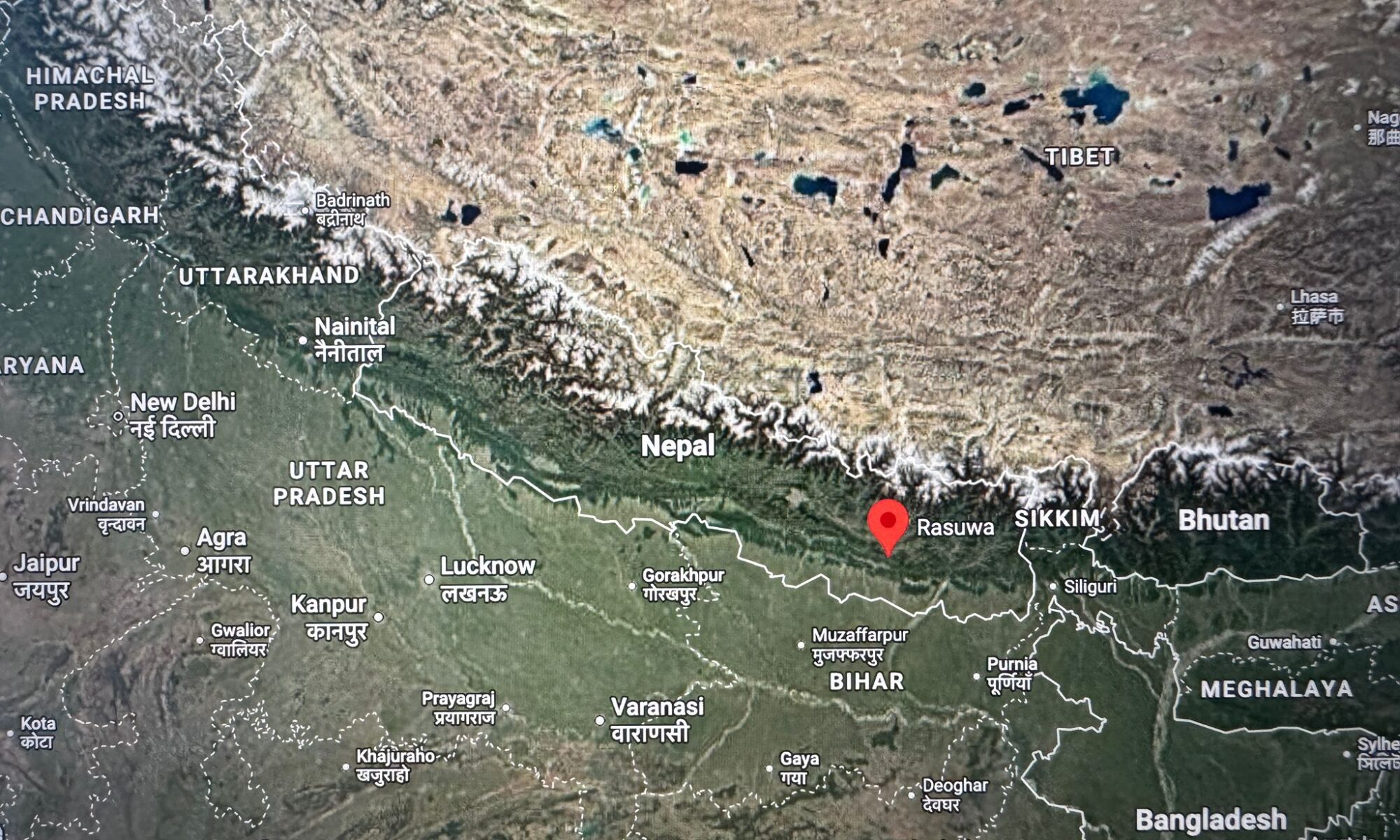
Map of Rasuwa in Nepal, where the floodings occurred. Photo: Google Maps.

A catastrophic glacier-related collapse in the Himalayas has killed hundreds of people across Nepal and Tibet and left many more missing.

But beyond the shocking images and the rapidly evolving casualty figures lies a much bigger question for mountain regions around the world:

Could something similar happen in the Alps?

The answer is uncomfortable.

The precise sequence that produced the Nepal disaster is still being investigated. But glacier collapses, rock avalanches, sudden releases of glacial water, debris flows and naturally dammed lakes are not unique to the Himalayas. They are hazards that also exist in the Alps — and Alpine history provides some dramatic examples.

What can be very different is the ability to identify certain dangers in advance, monitor them and evacuate people before the mountain moves.

And even in the best-monitored Alpine countries, that warning cannot always be guaranteed.

Continue reading “Nepal’s Glacier Disaster Is a Warning for Mountain Regions Everywhere — Including the Alps”

Randa Raises Alert Level as Weisshorn Hanging Glacier Accelerates Above Zermatt Valley

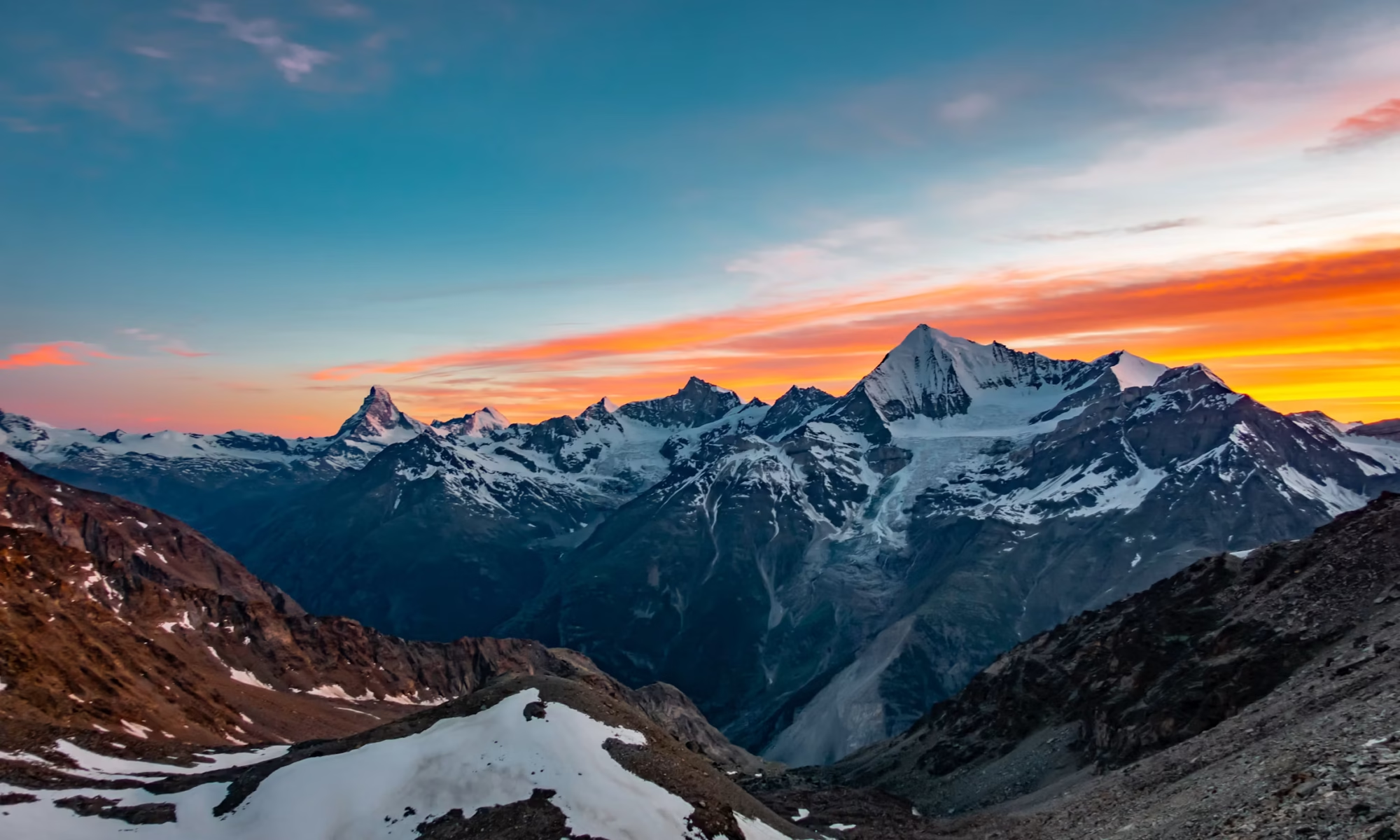
Sunset over the Matterhorn and Weisshorn, from Nadelgrat, Randa. Photo by: Sylvain Maroux. Unsplash.

Authorities in the Swiss canton of Valais have increased monitoring of the Weisshorn East hanging glacier above Randa to Level 3, following a marked acceleration in its movement and several ice break-offs.

Randa lies in the Mattertal, on the main valley approach towards Täsch and Zermatt, making the situation particularly relevant for visitors travelling through the region.

The municipality said movements of the hanging glacier have been monitored more closely since the end of June 2026. Following a significant increase in movement and acceleration, monitoring was raised to Level 3 on 24 August.

At least three break-offs occurred during the afternoon of 24 August, with the largest taking place between 17:00 and 18:00. The resulting ice deposits remained on the glacier plateau below.

Poor weather initially prevented experts from reliably estimating the volume involved.

Continue reading “Randa Raises Alert Level as Weisshorn Hanging Glacier Accelerates Above Zermatt Valley”

Alpine Glacier Retreat Raises Questions Over the Future of the Ski Economy

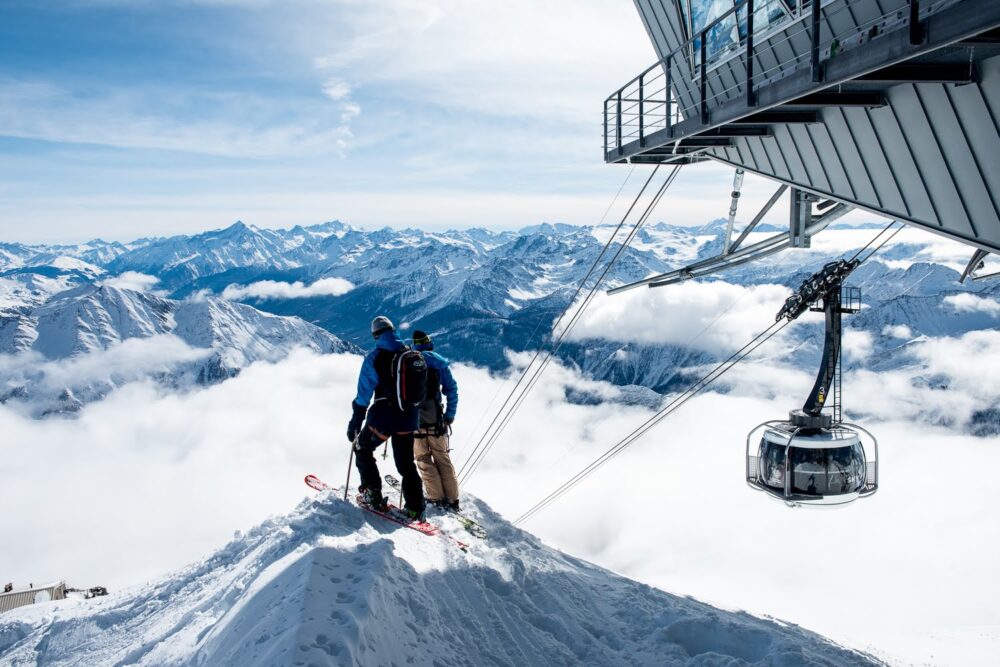
Photo credit: Skyway Monte Bianco.

After a summer marked by glacier retreat, rockfalls, unstable permafrost and repeated disruption across the Alps, an increasingly difficult question is emerging: how should mountain tourism adapt to a rapidly changing environment?

The debate has been brought into sharper focus by Legambiente, one of Italy’s largest environmental organisations, which argues that Alpine communities can no longer plan their future on the assumption that glaciers, water resources and snow conditions will remain as they have been in the past.

Speaking to Corriere della Sera during the 2026 Carovana dei Ghiacciai, Vanda Bonardo, the campaign’s coordinator and national head of Legambiente’s Alps division, said mountain regions need to move from planning based on stability towards managing continuous change.

Her comments come during an extraordinary summer across the Alps, with developments around Mont Blanc providing some of the clearest examples.

Continue reading “Alpine Glacier Retreat Raises Questions Over the Future of the Ski Economy”

Planpincieux Glacier: Seven Years After the Alarm, the Mont Blanc Glacier Is Retreating Fast

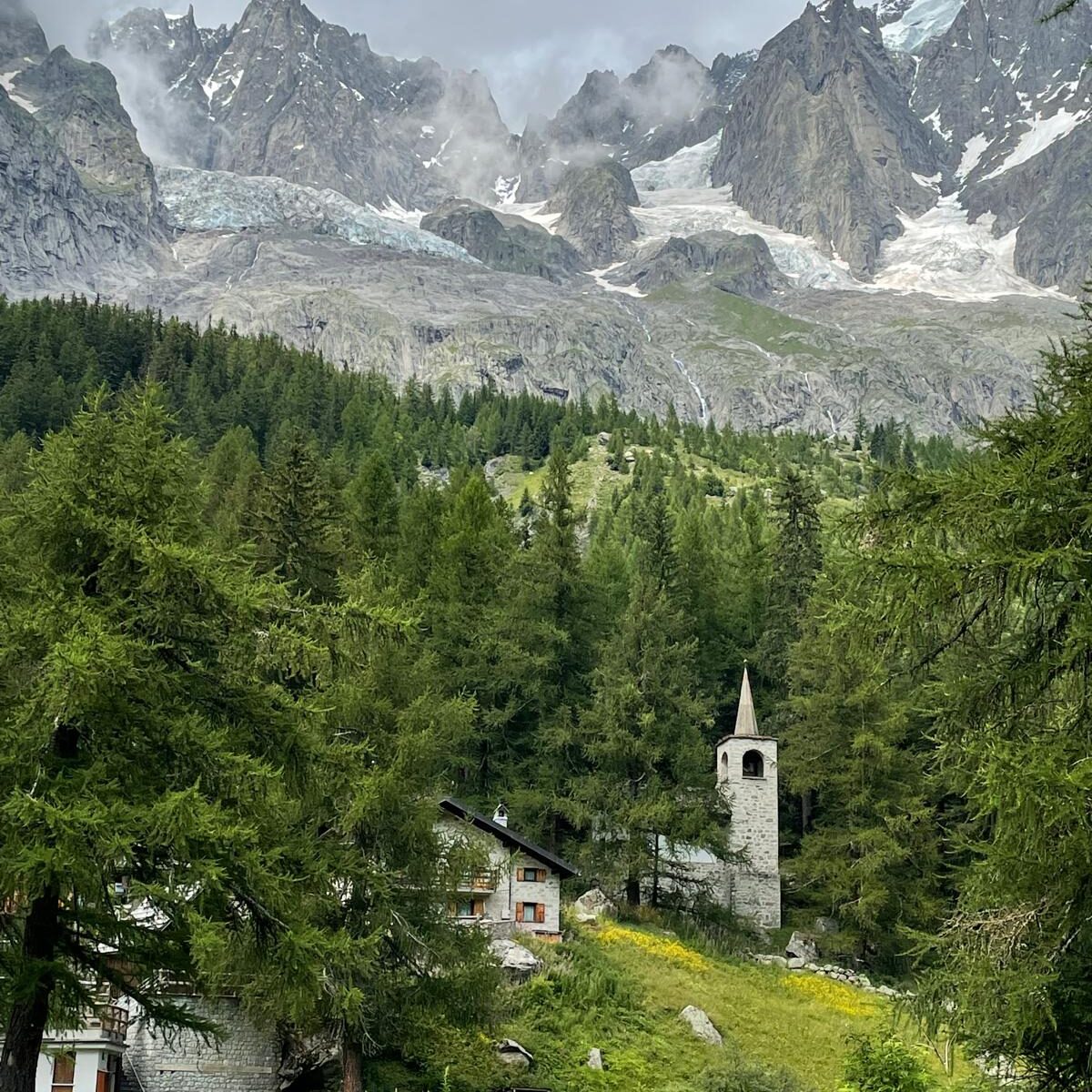
Planpincieux glacier and the church in the bottom. Photo: The-Ski-Guru.

The Planpincieux Glacier retreat is accelerating on the Italian side of Mont Blanc, seven years after the hanging glacier above Courmayeur first made international headlines over fears of a major collapse.

The hanging glacier, located above Val Ferret on the Italian side of the Mont Blanc massif, accelerated again during July 2026, reaching movement of around 80 centimetres per day. The figure was confirmed by the Valle d’Aosta regional authorities, which placed the glacier under continuous monitoring during the period of heightened activity.

The situation has since improved. Jean-Pierre Fosson of Fondazione Montagna Sicura said during the Valle d’Aosta stage of Legambiente’s Carovana dei Ghiacciai that Planpincieux has now fallen below the critical thresholds and that current conditions are considered favourable.

But the longer-term picture is far less reassuring.

Planpincieux Glacier retreat reaches 50 metres in three years

According to a report from Corriere della Sera, the front of Planpincieux has retreated by around 50 metres in just three years.

The glacier hangs at around 2,600 metres beneath the Grandes Jorasses, high above Val Ferret. Ice and debris continue periodically to break away from its front and descend towards the valley.

The glacier is particularly closely monitored because of its position above an inhabited and heavily visited valley.

During July’s acceleration, Courmayeur introduced Civil Protection restrictions in the areas potentially exposed to a collapse. Access restrictions were subsequently eased as conditions stabilised.


Read more: Nepal Glacier Disaster: Could It Happen in the Alps? — Following the catastrophic glacier-related disaster in Nepal, we look at whether similar high-mountain hazards could occur in the Alps, and how monitoring at Planpincieux, Blatten and elsewhere can provide crucial warning time.


Continue reading “Planpincieux Glacier: Seven Years After the Alarm, the Mont Blanc Glacier Is Retreating Fast”

Mer de Glace Ice Cave Turns 80 — But May Have Only a Few Years Left

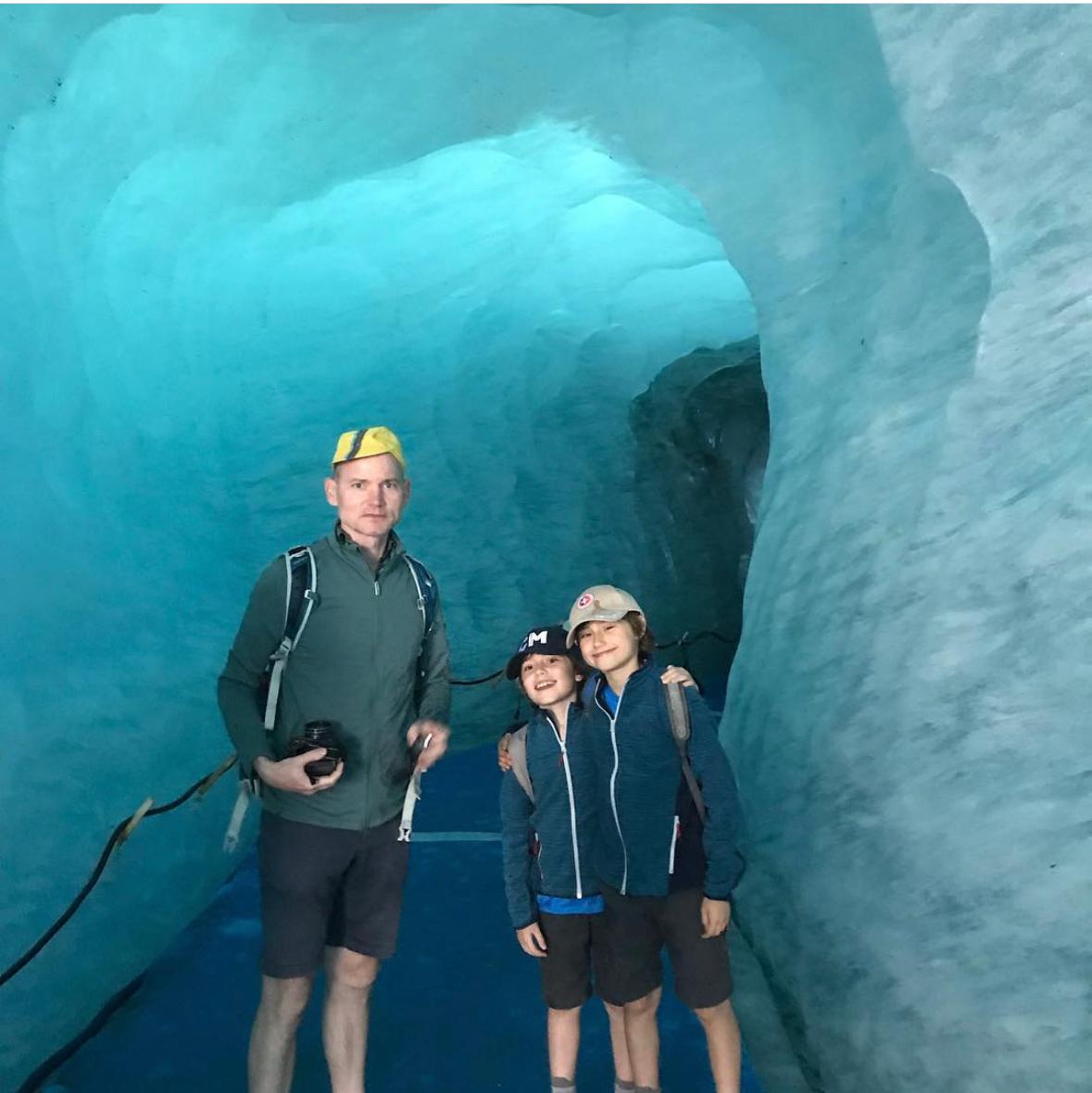
My husband and sons inside the Montenvers cave in 2018. Photo: The-Ski-Guru

The famous ice cave carved into the Mer de Glace above Chamonix is celebrating its 80th anniversary in 2026. But as the glacier continues to shrink, the family that has been carving it since 1946 knows the attraction may not survive to celebrate its centenary.

For eight decades, workers have returned to the Mer de Glace above Chamonix to carve a new passage into the moving glacier.

The famous Grotte de Glace, or Ice Cave, was first created in 1946 by Georges Claret. Three generations later, his grandson Benjamin Claret continues a family tradition that has become one of Chamonix’s best-known tourist attractions.

But its 80th anniversary comes with an increasingly uncertain future.

Continue reading “Mer de Glace Ice Cave Turns 80 — But May Have Only a Few Years Left”

Aosta Valley Begins to Recover, but Record Glacier Loss Highlights Growing Climate Crisis

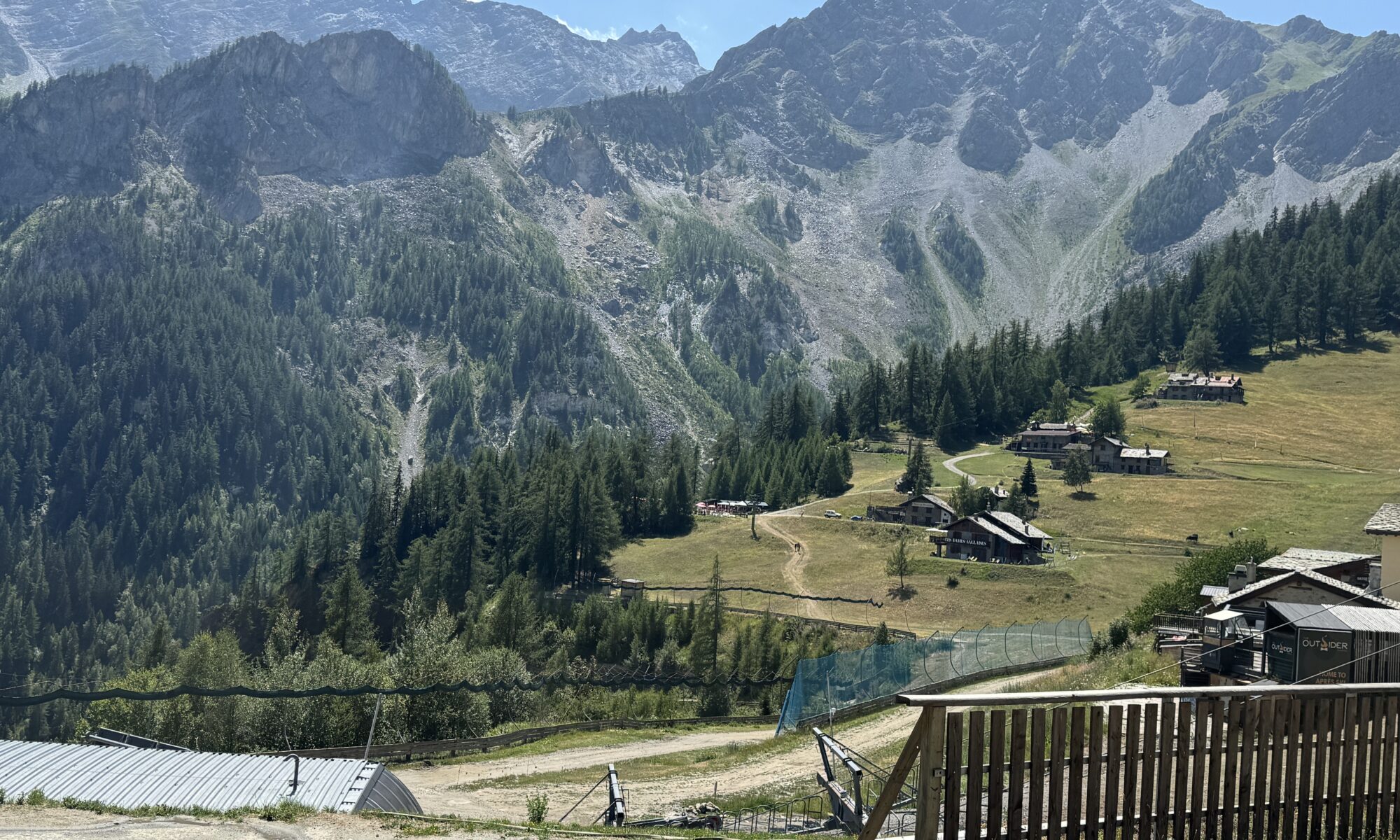
The view from Plan Chècrouit towards the Piscina Alpina in Courmayeur. Photo: The-Ski-Guru.

The Aosta Valley is beginning to recover after a week marked by intense storms, flooding and rockfalls, but scientists warn that the longer-term picture remains deeply concerning. While tourist facilities are reopening and emergency conditions are easing, 2026 has already become the worst year on record for glacier loss in Italy’s smallest Alpine region, underlining the accelerating impact of climate change. 

One of the clearest signs of recovery has come from Breuil-Cervinia, where the local golf course has partially reopened following the severe thunderstorms that hit the resort earlier this week. Although only a temporary nine-hole course is currently available while repairs continue, the reopening is an important step for the resort’s summer tourism industry after heavy rain and mudflows disrupted the area. 

Continue reading “Aosta Valley Begins to Recover, but Record Glacier Loss Highlights Growing Climate Crisis”

Low Water Reserves Raise Fresh Summer Drought Concerns Across Europe’s Mountain Regions

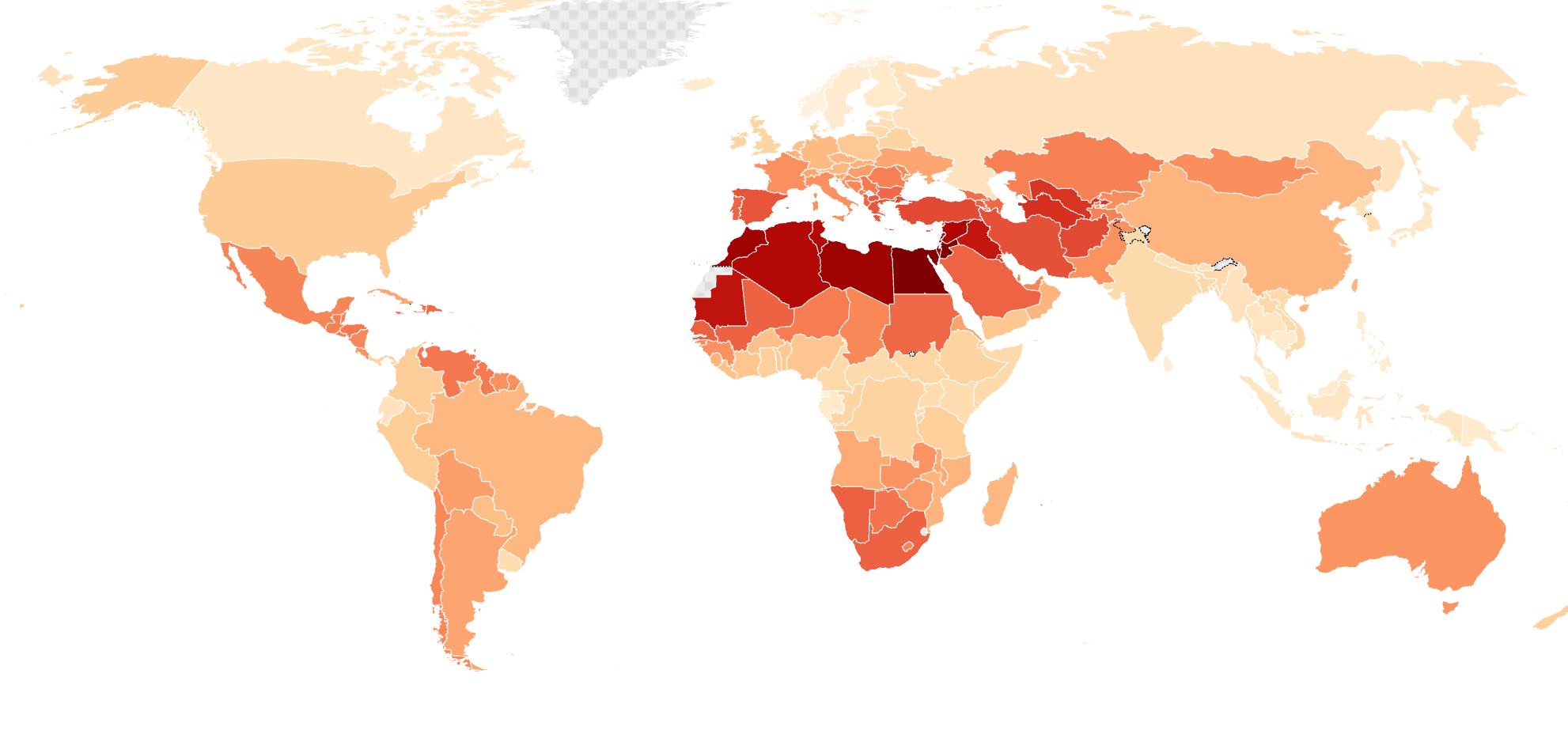
Increase of drought in the world. Infographic: Openpolis.it

Low Water Reserves Raise Summer Drought Concerns Across the Alps

Switzerland is entering summer 2026 with unusually low water reserves following one of the driest springs in recent years, prompting questions about whether parts of the Alps could face drought conditions later this summer.

According to SwissInfo and MeteoSwiss, rainfall during spring was significantly below average in many areas, while reservoir levels and river flows are lower than normally expected at the start of June.

The concern extends beyond Switzerland. Several Alpine regions experienced a winter marked by long dry periods, reduced snow accumulation and an early start to the spring melt season. While conditions vary between regions, mountain authorities and meteorologists are closely monitoring water availability heading into the peak summer months.

Continue reading “Low Water Reserves Raise Fresh Summer Drought Concerns Across Europe’s Mountain Regions”

Crevasses & Glaciers: The Hidden Winter Danger

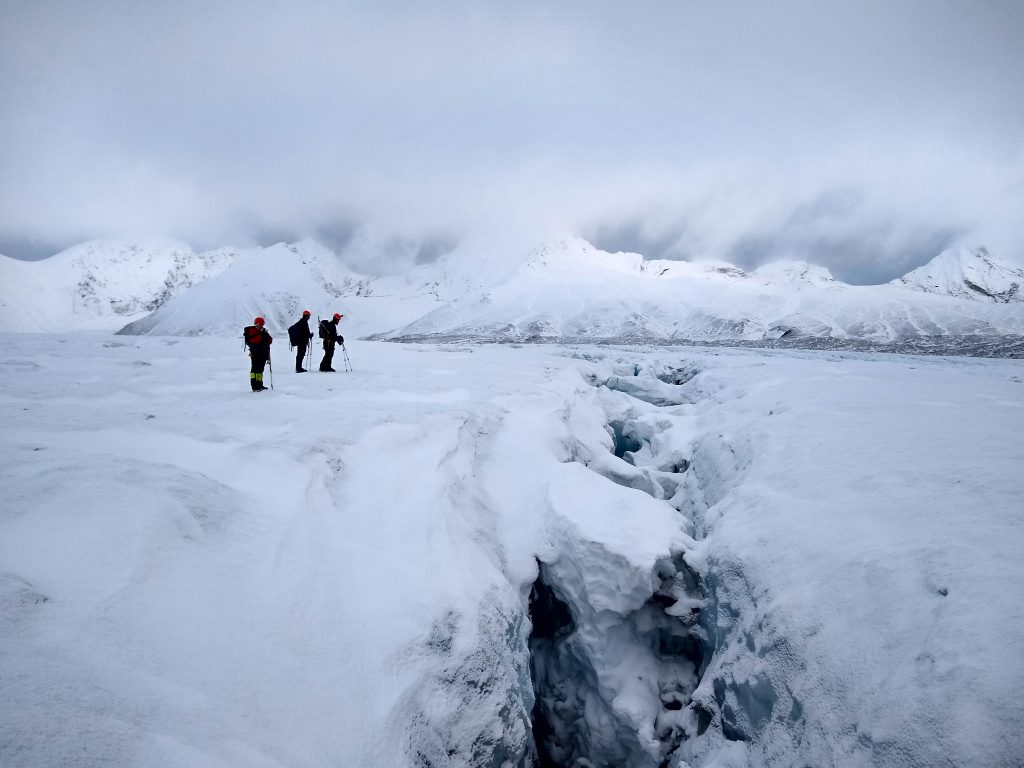
Crevasses in Passo dello Stelvio. Photo: Dario Morandotti. Unsplash. Crevasses & Glaciers: The Hidden Winter Danger.

Crevasses & Glaciers: The Hidden Winter Danger

Glaciers are often associated with summer mountaineering — ropes, harnesses and visible crevasses. In winter, however, glaciers can appear deceptively smooth, white and skiable.

This illusion of safety is one of the reasons crevasses and glaciers remain among the most underestimated winter dangers in the mountains.

This article explains why glaciers are still hazardous in winter, how crevasses behave under snow, and why even experienced skiers can fall victim to hidden traps.


Hansbreen Glacier, Svalsbard. Photo: Bartek Luks Aya. Unsplash. Crevasses & Glaciers: The Hidden Winter Danger.

Why Glaciers Are Still Dangerous in Winter

Snow does not remove crevasses — it hides them.

During winter:

  • Crevasses are covered by snow bridges
  • Surface terrain appears uniform
  • Visual warning signs are often absent

Snow bridges can collapse suddenly under the weight of a skier, snowboarder or group — often without warning.

Unlike avalanches, crevasse falls:

  • Are silent
  • Are highly localised
  • Often involve a single victim

Rescue is complex and time-critical.

Continue reading “Crevasses & Glaciers: The Hidden Winter Danger”

Glaciers Are No Longer “Stable”: What Alpine Authorities Are Being Told to Do About It

Plampincieux Iconography - from Daily Mail. A fast-melting glacier in the Mont Blanc raised an alarm in the area of Val Ferret of Courmayeur.

Glacial and Periglacial Risk in the Alps: What Authorities Are Being Told to Do

For decades, glaciers in the Alps were treated as slow, predictable features of the mountain landscape. Today, that assumption no longer holds.

A new technical document published by Fondazione Montagna Sicura, in collaboration with Italy’s Civil Protection system and scientific partners, makes this very clear:
glacial and periglacial areas are becoming more unstable, more unpredictable, and more dangerous — and everyone involved in mountain management needs to adapt.

The report, “Glacial and Periglacial Risk in Alpine Environments – A Methodological Framework”, is not written for tourists. It is written for the people responsible for keeping mountain regions safe — and its recommendations reveal how deeply climate change is reshaping the Alps.


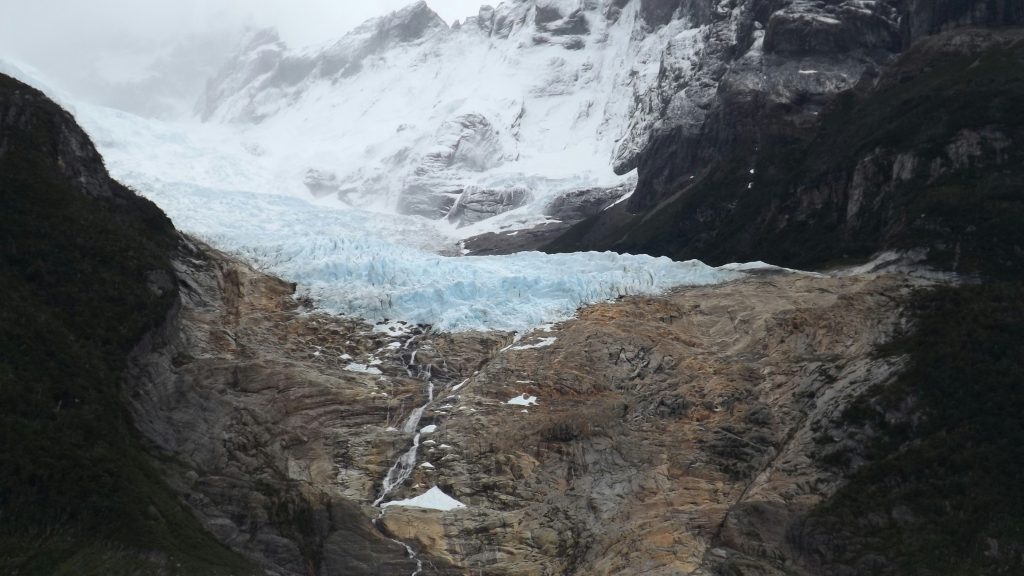
Photo: Mauro Hernandez. Unsplash. Glaciers Are No Longer “Stable”: What Alpine Authorities Are Being Told to Do About It.


Continue reading “Glaciers Are No Longer “Stable”: What Alpine Authorities Are Being Told to Do About It”