Aspen Mountain Opening Day 2025–26 | First Turns & Early-Season Skiing
There’s always something electric about Opening Day in Aspen. The lifts begin to hum, skis clatter on snow for the first time in months, and locals gather at the base — coffees steaming in the cold morning air — ready to kick off the 2025–26 winter season.
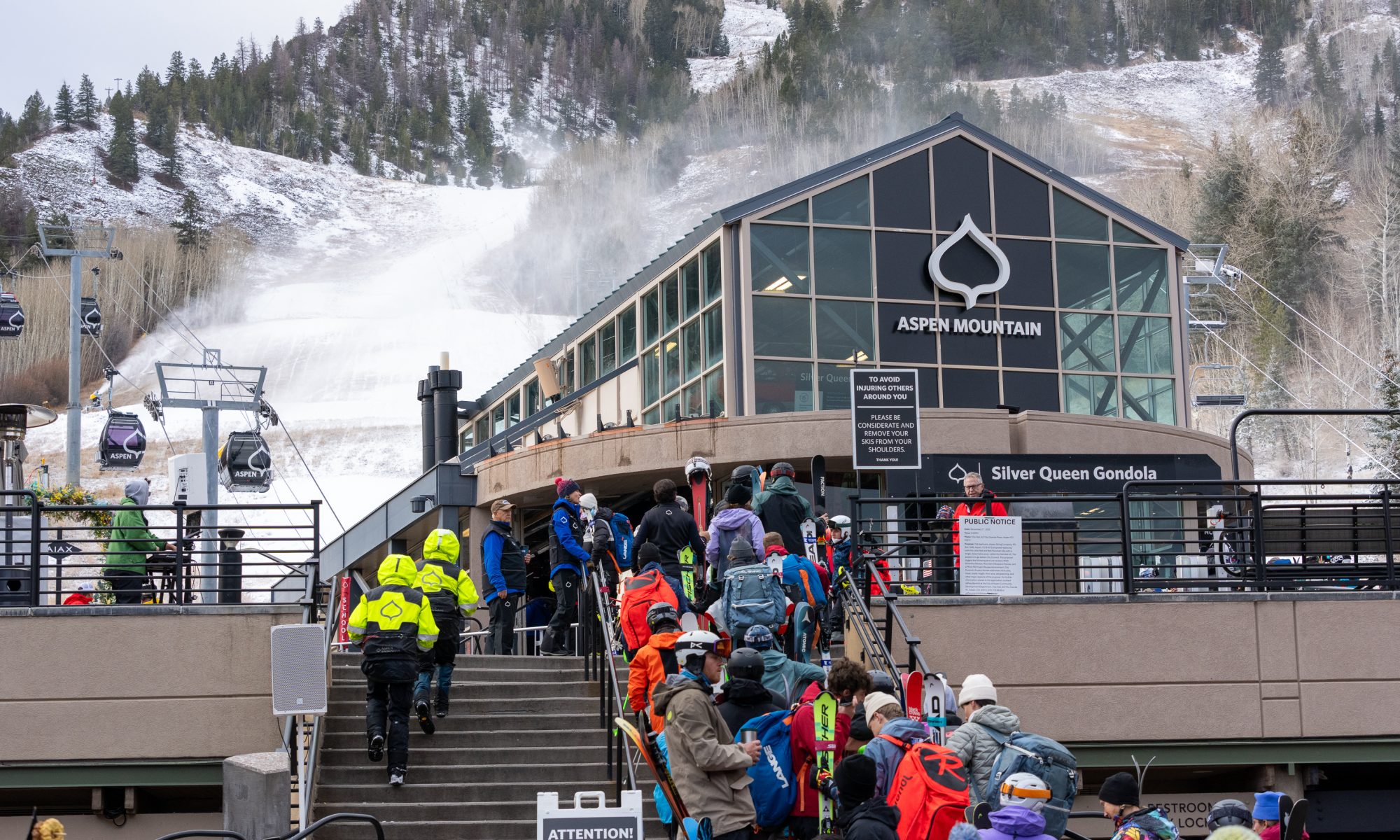
Start of the skiing day in opening day at Aspen Mountain. Photo: Craig Turpin. Rising Sun Photography- Aspen Skiing Company. ❄️✨ Opening Day in Aspen: First Turns, Early-Season Magic & Why Skiers Love This Time of Year.
And this year was no exception.
On Thursday, November 27, Aspen Mountain officially opened for the season, perfectly timed with Thanksgiving celebrations. If there’s a place where gratitude, community, and powder meet, it’s Aspen on Opening Day.
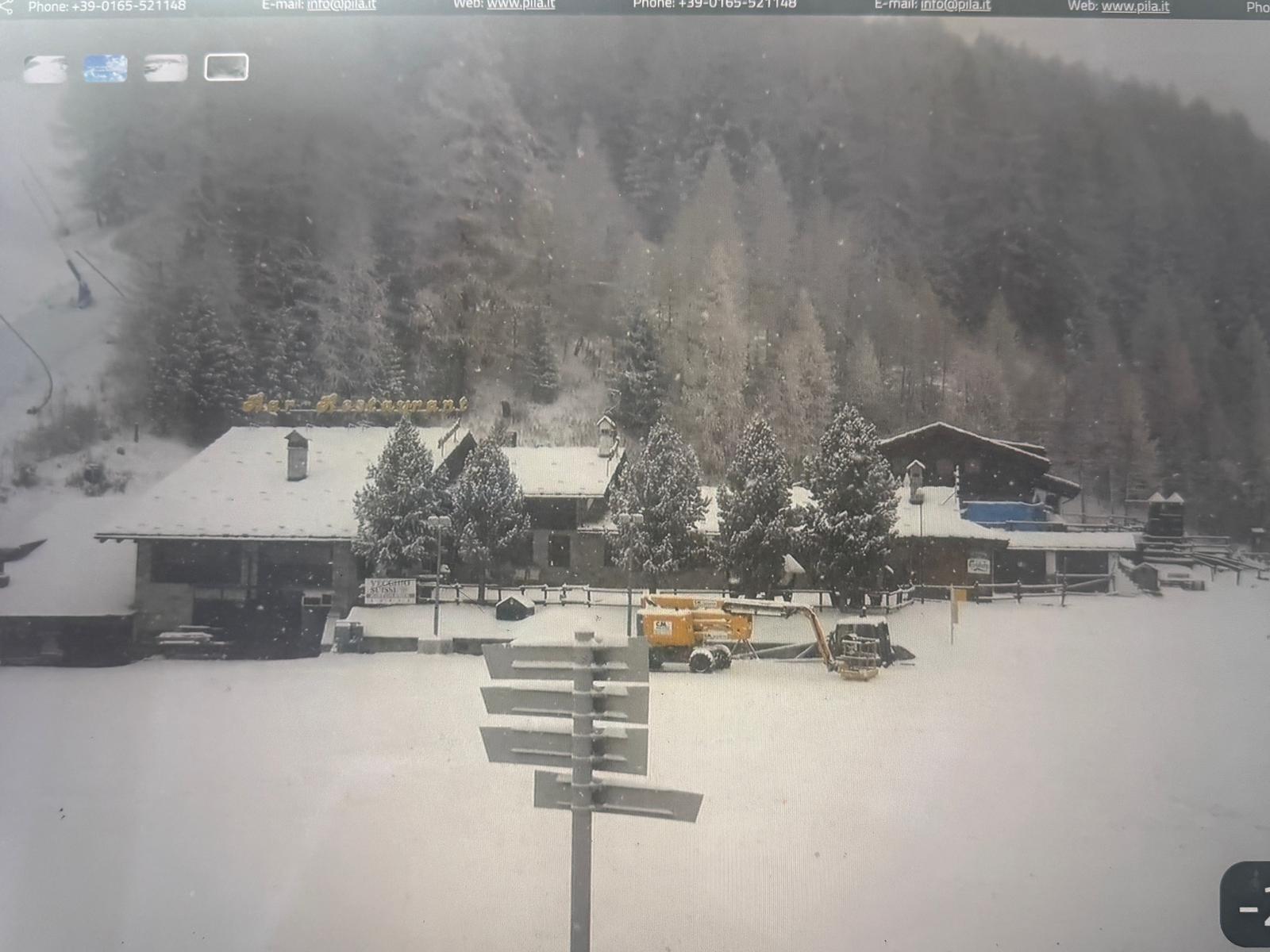
According to a recent report from AostaSera, Pila has officially delayed the start of its winter season. The ski lifts are now scheduled to open on 5 December 2025. Source: AostaSera – “Dove sciare in Valle d’Aosta: skipass, impianti e piste 2025/2026”
There will be plenty of time for this in Pila. Photo: Pila sPa. Passerini. Pila Delaying Opening Till 5 December 2025 | Aosta Valley Ski Updates.
Even though snow has started to fall, it has not yet created the stable and safe piste conditions required to open. So despite the excitement surrounding the brand-new cabin-car project debuting this winter, skiers and snowboarders will need to wait a bit longer before hitting the slopes.
Meanwhile, several other major resorts in the Aosta Valley remain on track. Courmayeur, La Thuile and Monterosa Skiare planning partial openings from 29 November 2025, offering early-season skiers alternative options for their first turns of the winter. Source: AostaSera
Snowstorm Arrives as the Aosta Valley Prepares First Ski Openings
Last week, the Aosta Valley still carried traces of autumn. From the villages, you could see the mix: white stripes of freshly prepared pistes, surrounded by brown slopes that hadn’t yet received any snowmaking. But as soon as temperatures dropped, every resort across the valley switched on its snow-guns at full power.
For days, the mountains echoed with the soft hum of snowmaking, and little by little the ski runs began to glow. By the weekend, the prepared areas looked like a true winter paradise — brilliant white ribbons winding down the mountains. The higher ridges and ungroomed sections, still untouched, remained brown… but that contrast might disappear very soon.
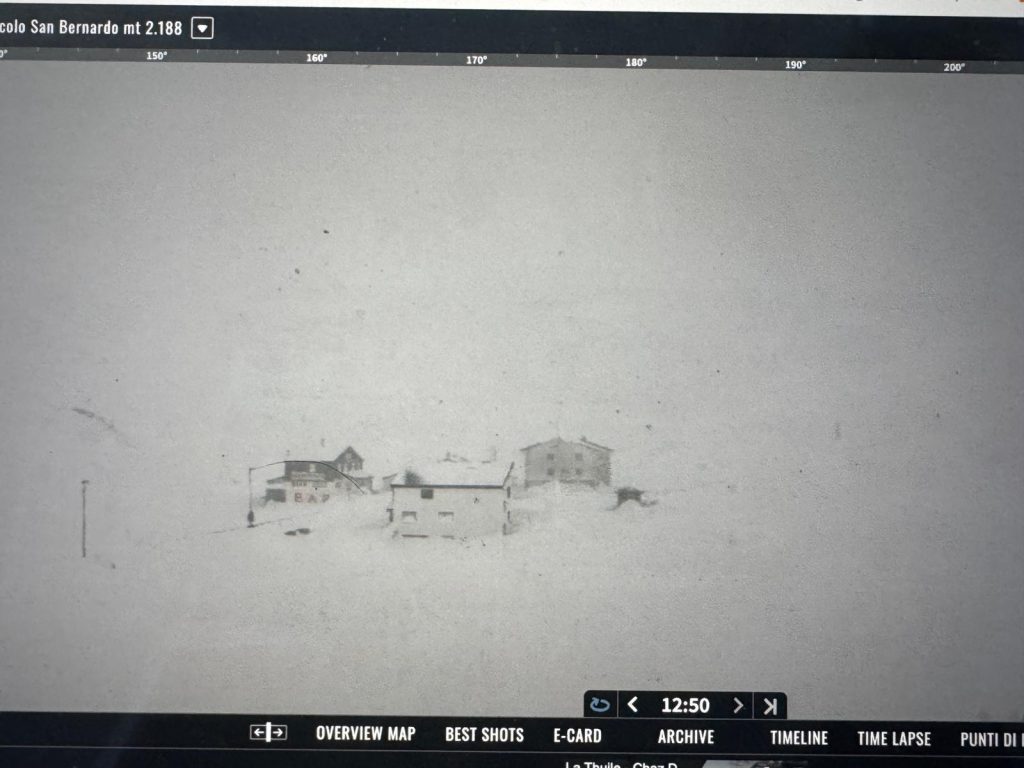
Because today, a major snowstorm is forecast.
And with the man-made base already in place, this natural snowfall could be the moment the entire valley slips into full winter mode.
The Petit St Bernard Pass today 24 Nov. La Thuile webcam. A Snowstorm Is Rolling Into the Aosta Valley — and Winter Is Finally Taking Over.
What’s Opening and When
The storm also arrives just as resorts begin to announce their first official openings:
Pila is planning to open Friday, 28 November.
La Thuile and Courmayeur are set to follow on Saturday, 29 November.
With snow already covering the pistes thanks to last week’s snowmaking, and more snow arriving today, the timing couldn’t be better.
You can expect ski patrol, snowcat groomers and mountain crews to be working around the clock — compacting the new snow, adding more artificial snow on top, and building a strong, durable base that will hold through the season.
How Fast Can Ski Resorts Make Snow? Modern Snowmaking, Temperatures and Costs Explained
Warm starts to winter are becoming the norm, not the exception. Yet every autumn, some ski resorts still manage to open with a decent snow base and a white ribbon of snow, even when the surrounding hillsides are brown.
So: how fast can a modern ski area actually build a skiable base when there’s no natural snow? What temperatures do they need, how much water and energy does it take, and what happens when it’s too warm even for snow guns?
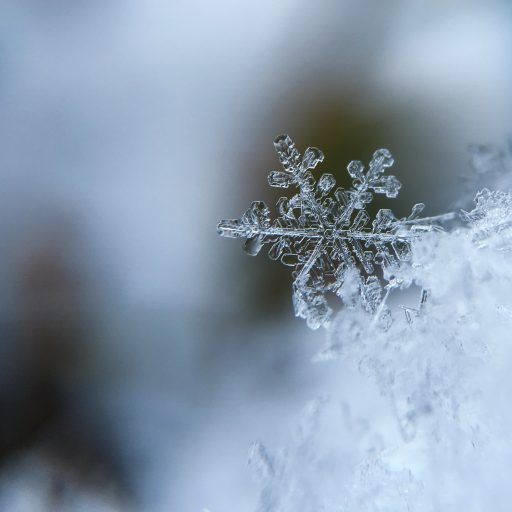
The art of snow making. Photo: Aaron Burden. Unsplash. ❄️ How Fast Can Ski Resorts Build a Snow Base When Nature Fails?
In this post I’ll look at:
How conventional snowmaking works
Rough timeframes to build a base on key slopes
The temperature window you need
All-weather (temperature-independent) snowmaking for warm conditions
Real examples from North America, South America, Europe and Asia
Why the Best Snow Isn’t Always Natural: How Lifts, Carving Skis & Smart Snowmaking Shape Your Ski Holiday
Every skier dreams of that perfect ski day: soft snow underfoot, crisp winter air, freshly groomed pistes, and wide-open carving turns.
But the truth behind why snow feels good or bad under your skis has changed dramatically over the past 20 years — and most holiday skiers have no idea why.
Two recent Nevasport articles explain this brilliantly:
Double chairlift with safety bar- this one you need to look out to grab the bar, it is a different model (a bit more modern maybe). Why the Best Snow Isn’t Always Where You Think: How Lifts, Carving Skis & Smart Snowmaking Shape Your Next Ski Holiday.
They highlight something both simple and surprising:
The snow you ski today is shaped by technology and skier behaviour as much as by weather.
Let’s unpack the story behind truly great snow — the kind your skis glide on effortlessly.
In one Nevasport article, the author makes an amusing but very true observation:
if you want to find the best snow on the mountain, look for the old two-seater chairlift.
Why?
Because modern 6- and 8-seaters unload thousands of skiers per hour on the same slope. That much traffic simply erodes the snow faster.
A piste that once stayed soft until the afternoon can now be scraped, bumpy, or piled up by 11:00 a.m.
Do Mega-Passes Like Epic & Ikon Increase Skipass Prices? Understanding Ski Pass Inflation
For years we’ve heard that the price of skiing is going up — but is part of that increase linked to the rise of mega-passes such as Epic, Ikon, Dolomiti Superski, Les 3 Vallées or Grandvalira?
Piste at Brides-les-Bains-Les-Trois-Vallées domain. Photo courtesy of Brides-les-Bains Tourism Office. 🏔️ How Mega-Passes Like Epic, Ikon & Dolomiti Superski Influence Skipass Prices: Are They Driving Ski Holiday Inflation?
These multi-resort passes have changed the ski industry dramatically. Millions of skiers around the world now buy a single pass that gives them access to multiple destinations. But behind the convenience, the economics are complex — and often misunderstood.
These multi-resort passes have changed the ski industry dramatically. Millions of skiers around the world now buy a single pass that gives them access to multiple destinations. But behind the convenience, the economics are complex — and often misunderstood.
These mechanisms are not just financial details; they are influencing broader structural shifts in Alpine ski pass demand, particularly as global pass networks expand into traditionally independent European markets.
At the same time, real-world data suggests that this model can stabilise revenues even when skier visits decline.
In this post, I break down how revenue-sharing works, how much resorts may be receiving per skier-day, and whether these systems are pushing skipass prices higher.
Ski Holidays Are Getting Expensive — How Families Can Still Save Money in 2025/26.
If you feel like planning a ski holiday is becoming more expensive every year… you’re not imagining it.
A new report by Assoutenti and a feature today in Corriere della Sera highlight that skiing in Italy — and across much of Europe — is seeing sharp price increases.
Daily skipasses can now reach €86, and some season passes are close to €1,800. Accommodation, food and equipment rental have also gone up.
Last lights in La Thuile. Photo: La Thuile Tourism Office. A cheaper option for your budget. ⛷️ Skiing Is Getting More Expensive: What This Means for Your Next Winter Holiday (and How to Save Money!)
But does this mean the classic “settimana bianca” is becoming a luxury reserved for only a few? Not necessarily. It just means that planning smartly is more important than ever.
Let’s break down what’s happening — and what you can do to keep skiing without breaking the bank.
❄️ What’s Getting More Expensive?
According to the Corriere article and Assoutenti:
🎿 Skipasses
Daily lift passes are now reaching €80–€86 in several Italian resorts.
The biggest increases are compared to pre-pandemic pricing.
🗻 Season Passes
Some areas are now close to €1,800, especially large interconnected ski domains.
Review: Dan Egan’s Return to the Silk Road – A Journey Through Skiing, Memory & Legacy
I’ve known Dan for many years — back when I was working at Crested Butte Mountain Resort he was already a renowned “extreme skier.” He and his brother, along with the Des Lauriers brothers, used to drop into the Butte, and we became friends through those early days. Featured throughout the legendary Warren Miller films, Dan and John were the ones hurling themselves off tram cars or skimming across fracturing cornices that fell into the void—always managing to escape onto firm, safe snow.
I had the privilege of organising his ski-clinics in Chile and Argentina and have watched his evolution as a skier, coach—and filmmaker. He’s always been kind to me and my family, and I vividly remember one of his clinics where he had me tackling terrain I never thought I’d ski.
In Return to the Silk Road, Dan revisits his 1991 expedition in Türkiye, blending rich archival footage with contemporary cinematography and placing it into a broader reflection on adventure, ski culture and mentorship.
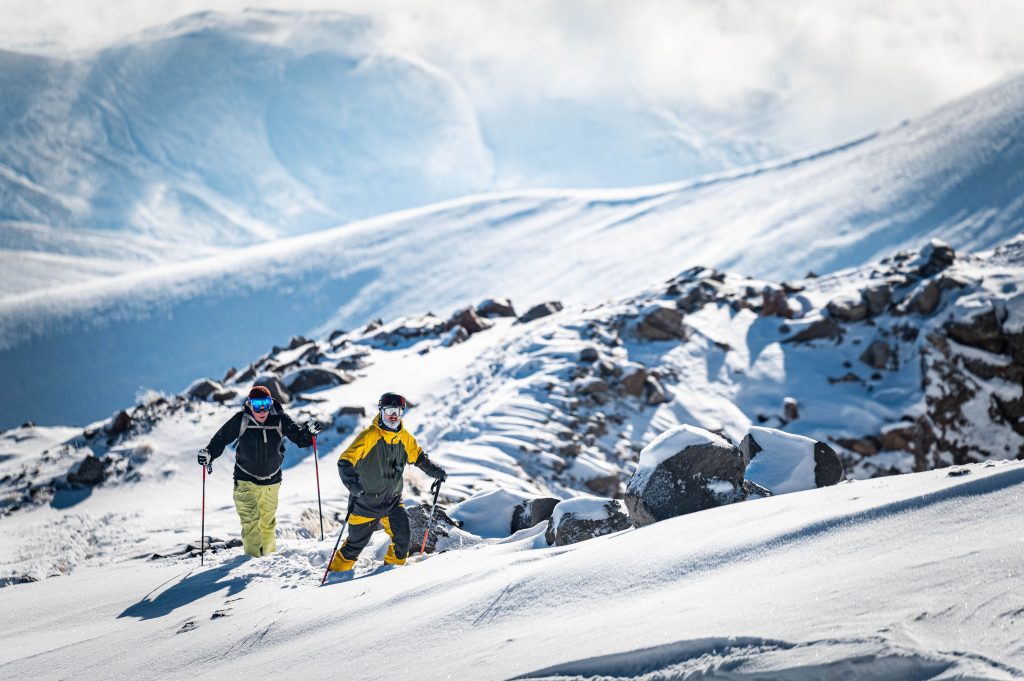
Jonny and Dan Egan skiing up to earn their turns, on Return to the Silk Road. Photo: Josh Laskin/Dan Egan/Jonny Egan. Review of Return to the Silk Road.
Every skier has seen it: “120 km of pistes!”, “Biggest linked ski area in the world — 600 km!”, “Over 400 km of slopes!” These numbers sound impressive — and they’re meant to. But how accurate are they?
After watching the video referenced in Unofficial Networks’ recent article “A Skier’s Guide to Ski Resort Statistics”, I went down the rabbit hole again of how ski areas calculate their “kilometres of pistes.” The video explains a simple but powerful truth: ski-resort statistics aren’t always as straightforward as they look, and—especially in Europe—studies have shown that many resorts “stretch” their totals through creative measurement.
Below is a guide to understanding what these numbers really mean, what several European investigations have uncovered, and how you can interpret piste statistics more intelligently—whether you’re choosing your next ski holiday, packaging a product as a tour operator, or simply love understanding the truth behind resort marketing.
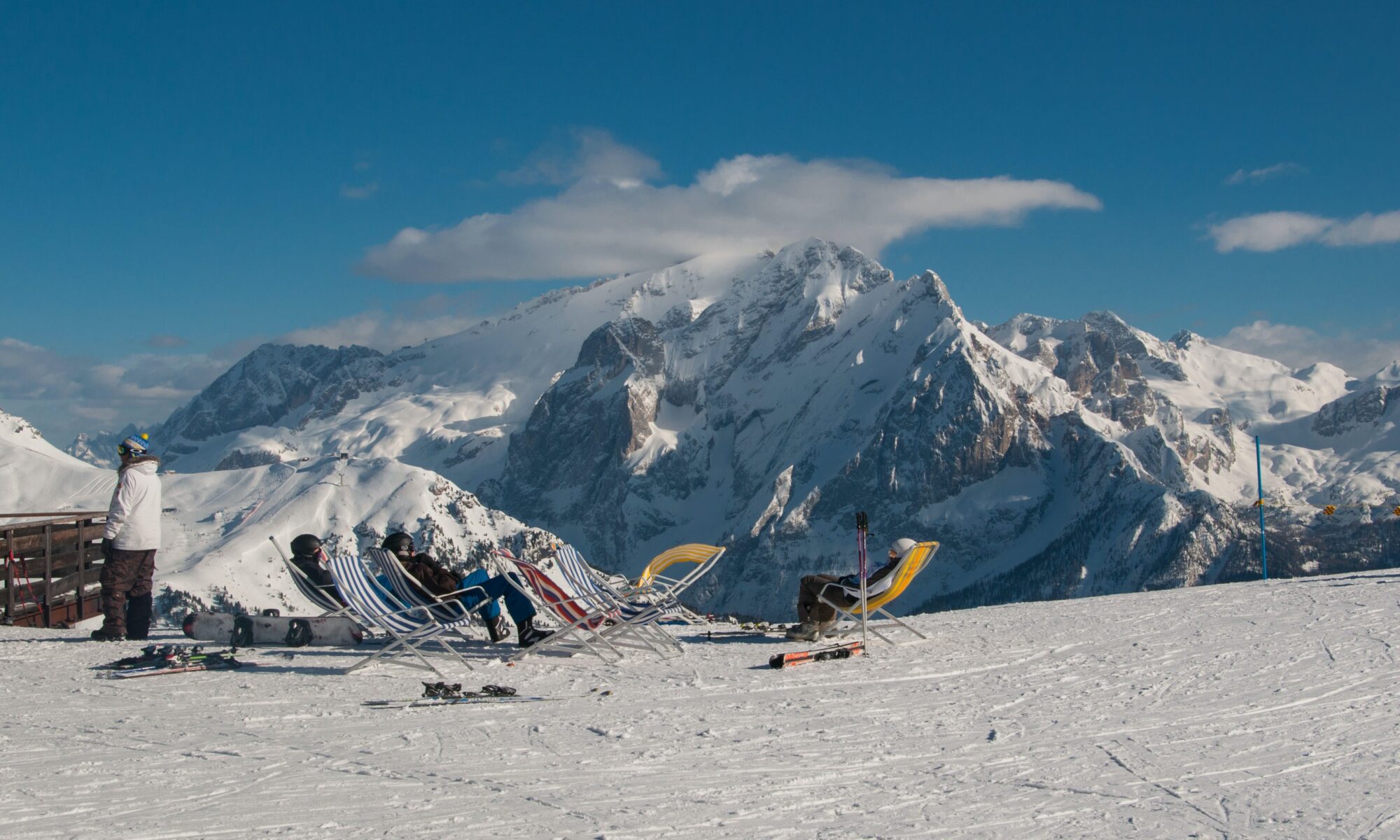
Three skiers enjoying the snow and views of Banff Sunshine Village. Photo: Banff Sunshine Village Resort. Unsplash. How Ski Resorts Measure Kilometres of Pistes — And Why the Numbers Can Be Misleading.
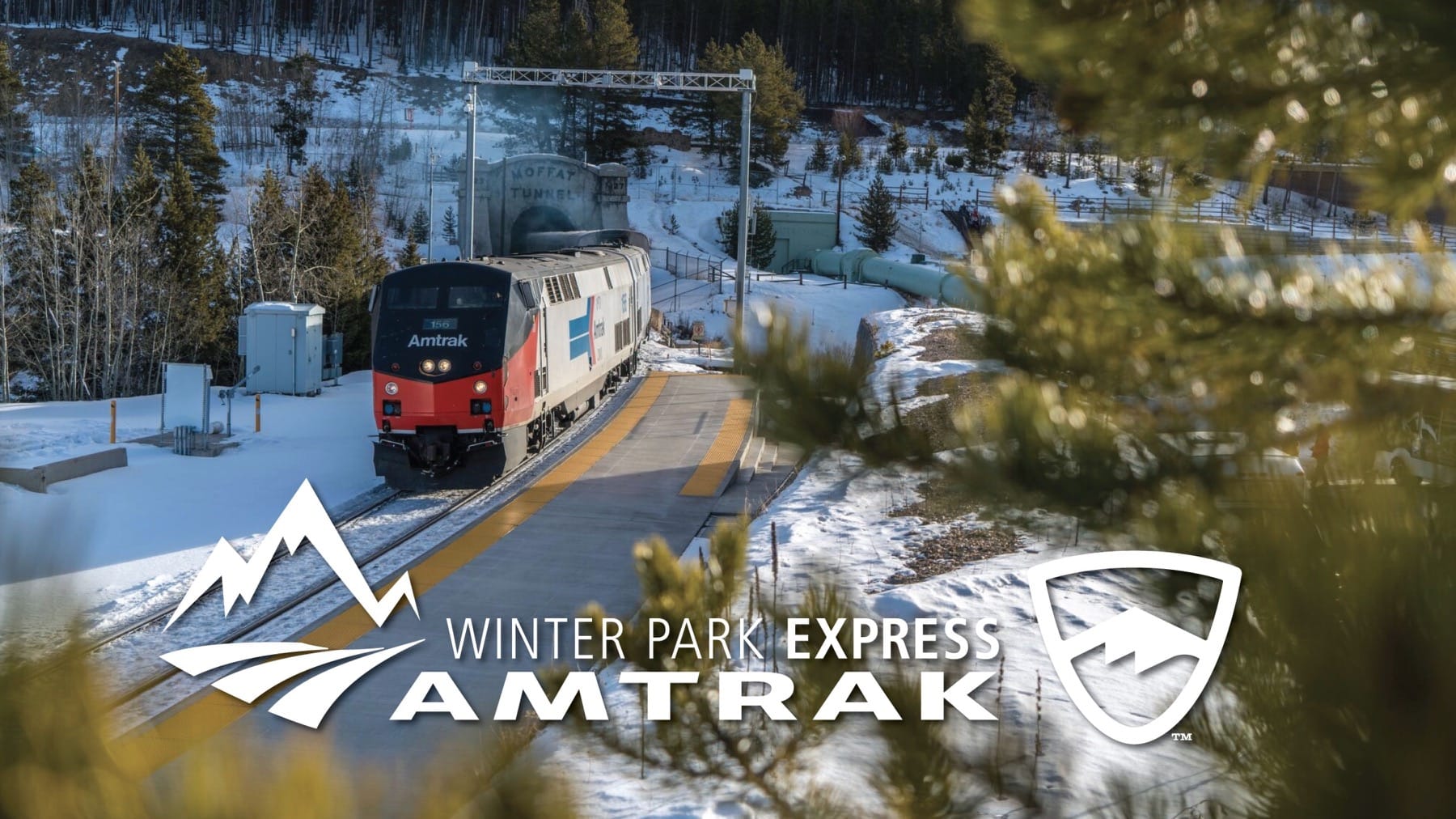
Imagine waking up in Denver, stepping onto a train, and two hours later you’re skiing the crisp slopes of the Rockies — no rental car, no winter traffic stress, just straight to powder. That’s exactly what’s back this winter with the Winter Park Express, and it’s worth your attention.
This article may contain affiliate/compensated links. For full information, please see our disclaimer here. Some links on my website may not function properly if ad blocker is enabled.
🗓️ What’s New This Season
The Winter Park Express kicks off with holiday runs starting December 19-21 and December 26-28, 2025. Then regular service opens on January 8, 2026, running Thursdays through Sundays through March 29. And yes — tickets start at just US $9 (kids $4.50). Amtrak Media
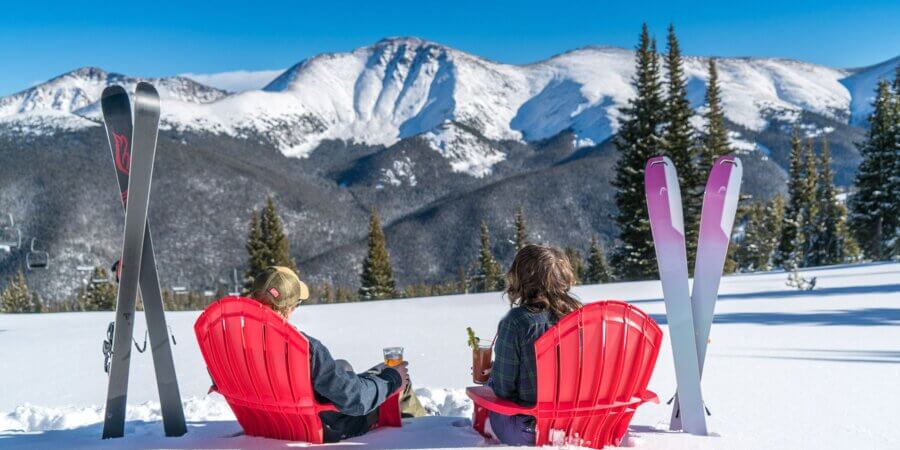
You can take your train in Denver, and in two hours be here. Photo: Winter Park. Lunch Rock Sunchairs. CFrey. 🚂 All Aboard the Snow Train: Winter Park Express Returns for Winter 2025-26!
🚡 Why This Matters for Mountain Travel
Ease & convenience: The train departs from Denver Union Station at 7:00 a.m., arrives at the resort around 9:11 a.m., ready for first lifts.
Breathtaking route: You’ll ride through mountain corridors, avoiding winter driving altogether. Wide‐reclining seats, panoramic lounge… the ride becomes part of the adventure.
Eco & impact smart: With traffic reduced and the state of Colorado backing the route, it’s a more conscious way to reach the slopes.
Flexibility for groups: Operators can book group travel (9-14 or 15+), making this appealing for ski tour operators and multi-destination guests.
Enjoyed this post? Get my latest ski guides, weather insights, resort updates and travel tips directly in your inbox. Subscribe to The-Ski-Guru here.
Manage Cookie Consent
To provide the best experiences, we use technologies like cookies to store and/or access device information. Consenting to these technologies will allow us to process data such as browsing behavior or unique IDs on this site. Not consenting or withdrawing consent, may adversely affect certain features and functions.
Functional
Always active
The technical storage or access is strictly necessary for the legitimate purpose of enabling the use of a specific service explicitly requested by the subscriber or user, or for the sole purpose of carrying out the transmission of a communication over an electronic communications network.
Preferences
The technical storage or access is necessary for the legitimate purpose of storing preferences that are not requested by the subscriber or user.
Statistics
The technical storage or access that is used exclusively for statistical purposes.The technical storage or access that is used exclusively for anonymous statistical purposes. Without a subpoena, voluntary compliance on the part of your Internet Service Provider, or additional records from a third party, information stored or retrieved for this purpose alone cannot usually be used to identify you.
Marketing
The technical storage or access is required to create user profiles to send advertising, or to track the user on a website or across several websites for similar marketing purposes.









 Subscribe to The-Ski-Guru here.
You must be logged in to post a comment.