What Is Famille Plus? France’s Family Ski Resort Label Explained

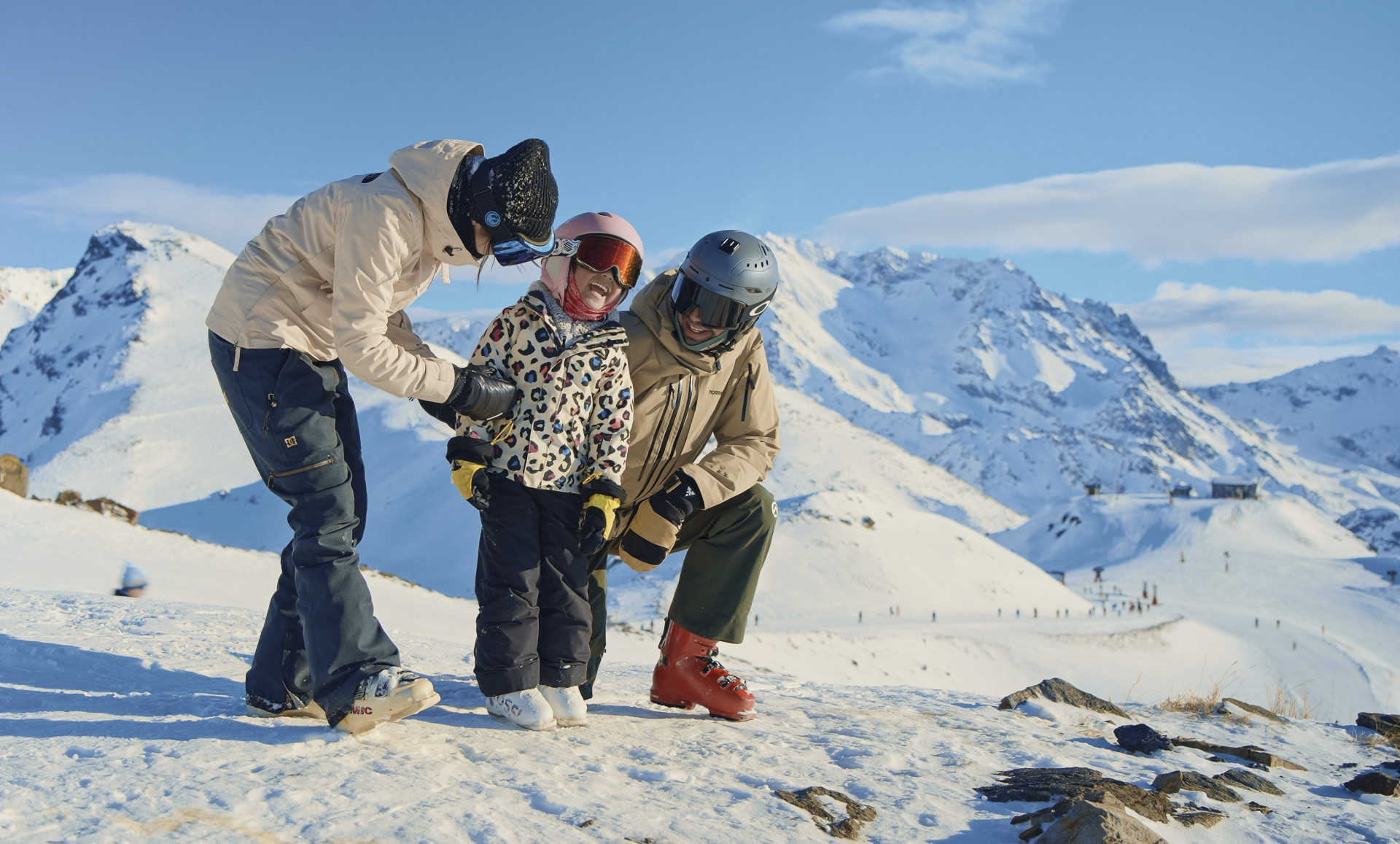
Les Menuires- a Famille Plus resort. Photo credit: Friendly Menuires. https://en.locationlesmenuires.com/

Choosing a ski resort with children involves much more than checking the piste map. Childcare, ski-school arrangements, places to eat and activities for the afternoon can make a considerable difference to the holiday.

In France, Famille Plus is a national tourism label designed to help families identify destinations that have committed to meeting those needs.

For winter 2026/27, there is also a new name to know: La Norma, which France Montagnes identifies as newly labelled in 2026.

What does the Famille Plus label mean?

Famille Plus recognises a destination’s approach to welcoming families, covering services and facilities across the resort.

The programme is supported by the French state services responsible for tourism and operates across four types of destination: mountain, seaside, countryside and city.

Its criteria cover information, entertainment, activities, environmental and heritage discovery, accommodation, restaurants, shops, transport, facilities and family pricing. That makes it relevant to the whole holiday, including time spent away from the slopes. Vivre ensemble de belles expériences

Continue reading “What Is Famille Plus? France’s Family Ski Resort Label Explained”

French Ski Pass Prices 2026/27: From €13.40 in Bessans to €84.20 in Les 3 Vallées

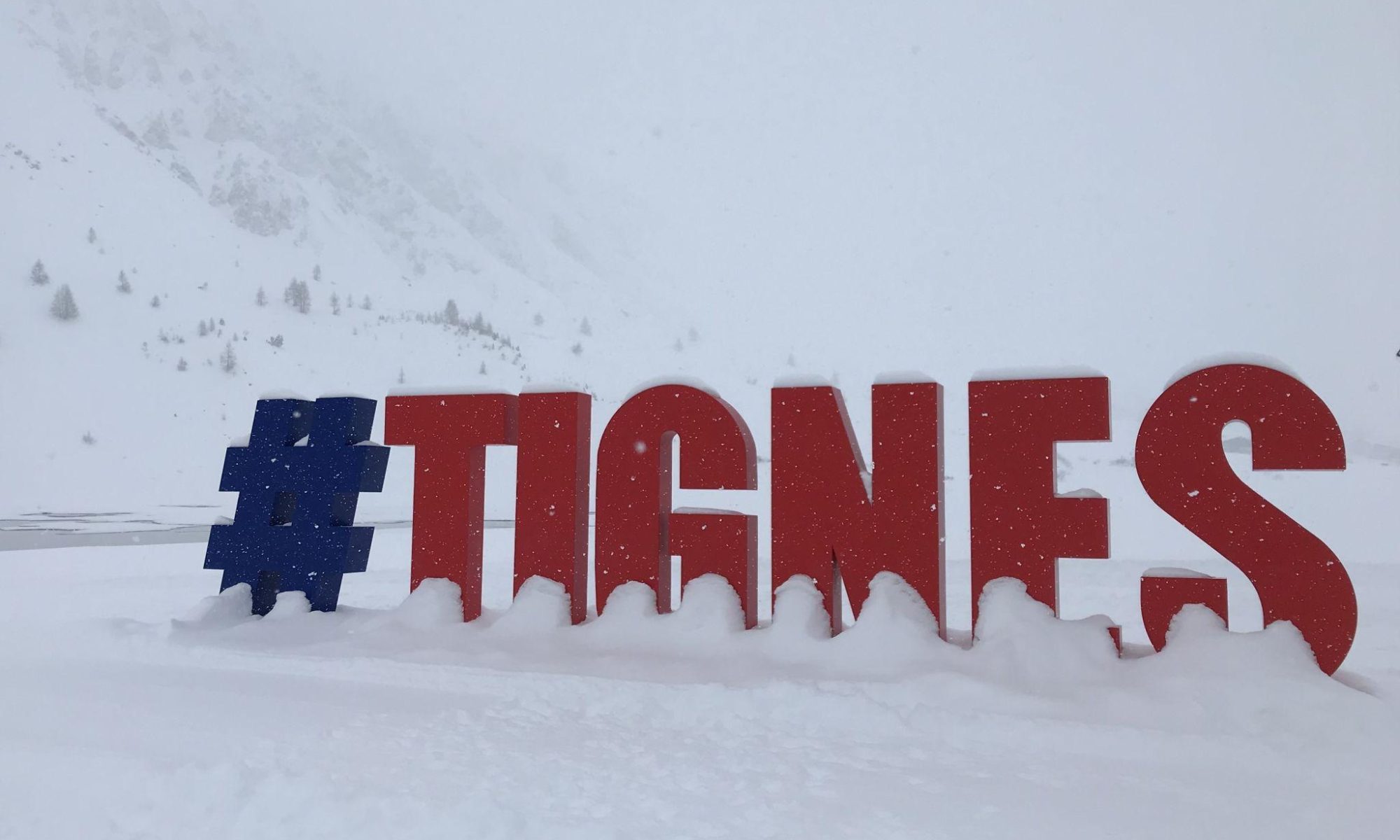
Big snowstorm in Tignes. Photo: Tignes TO..

An adult day ski pass costs €13.40 in Bessans and €84.20 in Les 3 Vallées in winter 2026/27. Both are in Savoie, but the tickets buy very different days on snow. Bessans has 3 km of downhill pistes, while Les 3 Vallées links 600 km. And if you’re booking a week, the order changes. A six-day adult pass costs €421 in Les 3 Vallées and €468 in Tignes–Val d’Isère, where the six-day price includes a seventh ski day. Domaines Skiables de France · Les 3 Vallées · Tignes–Val d’Isère

Continue reading “French Ski Pass Prices 2026/27: From €13.40 in Bessans to €84.20 in Les 3 Vallées”

Les Houches’ Prarion Gondola Gets New Panoramic Cabins for Winter 2026/27

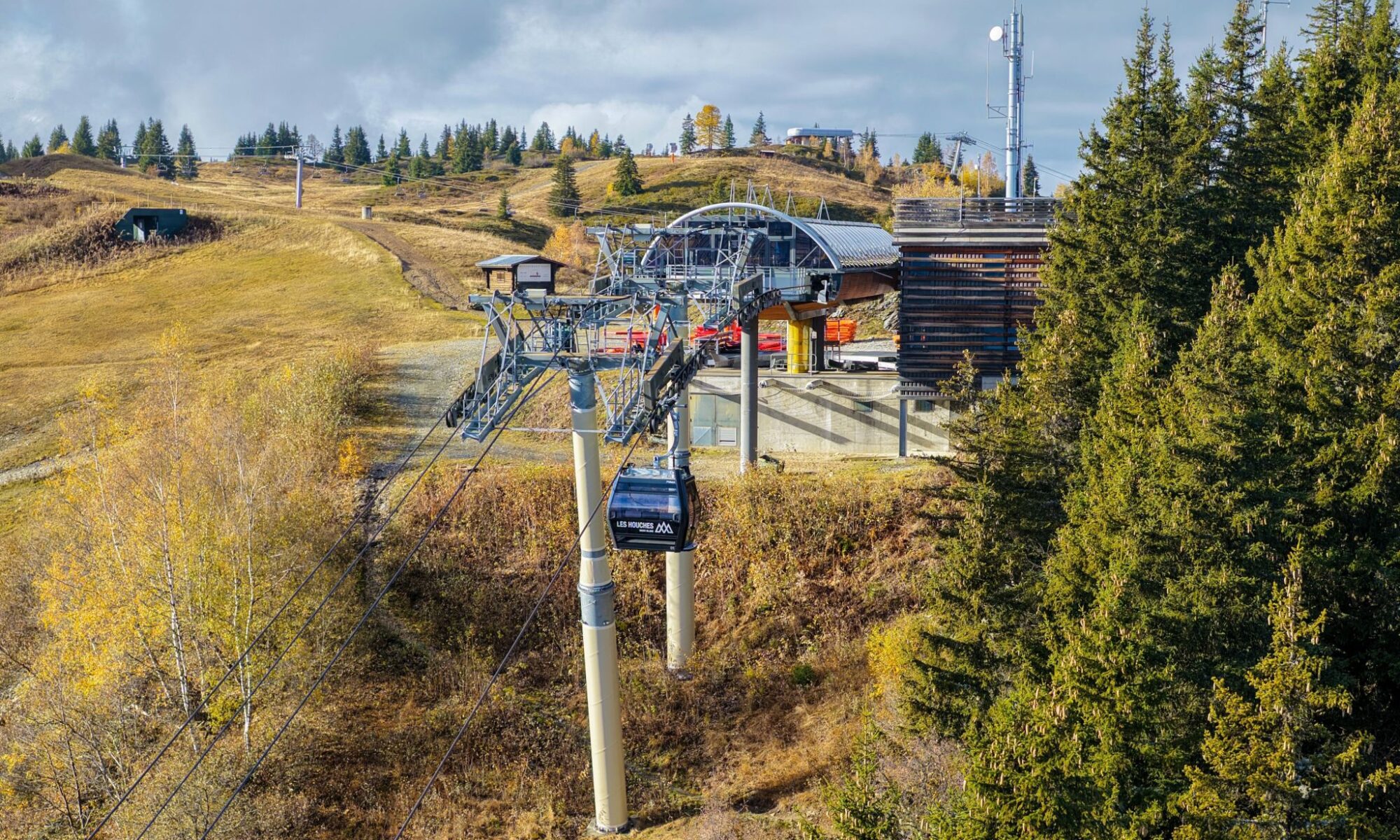
Télécabine du Prarion- Photo credit: Compagnie du Mont Blanc- Linkedin post.

The first new panoramic cabins are already on the Prarion gondola line in Les Houches–Saint-Gervais. The €2.16 million refurbishment will give skiers more room on the ride up and make it easier to get on and off the lift. It’s part of a wider programme to modernise the ski area in France’s Chamonix Valley by 2030.

What’s changing on the Prarion gondola?

The entire fleet of cabins on the existing Prarion gondola is being replaced for winter 2026/27. The new POMA cabins have panoramic windows and more space inside, while changes to the lift stations will make boarding and getting off easier.

Compagnie du Mont-Blanc says deliveries will continue over the next few weeks, followed by testing and commissioning.

Continue reading “Les Houches’ Prarion Gondola Gets New Panoramic Cabins for Winter 2026/27”

Ski Tourer Found Alive More Than 24 Hours After Maurienne Avalanche

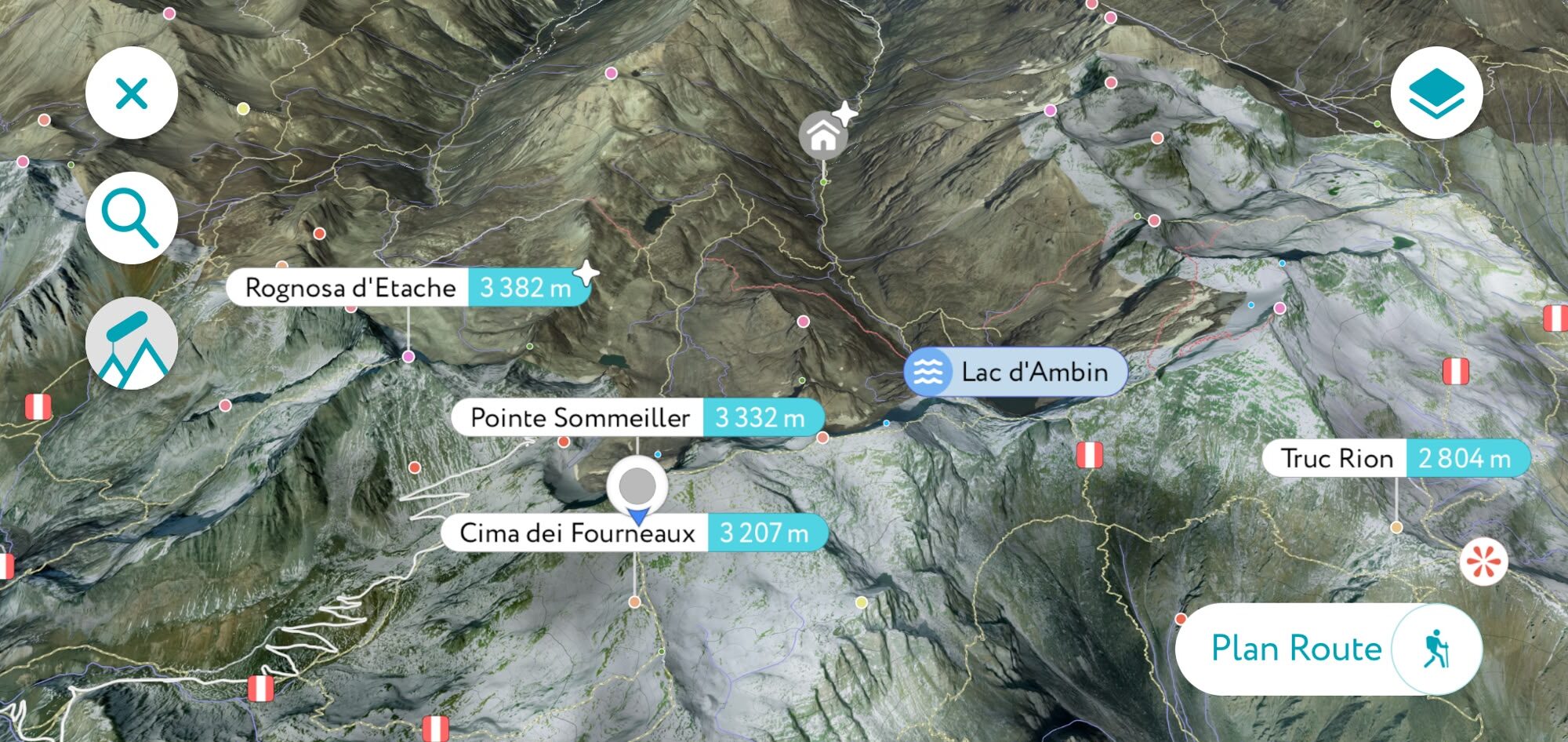
Pointe Sommelier- Image capture on Peak Visor.

A 39-year-old ski tourer has been rescued alive in the French Alps more than 24 hours after an avalanche swept him into a crevasse in the Maurienne valley, Savoie.

The accident happened on Sunday 8 November 2026 during an ascent towards Pointe Sommeiller. Rescuers recovered him on Monday 9 November with serious leg injuries and hypothermia.

A new TF1 report, broadcast on Tuesday 10 November, includes his account from hospital in Grenoble, adding details about how he survived until help arrived.

A weekend tour followed by an avalanche

According to Le Dauphiné Libéré, the man left Bramans on Saturday 7 November and spent the night at the Ambin refuge.

He continued towards Sommeiller on Sunday morning. The newspaper reports that he removed his skis and began climbing a steep couloir on crampons when a slab avalanche released, sweeping him into a crevasse.

The sequence explains the different dates in early coverage: his outing began on Saturday, while the avalanche occurred on Sunday.

Continue reading “Ski Tourer Found Alive More Than 24 Hours After Maurienne Avalanche”

Where Do Ski Resort Workers Live? Aosta Valley and Haute-Savoie Look for Answers

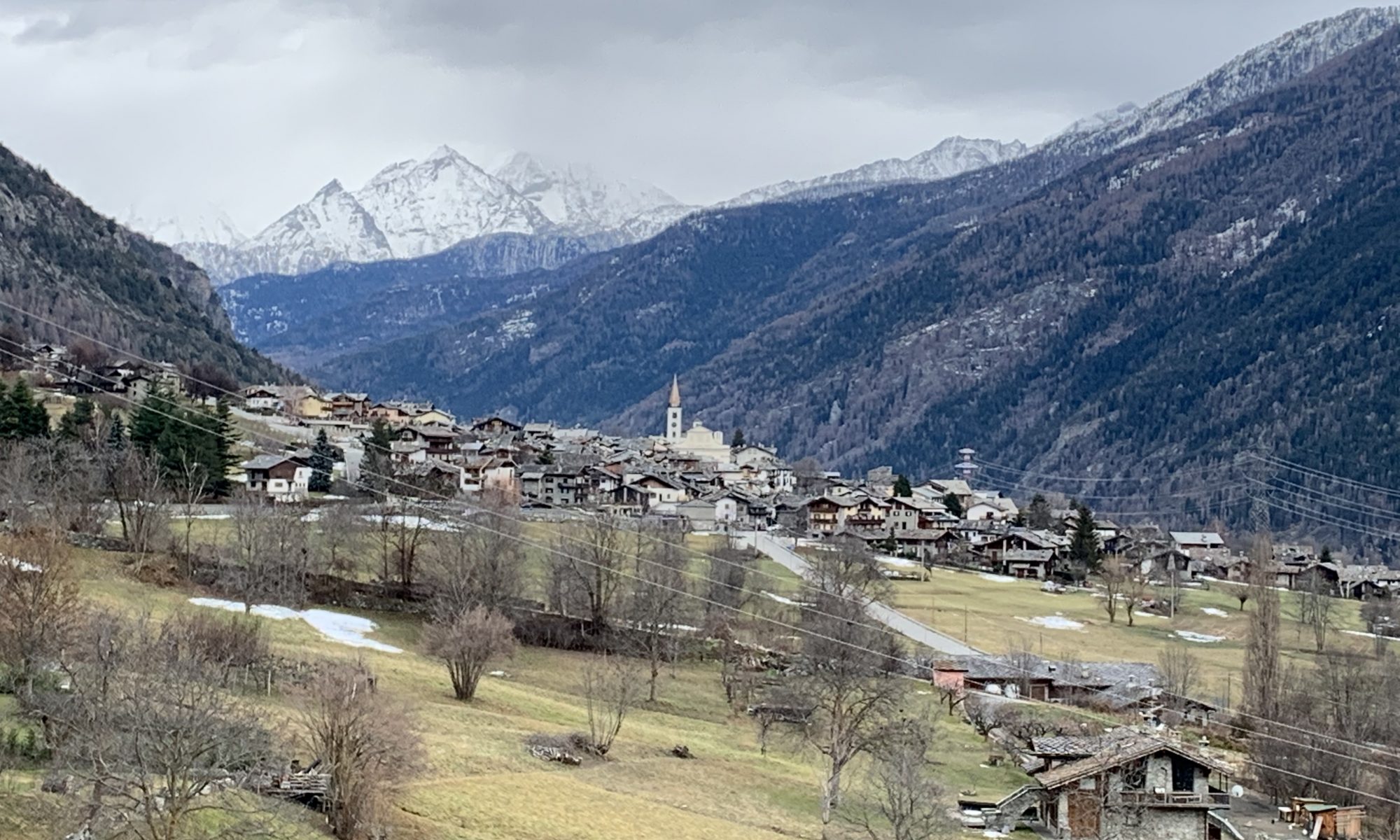
A view of La Salle, in the Valdigne of the Aosta Valley, from the distance of Tsantamerla. Photo: The Ski Guru

The people who check you into your hotel, serve lunch on the mountain and keep the lifts running all need somewhere to live for the season. In the upper Aosta Valley and across the border in Haute-Savoie, local authorities are looking at how to make that easier. One proposal on the Italian side is to turn an existing public building into accommodation for seasonal workers.

A shared problem on both sides of Mont Blanc

On 28 October 2026, representatives from Italy’s Valdigne and France’s Arve Valley met in Courmayeur to discuss seasonal worker housing. The meeting was part of Parcours+ SAISON, a cross-border project backed by the EU’s Interreg France–Italy ALCOTRA programme. 

Continue reading “Where Do Ski Resort Workers Live? Aosta Valley and Haute-Savoie Look for Answers”

Mont Blanc Is Growing Again — But What Does Its New Height Really Tell Us?

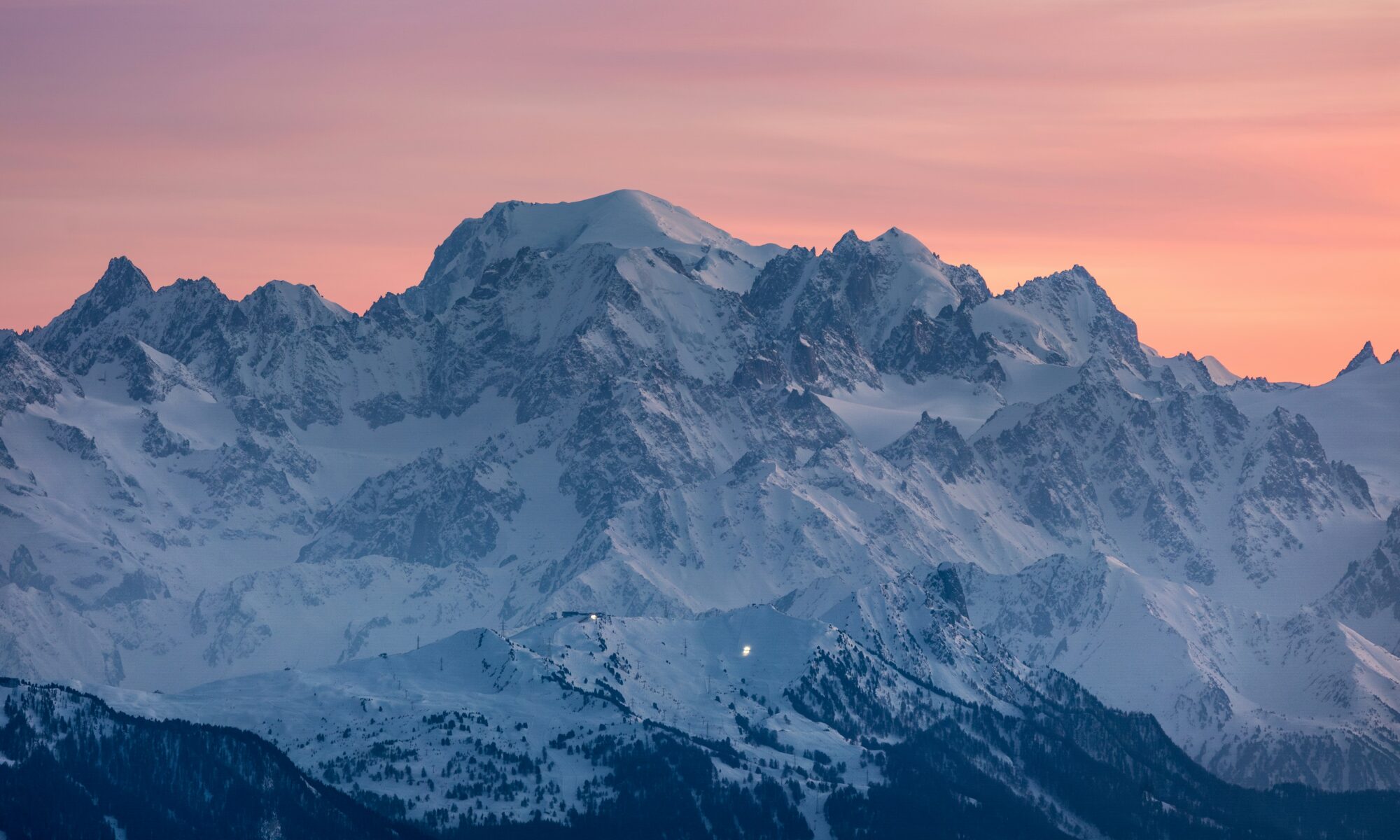
Mont Blanc seen from the French side. Photo credit: Marek Piwnicki. Unsplash.

Europe’s highest Alpine summit has gained nearly two metres since 2023, but scientists warn that changes in its snowy peak should not be confused with the wider retreat of Alpine glaciers.

Mont Blanc, the highest mountain in the Alps and Western Europe, has a newly confirmed altitude: 4,807.47 metres above sea level.

The figure was officially announced on 14 October 2026 following a French scientific expedition to the summit in September.

The measurement represents an increase of 1.88 metres compared with 2023, when Mont Blanc stood at 4,805.59 metres.

However, there is an interesting twist: the mountain is actually 1.29 metres lower than it was in 2025.

So, is Mont Blanc growing or shrinking? And what does this tell us about climate change in the Alps?

Continue reading “Mont Blanc Is Growing Again — But What Does Its New Height Really Tell Us?”

Where There Was Once Ice, Suspension Bridges Now Span the Gaps Above Chamonix’s Mer de Glace

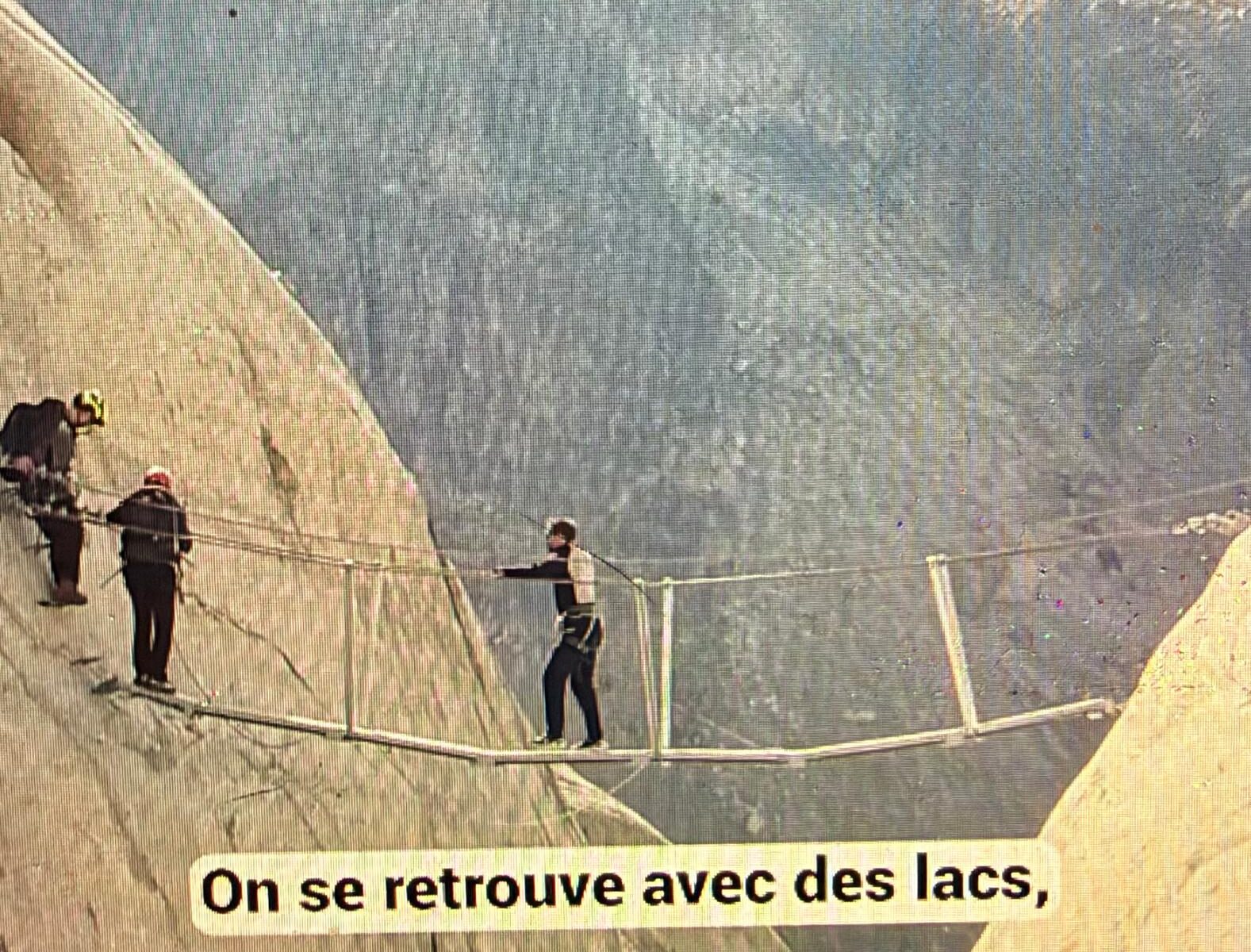
Hanging Bridge in Chamonix's Mer de Glace. Screenshot of FB post of Le Dauphiné Libéré

Three Himalayan-style suspension bridges above the Mer de Glace highlight how glacier retreat is forcing Chamonix to rethink mountain access, hiking routes and the infrastructure needed to keep the high Alps accessible.

For generations, glaciers provided natural passages through the Alps. Today, in some places, their retreat is leaving behind steep rock faces, unstable terrain and deep gaps that require entirely new solutions.

Above Chamonix’s famous Mer de Glace, three suspension bridges now illustrate this transformation particularly vividly.

The structures, described as Himalayan-style footbridges, allow mountaineers and experienced hikers to cross sections of the Balcons de la Mer de Glace where the changing landscape has made traditional routes increasingly difficult.

French regional newspaper Le Dauphiné Libéré reported on the bridges on 13 October 2026, followed by a video report on 14 October showing local officials inspecting the installations.

Continue reading “Where There Was Once Ice, Suspension Bridges Now Span the Gaps Above Chamonix’s Mer de Glace”

Tour du Mont Blanc Moves to Rein In Overtourism as Visitor Numbers Soar

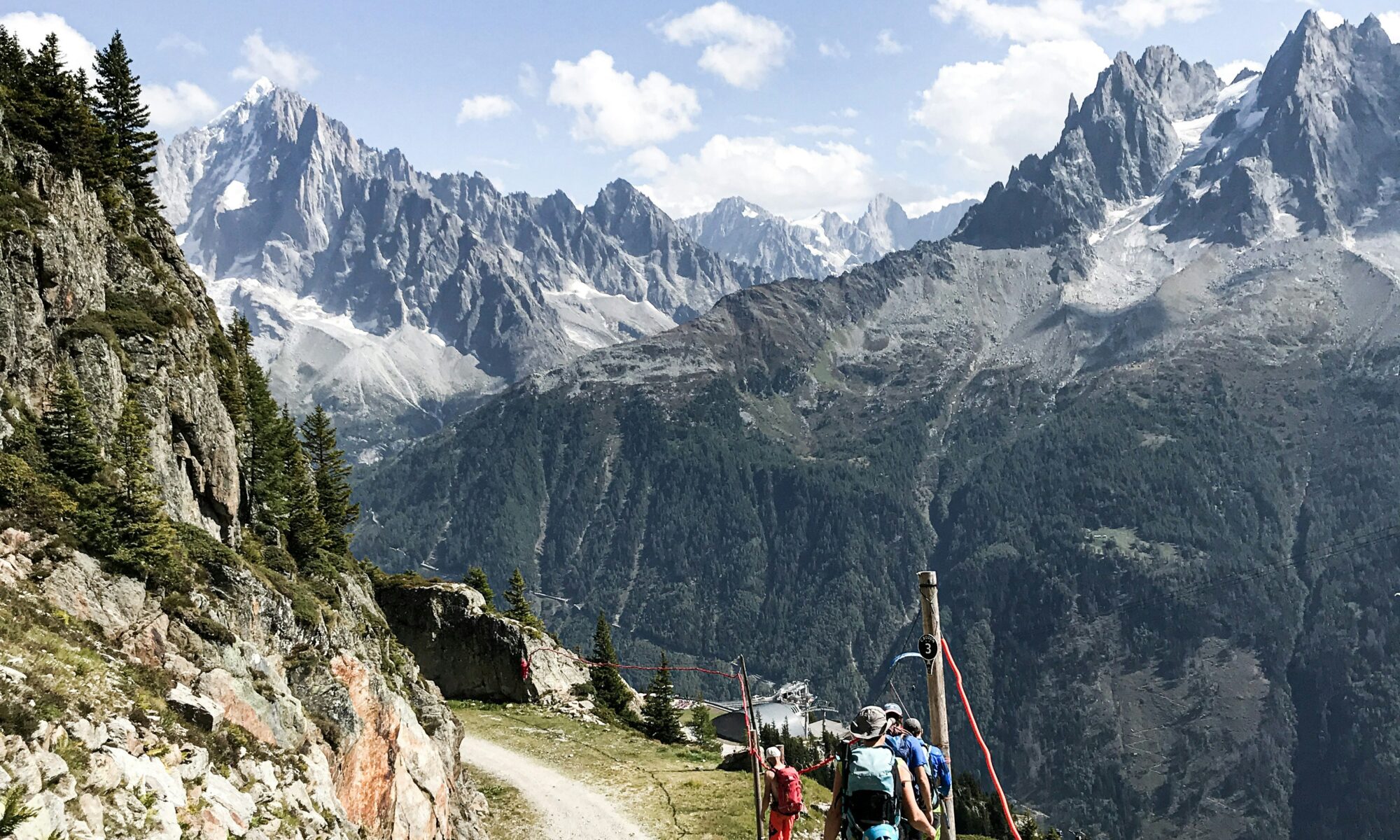
Chamonix Mont Blanc. Photo credit: Antoine de Barquin. Unsplash.

One of the Alps’ most famous long-distance hiking routes could face tighter controls from 2027, as local authorities and mountain professionals seek to curb wild camping, environmental damage and increasingly crowded trails.

The days of treating the Tour du Mont Blanc as an unrestricted hiking route may be coming to an end.

Local authorities and mountain professionals on the French side of the Mont Blanc massif have agreed on the principle of a new charter aimed at better managing one of Europe’s most popular long-distance treks, following another summer of exceptionally heavy use.

The Tour du Mont Blanc — generally known simply as the TMB — covers around 170 kilometres and approximately 10,000 metres of elevation gain as it circles the Mont Blanc massif through France, Italy and Switzerland.

The rapid increase is now raising concerns about erosion, biodiversity, sanitation, safety and the overall experience of walking one of the Alps’ classic routes.

“The open-bar approach is over”

Representatives of the seven French municipalities crossed by the TMB met in September alongside refuge and campsite operators, mountain guides, transport companies, environmental organisations and French state services.

Among the proposals being developed are the systematic reservation of recognised accommodation during the summer season and stronger restrictions on wild camping.

Jean-Marc Peillex, mayor of Saint-Gervais-les-Bains and president of the Communauté de Communes Pays du Mont-Blanc, told AFP that the aim was not to prohibit access to the mountains, but to organise it.

His description of the change was considerably more colourful: the “open-bar” approach, he said, was over.

Other measures being considered include improving authorised bivouac areas with basic facilities, limiting the size and weight of luggage transported between stages, reducing the movement of large suitcases by taxi and potentially establishing a “green brigade” to help enforce local regulations.

Quotas, however, are not currently part of the proposals.

Not all the new rules are decided yet

The direction is clear, but exactly how the system will work is still being negotiated.

The charter is being finalised, and there are differences among local authorities and tourism professionals over how far regulation should go.

One of the most significant ideas is that, from 2027, hikers completing the TMB could be required to have accommodation booked in advance.

But this should not yet be interpreted as a finalised three-country permit system for the entire Tour du Mont Blanc.

The route crosses France, Italy and Switzerland, making coordinated regulation significantly more complicated. Any comprehensive system would ultimately need to account for rules and authorities on all three sides of the massif.

Wild camping is already restricted in several areas

The changes would also build on restrictions that already exist.

Wild camping and bivouacking are not freely permitted everywhere along the Tour du Mont Blanc.

In parts of the French side, including protected areas of the Aiguilles Rouges massif, hikers must already reserve designated bivouac spaces. Vallorcine also prohibits wild camping across its municipal territory outside the specific rules governing nature reserves.

The proposed charter would therefore move towards a more consistent approach rather than introducing regulation from scratch.

A route struggling with its own success

The debate reflects a wider challenge facing the Alps.

Mountain destinations have spent decades encouraging summer tourism as a way of reducing their dependence on skiing and building a stronger year-round economy.

The success of routes such as the Tour du Mont Blanc shows how effective that strategy can be — but also where its limits may lie.

Heavy concentrations of hikers can damage vegetation, accelerate trail erosion and put pressure on water, sanitation and waste infrastructure. Local officials have also complained about inappropriate behaviour, including illegal camping and hikers leaving human waste in the landscape.

At the same time, the TMB has become an important source of summer income for refuges, hotels, restaurants, guides and communities along the route.

That makes the challenge less about keeping visitors away than deciding how many people fragile mountain environments can accommodate — and how those visitors should move through them.

Planning the Tour du Mont Blanc in 2027

For hikers already considering the Tour du Mont Blanc next summer, advance planning will become increasingly important regardless of what final form the new charter takes.

The official Tour du Mont Blanc accommodation platform says reservations for summer 2027 will open on 15 October 2026.

It already strongly recommends booking refuges ahead, warning that the most popular properties can fill several months in advance.

The final rules for 2027 are still taking shape.

But after a summer in which more than 90,000 people reportedly circled the Mont Blanc massif, the message from local authorities is becoming increasingly difficult to miss: one of the Alps’ most famous trails can no longer be managed as though its capacity were unlimited.

Read More

Sources

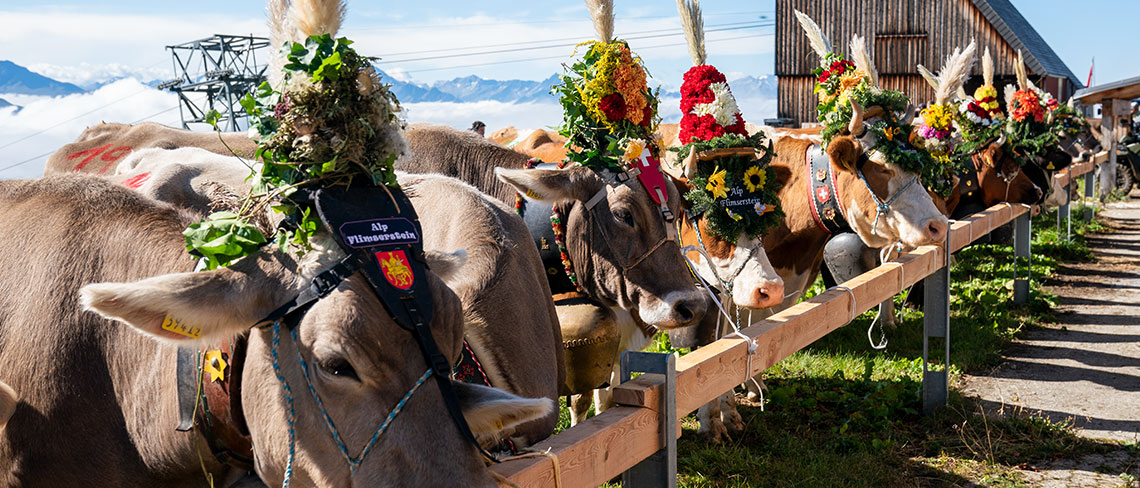
Where to See the Alps’ Traditional Cow Parades in Autumn 2026

Laax Much Loved Descent of the Cows Festival Returns this September. Photo credit: Laax/Rooster PR

From the Dézarpa in Italy’s Aosta Valley to Switzerland’s Désalpe and Austria’s colourful Almabtrieb, September and October mark one of the Alps’ most atmospheric traditions: the return of cattle from their high summer pastures.

As summer draws to an end in the Alps, another season begins — announced not by ski lifts or the first snowfall, but by the sound of cowbells.

Across Italy, Switzerland, Austria and France, cattle that have spent the warmer months grazing on high-altitude pastures begin their journey back down to farms in the valleys.

The tradition has different names across the Alps. In the Aosta Valley it is known as the Dézarpa, or Devétéya around Cogne. In French-speaking Switzerland it is the Désalpe, while German-speaking regions use Alpabzug or Alpabfahrt. Across Austria and South Tyrol, visitors will hear Almabtrieb. In parts of the French Alps, the return of the herds is known as the descente des alpages or démontagnée.

Whatever the name, the principle is the same.

Continue reading “Where to See the Alps’ Traditional Cow Parades in Autumn 2026”

Mer de Glace Ice Cave Turns 80 — But May Have Only a Few Years Left

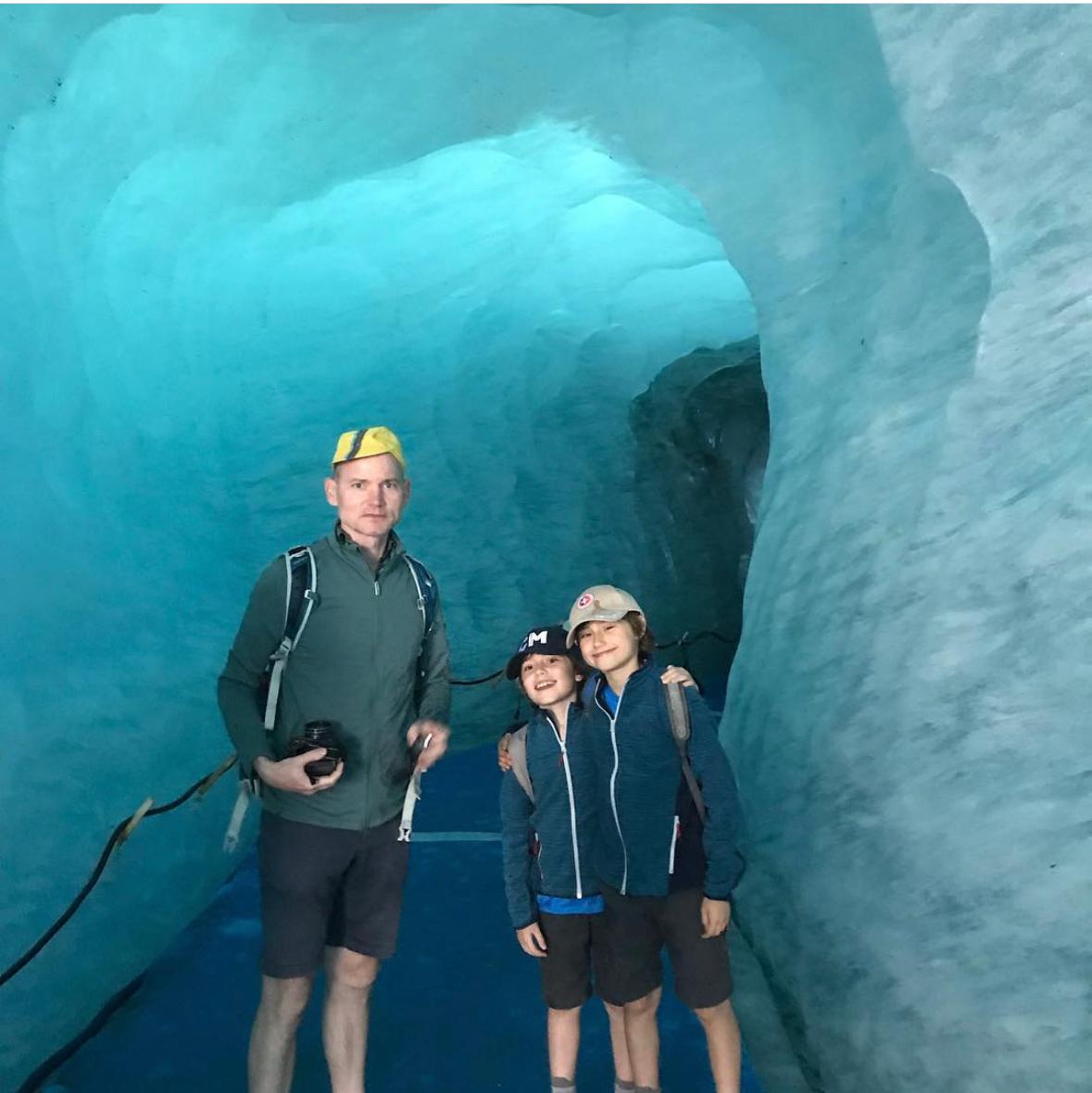
My husband and sons inside the Montenvers cave in 2018. Photo: The-Ski-Guru

The famous ice cave carved into the Mer de Glace above Chamonix is celebrating its 80th anniversary in 2026. But as the glacier continues to shrink, the family that has been carving it since 1946 knows the attraction may not survive to celebrate its centenary.

For eight decades, workers have returned to the Mer de Glace above Chamonix to carve a new passage into the moving glacier.

The famous Grotte de Glace, or Ice Cave, was first created in 1946 by Georges Claret. Three generations later, his grandson Benjamin Claret continues a family tradition that has become one of Chamonix’s best-known tourist attractions.

But its 80th anniversary comes with an increasingly uncertain future.

Continue reading “Mer de Glace Ice Cave Turns 80 — But May Have Only a Few Years Left”