Is the Future of Ski Resorts Becoming Local Again?

Black Mountain, operated by Indy Pass. Photo: Indy Pass.

As climate pressures, rising infrastructure costs, labour shortages and industry consolidation reshape skiing on both sides of the Atlantic, an unexpected trend is emerging: communities, municipalities and cooperative groups are increasingly stepping in to save, buy or directly influence ski areas they see as essential to local survival.

What once looked like isolated rescue stories is beginning to resemble a wider structural shift in how smaller ski resorts survive.

The latest example comes from Canada, where the Sault Ste. Marie Economic Development Corporation in Ontario stepped in to purchase the historic Searchmont Resort. Local officials described the ski hill as a “vital community asset” tied not only to tourism, but also to jobs, economic development and the wider identity of the region. The acquisition followed years of operational struggles and municipal support aimed at keeping the mountain open.

The story reflects a growing idea emerging across mountain regions: ski hills are increasingly being viewed less as standalone private businesses and more as strategic community infrastructure.

Continue reading “Is the Future of Ski Resorts Becoming Local Again?”

Labour, Housing, and Staffing Challenges in U.S. Mountain Towns. Who Keeps Ski Resorts Running?

Photo: Colorado Sun. Who Keeps Ski Resorts Running? Labour, Housing, and Staffing Challenges in U.S. Mountain Towns.

Labour, Housing, and Staffing Challenges in U.S. Mountain Towns. Who Keeps Ski Resorts Running?

Introduction

When people think about ski resorts in the United States, they picture powder days, chairlifts, and iconic destinations like Colorado’s high country or California’s Sierra Nevada. What remains largely invisible — but absolutely essential — is the workforce that keeps ski resorts running every day.

From lift operators and ski patrol to housekeeping staff, restaurant teams, drivers, instructors, and maintenance crews, U.S. ski resorts depend on thousands of seasonal and year-round workers. In many mountain towns, especially in Colorado and California, a significant portion of that workforce is made up of Latino and immigrant workers, many of whom have lived in these communities for years.

Who Keeps Ski Resorts Running?
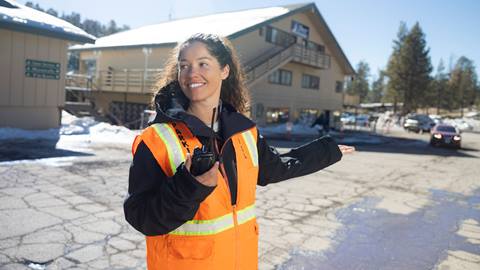
Labour, Housing, and Staffing Challenges in U.S. Mountain Towns. Photo: Big Bear Mountain Resort.

Across the U.S. ski industry, the challenge is no longer just attracting workers — but housing, retaining, and supporting them in places where living costs have soared.


The hidden workforce behind U.S. ski resorts

Ski resorts in the United States are labour-intensive operations. A single medium-to-large resort may require hundreds — sometimes thousands — of workers across:

Continue reading “Labour, Housing, and Staffing Challenges in U.S. Mountain Towns. Who Keeps Ski Resorts Running?”

Telluride Ski Patrol Strike: What’s Happening, What’s Been Agreed — and Why It Matters

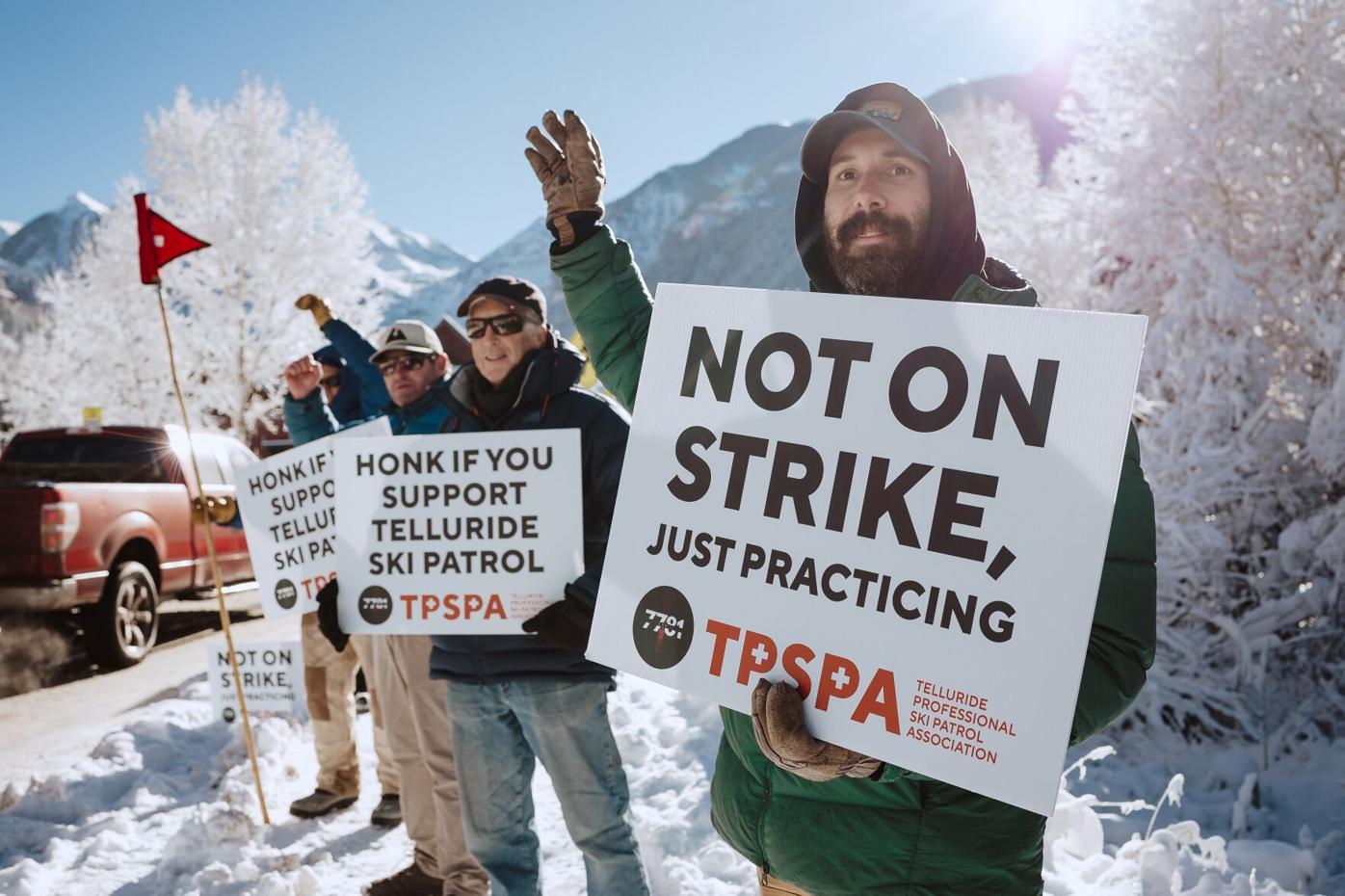
Telluride News photo: Telluride ski patrol is on strike. Telluride Ski Patrol Strike: What’s Happening, What’s Been Agreed — and Why It Matters.

Telluride Ski Patrol Strike Shuts Down Resort — What We Know

One of Colorado’s most iconic ski resorts has become the focal point of a major labor dispute this winter. The ski patrol strike at Telluride Ski Resort has already led to resort closures during the critical holiday period — an unusually strong signal of how unresolved workforce issues are increasingly affecting ski operations in North America.

Here’s where things currently stand, what (if anything) has been agreed, and whether similar actions are emerging elsewhere in the U.S. or Canada.

Telluride Resort Conflict – Full Coverage

Related articles:


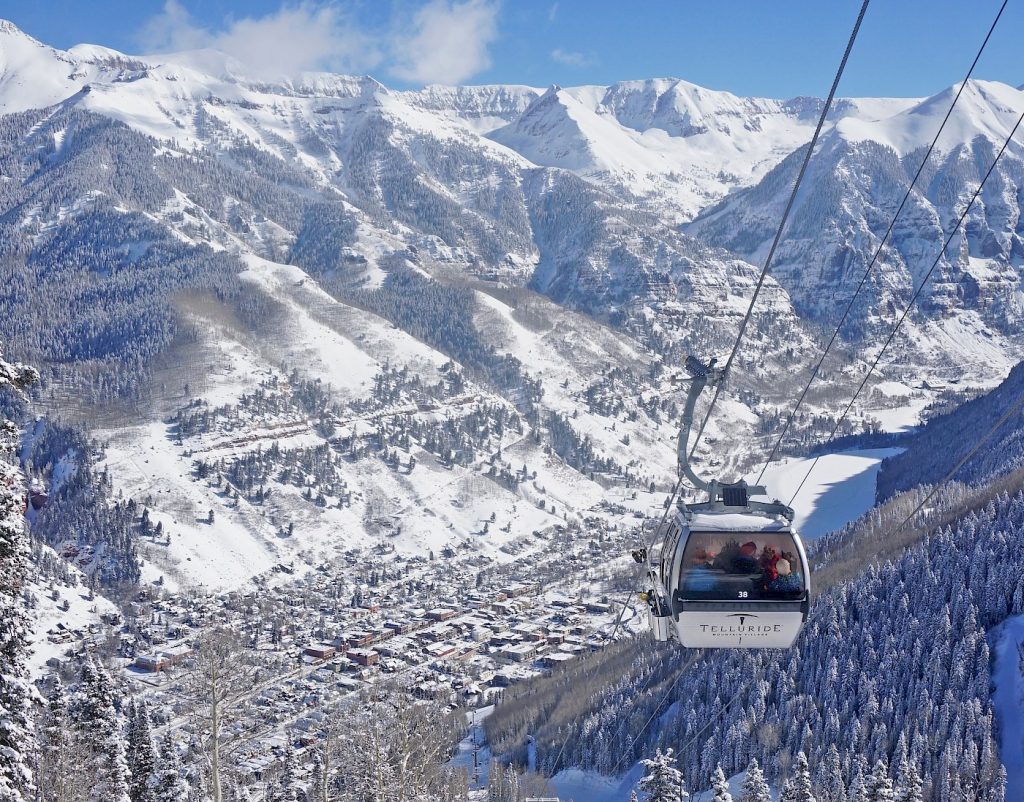
The beautiful ski resort of Telluride. Photo: Visit Telluride. Telluride Ski Patrol Strike: What’s Happening, What’s Been Agreed — and Why It Matters.

What Triggered the Telluride Ski Patrol Strike?

The dispute involves the Telluride Professional Ski Patrol Association (TPSPA), which represents the resort’s ski patrollers at Telluride Ski Resort.

Contract negotiations between patrol representatives and resort management had been ongoing for months, but talks failed to produce a new agreement before the previous contract expired. Central issues include:

Continue reading “Telluride Ski Patrol Strike: What’s Happening, What’s Been Agreed — and Why It Matters”

🌿🚡 The Cogne–Pila Cable Car: Environmental and Economic Questions Behind a Transformative Project

The lights sets on the mountains in Cogne. Photo: The-Ski-Guru.🌿🚡 The Cogne–Pila Cable Car: Environmental and Economic Questions Behind a Transformative Project.

Cogne–Pila Cable Car: Environmental and Economic Impacts

The debate around the proposed Cogne–Pila–Aosta cable-car link is far from over. While the Cogne municipal council recently voted unanimously to support the motion, the project raises deeper questions that go well beyond tourism and mobility to environmental and economic impacts.

UPDATE – October 2026: The Pila–Cogne cable car project has moved forward. Nine initial alternatives have now been narrowed down to three, with Alternative 3 emerging as the preferred option and estimated costs of €150–190 million. Read our latest update on the Pila–Cogne cable car project.

At its core, the project forces the Aosta Valley to confront a defining issue for Alpine regions today:
How do you balance economic development with environmental protection and cultural identity?

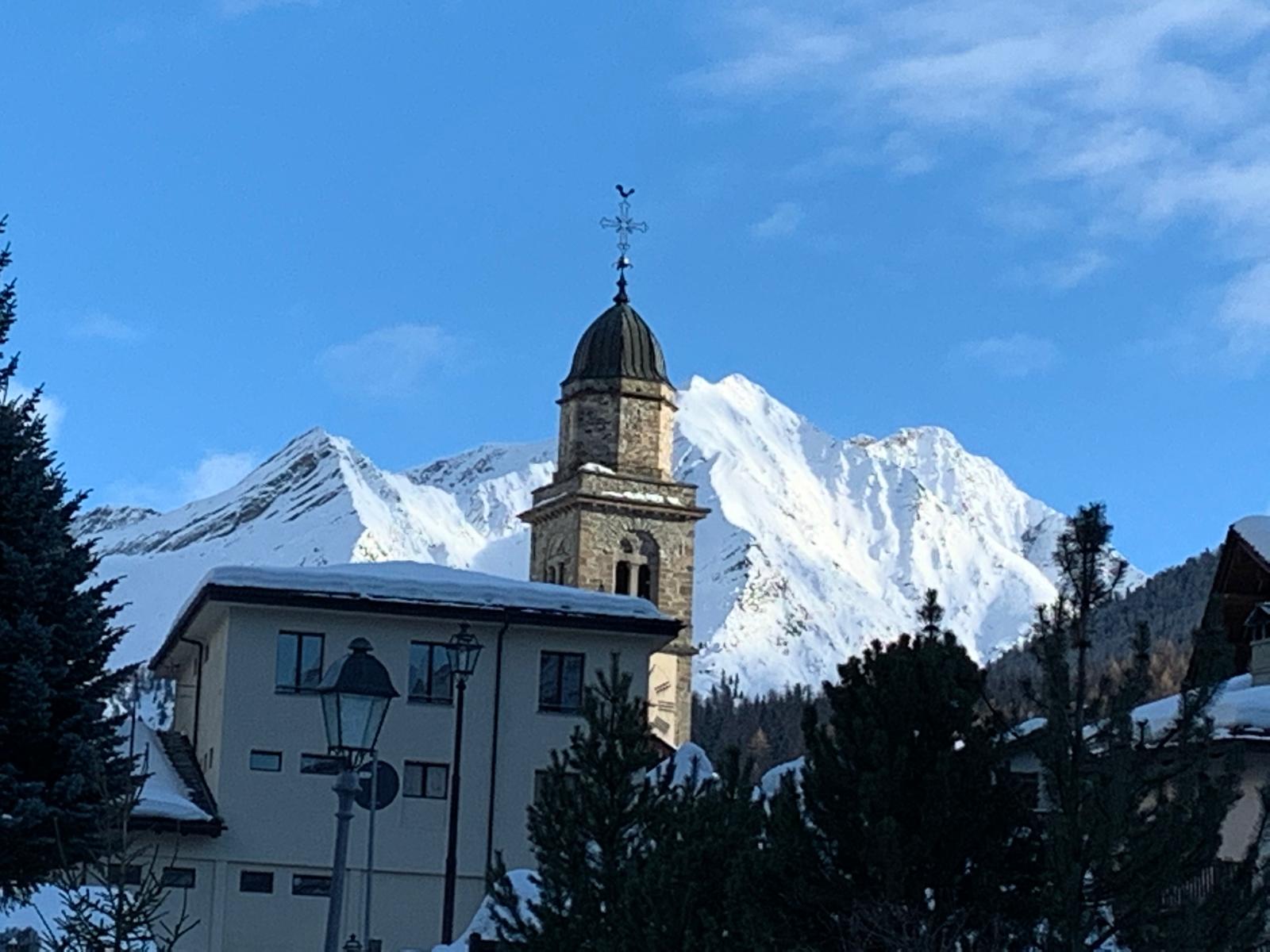
A winter's evening in Cogne. Photo: The-Ski-Guru. 🌿🚡 The Cogne–Pila Cable Car: Environmental and Economic Questions Behind a Transformative Project.
A winter’s evening in Cogne. Photo: The-Ski-Guru. 🌿🚡 The Cogne–Pila Cable Car: Environmental and Economic Questions Behind a Transformative Project.

🌱 1. Environmental Concerns: A Delicate Alpine Balance

Cogne is not a typical resort village. It sits at the entrance to Gran Paradiso National Park, one of Italy’s oldest and most protected natural areas. Its landscape, wildlife corridors, silence, and sense of pristine isolation are not accidents — they are the result of decades of careful restrictions, zoning, and community values.

Building a cable-car system in or near this protected environment raises several key concerns:

🦌 Wildlife Impact

Alpine ecosystems are fragile. Any infrastructure — pylons, cables, stations — may disrupt animal movement patterns, especially for species like ibex, chamois, and foxes that rely on quiet corridors.

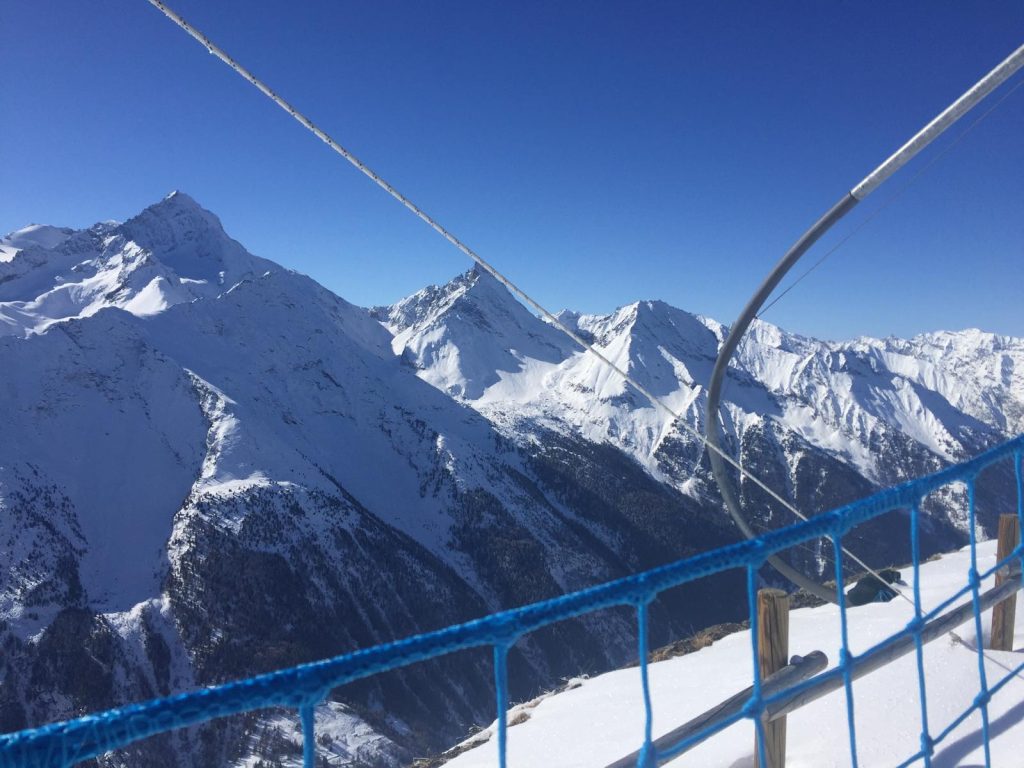
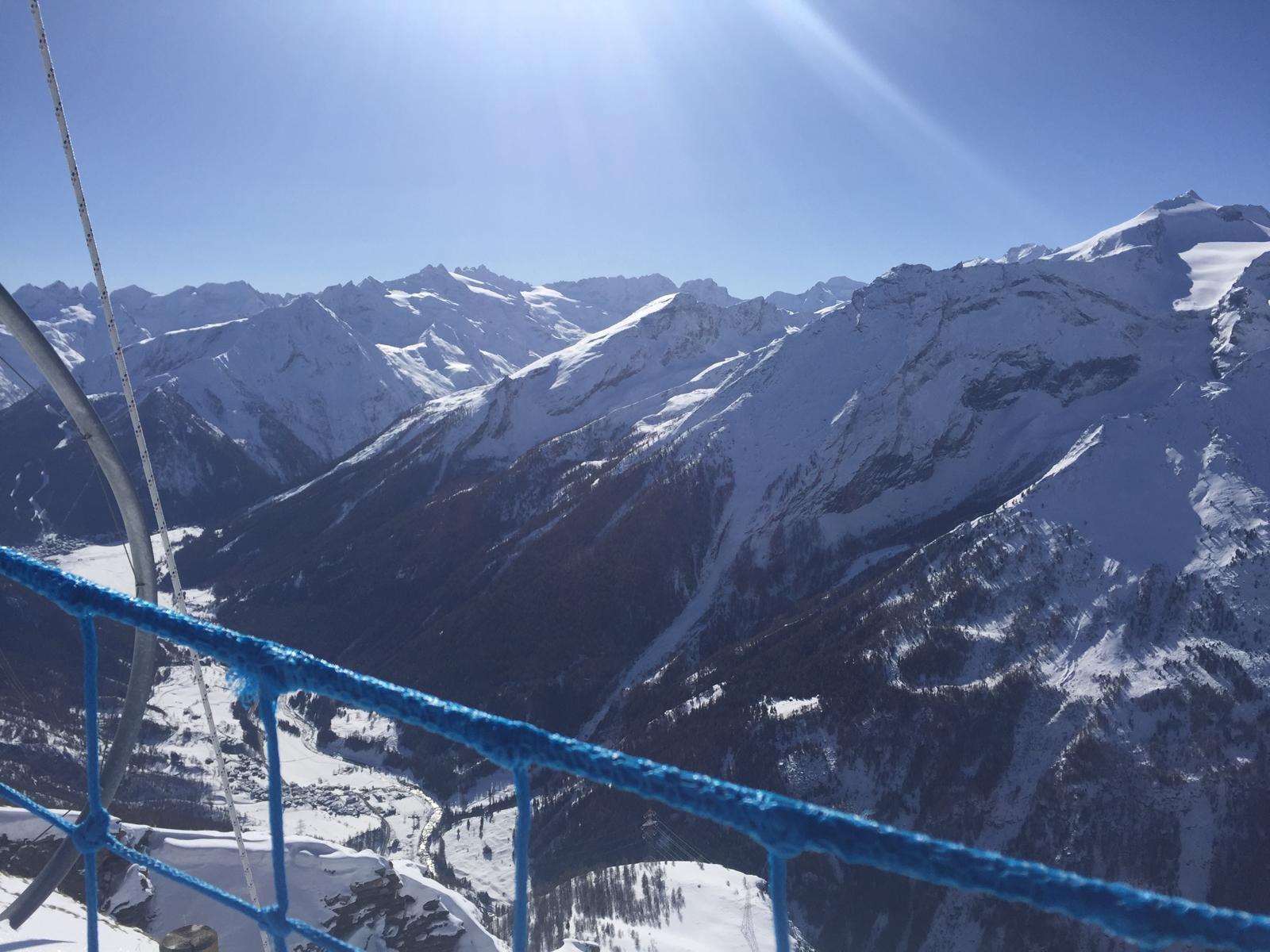
View from the top of Couis towards the Cogne valley. Photo: The-Ski-Guru.🌿🚡 The Cogne–Pila Cable Car: Environmental and Economic Questions Behind a Transformative Project.

Continue reading “🌿🚡 The Cogne–Pila Cable Car: Environmental and Economic Questions Behind a Transformative Project”

🚡 The Cogne–Pila Cable Car: Why the Debate Is Heating Up in the Aosta Valley

Cogne seen from the top of Pila in Couis. 🌿🚡 The Cogne–Pila Cable Car: Environmental and Economic Questions Behind a Transformative Project.

Cogne–Pila Cable Car Debate: What’s at Stake in Aosta Valley

The long-discussed idea of creating a cable-car connection between Cogne, Pila, and Aosta has resurfaced — and this time, it is gaining political momentum. On 28 November 2025, the municipal council of Cogne voted unanimously to support a motion backing the potential lift, calling it a strategic project for the future of the community.

But if local institutions appear aligned, public opinion certainly is not.
Few topics in recent years have sparked such a lively, emotional, and polarised debate in the Aosta Valley.

UPDATE – October 2026: The Pila–Cogne cable car project has moved forward. Nine initial alternatives have now been narrowed down to three, with Alternative 3 emerging as the preferred option and estimated costs of €150–190 million. Read our latest update on the Pila–Cogne cable car project.

Arriving in Cogne. Gran Paradiso National Park.
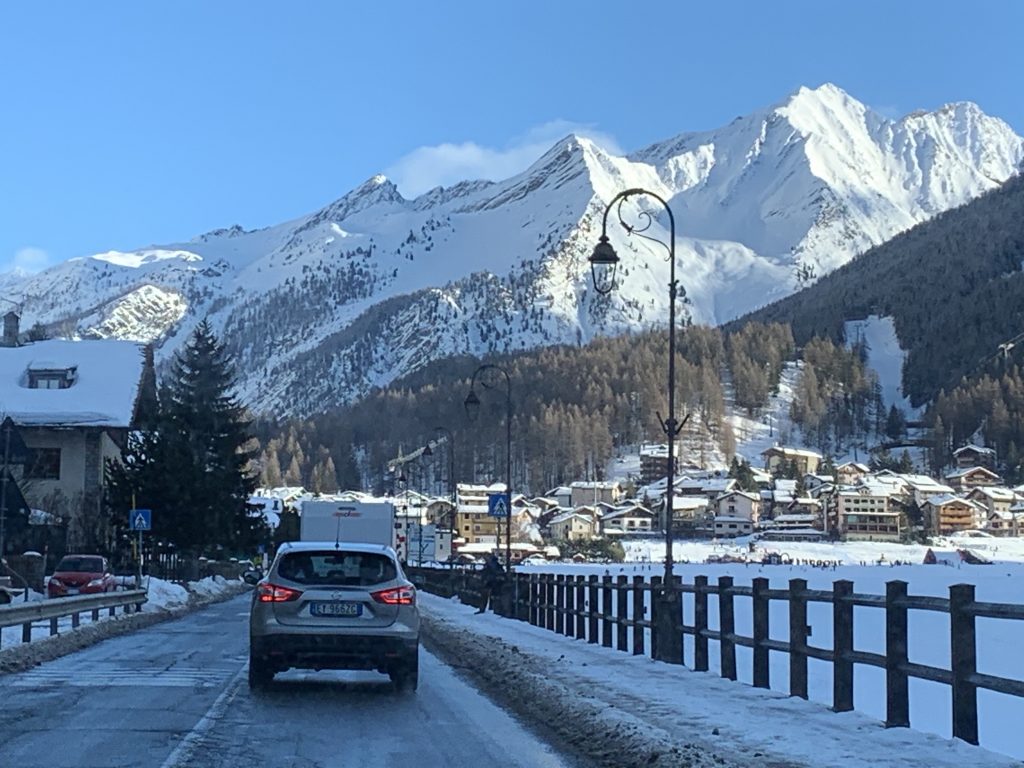
Arriving in Cogne. Gran Paradiso National Park. Cogne is a valley behind and kind of completely disconnected to the main road that connects Aosta to the Mont Blanc Tunnel. That is part of its attraction. Photo: The-Ski-Guru. 🚡 The Cogne–Pila Cable Car: Why the Debate Is Heating Up in the Aosta Valley.

🌄 Why the Proposal Matters

Cogne sits at the gateway to the Gran Paradiso National Park, one of the most iconic and untouched mountain valleys in Italy. Its charm has always been tied to its remoteness: a destination you choose to reach, not one you stumble upon.

A direct lift to Pila would change that dynamic entirely.
Supporters argue that this is exactly the point.

According to the council’s motion, the cable-car could bring:

  • Better connectivity, linking the upper valley to Aosta without relying solely on the long, winding road.

  • Economic opportunities, by making Cogne more accessible for both winter and summer tourism.

  • A more sustainable mobility model, reducing car traffic and integrating with existing lifts such as the Aosta–Pila gondola.

The project is not new. In late 2024, Pila S.p.A. had already begun preparing procedures to update the feasibility study, with preliminary estimates ranging from €50 to €150 million, depending on the final route and technology.

The plan was to connect the top of Pila to Cogne, making it a reality to connect Aosta all the way to Cogne and increasing. the visitors to the region. Stella di Pila on the top of Couis 1. Photo: Pila sPa. 🚡 The Cogne–Pila Cable Car: Why the Debate Is Heating Up in the Aosta Valley.

Continue reading “🚡 The Cogne–Pila Cable Car: Why the Debate Is Heating Up in the Aosta Valley”

La Stella di Pila: A New Alpine “Star” Opens a Brighter Season for the Aosta Valley

La Stella di Pila has been inaugurated today. Photo: Pila sPa. La Stella di Pila: A New Alpine “Star” Opens a Brighter Season for the Aosta Valley.

La Stella di Pila Inaugurates the 2025/26 Season with a New Panoramic Landmark

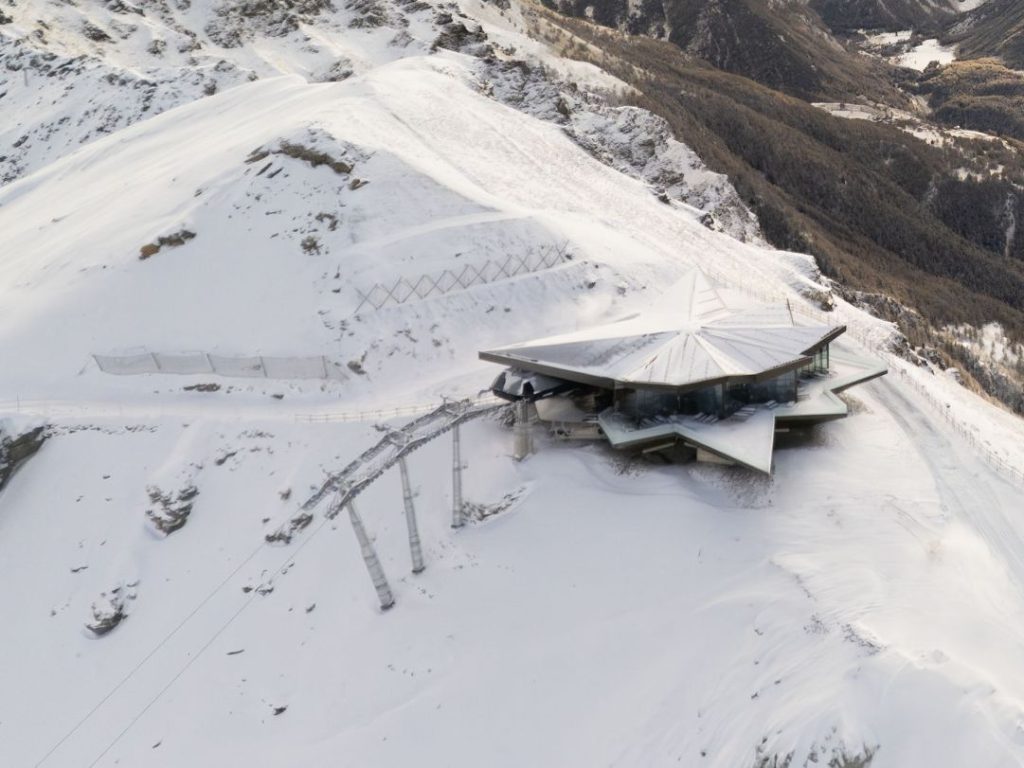
Pila officially opens for winter tomorrow, but today already felt like the real start of the season. The resort inaugurated La Stella di Pila, its long-awaited panoramic hub at 2,723 metres — and honestly, this might become one of the most iconic viewpoints in the entire Aosta Valley.

If you follow ski news (as I do every morning over coffee), you may have seen the coverage on Neveitalia and ANSA Valle d’Aosta. The excitement was justified: La Stella is not just another lift station; it’s a statement of where Pila wants to go.

And for those of you who already love this resort — or who discovered Pila through my Aosta Valley guides or my recent artwork inspired by the region — this is something you’ll want to experience.


An aerial view of the Stella di Pila or Stella di Couis, on the top of the mountain, with 360 views of the 4,000 meters iconic peaks. Photo: Pila sPa. La Stella di Pila: A New Alpine “Star” Opens a Brighter Season for the Aosta Valley.

Continue reading “La Stella di Pila: A New Alpine “Star” Opens a Brighter Season for the Aosta Valley”

❄️ How Fast Can Ski Resorts Build a Snow Base When Nature Fails?

Ajax - Aspen Mountain Snowmaking -picture by Dan Bayer. Aspen Skiing Company. ❄️ How Fast Can Ski Resorts Build a Snow Base When Nature Fails?

How Fast Can Ski Resorts Make Snow? Modern Snowmaking, Temperatures and Costs Explained

Warm starts to winter are becoming the norm, not the exception. Yet every autumn, some ski resorts still manage to open with a decent snow base and a white ribbon of snow, even when the surrounding hillsides are brown.

So: how fast can a modern ski area actually build a skiable base when there’s no natural snow? What temperatures do they need, how much water and energy does it take, and what happens when it’s too warm even for snow guns?

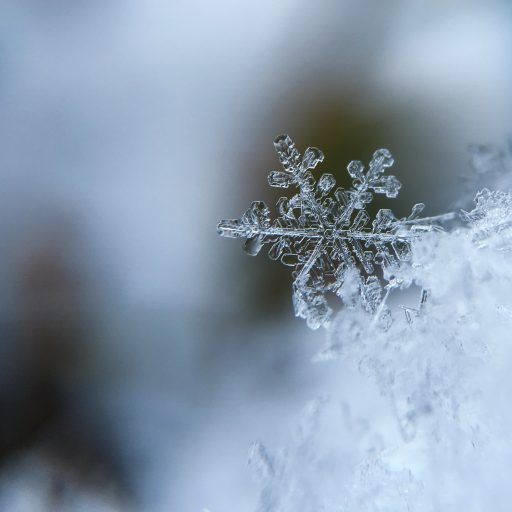
The art of snow making. Photo: Aaron Burden. Unsplash. ❄️ How Fast Can Ski Resorts Build a Snow Base When Nature Fails?

In this post I’ll look at:

  • How conventional snowmaking works
  • Rough timeframes to build a base on key slopes
  • The temperature window you need
  • All-weather (temperature-independent) snowmaking for warm conditions
  • Real examples from North America, South America, Europe and Asia
  • What this means for the future of ski holidays

Continue reading “❄️ How Fast Can Ski Resorts Build a Snow Base When Nature Fails?”

Why the Best Snow Isn’t Always Where You Think: How Lifts, Carving Skis & Smart Snowmaking Shape Your Next Ski Holiday

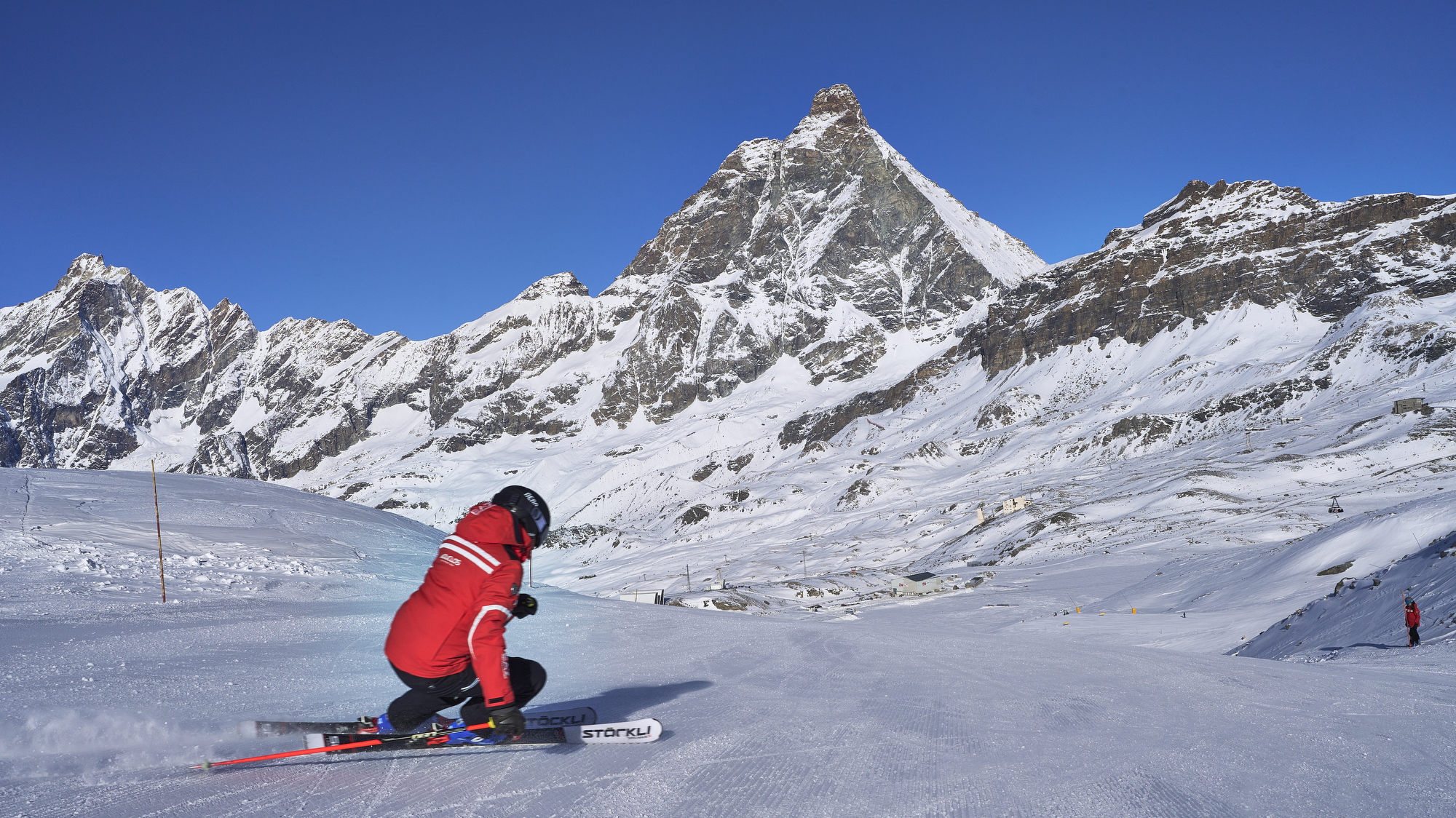
Why the Best Snow Isn’t Always Where You Think: How Lifts, Carving Skis & Smart Snowmaking Shape Your Next Ski Holiday. Photo courtesy: Giancluca Gobbi. Cervino Ski Paradise.

Why the Best Snow Isn’t Always Natural: How Lifts, Carving Skis & Smart Snowmaking Shape Your Ski Holiday

Every skier dreams of that perfect ski day: soft snow underfoot, crisp winter air, freshly groomed pistes, and wide-open carving turns.
But the truth behind why snow feels good or bad under your skis has changed dramatically over the past 20 years — and most holiday skiers have no idea why.

Two recent Nevasport articles explain this brilliantly:

Double chairlift with safety bar- this one you need to look out to grab the bar, it is a different model (a bit more modern maybe). Why the Best Snow Isn’t Always Where You Think: How Lifts, Carving Skis & Smart Snowmaking Shape Your Next Ski Holiday.

They highlight something both simple and surprising:

The snow you ski today is shaped by technology and skier behaviour as much as by weather.

Let’s unpack the story behind truly great snow — the kind your skis glide on effortlessly.

  1. Why a humble two-seater lift often gives you the best snow

In one Nevasport article, the author makes an amusing but very true observation:
if you want to find the best snow on the mountain, look for the old two-seater chairlift.

Why?
Because modern 6- and 8-seaters unload thousands of skiers per hour on the same slope. That much traffic simply erodes the snow faster.

A piste that once stayed soft until the afternoon can now be scraped, bumpy, or piled up by 11:00 a.m.

But lift capacity is only half the story.

Continue reading “Why the Best Snow Isn’t Always Where You Think: How Lifts, Carving Skis & Smart Snowmaking Shape Your Next Ski Holiday”

The 2020 International Report on Mountain & Snow Tourism has just been published.

The "White Season" in Europe and the Big Snowstorms.Photo by Unsplash.

The 2020 International Report on Mountain & Snow Tourism has just been published.

Overview of key industry figures for ski resorts

This article may contain affiliate/compensated links. For full information, please see our disclaimer here.

April 2020 –

The 2020 edition of the International Report on Snow and Mountain Tourism has just been unveiled at an online press conference this Wednesday April 22, 2020 by the Swiss expert Laurent Vanat in partnership with the organizers of Mountain Planet, world’s leading trade fair for the mountain development and industry which should have been taken place from April 22 to 24, 2020 in Grenoble / Alpexpo. Based on the winter 2018/19 figures, it presents rejoicing figures in a depressed covid-19 environment.

The 2020 International Report on Mountain & Snow Tourism has just been published. Laurent Vanat.

Highlight – the 2018/19 ski season has been the best ski season of the millennium!

The 2018/19 ski season presented in the 2020 International Report on Snow & Mountain Tourism report is the best of the new millennium as far as global visitation figures are concerned. It is a pleasure to see that despite adverse conditions the ski industry is facing, with climate change, increasing competition and the demographics, it still has the potential to feature globally 3 seasons in a row with growth. In today’s depressed environment further to covid-19 abrupt closure of the 2019/20 season in most of the northern hemispheres’ ski areas, this is heralding of a better tomorrow. It demonstrates the strength of the ski industry notwithstanding the current situation and allows dreaming that the 2020/21 season will enable to return to a high level of attendance at ski resorts all over the world.

Indoor slope in Finland - Photo copyright - Laurent Vanat. The 2020 International Report on Mountain & Snow Tourism has just been published.
Indoor slope in Finland – Photo copyright – Laurent Vanat. The 2020 International Report on Mountain & Snow Tourism has just been published.

During the 2018/19 winter, United States ski areas recovered with excellent snow conditions and performed well above average. The country is back on the top of the podium for the 2018/19 season. Visitation level was the 4th best in the past 41 years. It may also have been boosted by the spread of the mega-passes that the enhanced competition created by the consolidation of the industry is heavily promoting. This trend, together with dynamic pricing, has also now reached Europe. Both are introducing a disruption in the traditional business model of the industry that is still viewed with a touch of scepticism in some places and not yet widely adopted. However, discounted multi-resort seasonal passes seem to have helped for the recovery of attendance at Swiss resorts for instance. Czech Republic, Poland and Slovakia are also featuring some interesting examples, which integrate interactive customer relationship management systems.

Continue reading “The 2020 International Report on Mountain & Snow Tourism has just been published.”

Mountain Travel Symposium 2019 in Whistler – a recap.

Whistler was the site of MTS 2019. Mountain Travel Symposium 2019 in Whistler – a recap. Photo courtesy of MTS.

Mountain Travel Symposium 2019 in Whistler – a recap.

Just came a couple of weeks ago from the Mountain Travel Symposium, an event I have been working for the past six years and which I enjoy every moment of it. I noticed however, that as I am getting old, it is taking me longer to feel back human again.

Trentino attendees having fun at the top of Whistler Mountain. Photo: Mirta Valentini - Trentino Marketing. Mountain Travel Symposium 2019 in Whistler – a recap.
Trentino attendees having fun at the top of Whistler Mountain. Photo: Mirta Valentini – Trentino Marketing. Mountain Travel Symposium 2019 in Whistler – a recap.

The Mountain Travel Symposium (MTS for short) is not a sprint, definitely is a marathon – An event that lasts one week and for me makes me be twelve days away from home from my husband and kids. MTS is the largest mountain and ski gathering of suppliers from all over the world – ski resorts, hoteliers and service providers, with tour operators that sell skiing, also from all over the world, and ski clubs and ski councils from the USA and Canada, that travel internationally.

I am in charge of the international market and on widening the international attendees year on year. This is a part-time, but yearlong job for me. Now I have a couple of weeks to get ready and close all things from this past event before we open the early bird registration for MTS 2020. MTS 2020 will be in Squaw Valley, at the Resort of Squaw Creek, in North Lake Tahoe, CA, USA from March 29 – April 4, 2020. In May we’ll be opening registration, with the best rates available for one month only. Then rates go up four times during the year, so whoever can register early, get rates that are USD 800 cheaper than the last published rates!

The French delegates at the Trade Exchange Reception. Photo: Mountain Travel Symposium. Mountain Travel Symposium 2019 in Whistler – a recap.

But, getting back to MTS 2019, the event was in Whistler, BC. Canada. We have been In Whistler also in 2015, but the event took the Fairmont in Blackcomb. This year the event was at the Whistler Village Conference Center. I was an attendee at MTS being at the same place in 2002, when I was having my own incoming tour operator Ski Patagonia, where I was selling trips to Argentina and Chile.

Continue reading “Mountain Travel Symposium 2019 in Whistler – a recap.”