Cortina d’Ampezzo: A Year-Round Guide to the Town and Its Mountains

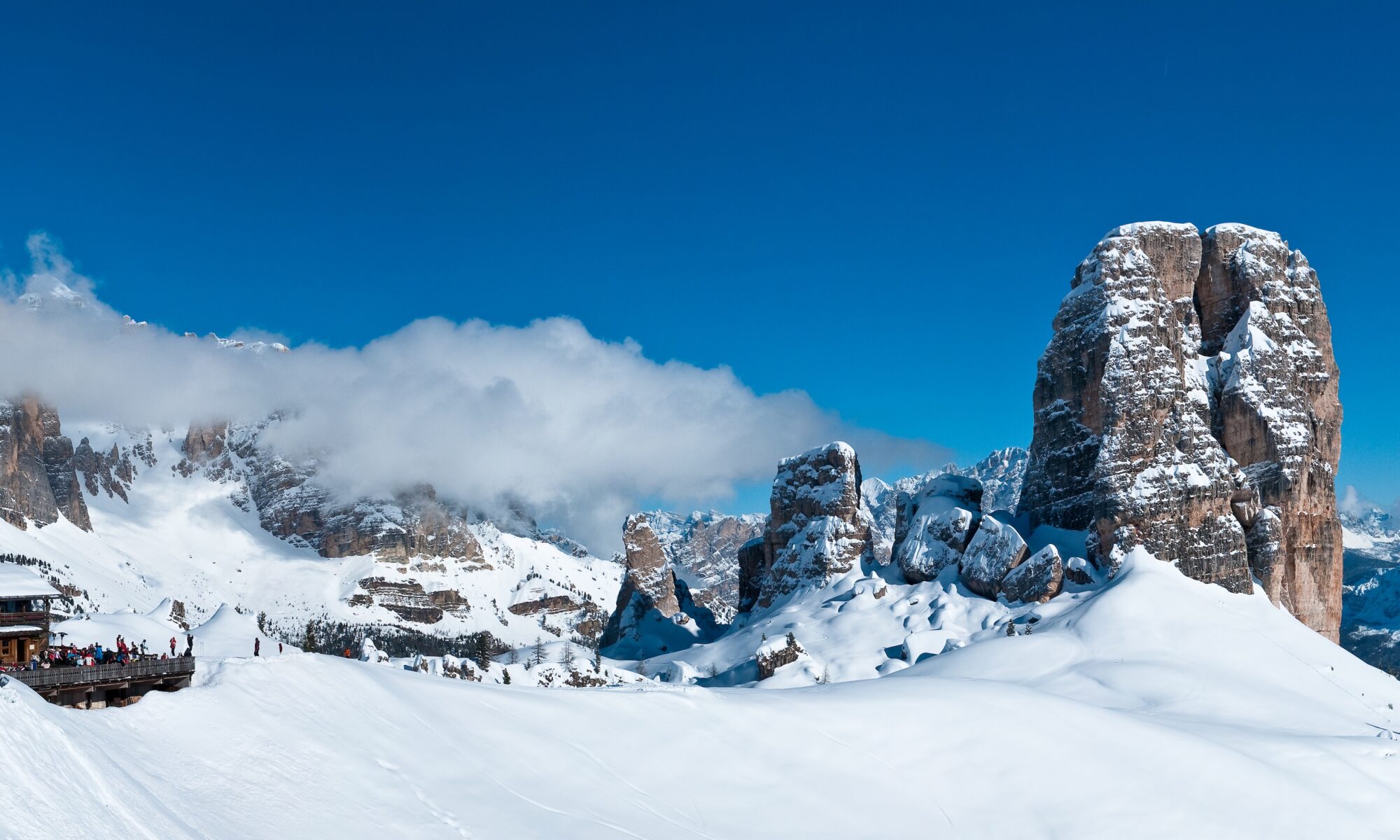
The view of Cinque Torri in winter from Rifugio Scoiattoli. Credits: Giuseppe Ghedina. Cortina Marketing.

This Cortina d’Ampezzo guide brings together skiing, mountain walks, refuge lunches, art, shopping and spa time in one of the Dolomites’ best-known towns. I visited in October, between the main seasons, inspecting hotels and spending time at Cinque Torri. Here, I share those impressions alongside practical advice on where to stay, eat and ski, and how to explore Cortina and its mountains throughout the year.


This article may contain affiliate/compensated links. For full information, please see our disclaimer here. Some links on my website may not function properly if ad blocker is enabled.


 Where is Cortina d’Ampezzo?

Cortina d’Ampezzo lies in the Dolomites of north-eastern Italy, in the province of Belluno, Veneto. The town occupies the Ampezzo valley, surrounded by mountains that give each side of the landscape a different character: the Tofane, Cristallo, Sorapis and the mountains towards Croda da Lago and Cinque Torri.

For visitors, the geography matters. Your holiday can include time in town, skiing in different mountain sectors and excursions beyond the valley. Choosing where to stay therefore involves more than finding a room with a view: proximity to the centre, access to the lifts and the transport provided by your hotel can all shape the trip.
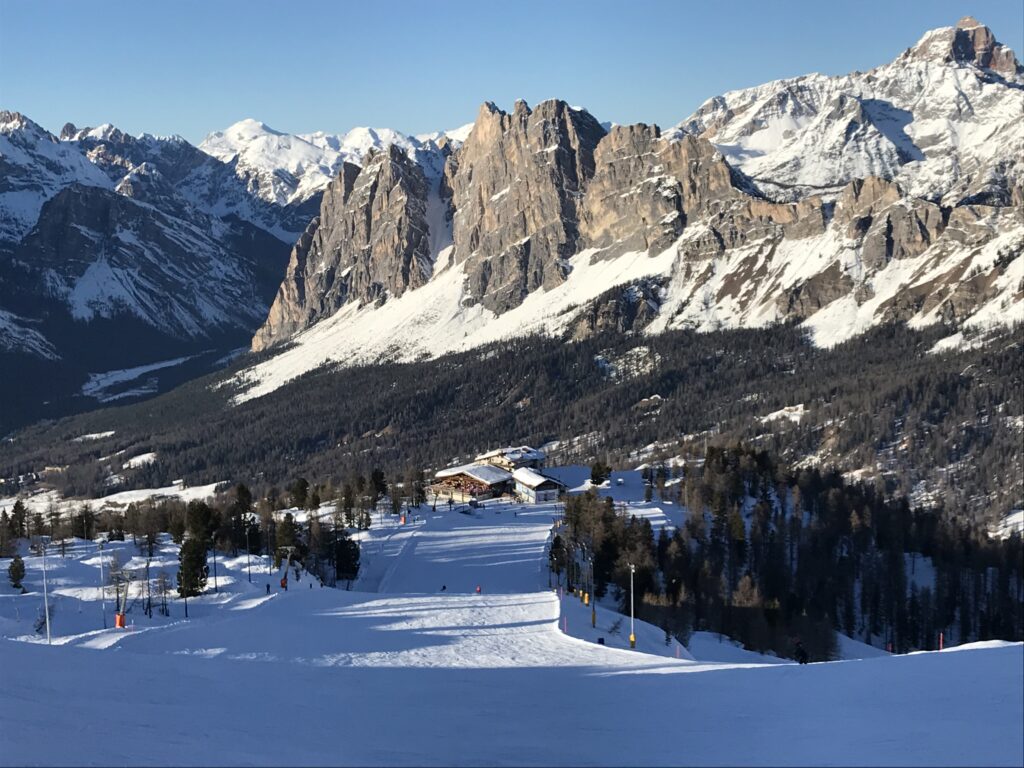
Faloria- Credits: Cortina Marketing.

How to get to Cortina d’Ampezzo

By air

Venice Marco Polo is a practical starting point for an international trip to Cortina, with direct coach connections that allow you to continue into the mountains without hiring a car.

Treviso, Innsbruck and Verona are other airports worth comparing, depending on your departure city. Before booking, look at the complete journey: a convenient flight arrival time and a straightforward onward connection can be more useful than a cheaper airfare followed by a lengthy transfer.

If you choose an airport other than Venice Marco Polo, check the onward arrangements carefully. Transfer options and seasonal services differ, and a direct coach should not be assumed.

Continue reading “Cortina d’Ampezzo: A Year-Round Guide to the Town and Its Mountains”
Where to Eat on the Mountain in Pila, Aosta Valley

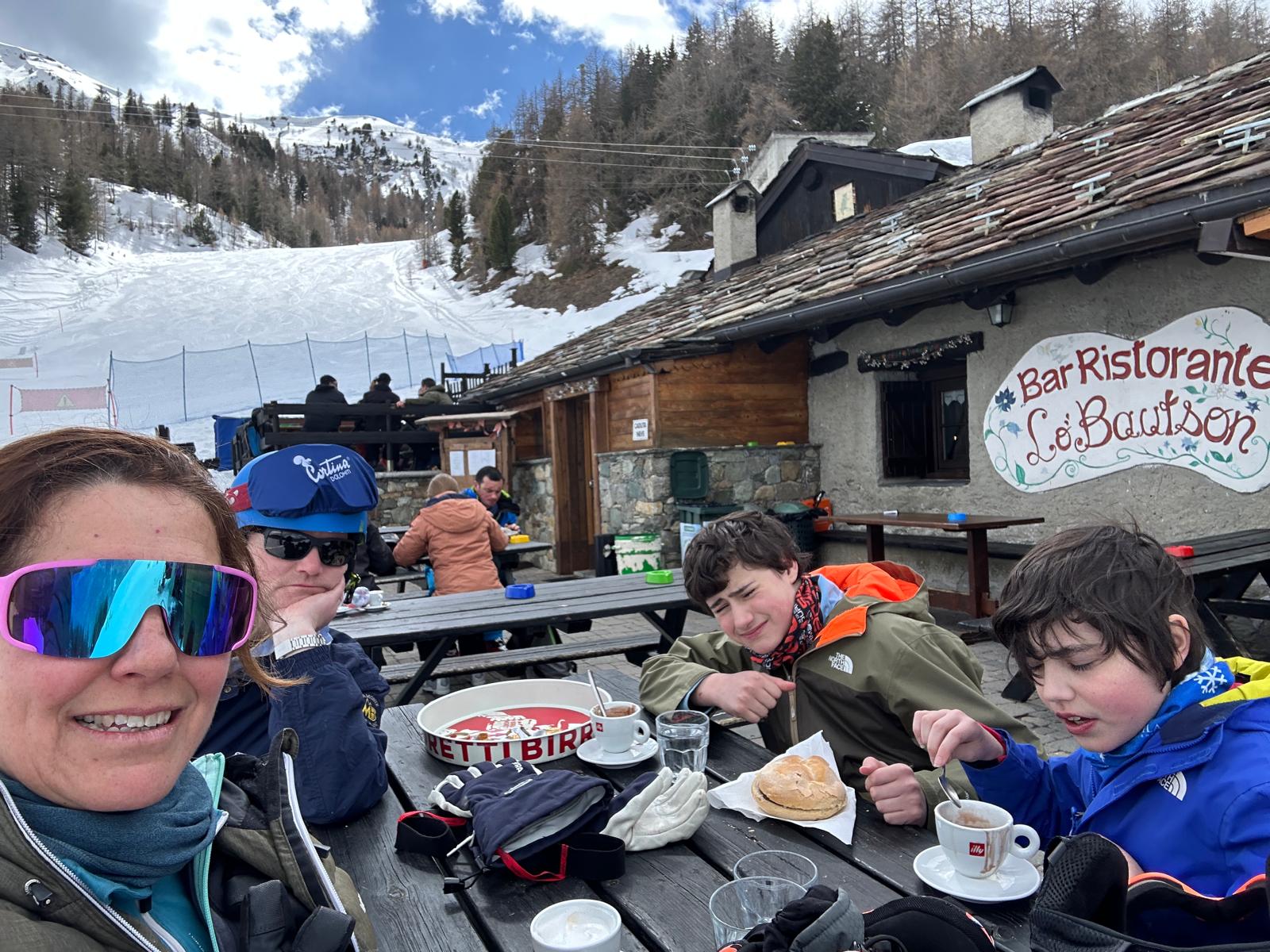
Having as usual, a late lunch at Lo Bautson. Just by the bottom station of Couis 2 on Piste 15. Photo: The-Ski-Guru

A ski day in Pila can start with a coffee and a freshly squeezed orange juice at Bar Mion, take you past a hut serving grilled panini on blue piste 15, and finish with coffee and cake at Stella di Pila, at 2,723 metres. In between, there’s everything from a generous plate of pasta at La Châtelaine to a long lunch in an old mountain hut by the lake.

For winter 2026/27, Hermitage is reopening after a full refurbishment, while Alpenwood and the Panoramic Bistrot at Stella di Pila are heading into their second winter. This guide covers the places we go back to, from the summit down to the little cafés by the car park. For the bigger picture, see my Must-Read Guide to Pila, Aosta Valley.

Do you need to book lunch in Pila?

If you want a sit-down lunch around midday, especially straight after ski school, I’d book. When the boys had morning lessons, I used to pop into Trattoria dei Maestri first thing and ask for a table for when they finished. If I’m skiing in the morning and know where I want to eat, I still do that.

Continue reading “Where to Eat on the Mountain in Pila, Aosta Valley”

Aosta, Italy: The Complete Guide to the Roman City in the Alps and the Best Base For Exploring the Aosta Valley

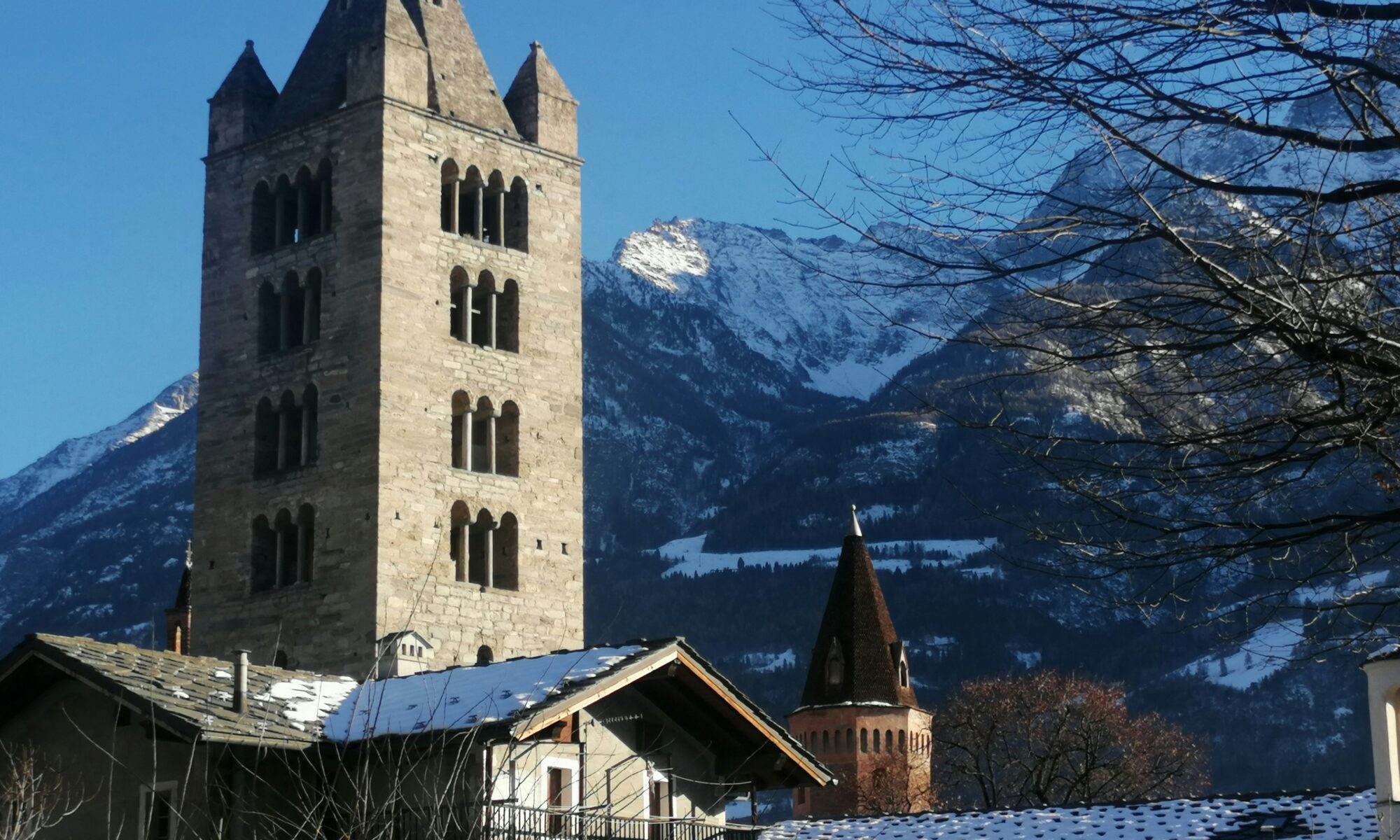
Aosta. Photo Credit: GP. Unsplash.

This article may contain affiliate/compensated links. For full information, please see our disclaimer here. Some links on my website may not function properly if ad blocker is enabled.

Many visitors pass through Aosta on their way to Courmayeur, Cervinia or Pila without ever stopping to explore the city itself.

That is a mistake.

Known as the “Rome of the Alps”, Aosta combines remarkably preserved Roman monuments, medieval churches, mountain scenery, excellent restaurants and easy access to some of the most famous destinations in the Alps.

More importantly, Aosta may be the best base in the entire Aosta Valley. From here you can ski in Pila, visit Courmayeur beneath Mont Blanc, explore Gran Paradiso National Park, discover medieval castles, cross into Switzerland via the Great St Bernard Pass or even spend a day in Chamonix.

Unlike many mountain resorts, Aosta is a real city that functions year-round. Visitors benefit from a wide range of restaurants, shops, supermarkets, sports facilities and services while remaining within easy reach of the mountains.

Continue reading “Aosta, Italy: The Complete Guide to the Roman City in the Alps and the Best Base For Exploring the Aosta Valley”

New Ski Routes Into the Alps: Why Airport Access Is Becoming Part of the Alpine Battle

Photo: Devan Jhabak. Unsplash.

Alpine ski resorts are not only competing on snow reliability, lift investment and accommodation anymore. Increasingly, they are competing on access.

The latest signal comes from airBaltic, which has announced two new winter 2026/27 routes aimed squarely at ski traffic: Riga to Turin and Vilnius to Geneva. The Riga–Turin service is due to run weekly on Saturdays from 30 January to 20 March 2027, while Vilnius–Geneva is scheduled from 2 January to 20 March 2027. Both are expected to use Airbus A220-300 aircraft. 

That is only one piece of a much larger picture. Jet2.com has already put its biggest ever ski programme on sale for winter 2026/27, serving eight ski gateways: Chambéry, Geneva, Grenoble, Salzburg, Innsbruck, Lyon, Turin and Verona, with more than 180,000 ski seats. 

The airport map of the Alps is changing

For years, Geneva was the default airport for much of the western Alps. Munich and Zurich dominated the German-speaking Alpine arc. Milan served the Italian Alps and the Dolomites. But the picture is now more fragmented.

Turin is rising as a western Alps gateway. Grenoble and Chambéry remain highly seasonal but important for Saturday ski traffic. Bolzano is trying to position itself as a small, premium Dolomites airport through SkyAlps. Sion is more niche, but still strategically interesting for Valais. Aosta remains mostly a “what if” airport rather than a real commercial ski gateway.

Continue reading “New Ski Routes Into the Alps: Why Airport Access Is Becoming Part of the Alpine Battle”

Valfurva Abandons Planned Lift Connection to Bormio Ahead of Milan-Cortina 2026

Santa Caterina. Province of Sondrio. Photo: Jan Jirasek. Unsplash.

Not every Alpine resort is rushing into new ski lift expansion ahead of the Milan-Cortina 2026 Winter Olympics. In Alta Valtellina, the municipality of Valfurva has officially abandoned plans for a new lift connection that would have provided direct access from the lower Valfurva valley to the Bormio ski area. 

The proposed “S. Antonio/S. Nicolò – Località Cimino” lift and return piste would have linked Valfurva more directly to Bormio’s slopes, in what had been presented as part of a broader vision of greater integration between the ski areas of Alta Valtellina. 

According to local reports and comments from Valfurva mayor Luca Bellotti, the decision was ultimately driven by a combination of timing, financing and permitting issues. The project, valued at more than €9 million, had already secured approximately €4.5 million in public funding through Italy’s Fondo Comuni Confinanti, but the remaining financing was never fully secured. The municipality also faced extremely tight deadlines tied to the funding programme, requiring feasibility documentation to be completed by September. 

Continue reading “Valfurva Abandons Planned Lift Connection to Bormio Ahead of Milan-Cortina 2026”

Future Mobility in Andorra: Why Grandvalira’s Next Big Challenge May Be Transport, Not Lifts

The prospective Tramvalira trail. Google Maps: DigitalAndorra.com

Andorra’s ski economy has long been built around access by road. Visitors arrive by car, coach or private transfer. Workers commute along narrow valley corridors. Skiers move between hotels, villages and lift bases by bus, taxi, shuttle or rental car. For years, that model has more or less worked because Andorra’s geography left few alternatives.

But the pressure is becoming harder to ignore.

After looking at why employee housing has become a global challenge for ski resorts, Andorra offers the next part of the same story: what happens when ski resorts, workers and visitors increasingly depend on mobility systems that were not designed for today’s scale of tourism?

The most visible sign of that shift is Tramvalira, the proposed tram-train connection between La Seu d’Urgell and Andorra. In February 2026, the Andorran and Catalan governments held the first pilot meeting for the project, which would study a public transport link between La Seu d’Urgell and Sant Julià de Lòria, connecting with Andorra’s planned internal tram system. The project has received €329,841.56 in European POCTEFA funding, covering around 45% of its current study phase. 

Continue reading “Future Mobility in Andorra: Why Grandvalira’s Next Big Challenge May Be Transport, Not Lifts”

Giro d’Italia Returns to Val d’Aosta With Major Summit Finish in Pila

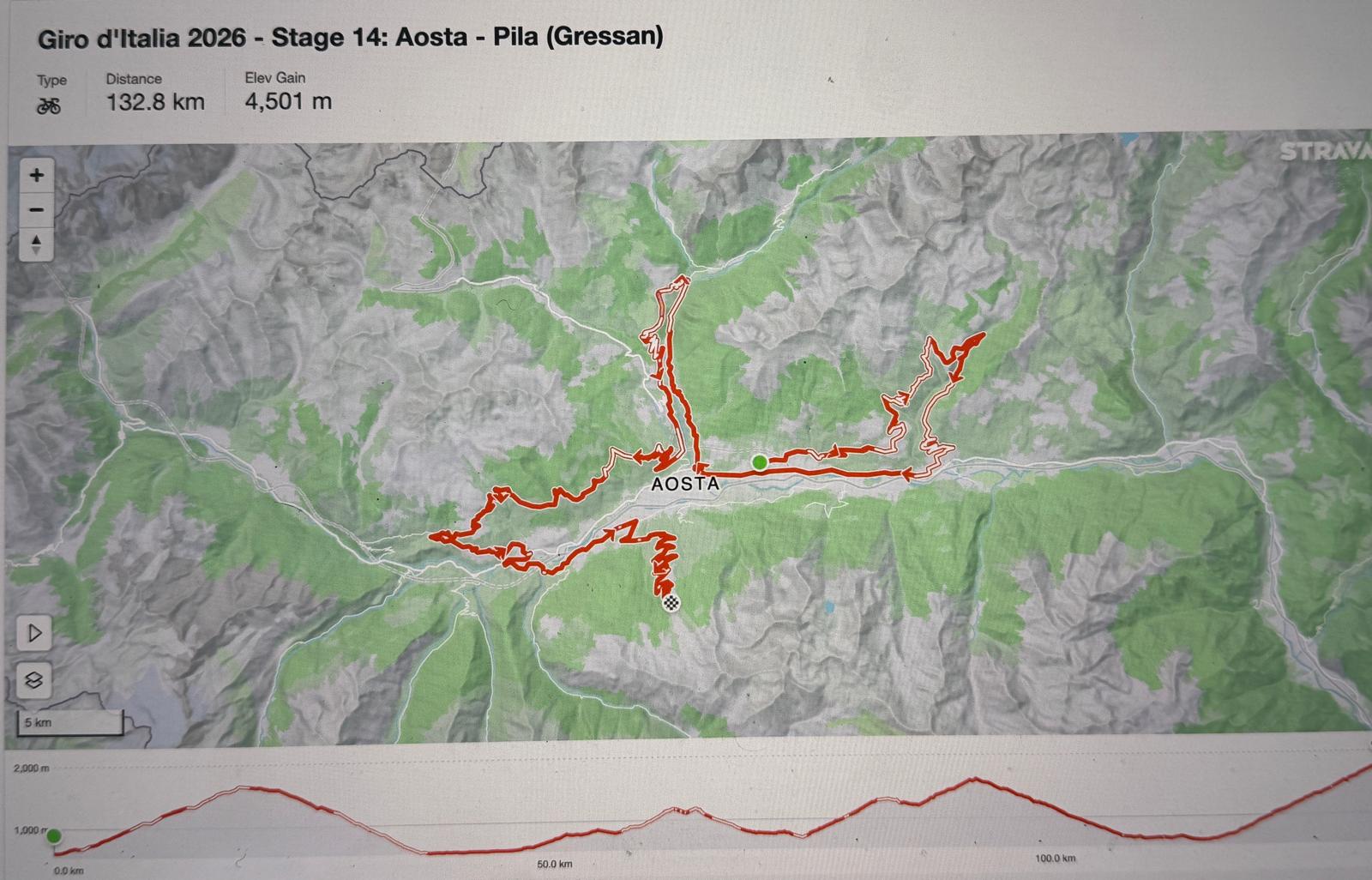
Etape of the Giro d'Italia. Strava.

The Giro d’Italia 2026 is returning to the Aosta Valley this May with one of the most important Alpine stages of the race, as Stage 14 finishes in Pila on Saturday 23 May.

The stage, officially running from Aosta to Pila (Gressan), is already being described as one of the decisive mountain stages of the 2026 Giro. The route packs more than 4,000 metres of climbing into just 133km, with the final ascent to Pila expected to create major time gaps between the race favourites. 

According to the official race route, riders will tackle a series of climbs across the Aosta Valley before the final ascent from Gressan to Pila, a climb measuring approximately 16.5km at an average gradient above 7%. The finish line will sit high above the valley with views toward Mont Blanc, Monte Rosa, the Matterhorn and Gran Paradiso. 

Continue reading “Giro d’Italia Returns to Val d’Aosta With Major Summit Finish in Pila”

Aspen Snowmass Introduces Flex Pass Model After Challenging Season

The town of Aspen seen from Aspen Mountain, with the recognised Silver Queen Gondola. Photo: Jordan Curet. Courtesy: Aspen Snowmass. The Must-Read Guide to Aspen Snowmass.

Aspen Snowmass has introduced a more flexible season pass structure, offering skiers additional options after a winter marked by inconsistent snow conditions across parts of Colorado.

The move reflects a broader shift within the ski industry, as operators respond to increasing variability in winter conditions and changing consumer behaviour.


A response to an uneven winter

The 2025–26 season has been defined by contrasts. While some periods delivered strong snowfall, others were marked by warmth, low snowpack, and early melt, particularly in parts of the western United States.

For a detailed overview of the resort, terrain, and how to plan a trip, see the Must-Read Guide to Aspen Snowmass.

In this context, flexibility becomes a key selling point. Traditional season passes assume a relatively stable winter, where skiers can plan multiple visits across consistent conditions. That assumption is becoming less reliable.

👉Early Melt Forces Ski Resort Closures Across Colorado & Utah


Continue reading “Aspen Snowmass Introduces Flex Pass Model After Challenging Season”

📰 Whistler Ski Resort Guide: How to Get There, Where to Stay & How to Ski It

Evening activities in the village in Whistler Blackcomb. Photo: Paul Morrison. Whistler Blackcomb. Vail Resorts. New investments in Whistler Blackcomb to enhance the guest experience will be ready for the 2018-19 ski season.

The Must-Read Guide to Whistler


How to get there, where to stay and how to ski one of North America’s most famous mountains

Introduction

Whistler Blackcomb is not just one resort — it is two very different mountains, each with its own terrain, snow conditions and character.

👉 You can read more about how warming trends are affecting snow reliability in Snow Conditions in a Warming Alpine Climate.

Located in British Columbia about two hours north of Vancouver, Whistler combines vast ski terrain with a lively pedestrian village full of restaurants, hotels and après-ski options.

The two mountains are linked by the spectacular PEAK 2 PEAK Gondola, one of the most impressive lift systems ever built.

What makes Whistler particularly appealing is its range. Expert skiers come for the size and variety of terrain, intermediates enjoy the long cruising runs, beginners have dedicated learning areas, and non-skiers can still experience the mountains through lifts, viewpoints and restaurants.

A family enjoying its time together in Whistler Blackcomb. Photo: Whistler Blackcomb - Vail Resorts.
Family enjoys a mountain host in Whistler Blackcomb, CAN. Photo: Whistler Blackcomb- Vail Resorts.

Continue reading “📰 Whistler Ski Resort Guide: How to Get There, Where to Stay & How to Ski It”

La Grave, France: What You Need to Know Before Skiing One of the Alps’ Most Extreme Areas

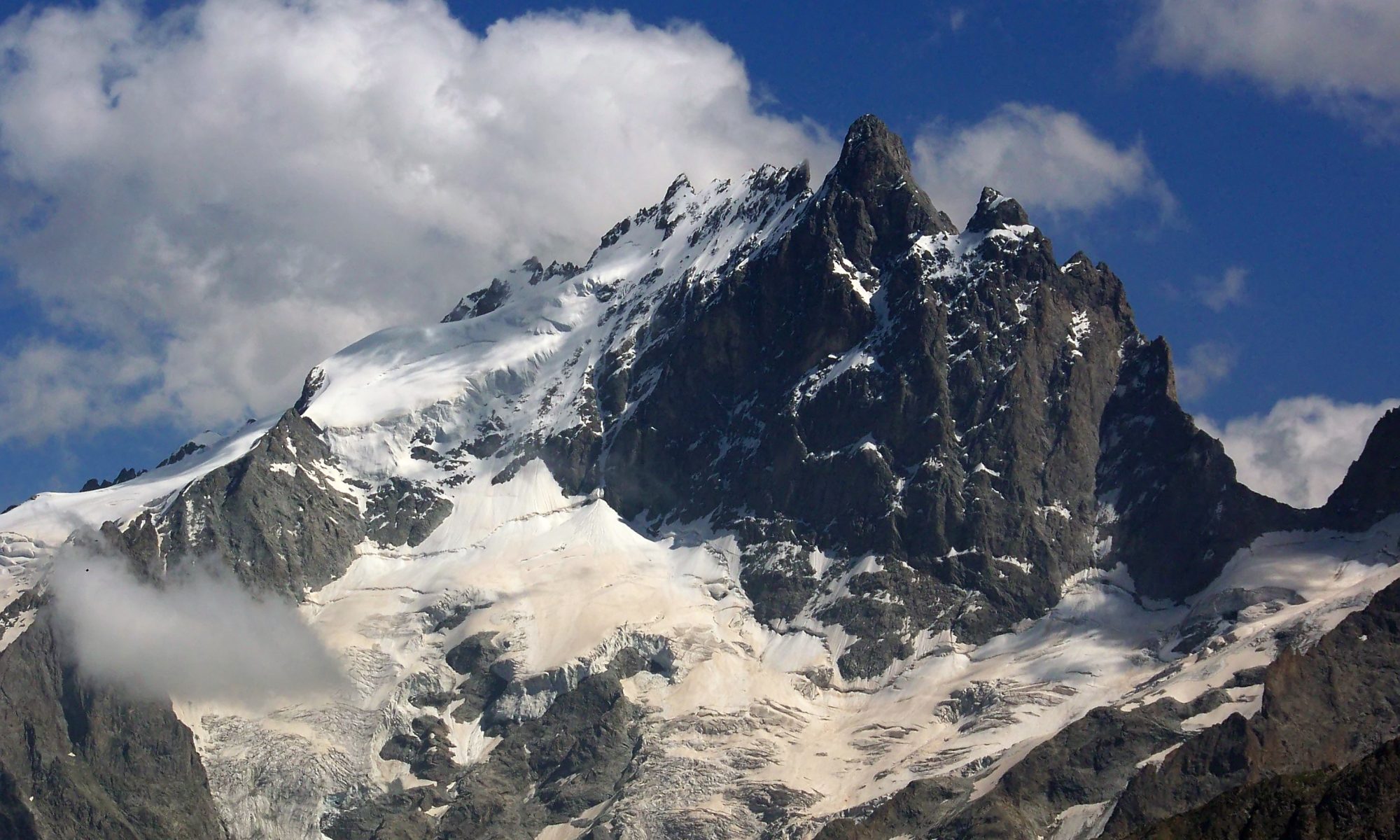
Pic de la Meije. Photo: Eusebius. Wikipedia.

🧭 Introduction

In an Alpine world increasingly defined by lift networks, snowmaking and controlled pistes, La Grave stands apart.

This is not a conventional ski resort. There are no marked runs, no groomed pistes in the usual sense, and no fully avalanche-controlled ski area. Instead, La Grave offers direct access to high-alpine terrain where skiing and mountaineering often overlap — and where the consequences of mistakes can be severe.


📍 What La Grave Actually Is

La Grave is best understood not as a resort, but as a village with lift access into extreme terrain.

A single cable car (the Téléphérique des Glaciers de la Meije) rises from the village to over 3,200 metres, opening access to more than 2,000 metres of vertical descent. From there, skiers enter a vast area of ungroomed, glaciated slopes, couloirs and high-mountain faces.

There is almost no piste infrastructure. Routes are not marked, conditions are not standardised, and the terrain is left largely in its natural state.

👉 In simple terms:
La Grave is designed to access the mountain — not to make skiing safe.

While La Grave represents one of Europe’s most extreme lift-served environments, other models of access are emerging globally — including private ski developments like this recent project in Nevada’s Ruby Mountains.


Continue reading “La Grave, France: What You Need to Know Before Skiing One of the Alps’ Most Extreme Areas”