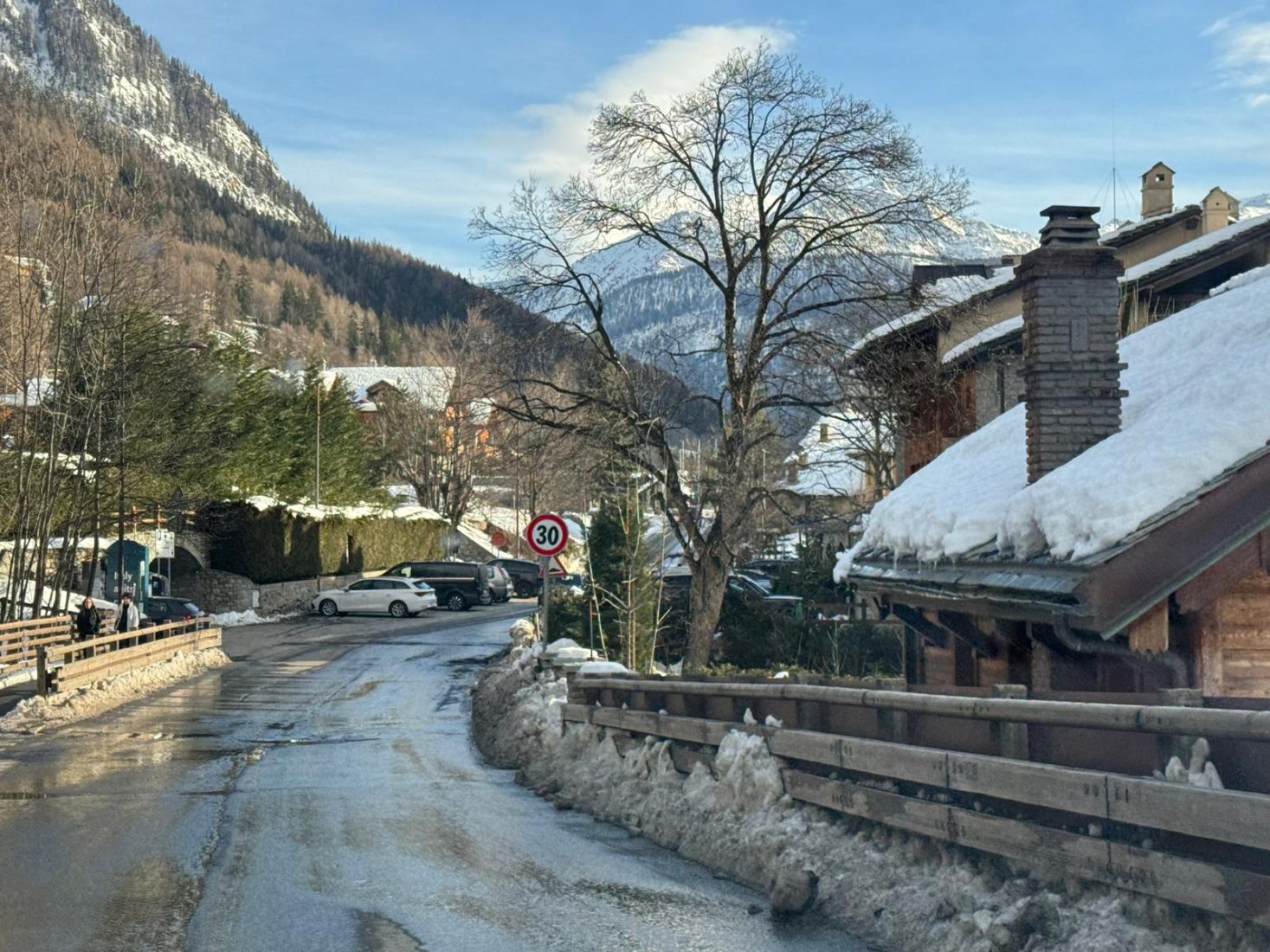
The latest Valle d’Aosta snow forecast indicates heavy snowfall across the western sectors, with accumulations expected to continue through Tuesday morning.
According to Meteo Valle d’Aosta, abundant snowfall is expected along the Alpine border ridges, accompanied by strong north-westerly winds. The system is forecast to persist through the morning of Tuesday, February 17, with significant accumulations expected above 1500–1700 metres.
Avalanche Danger Levels Explained: What Level 3 “Considerable” Really Means
After many avalanche accidents, reports often mention that the danger level was “3 – Considerable.” This confuses many skiers — especially because Level 3 is not the highest rating.
In fact, most fatal avalanches occur at Level 3, making it one of the most misunderstood danger levels in the Alps.
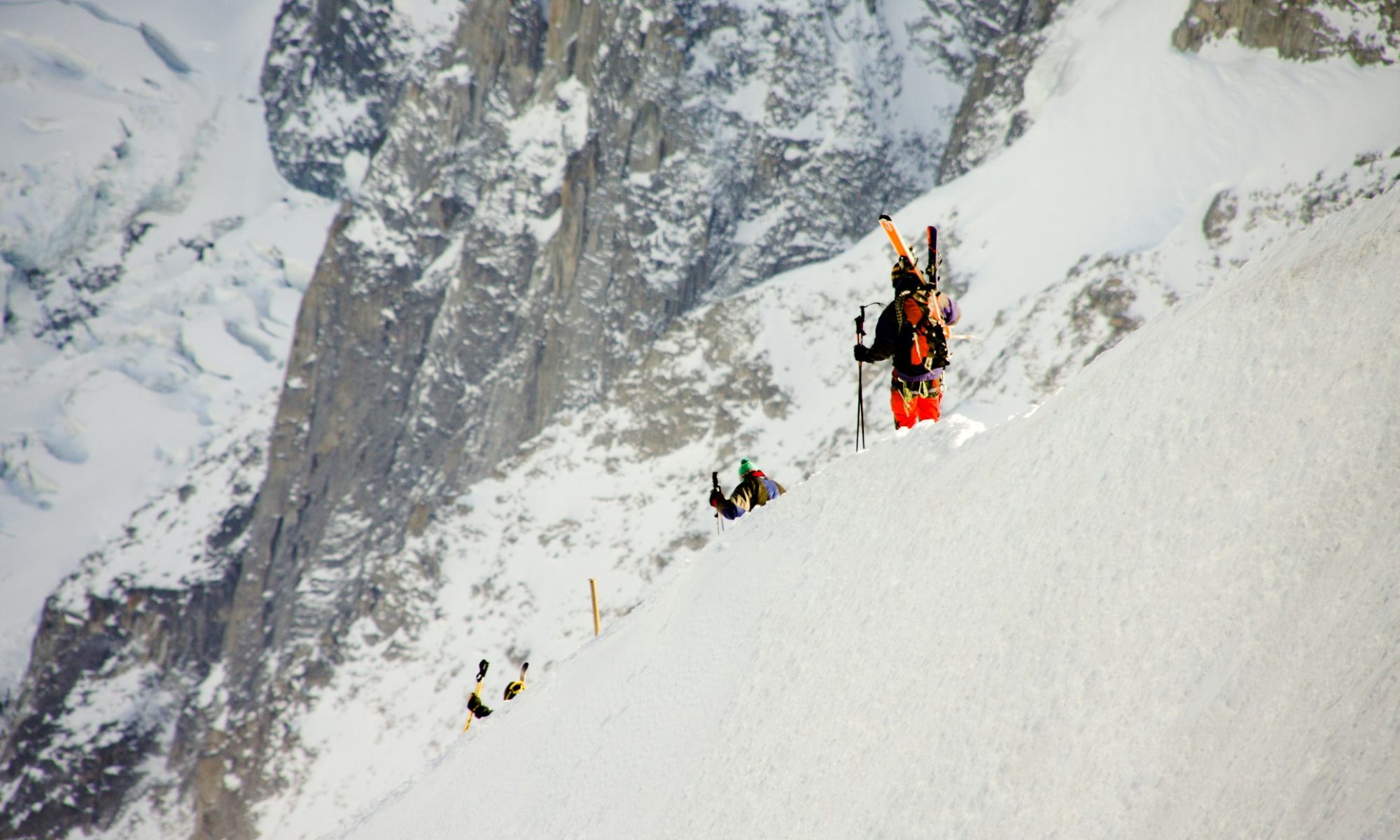
Many accidents occur during periods shaped byextreme weather in the Alps, particularly when conditions change rapidly.
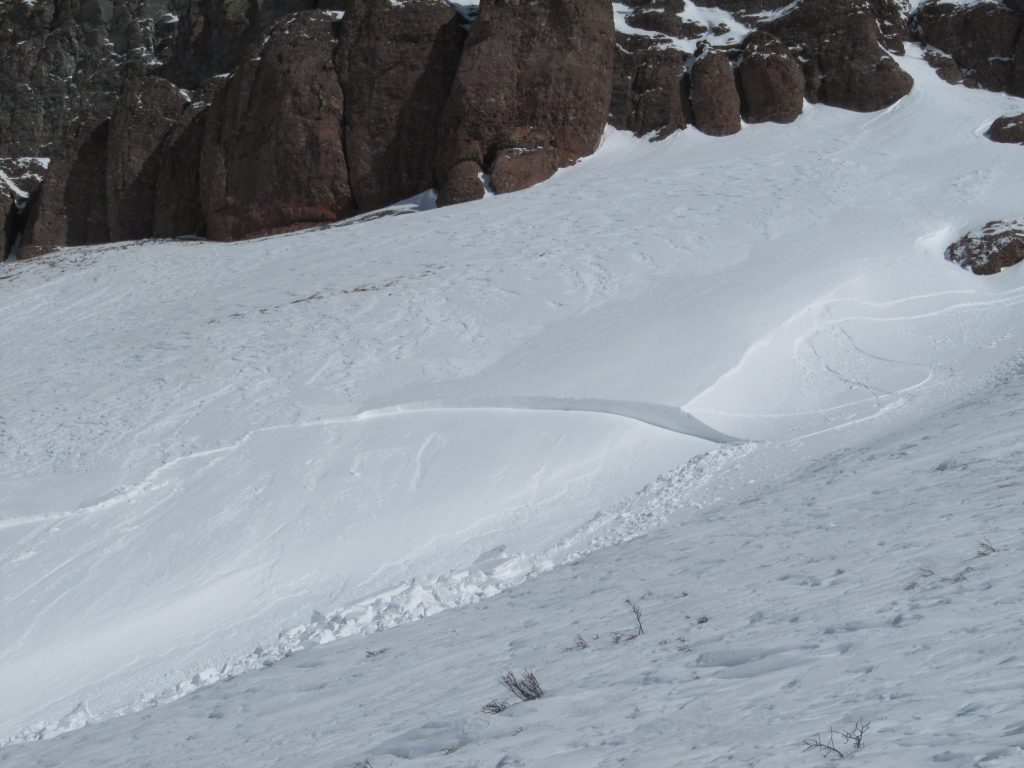
Windslab avalanche. Photo: Andrew Temple. Colorado Avalanche Information Center. Avalanche Danger Levels Explained: What “Level 3 – Considerable” Really Means.
The European avalanche danger scale (1–5)
Avalanche danger in Europe is reported using theEuropean Avalanche Danger Scale, which classifies conditions from Level 1 (Low) to Level 5 (Very High).
Level 1 – Low
Level 2 – Moderate
Level 3 – Considerable
Level 4 – High
Level 5 – Very High
While Level 4 and 5 sound more dramatic, they are often associated with obvious danger, closed areas, and fewer people skiing.
For readers seeking a full breakdown of what Level 4 avalanche danger means and how it affects safety and travel choices, see what Level 4 avalanche danger means.
Avalanche Safety Equipment Explained: What Every Skier Should Carry Off-Piste
Avalanche accidents across the Alps are a stark reminder that leaving marked ski runs comes with real risks, even close to ski resorts. While equipment can never eliminate danger, carrying the right avalanche safety gear can make the difference between life and death — both for yourself and for those skiing with you.
This guide explains what avalanche equipment is essential, what is optional, and what equipment cannot do, so skiers can make informed decisions before heading off-piste.
The three essential items: never optional
If you ski off-piste, even briefly, three items are considered non-negotiable.
1. Avalanche transceiver (beacon)
A transceiver allows companions to locate a buried skier quickly after an avalanche. Speed is critical: survival chances drop dramatically after the first 15 minutes.
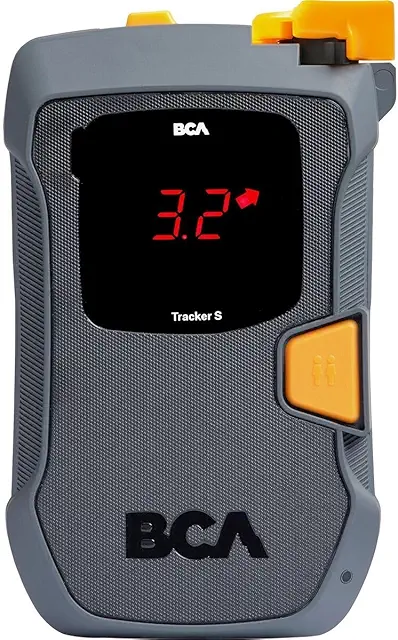
BCA Avalanche Transceiver, or how is often called a “beacon”. Avalanche Safety Equipment Explained: What Every Skier Should Carry Off-Piste.
Key points:
Every person in the group must wear one
It must be turned on and checked before skiing
A transceiver is only effective if others know how to use it
A beacon does not prevent avalanches. It only helps after something has gone wrong.
Avalanche in Tyrol, Austria: One Dead, Searches Confirm No Other Victims
A fatal avalanche in Tyrol, Austria, has claimed the life of one skier, prompting an extensive rescue operation and renewed warnings about unstable snow conditions across the Alps.
The avalanche occurred off-piste near the Pardatschgratbahn lift area in Ischgl, one of Austria’s most popular ski resorts. The victim was reported missing after failing to return to their accommodation, triggering a search by local authorities and mountain rescue teams.
Rescuers later located the body beneath the avalanche debris. Following intensive probing and searches of the surrounding area, authorities have confirmed that no other people appear to be buried, though checks continued for several hours as a precaution.
Avalanche Danger Update January 2026 | Alps & North America
Avalanche danger remains elevated in several mountain regions at the start of January 2026. Recent incidents in the Alps and ongoing warnings across North America highlight a familiar — and dangerous — combination: new snow, strong winds, and unstable early-season snowpacks.
Whether you’re ski touring, snowboarding out of bounds, or travelling to mountain destinations, understanding current avalanche conditions — and checking official, local forecasts — is essential.
Enjoyed this post? Get my latest ski guides, weather insights, resort updates and travel tips directly in your inbox. Subscribe to The-Ski-Guru here.
Manage Cookie Consent
To provide the best experiences, we use technologies like cookies to store and/or access device information. Consenting to these technologies will allow us to process data such as browsing behavior or unique IDs on this site. Not consenting or withdrawing consent, may adversely affect certain features and functions.
Functional
Always active
The technical storage or access is strictly necessary for the legitimate purpose of enabling the use of a specific service explicitly requested by the subscriber or user, or for the sole purpose of carrying out the transmission of a communication over an electronic communications network.
Preferences
The technical storage or access is necessary for the legitimate purpose of storing preferences that are not requested by the subscriber or user.
Statistics
The technical storage or access that is used exclusively for statistical purposes.The technical storage or access that is used exclusively for anonymous statistical purposes. Without a subpoena, voluntary compliance on the part of your Internet Service Provider, or additional records from a third party, information stored or retrieved for this purpose alone cannot usually be used to identify you.
Marketing
The technical storage or access is required to create user profiles to send advertising, or to track the user on a website or across several websites for similar marketing purposes.




 Subscribe to The-Ski-Guru here.
You must be logged in to post a comment.