Matterhorn Without Snow: Hervé Barmasse Warns of a Changing Mountain

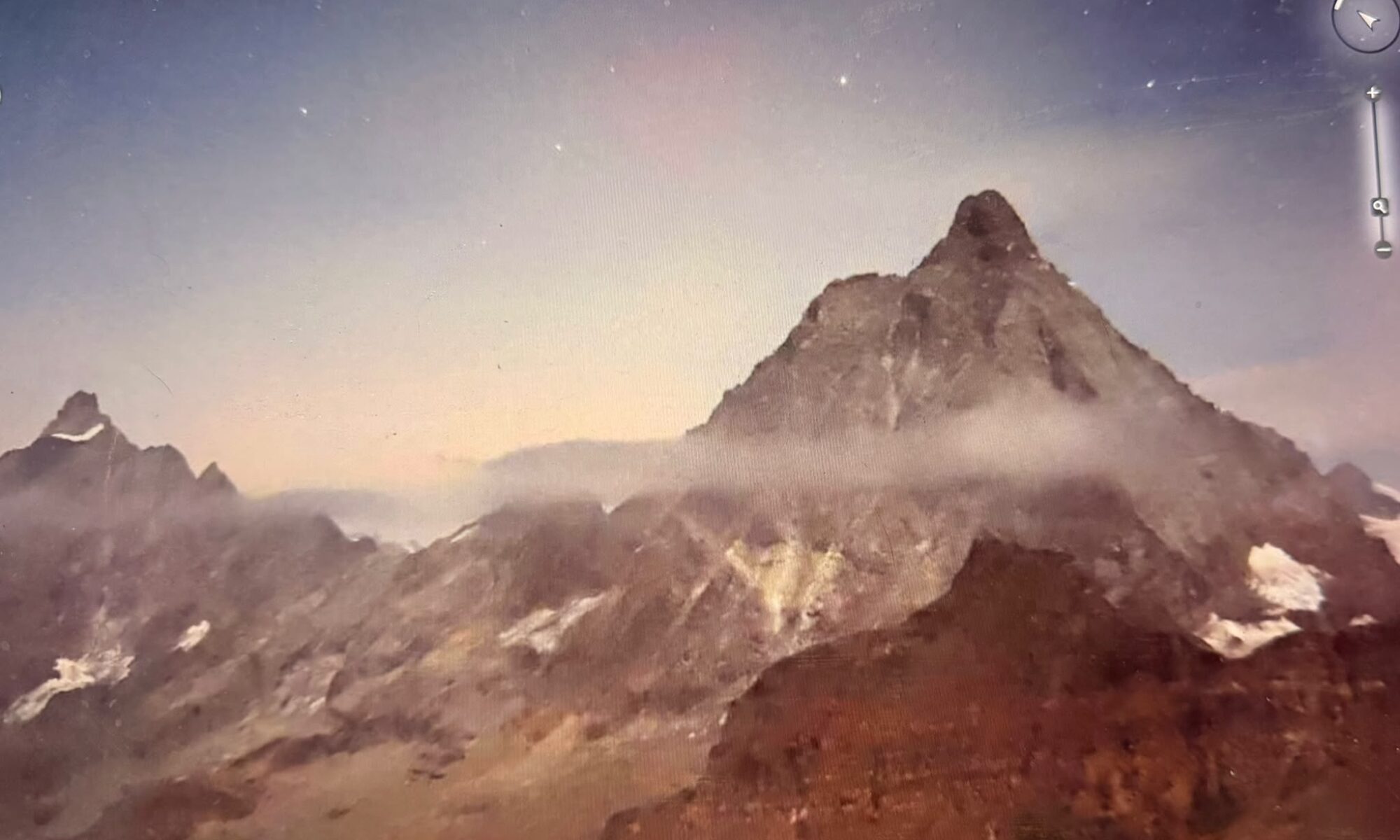
The Cervino, as seen on the early morning of 3rd October 2026. Photo: Webcam Cervino Ski Paradise.

The Matterhorn has appeared almost completely bare at the end of the 2026 summer season. For Italian alpinist and mountain guide Hervé Barmasse, who has spent his life beneath the mountain, the striking images are part of a much bigger change taking place at high altitude.

Only days after a new rockfall prompted the Cervino mountain guides to advise against climbing the Italian normal route, one of the mountain’s best-known alpinists has spoken about another striking feature of the Matterhorn in 2026: the lack of snow.

Hervé Barmasse, a fourth-generation mountain guide from Valtournenche, told Italian mountain publication L’AltraMontagna that he had never seen the Cervino — as the Matterhorn is known in Italy — quite so bare.

His comments are particularly significant because this is not a mountain he encounters occasionally.

Continue reading “Matterhorn Without Snow: Hervé Barmasse Warns of a Changing Mountain”

Nepal’s Glacier Disaster Is a Warning for Mountain Regions Everywhere — Including the Alps

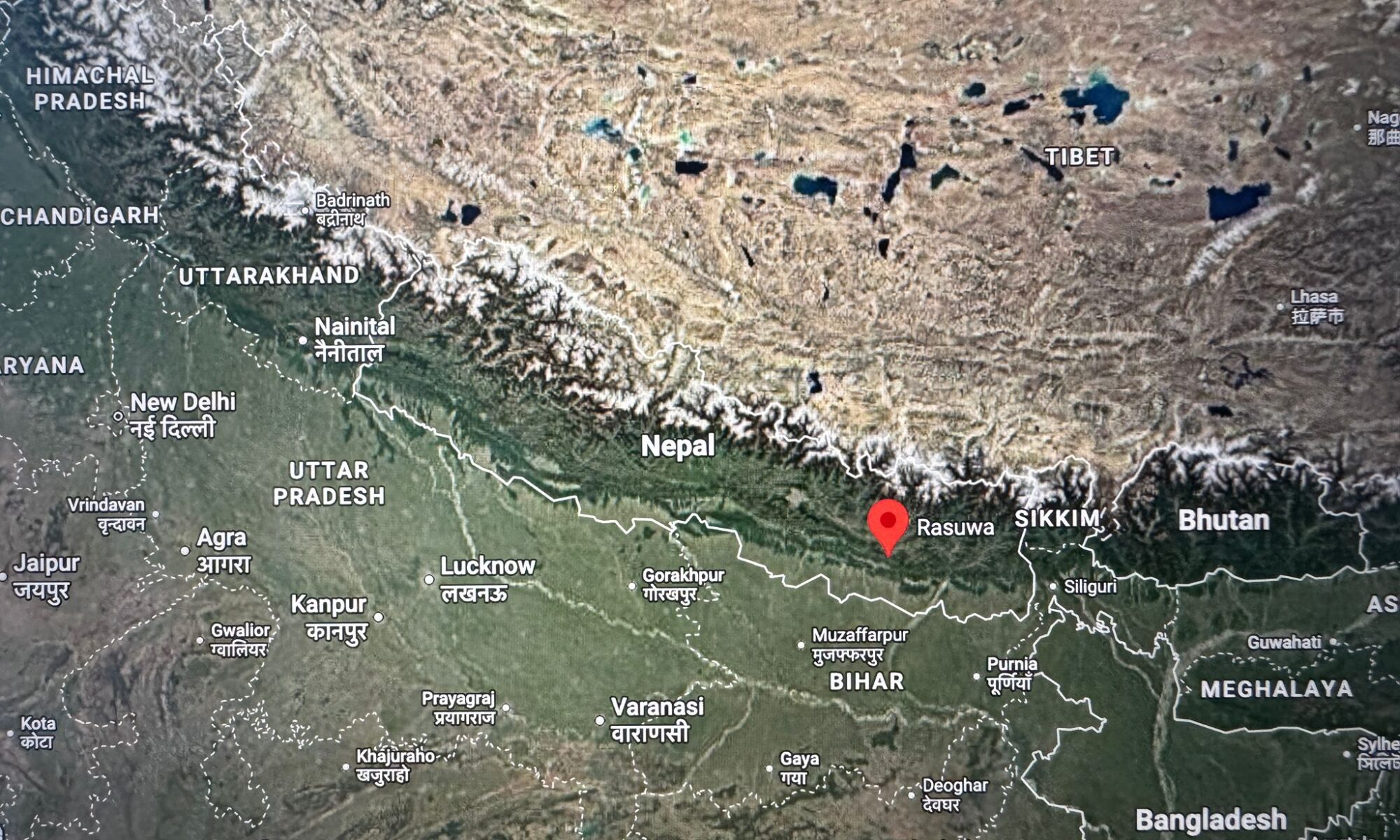
Map of Rasuwa in Nepal, where the floodings occurred. Photo: Google Maps.

A catastrophic glacier-related collapse in the Himalayas has killed hundreds of people across Nepal and Tibet and left many more missing.

But beyond the shocking images and the rapidly evolving casualty figures lies a much bigger question for mountain regions around the world:

Could something similar happen in the Alps?

The answer is uncomfortable.

The precise sequence that produced the Nepal disaster is still being investigated. But glacier collapses, rock avalanches, sudden releases of glacial water, debris flows and naturally dammed lakes are not unique to the Himalayas. They are hazards that also exist in the Alps — and Alpine history provides some dramatic examples.

What can be very different is the ability to identify certain dangers in advance, monitor them and evacuate people before the mountain moves.

And even in the best-monitored Alpine countries, that warning cannot always be guaranteed.

Continue reading “Nepal’s Glacier Disaster Is a Warning for Mountain Regions Everywhere — Including the Alps”

Planpincieux Glacier: Seven Years After the Alarm, the Mont Blanc Glacier Is Retreating Fast

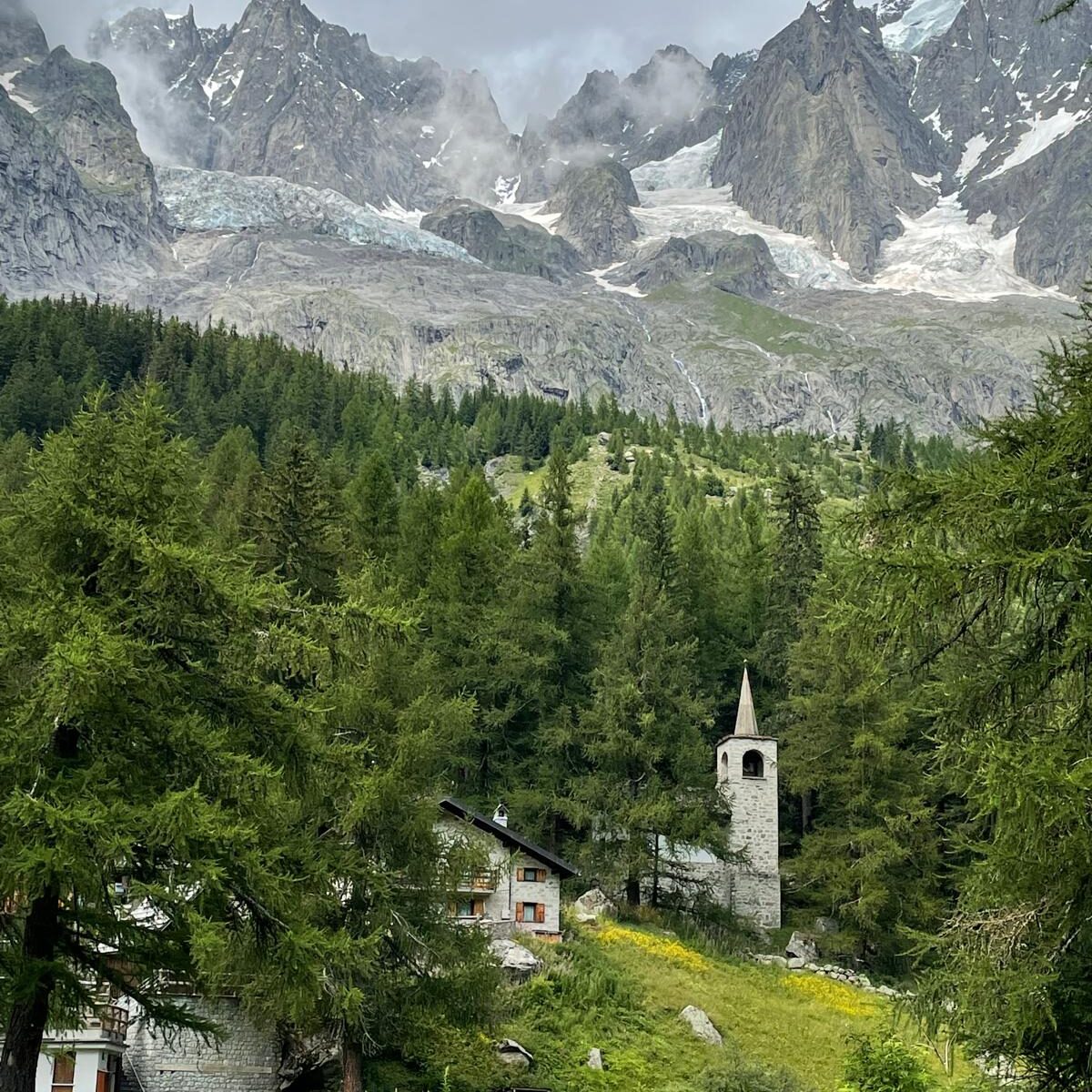
Planpincieux glacier and the church in the bottom. Photo: The-Ski-Guru.

The Planpincieux Glacier retreat is accelerating on the Italian side of Mont Blanc, seven years after the hanging glacier above Courmayeur first made international headlines over fears of a major collapse.

The hanging glacier, located above Val Ferret on the Italian side of the Mont Blanc massif, accelerated again during July 2026, reaching movement of around 80 centimetres per day. The figure was confirmed by the Valle d’Aosta regional authorities, which placed the glacier under continuous monitoring during the period of heightened activity.

The situation has since improved. Jean-Pierre Fosson of Fondazione Montagna Sicura said during the Valle d’Aosta stage of Legambiente’s Carovana dei Ghiacciai that Planpincieux has now fallen below the critical thresholds and that current conditions are considered favourable.

But the longer-term picture is far less reassuring.

Planpincieux Glacier retreat reaches 50 metres in three years

According to a report from Corriere della Sera, the front of Planpincieux has retreated by around 50 metres in just three years.

The glacier hangs at around 2,600 metres beneath the Grandes Jorasses, high above Val Ferret. Ice and debris continue periodically to break away from its front and descend towards the valley.

The glacier is particularly closely monitored because of its position above an inhabited and heavily visited valley.

During July’s acceleration, Courmayeur introduced Civil Protection restrictions in the areas potentially exposed to a collapse. Access restrictions were subsequently eased as conditions stabilised.


Read more: Nepal Glacier Disaster: Could It Happen in the Alps? — Following the catastrophic glacier-related disaster in Nepal, we look at whether similar high-mountain hazards could occur in the Alps, and how monitoring at Planpincieux, Blatten and elsewhere can provide crucial warning time.


Continue reading “Planpincieux Glacier: Seven Years After the Alarm, the Mont Blanc Glacier Is Retreating Fast”


Mont Blanc Faces Record Rockfall Year After Extreme Alpine Summer

The view from the top of the Skyway Monte Bianco - Punta Hellbronner- Amazing rotating gondola that takes you up to the highest point in Italy to see the Mont Blanc and all the surrounding mountains. Photo: The-Ski-Guru.

The Mont Blanc massif is facing a record rockfall year after an exceptionally hot Alpine summer destabilised high-altitude terrain — and scientists warn that some of the largest collapses may still be to come.

Around 450 significant rockfalls could be recorded in the Mont Blanc massif during 2026, according to geomorphologist Ludovic Ravanel, research director at France’s National Centre for Scientific Research (CNRS).

The figure would comfortably surpass the previous record of around 300 events in 2022, another year marked by intense heatwaves.

Just 10 or 20 years ago, only a few dozen such events would typically have been recorded.

Continue reading “Mont Blanc Faces Record Rockfall Year After Extreme Alpine Summer”

Landslides Hit South Tyrol as Thawing Permafrost Destabilises Alpine Slopes

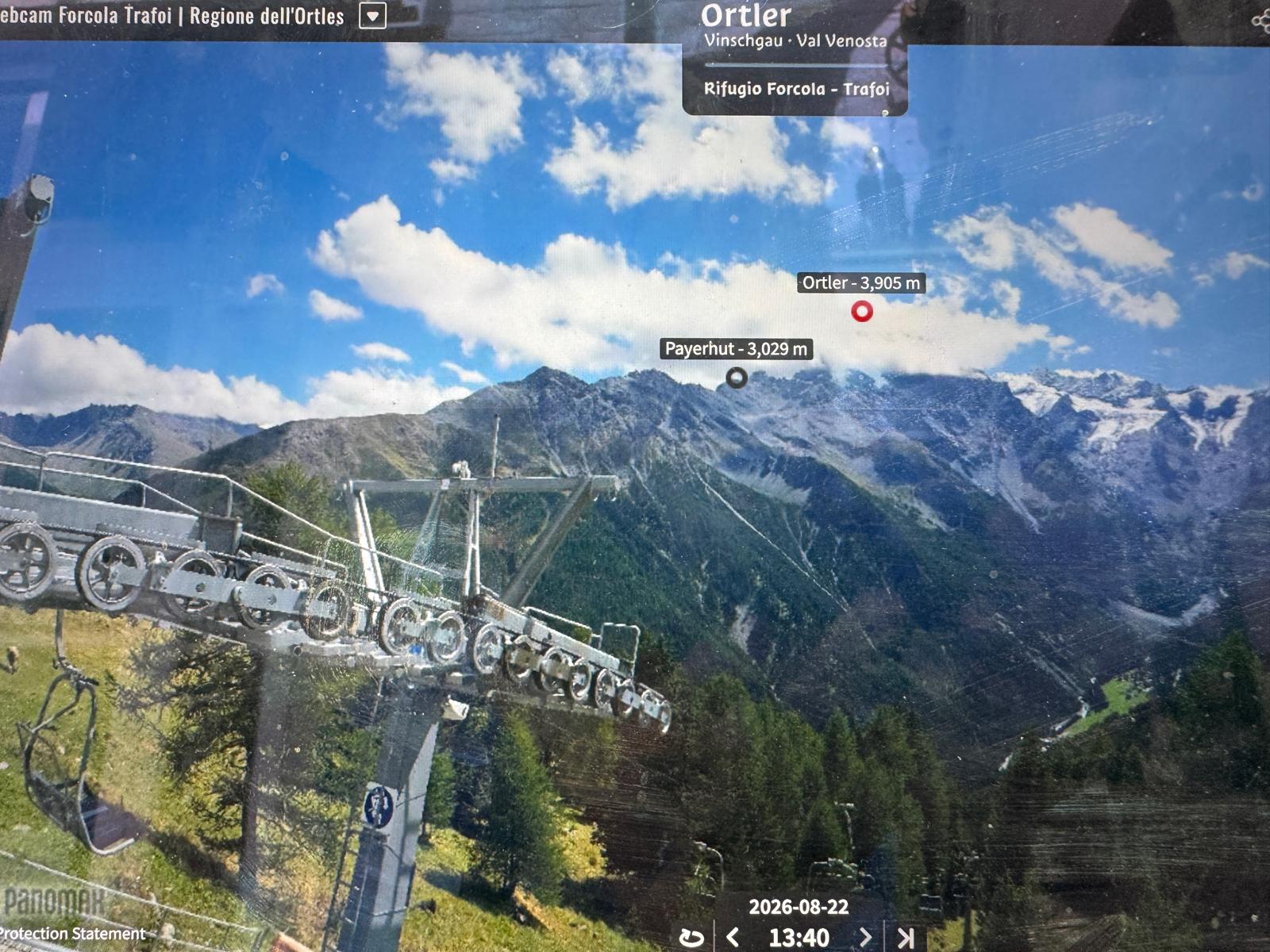
Webcam Forcola Trafoi Region with the Ortles in the background. https://webcam.myortler.it/trafoi

A series of landslides and debris flows has hit South Tyrol following heavy rainfall, with up to 30,000 cubic metres of debris moving near Trafoi below the Ortler and another major mudslide cutting access to Capanna Alpina in Alta Badia.

The incidents add to a growing number of slope failures reported across the Alps this summer, as scientists and mountain authorities increasingly warn about the destabilising effect of warming temperatures and thawing permafrost on high-altitude terrain.

Up to 30,000 cubic metres of debris at Trafoi

Shortly after 5pm on 20 August, a major debris flow occurred in the Rio di Plaies at Trafoi, in the municipality of Stelvio/Stilfs.

According to South Tyrol’s provincial authorities, an estimated 20,000 to 30,000 cubic metres of material moved down the mountain.

The debris obstructed the Rio Vedretta del Circo and travelled as far as the pedestrian bridge leading towards the Santuario delle Tre Fontane Sacre, the historic Three Holy Fountains sanctuary near Trafoi.

The bridge narrowly escaped being overwhelmed during the initial event, but by the following day the stream channel beneath it was almost completely blocked.

South Tyrol’s mountain basin authorities deployed two excavators to begin clearing the channel, although the material initially remained too wet for the operation to be completed.

Continue reading “Landslides Hit South Tyrol as Thawing Permafrost Destabilises Alpine Slopes”

Monte Pelmo Rockfalls: Geologist Warns More Collapses Are Likely

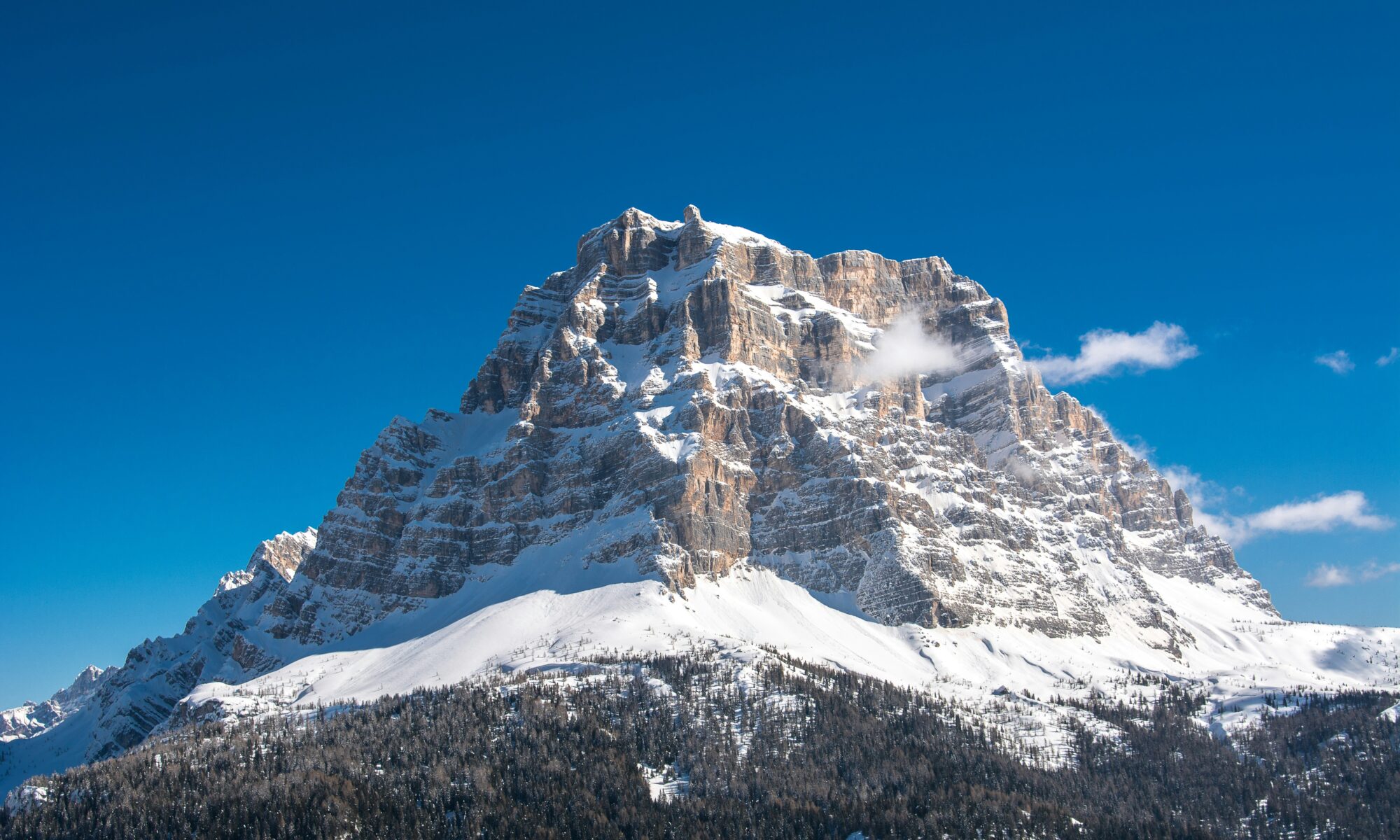
Monte Pelmo as seen from Borca di Cadore. Photo: Gian Pietro Dragoni. Unsplash.

A series of rockfalls on Monte Pelmo in the Italian Dolomites is raising concern after seven significant collapses were recorded in just three weeks, including five in five days, as exceptionally high temperatures continue to affect the Alps.

The latest warning comes from Aldino Bondesan, professor of Physical Geography and Geomorphology at the University of Padua, who says further collapses should be expected and has urged visitors to respect restrictions around affected mountain areas.

The 3,168-metre Monte Pelmo, one of the most recognisable peaks in the Dolomites, had already been affected by repeated rockfalls during the current Alpine heatwave. The situation was included in our wider report on the impact of extreme temperatures across the Alps.

READ MORE: Alps Heatwave Intensifies as Glacier and High-Mountain Closures Spread

Continue reading “Monte Pelmo Rockfalls: Geologist Warns More Collapses Are Likely”

15,000m³ Rockfall at Aiguille du Midi as Extreme Heat Destabilises Mont Blanc

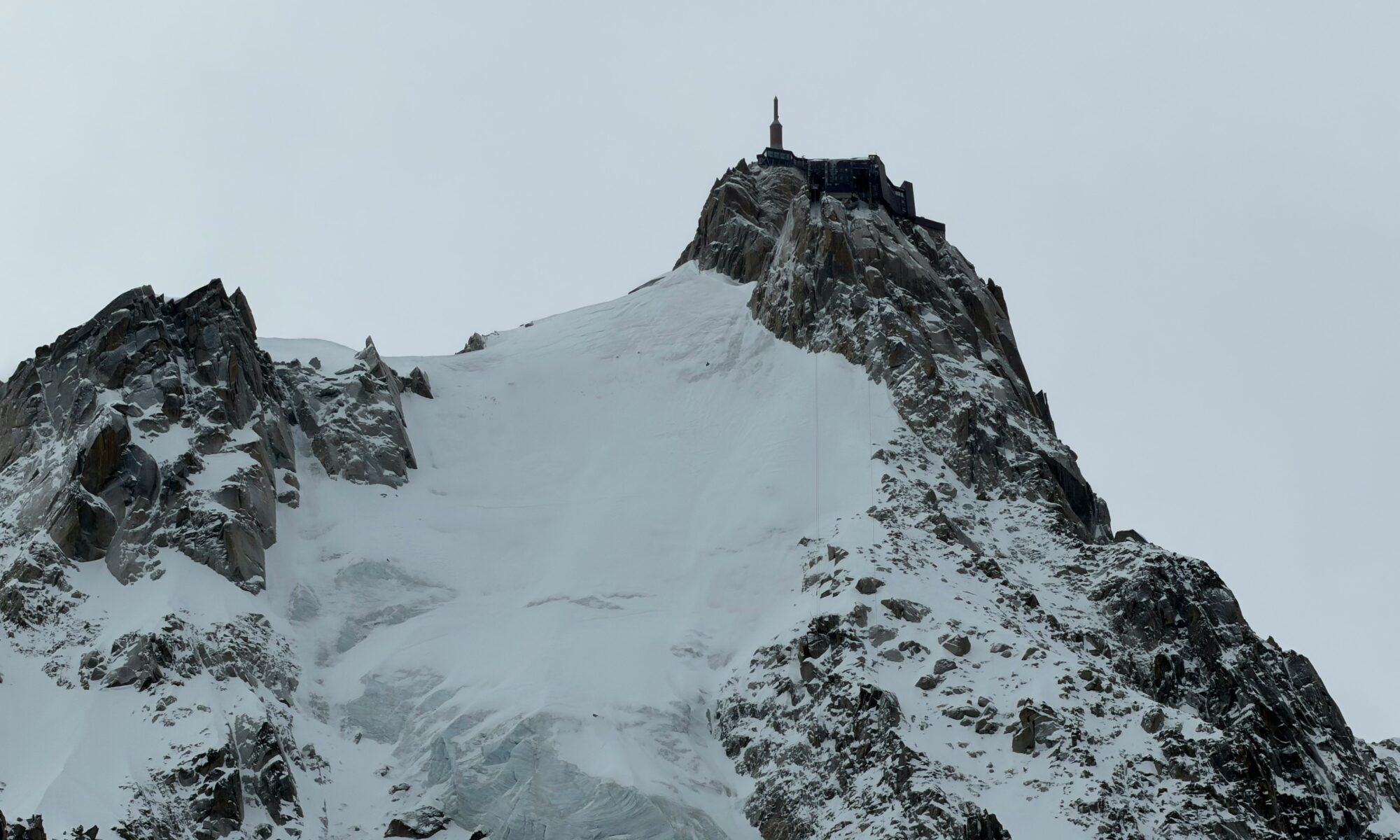
Aiguille du Midi- Photo: Upendra Wanmali. Unsplash.

A major rockfall estimated at around 15,000 cubic metres has occurred on the north face of the Aiguille du Midi above Chamonix, adding to growing evidence of instability across the Mont Blanc massif during this summer’s extreme heat.

The collapse happened around midday on Wednesday, 12 August, at more than 3,600 metres altitude, according to French regional newspaper Le Dauphiné Libéré.

The event comes during an exceptionally difficult period in the high Alps, where sustained heat is accelerating glacier melt, warming permafrost and increasing the instability of some high-altitude rock faces.

Around 15,000 Cubic Metres of Rock Fell

Ludovic Ravanel, a geomorphologist at the CNRS and member of the Compagnie des Guides de Chamonix, estimated the volume of the collapse at approximately 15,000 cubic metres.

Continue reading “15,000m³ Rockfall at Aiguille du Midi as Extreme Heat Destabilises Mont Blanc”

Extreme Heat Pushes Alpine Glaciers Into Crisis After Matterhorn Rockfall

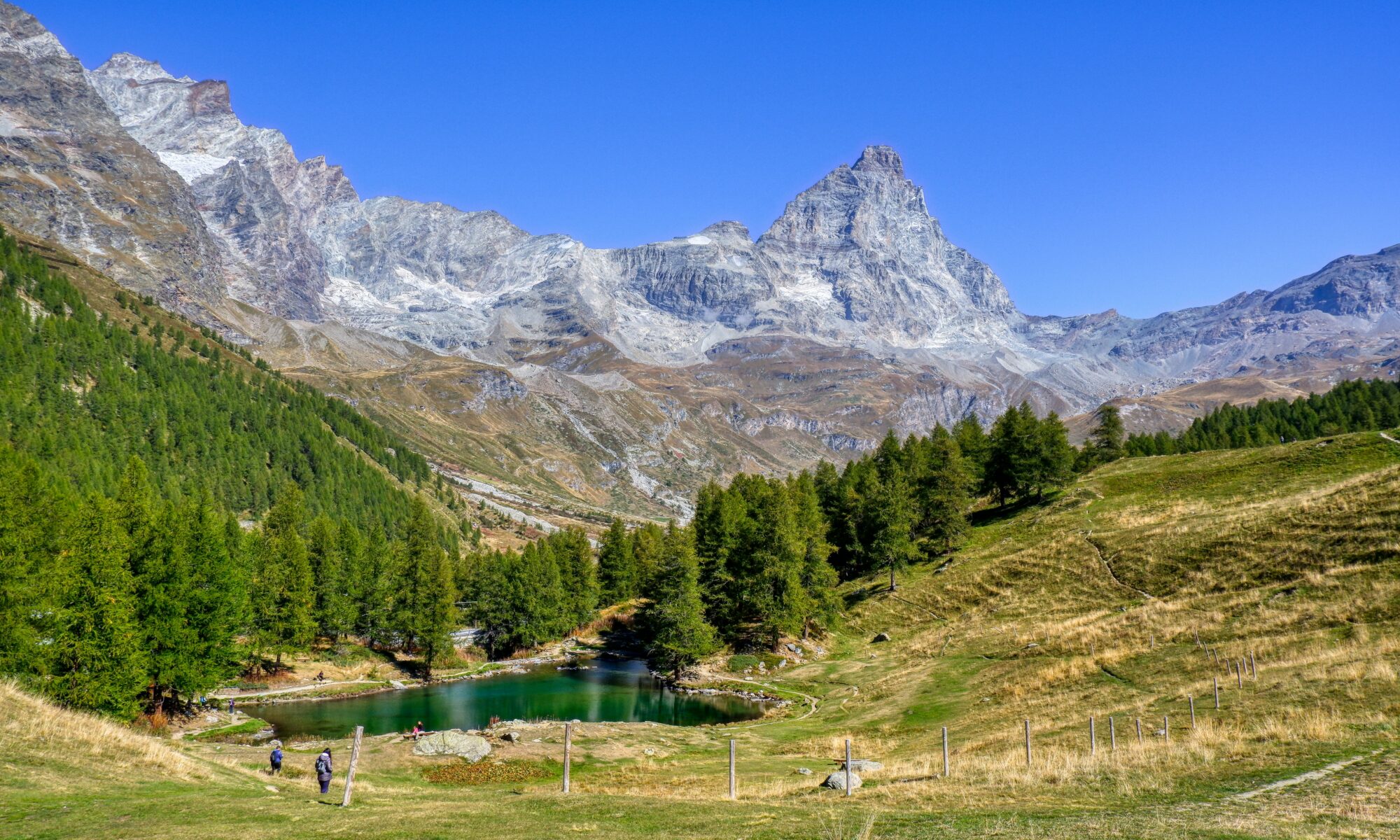
Lago Blu in Cervinia. Photo: Antonio Sessa. Unsplash.

Just one day after a large rockfall on the Matterhorn shocked the Alpine community, authorities and scientists across the Alps are warning that the exceptional heat gripping southern Europe is accelerating glacier melt and increasing instability in high mountain areas.

Italy remains under widespread red heat alerts, with meteorologists expecting the heatwave to continue through at least Ferragosto. While cities are enduring record temperatures, the impact is proving just as dramatic in the mountains, where glaciers are retreating at unprecedented rates and frozen rock is beginning to thaw.

One of the clearest indicators of the current conditions is the zero-degree isotherm. Normally found between 3,500 and 4,000 metres during summer, it remained between 5,500 and 5,800 metres for several days in July—around 1,400 metres higher than normal. This meant that even the highest Alpine peaks were experiencing temperatures above freezing, dramatically accelerating glacier melt while weakening the permafrost that helps hold mountain rock together.

Continue reading “Extreme Heat Pushes Alpine Glaciers Into Crisis After Matterhorn Rockfall”

Large Rockfall on the Matterhorn/Cervino Sends Huge Dust Cloud into the Air

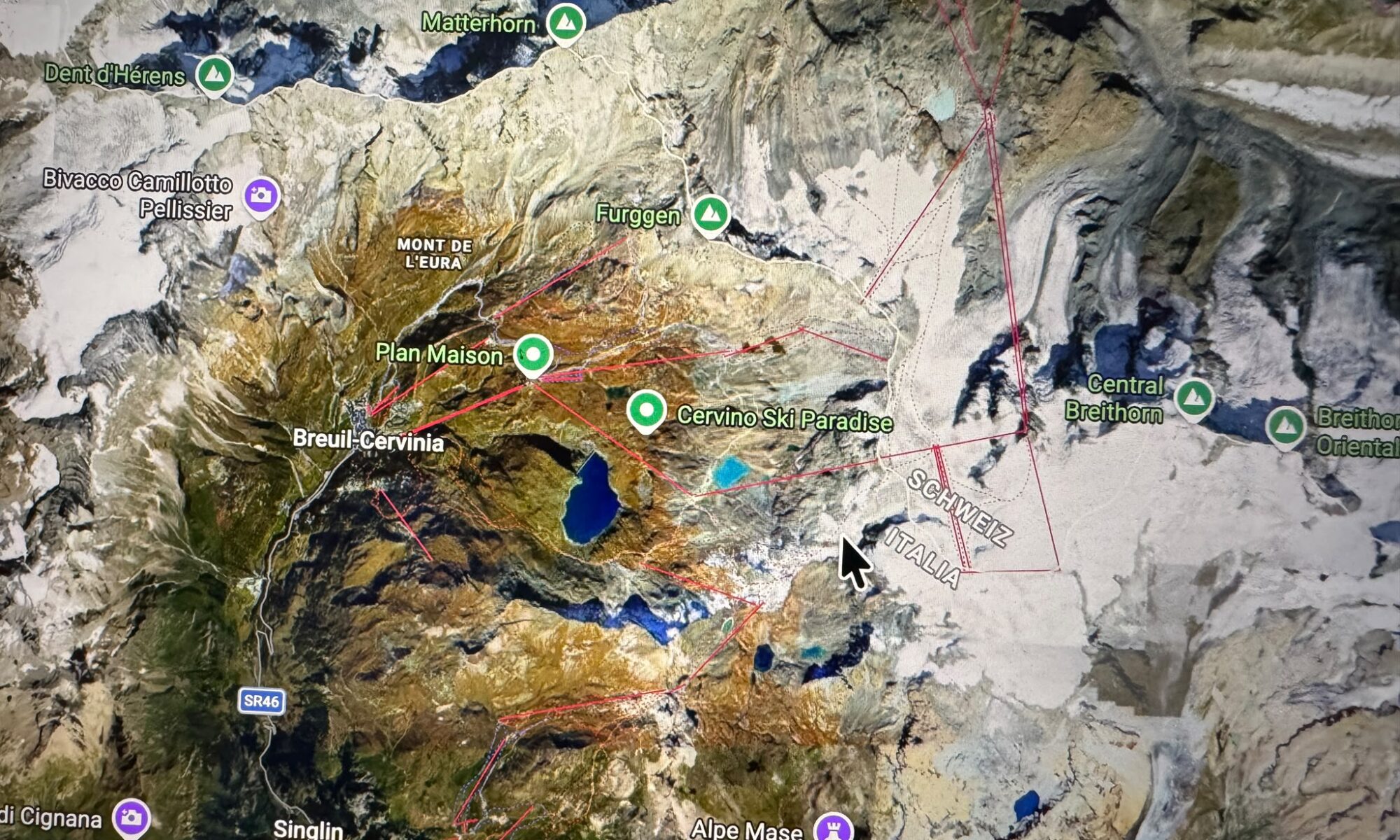
Image credit: Google Maps.

A large rockfall occurred on the Italian side of the Matterhorn, known locally as the Cervino, sending an imposing cloud of dust down the mountain. No people were involved in the incident.

The collapse took place on the mountain’s south face and was captured in footage that has since circulated widely online. The images show the dust cloud expanding rapidly below the rock face, making the event clearly visible from the surrounding area.

According to local reports, the rockfall did not affect the Cresta del Leone, or Lion Ridge, which forms the normal Italian climbing route to the 4,478-metre summit. There have also been no reports of damage to inhabited areas or tourism infrastructure.

Continue reading “Large Rockfall on the Matterhorn/Cervino Sends Huge Dust Cloud into the Air”

Courchevel’s Sinking Reservoir Highlights Growing Alpine Infrastructure Risks

Courchevel. Photo: Piotr Figlarz. Unsplash.

High above the famous French ski resort of Courchevel, a giant artificial water reservoir built to support snowmaking operations is now raising serious concerns about Alpine infrastructure stability in a warming climate.

The reservoir, located above the village of La Tania at around 2,270 metres altitude, was constructed to supply artificial snow for the new Éclipse piste, developed for the 2023 Alpine World Ski Championships and linked to preparations for future international winter sports events. But according to recent investigations by Le Monde, the structure is now subsiding at an alarming rate.

Continue reading “Courchevel’s Sinking Reservoir Highlights Growing Alpine Infrastructure Risks”