Snowmaking and Water in the Alps: When Do New Reservoirs Make Sense?

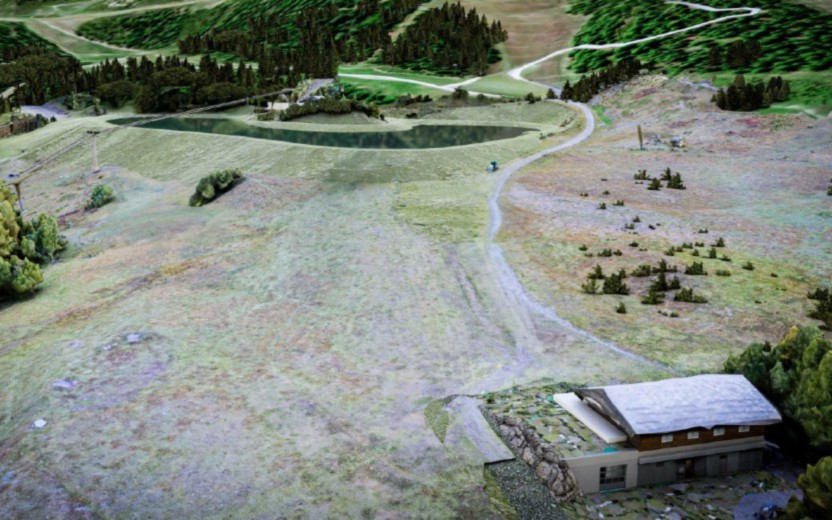
A rendering of Lake Leisse around 2,100 meters- Courtesy of Pila sPa.

A snow gun needs cold enough conditions and a supply of water. A reservoir can help with the second part by storing water for use when conditions are right. But where will that water come from, and what happens to the people and ecosystems that already depend on it?

Those questions are at the heart of BECCA, a French–Italian climate adaptation project led by the Aosta Valley. At its final conference on 4 November 2026, the project presented a strategy for deciding whether and where to build small mountain reservoirs, alongside a bilingual technical guide for designing, building and maintaining them. www.interreg-alcotra.eu

Continue reading “Snowmaking and Water in the Alps: When Do New Reservoirs Make Sense?”

La Thuile Replaces Two Ageing Chairlifts with Major Gondola Upgrade for 2026/27

Pista 3, Franco Berthod, a renown super steep black run in La Thuile. Photo: Tourism Office La Thuile.

Italian resort La Thuile is preparing one of its biggest lift infrastructure upgrades in recent years, with a new 10-seater gondola set to replace two of the ski area’s older chairlifts ahead of the 2026/27 winter season.

The project will replace the ageing La Combe and Chaz Dura fixed-grip chairlifts on the front side of the mountain, one of the main circulation areas linking the Italian resort with the wider Espace San Bernardo ski domain shared with La Rosière in France.

According to local and regional reporting, the new gondola — officially referred to as the Les Suches–Chaz Dura telecabina — is designed to significantly improve uphill transport capacity, skier flow, and beginner access on one of the resort’s busiest sectors.


Update — October 2026: La Thuile’s new gondola will be called Vedette, with opening planned for December 2026. Its design draws inspiration from historic Alpine fortifications, while a panoramic restaurant is expected to follow in December 2027. Read our latest update on the Vedette gondola, its name and the story behind its architecture.


Continue reading “La Thuile Replaces Two Ageing Chairlifts with Major Gondola Upgrade for 2026/27”

Alpine Ski Resorts Are Covering Glaciers to Slow Melting — But Can It Last?

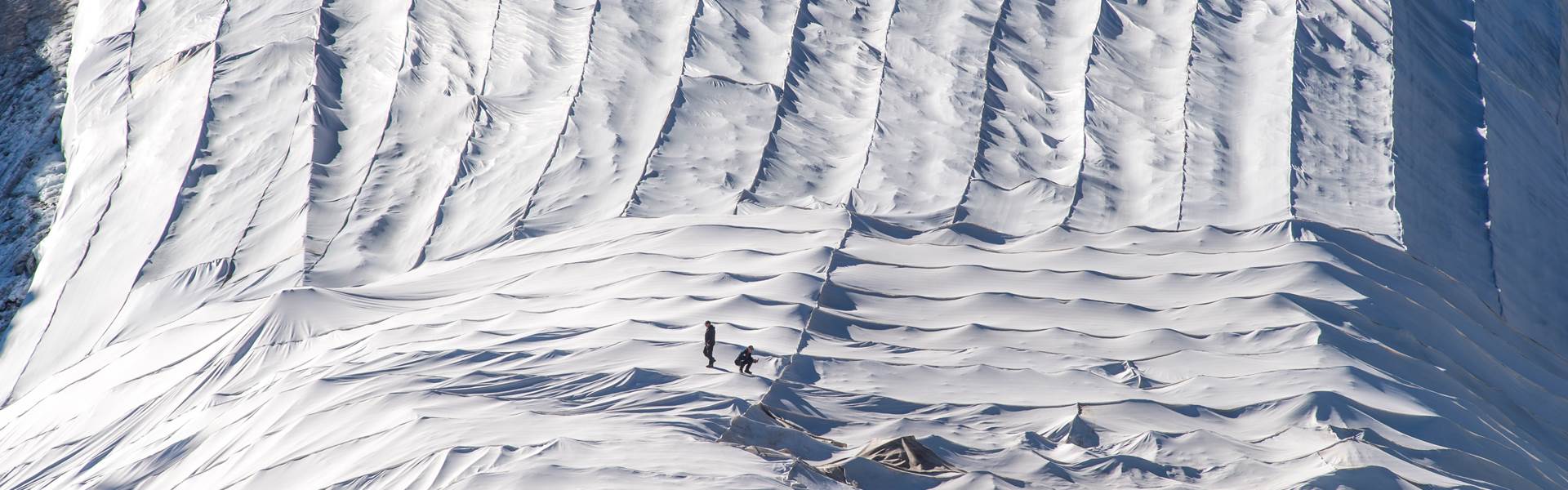
Photo credit: Pontedilegno Tonale- pontedilegnotonale.com

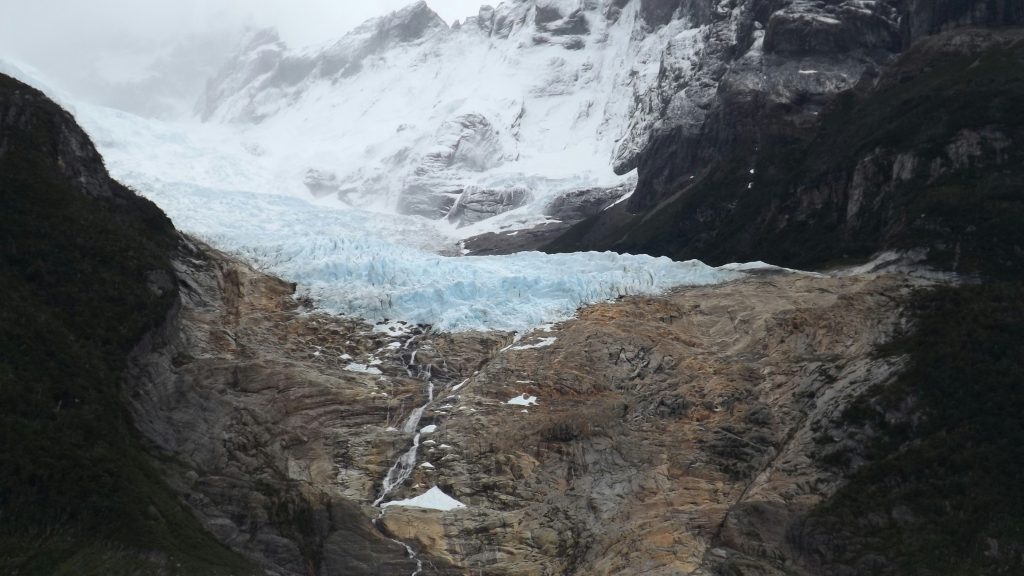
As glaciers across the Alps continue to shrink, some ski resorts are increasingly turning to reflective geotextile covers, snow farming, and other snow-preservation techniques in an attempt to protect glaciers, maintain ski operations, and preserve critical mountain infrastructure.

The images often go viral online as “ski resorts covering glaciers with plastic sheets,” but the reality is more complex. Most resorts use reflective geotextile fleece designed to reduce summer melting by insulating snow and ice from solar radiation.

The latest example attracting attention is the glacier area around Diavolezza in Switzerland’s Engadin region, where snow preservation and glacier management techniques have become part of long-term ski operations at altitude. Researchers note that the former glacier skiing area at Diavolezza now survives “solely thanks to snow farming and covering.”

Continue reading “Alpine Ski Resorts Are Covering Glaciers to Slow Melting — But Can It Last?”

Can Summer Tourism Save Mountain Resorts After a Difficult Winter?

The view just in the entrance to Lago d'Arpy- the view of the Catena di Monte Bianco. Photo: The-Ski-Guru. Can Summer Tourism Save Mountain Resorts After a Difficult Winter?

Western mountain destinations in North America are heading into summer 2026 with growing optimism after one of the most challenging winters in recent years. But behind the upbeat headlines, the picture is far more complicated.

New lodging data from Inntopia’s DestiMetrics division suggests that summer bookings across western mountain resorts are rising strongly after a weak and warm winter season. Occupancy, rates and revenues for the May-to-October period are currently ahead of last year. Yet the same data also reveals just how difficult the 2025/26 winter became for many mountain economies — and raises larger questions about whether summer tourism can really compensate for increasingly volatile winters.

This is not just a North American story. Across the Alps and other mountain regions worldwide, resorts are increasingly trying to diversify beyond skiing through hiking, biking, wellness, festivals and year-round tourism. But whether summer can truly replace winter revenue remains uncertain.

Continue reading “Can Summer Tourism Save Mountain Resorts After a Difficult Winter?”

Are Investors Losing Faith in the Mega-Resort Ski Model?

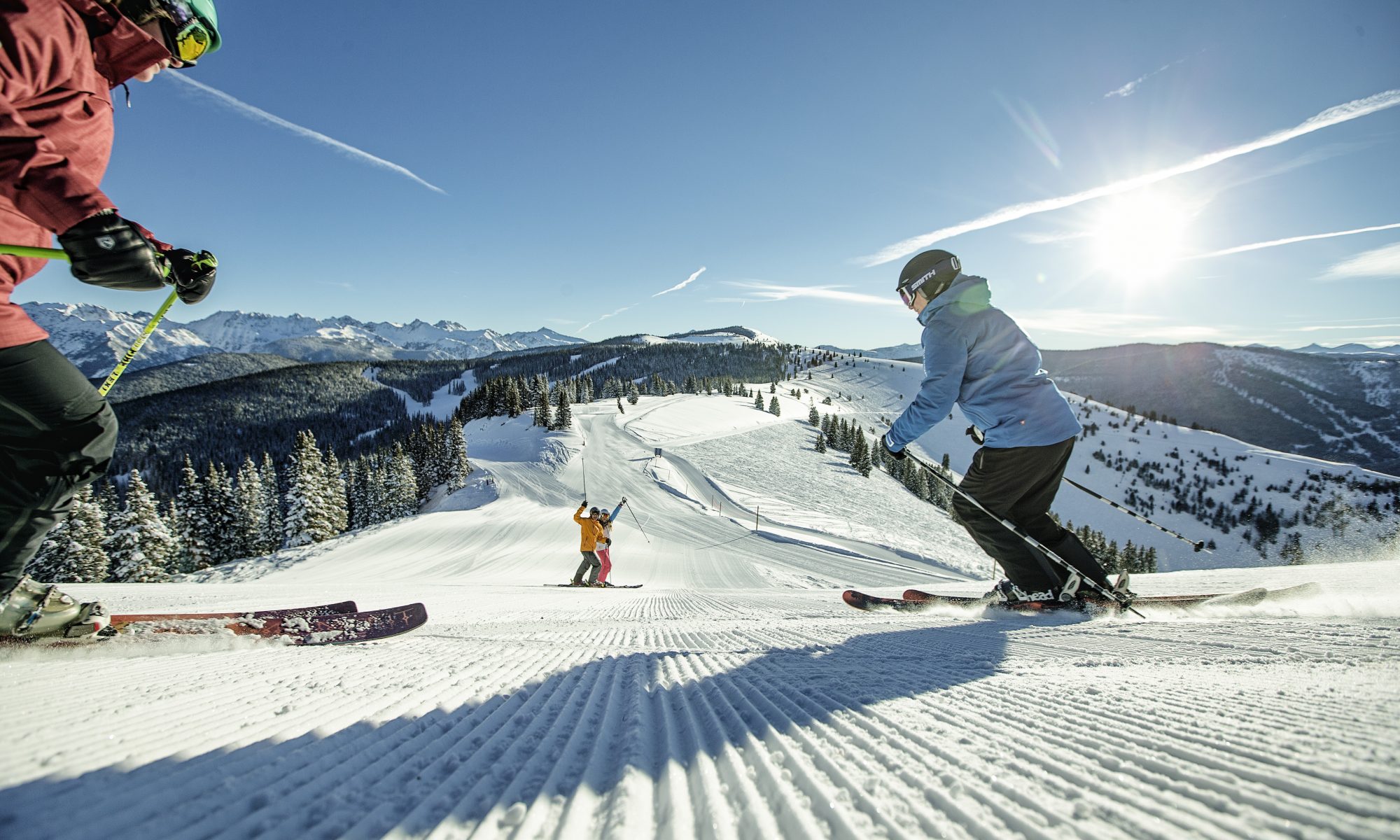
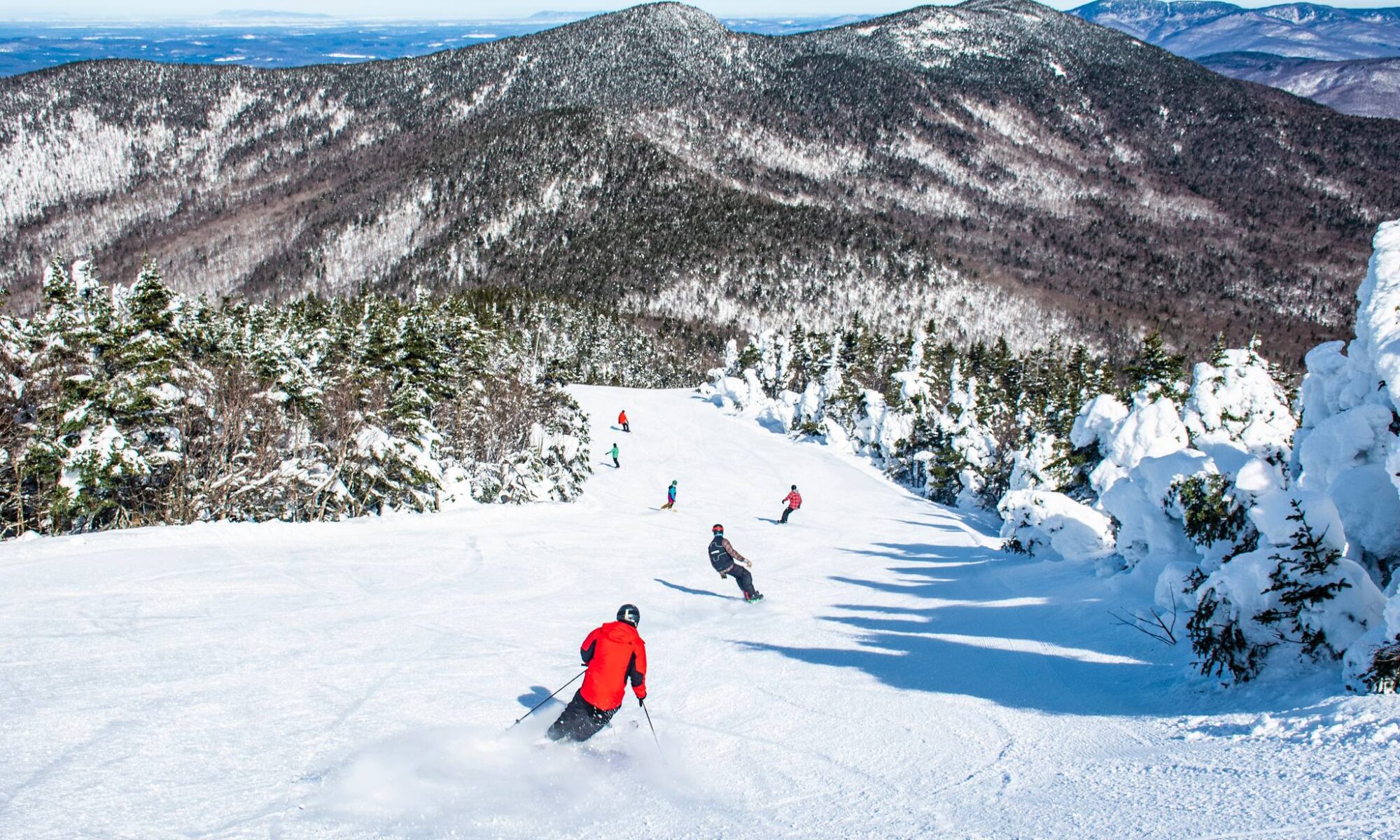
Friends Skiing Groomed Terrain in Vail, CO.. Photo: Daniel Milchev. Vail Resorts.

A recent filing showing that investment firm MSA Advisors sold its entire position in Vail Resorts may not be major news on its own. Institutional investors buy and sell shares every day. But in the context of the current ski industry landscape, the move raises broader questions about whether Wall Street is becoming more cautious about the future of the large destination ski resort model.

Over the past decade, Vail Resorts became one of the defining success stories of the modern ski industry. Through the growth of the Epic Pass, aggressive acquisitions, and expansion into Europe, the company transformed skiing into a subscription-style global business. Investors rewarded that strategy for years, helping turn Vail into one of the most valuable ski companies in the world.

But the environment facing ski resort operators in 2026 looks very different from the one that fuelled that expansion.

Continue reading “Are Investors Losing Faith in the Mega-Resort Ski Model?”

Are Fragmented Alpine Ski Resorts Becoming Unsustainable?

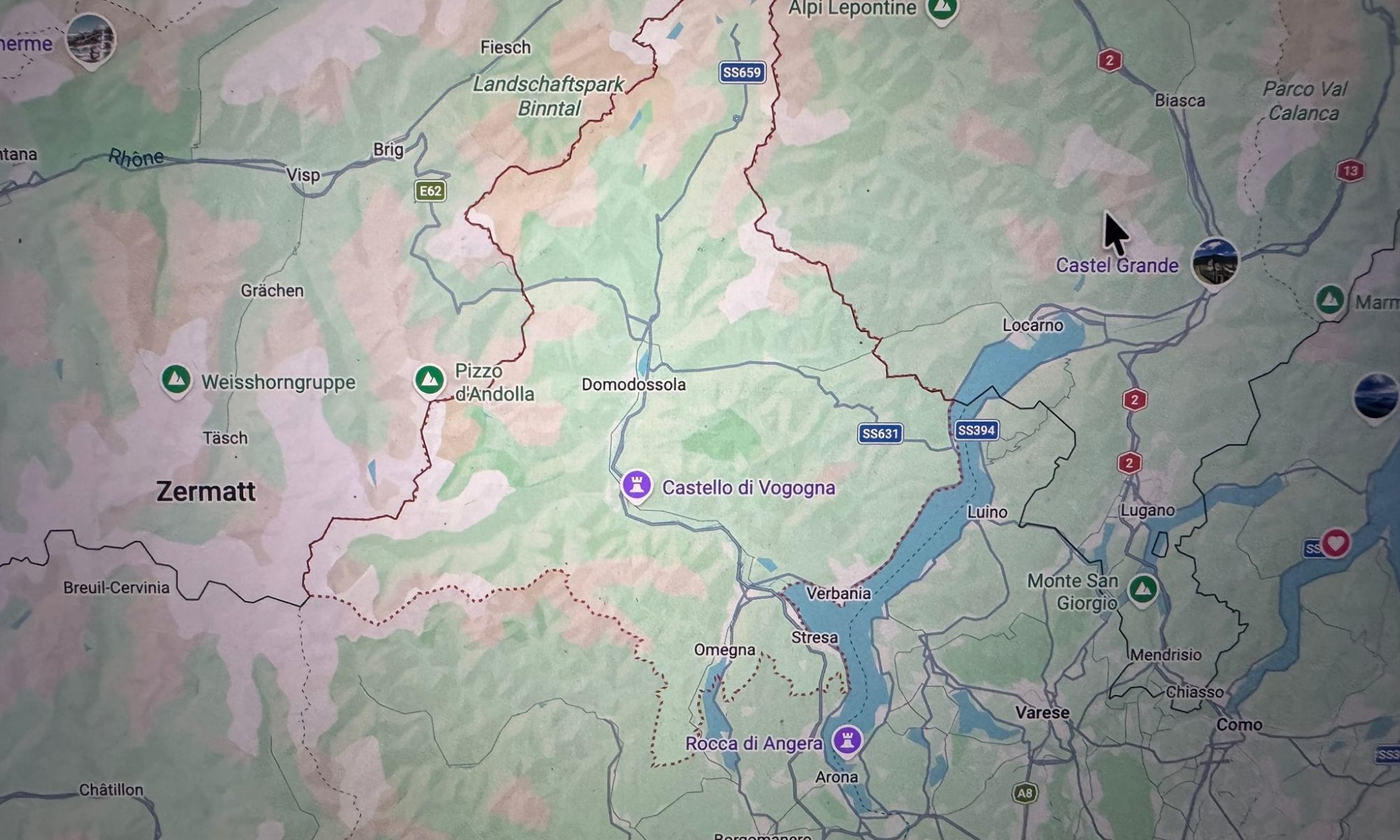
Verbano-Cusio-Ossola. Google Maps.

Across the Alps, a growing number of ski destinations are facing the same difficult question: can smaller mountain municipalities still afford to develop and modernise ski infrastructure on their own?

Two recent stories from northern Italy suggest the Alpine ski industry may be entering a new phase — one defined less by endless expansion and more by consolidation, selective investment and regional cooperation.

In Lombardy, the municipality of Valfurva recently abandoned plans for a new lift connection linking the valley more directly to Bormio’s ski area. The proposed project, intended to connect the S. Antonio/S. Nicolò area with the Bormio slopes, had already secured part of its public funding but ultimately failed to move forward because the remaining financing and permitting timelines proved too difficult to complete. Local officials described the decision as “painful, but inevitable.”

Continue reading “Are Fragmented Alpine Ski Resorts Becoming Unsustainable?”

Valfurva Abandons Planned Lift Connection to Bormio Ahead of Milan-Cortina 2026

Santa Caterina. Province of Sondrio. Photo: Jan Jirasek. Unsplash.

Not every Alpine resort is rushing into new ski lift expansion ahead of the Milan-Cortina 2026 Winter Olympics. In Alta Valtellina, the municipality of Valfurva has officially abandoned plans for a new lift connection that would have provided direct access from the lower Valfurva valley to the Bormio ski area. 

The proposed “S. Antonio/S. Nicolò – Località Cimino” lift and return piste would have linked Valfurva more directly to Bormio’s slopes, in what had been presented as part of a broader vision of greater integration between the ski areas of Alta Valtellina. 

According to local reports and comments from Valfurva mayor Luca Bellotti, the decision was ultimately driven by a combination of timing, financing and permitting issues. The project, valued at more than €9 million, had already secured approximately €4.5 million in public funding through Italy’s Fondo Comuni Confinanti, but the remaining financing was never fully secured. The municipality also faced extremely tight deadlines tied to the funding programme, requiring feasibility documentation to be completed by September. 

Continue reading “Valfurva Abandons Planned Lift Connection to Bormio Ahead of Milan-Cortina 2026”

Is the Future of Ski Resorts Becoming Local Again?

Black Mountain, operated by Indy Pass. Photo: Indy Pass.

As climate pressures, rising infrastructure costs, labour shortages and industry consolidation reshape skiing on both sides of the Atlantic, an unexpected trend is emerging: communities, municipalities and cooperative groups are increasingly stepping in to save, buy or directly influence ski areas they see as essential to local survival.

What once looked like isolated rescue stories is beginning to resemble a wider structural shift in how smaller ski resorts survive.

The latest example comes from Canada, where the Sault Ste. Marie Economic Development Corporation in Ontario stepped in to purchase the historic Searchmont Resort. Local officials described the ski hill as a “vital community asset” tied not only to tourism, but also to jobs, economic development and the wider identity of the region. The acquisition followed years of operational struggles and municipal support aimed at keeping the mountain open.

The story reflects a growing idea emerging across mountain regions: ski hills are increasingly being viewed less as standalone private businesses and more as strategic community infrastructure.

Continue reading “Is the Future of Ski Resorts Becoming Local Again?”

Glaciers Are No Longer “Stable”: What Alpine Authorities Are Being Told to Do About It

Plampincieux Iconography - from Daily Mail. A fast-melting glacier in the Mont Blanc raised an alarm in the area of Val Ferret of Courmayeur.

Glacial and Periglacial Risk in the Alps: What Authorities Are Being Told to Do

For decades, glaciers in the Alps were treated as slow, predictable features of the mountain landscape. Today, that assumption no longer holds.

A new technical document published by Fondazione Montagna Sicura, in collaboration with Italy’s Civil Protection system and scientific partners, makes this very clear:
glacial and periglacial areas are becoming more unstable, more unpredictable, and more dangerous — and everyone involved in mountain management needs to adapt.

The report, “Glacial and Periglacial Risk in Alpine Environments – A Methodological Framework”, is not written for tourists. It is written for the people responsible for keeping mountain regions safe — and its recommendations reveal how deeply climate change is reshaping the Alps.


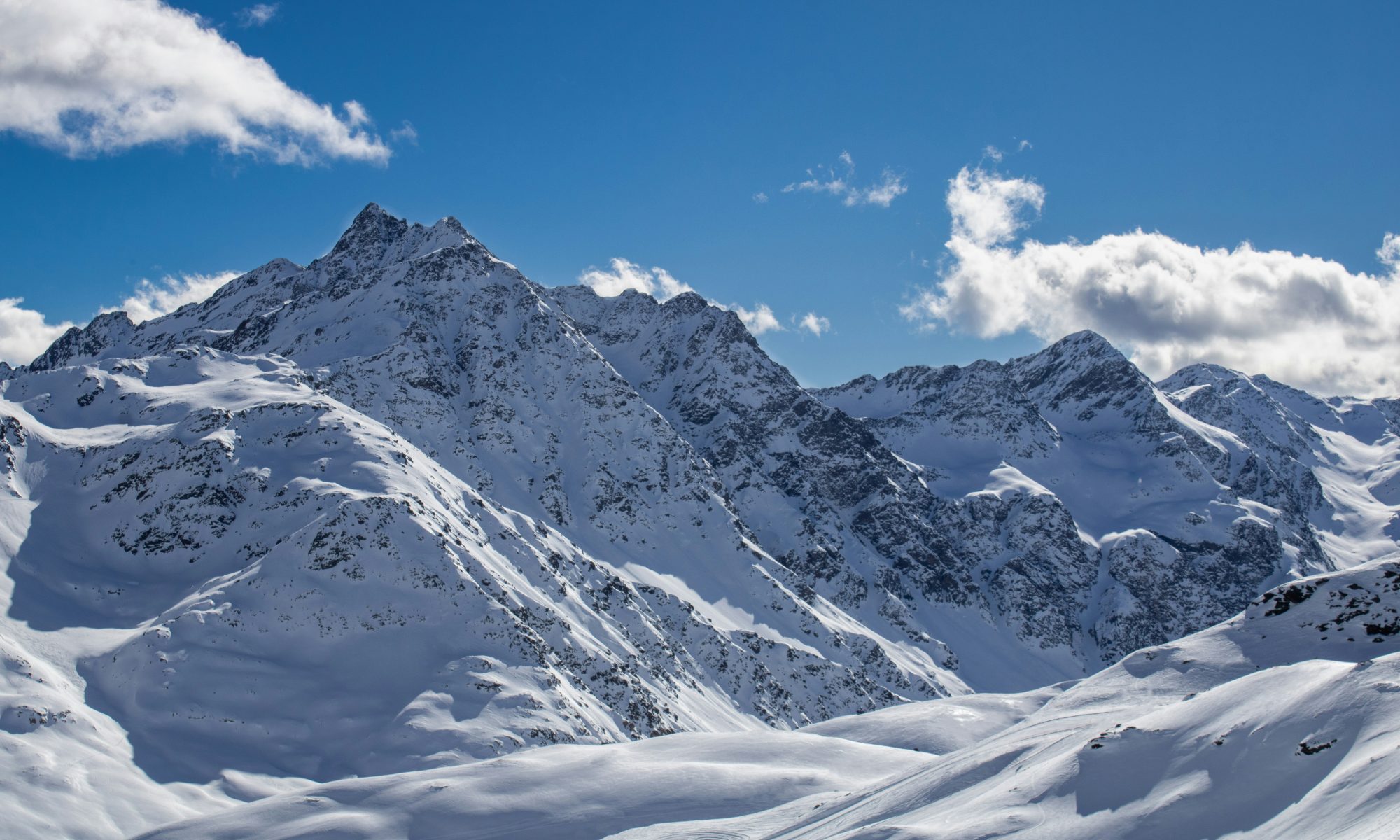
Photo: Mauro Hernandez. Unsplash. Glaciers Are No Longer “Stable”: What Alpine Authorities Are Being Told to Do About It.


Continue reading “Glaciers Are No Longer “Stable”: What Alpine Authorities Are Being Told to Do About It”