

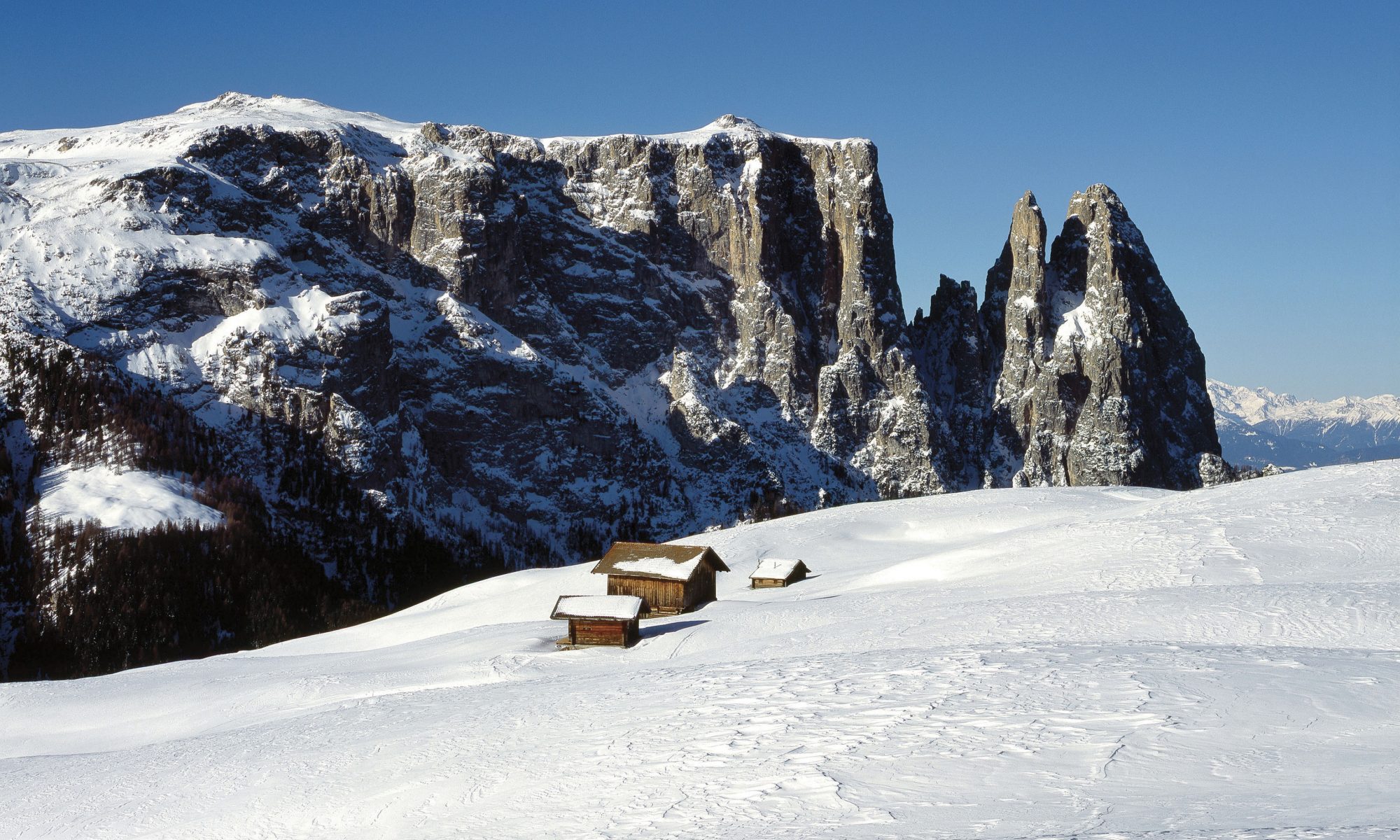
Tourists Arrive, but Snow Is Missing Across the Italian Alps
Introduction
The 2025 winter season in the Italian Alps is once again highlighting a difficult and increasingly familiar reality: tourists are arriving on schedule, but snow conditions are not.
Tourists Arrive, but the Snow Doesn’t: A Worrying Winter Across the Italian Alps.
From South Tyrol to Trentino and across the Dolomites, ski resorts are facing closed pistes, rain at altitude, reduced snowpack, and mounting climate-related risks — all with immediate consequences for tourism and long-term implications for mountain regions.
South Tyrol & Trentino: Pistes Closed, Rain Falling at 1,800 Metres
In South Tyrol, approximately 25% of ski slopes are currently closed due to insufficient snow cover. Despite peak holiday demand, resorts are struggling to maintain skiable terrain, even with extensive snowmaking infrastructure.
In neighboring Trentino, the situation is equally challenging. Rain has been recorded up to 1,800 metres, rendering artificial snow production impossible for extended periods. Without sustained sub-zero temperatures, even the most advanced snowmaking systems are ineffective.
For local operators, this creates a difficult paradox: beds are full, but slopes are not.
The Bigger Picture: Alps Snowfall Down 75%
These conditions are not isolated. Recent data confirms a troubling long-term trend:
snow accumulation across parts of the Alps is down by as much as 75% compared to historical averages.
This decline affects far more than winter sports. Alpine snowpack functions as a natural water reservoir, gradually releasing meltwater throughout spring and summer. Reduced snowfall significantly increases the risk of summer droughts, impacting agriculture, hydroelectric power, and drinking water supplies across northern Italy.
Climate scientists warn that milder winters, higher freezing levels, and more precipitation falling as rain instead of snow are becoming the norm rather than the exception.
Dolomites & Arabba: Fragile Slopes and Instability
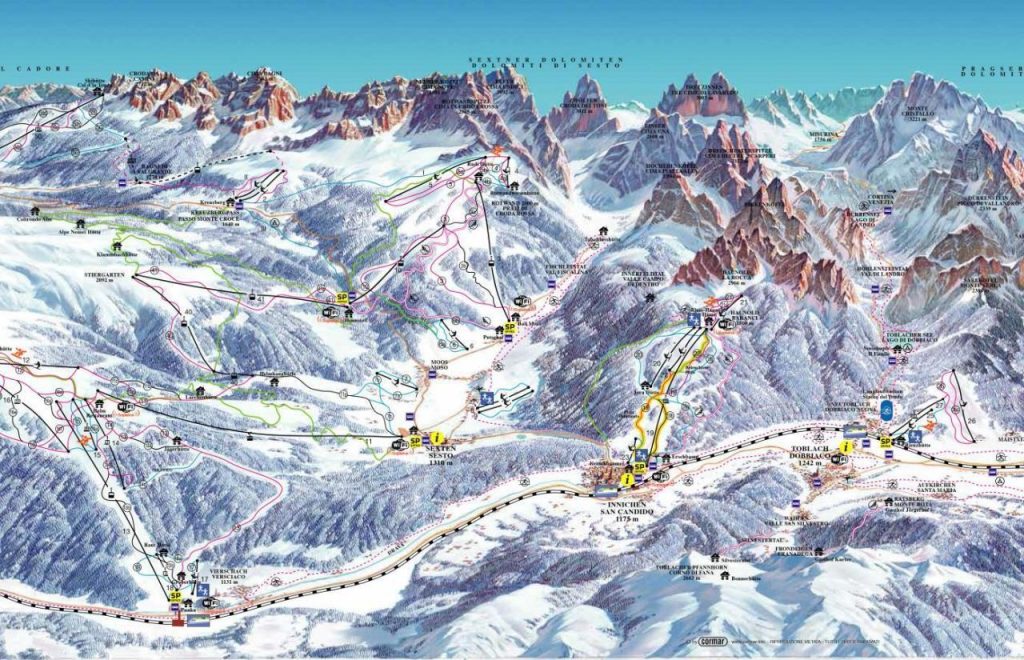
Tourists Arrive, but the Snow Doesn’t: A Worrying Winter Across the Italian Alps.
In the Dolomites, conditions have been particularly fragile. Around Arabba, warm temperatures have caused rapid snow loss on several pistes, forcing closures and funneling skiers onto limited open terrain.
In recent days, local headlines have also pointed to slope instability and mud movement in the area, linked to saturated ground, lack of snow cover, and rain at altitude. While investigations are ongoing and impacts remain localized, these events underline a growing concern:
without snow to stabilize the terrain, mountain environments become more vulnerable to erosion and landslides even in mid-winter.
This is a phenomenon increasingly observed across Alpine regions during snow-poor winters.
What This Means for Alpine Tourism
The implications for mountain destinations are profound:
Traditional ski-dependent business models are under pressure Artificial snow remains essential, but it has clear economic, environmental, and climatic limits Guest expectations are changing, often requiring clearer communication and more diversified experiences Year-round tourism strategies are no longer optional but necessary
Many resorts are already adapting by investing in winter hiking, wellness, gastronomy, cultural tourism, and four-season positioning — but the transition is uneven and costly.
A New Alpine Reality
The Italian Alps remain breathtaking, resilient, and deeply attractive — but the rules of winter are changing.
This season is another reminder that climate change is no longer a future scenario; it is actively reshaping how, when, and where winter tourism functions.
For destinations, tour operators, and travelers alike, the challenge ahead is not simply about saving a season — but about redefining what mountain tourism looks like in a warming world.
Start planning your next trip!
If looking to stay in the heart of the Mont Blanc Valley in the Aosta Valley, check the direct booking for Il Coure della Valdigne here. This is our own family home in the mountains, that I am renting out when not using.

Il Cuore della Valdigne. Book your lodging directly with me here.Il Cuore della Valdigne. Stay at the Heart of the Valdigne to ski in Courmayeur, La Thuile and Pila/Aosta.
If you prefer, you can also book my apartment through Booking.com
Booking might be cheaper if you have Genius status!
Check my Mountain Art on my Shop
You can go to my shop and see what have been inspiring me lately, lots mountain landscapes in soft pastels, and now in oils too. Go here to check my latest works!


Discover more from The-Ski-Guru
Subscribe to get the latest posts sent to your email.
 Subscribe to The-Ski-Guru here.
You must be logged in to post a comment.