Milano-Cortina 2026: Environmental Impact Under Scrutiny

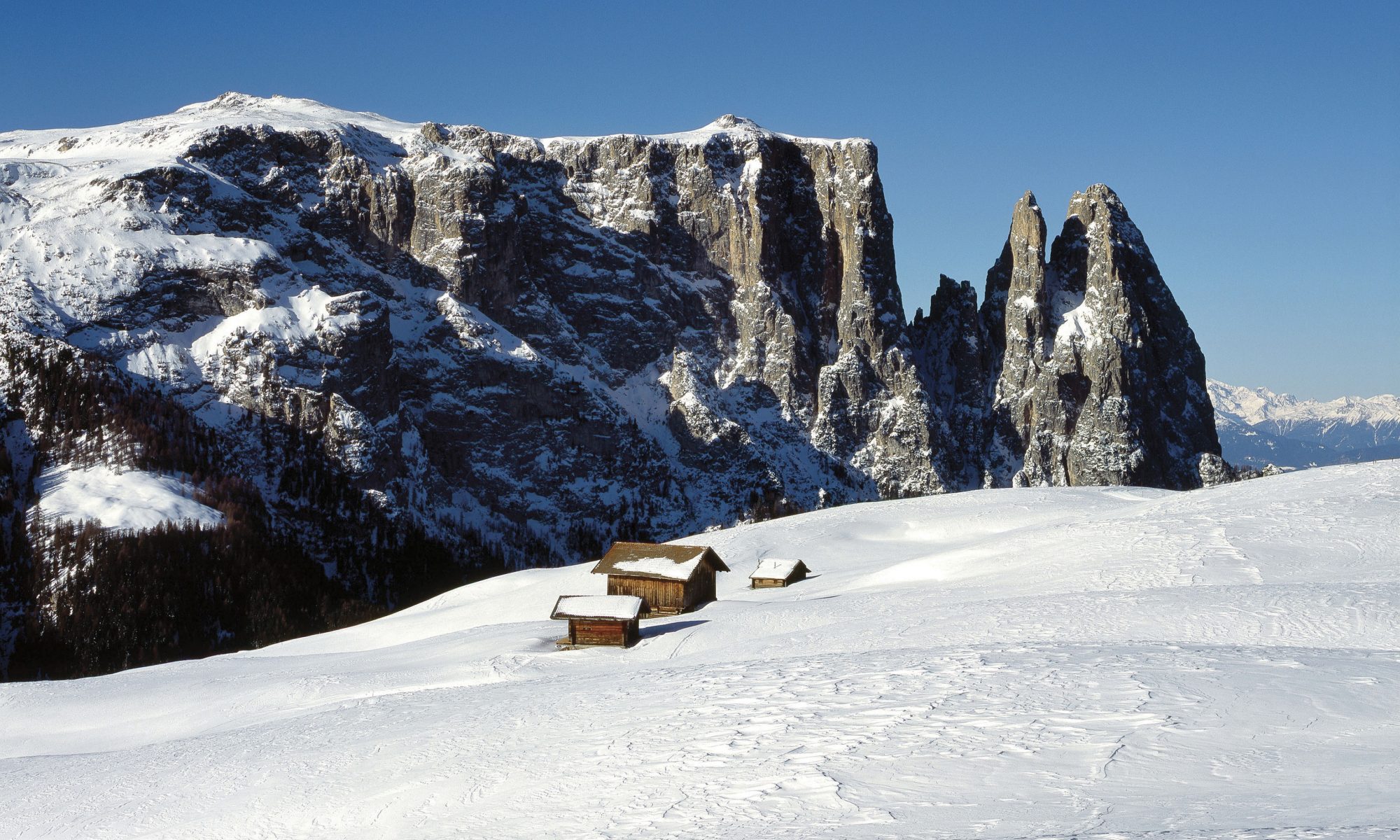
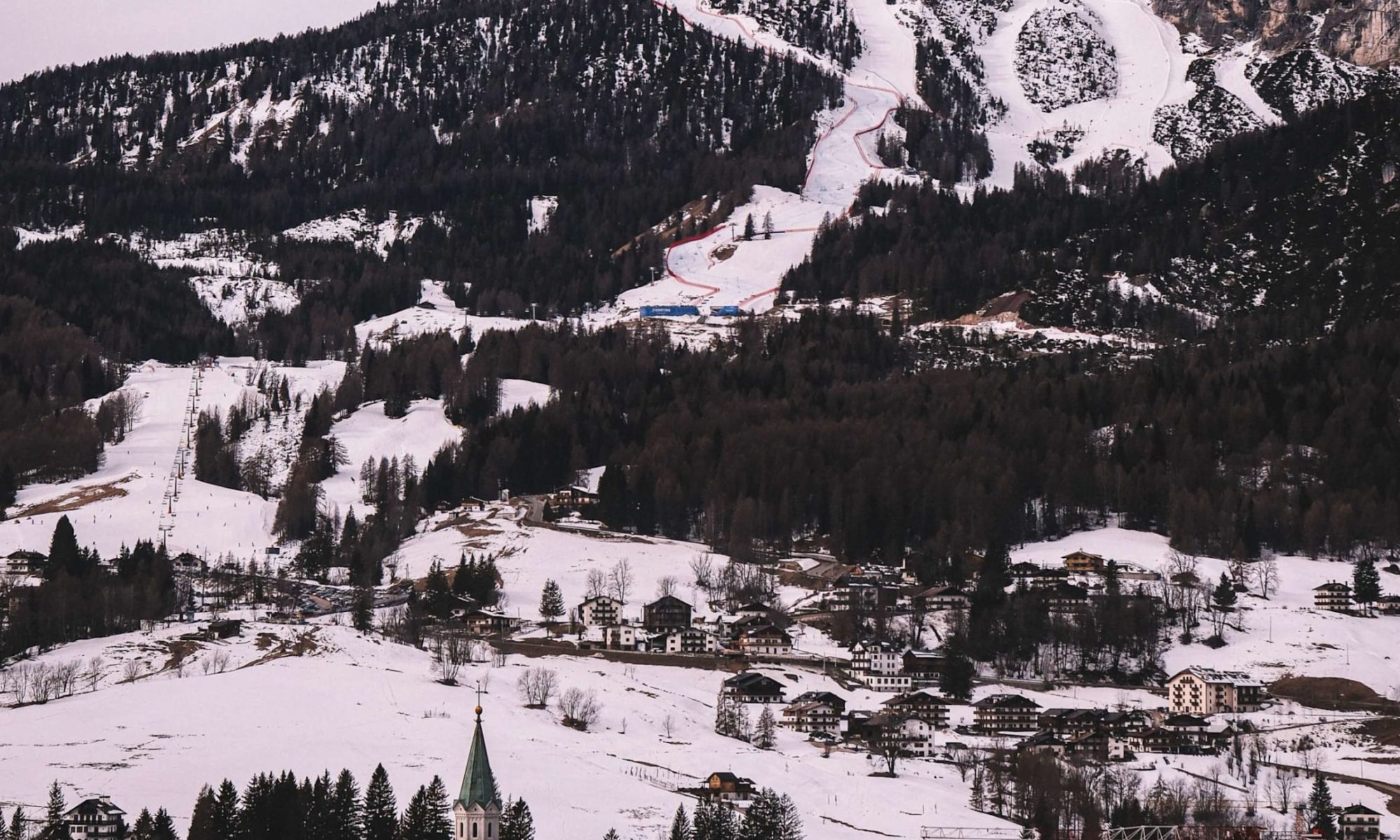
Cortina- Photo credit: Olympics.com

A Growing International Conversation

Recent reporting from The Guardian, alongside coverage from Le Monde, Associated Press and Euronews, has placed the environmental footprint of the Milano Cortina 2026 Winter Olympics under renewed scrutiny.

The focus is not a single project, but the broader ecological implications of hosting a multi-venue Winter Games across sensitive Alpine regions.

For a broader climate perspective, see my full analysis of snow conditions in a warming Alpine climate.


Key Areas of Discussion

Infrastructure & Construction

Particular attention has centred on works in Cortina d’Ampezzo, including sliding sports facilities and related upgrades.

Critics question whether forest clearance and construction activity align with sustainability messaging. Supporters argue that much of the Olympic model relies on upgrading existing venues rather than building entirely new complexes.


Artificial Snow & Water Resources

Like most modern Winter Games, Milano-Cortina 2026 will rely partly on artificial snow production to guarantee competition standards.

This involves:

  • Snowmaking infrastructure
  • Water storage systems
  • Energy use at altitude

Continue reading “Milano-Cortina 2026: Environmental Impact Under Scrutiny”
Snow Conditions in a Warming Alpine Climate

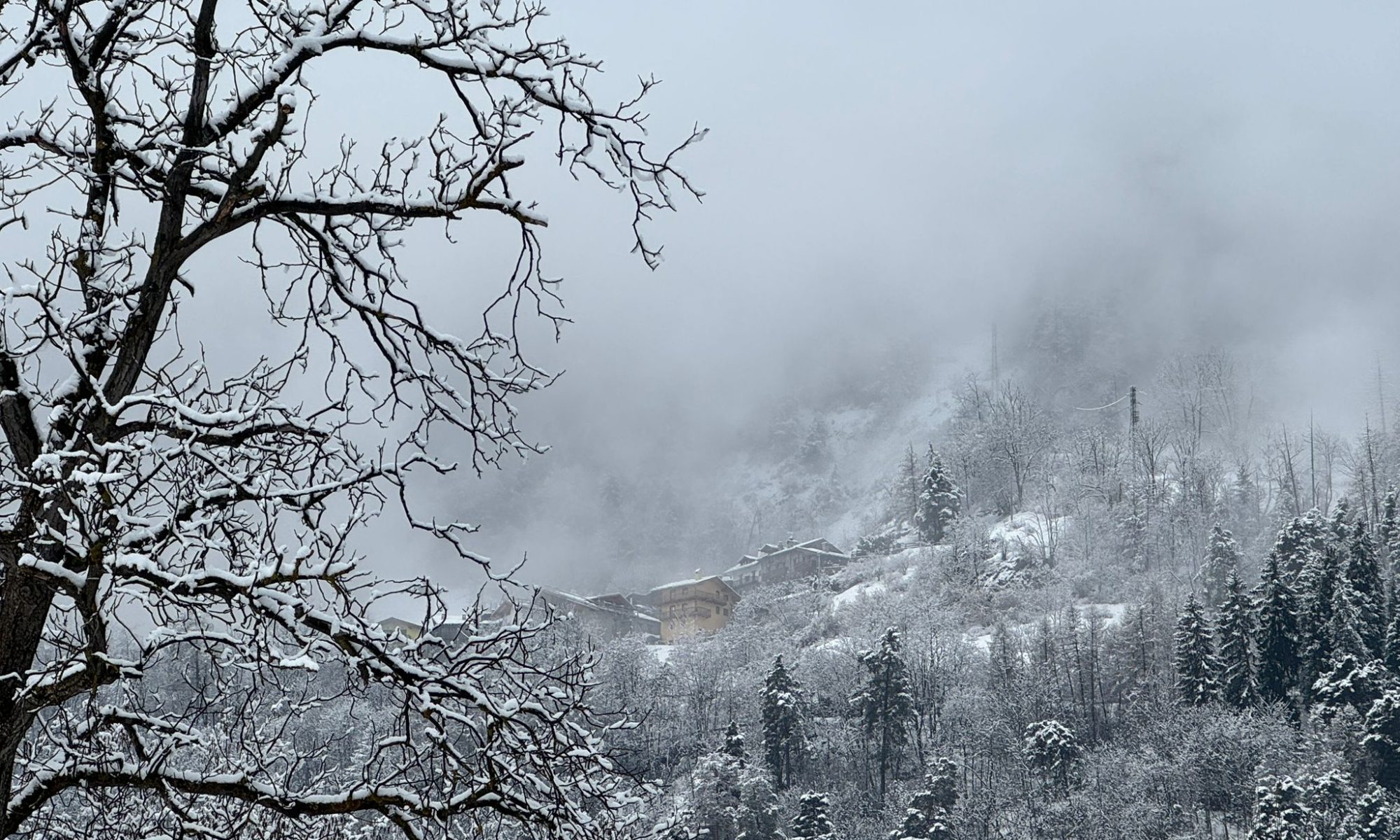
Winter in the Mountains- Photo: The-Ski-Guru. Morgex.

What the 2026 Winter Season Is Showing

A Winter of Extremes

Snow conditions in a warming Alpine climate are becoming more variable, more intense and more dependent on artificial support.

Across the Alps, long-term climate warming is reshaping snowfall patterns, snowline altitude, avalanche behaviour and the economics of winter tourism. The 2026 winter season provides a recent example of these broader trends.

In recent weeks alone, the region has experienced:

  • Intense multi-day storm cycles delivering 80–100 cm in short periods
  • Rapid wind loading and unstable snowpack development
  • Elevated avalanche danger levels across multiple massifs
  • Simultaneous reliance on artificial snow at lower altitudes

Rather than a simple story of “less snow,” the pattern emerging is one of greater variability and concentration. This growing instability is not confined to the Alps. Recent extreme heat events shortening the ski season in North America show how quickly conditions can deteriorate, even in traditionally more snow-reliable regions.


Heavier Storms, Faster Loading

Several recent cycles across the Western Alps demonstrated how quickly snowpack instability can build.

Large accumulations over 24–48 hours — combined with wind transport — created fragile layers and widespread avalanche danger. In many regions, danger levels rose to Level 4 (Strong), and in parts of the French Alps even Level 5 (Very Strong).

Continue reading “Snow Conditions in a Warming Alpine Climate”

Tourists Arrive, but the Snow Doesn’t: A Worrying Winter Across the Italian Alps

Tourists Arrive, but Snow Is Missing Across the Italian Alps

Introduction

The 2025 winter season in the Italian Alps is once again highlighting a difficult and increasingly familiar reality: tourists are arriving on schedule, but snow conditions are not.

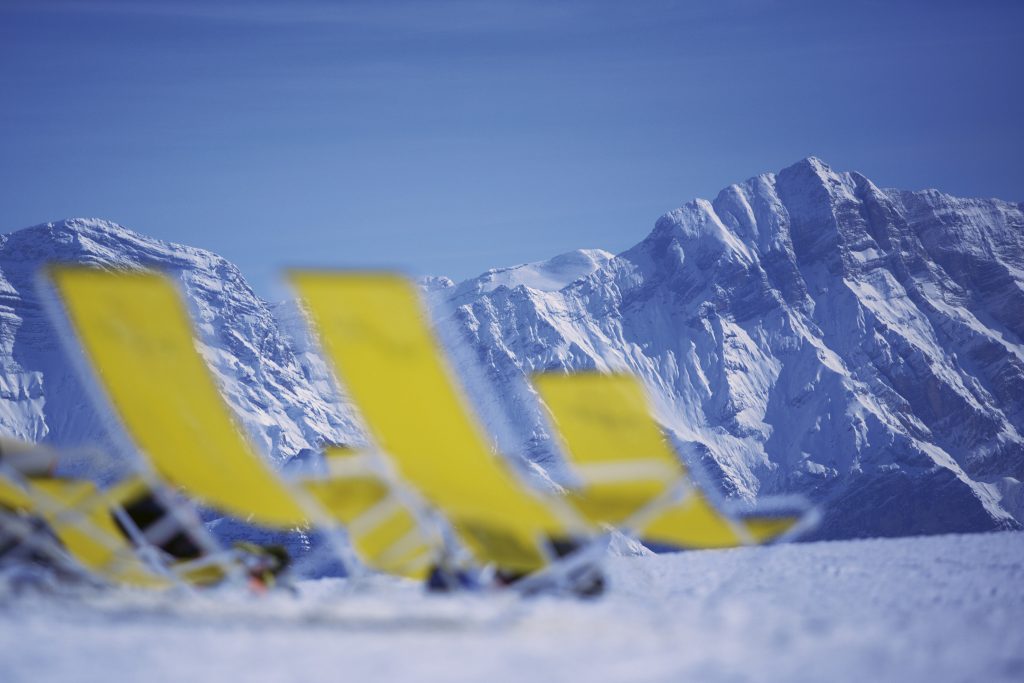
Skiers may also enjoy sunbathing on a terrace in the wintery landscape of Plan de Corones/Kronplatz, one of the most popular ski resorts of South Tyrol/Südtirol. Season Opening’s at the different ski resorts of Sudtirol and Christmas Markets.
Skiers may also enjoy sunbathing on a terrace in the wintery landscape of Plan de Corones/Kronplatz, one of the most popular ski resorts of South Tyrol/Südtirol.
Tourists Arrive, but the Snow Doesn’t: A Worrying Winter Across the Italian Alps.

From South Tyrol to Trentino and across the Dolomites, ski resorts are facing closed pistes, rain at altitude, reduced snowpack, and mounting climate-related risks — all with immediate consequences for tourism and long-term implications for mountain regions.

Continue reading “Tourists Arrive, but the Snow Doesn’t: A Worrying Winter Across the Italian Alps”

A Snowstorm Is Rolling Into the Aosta Valley — and Winter Is Finally Taking Over

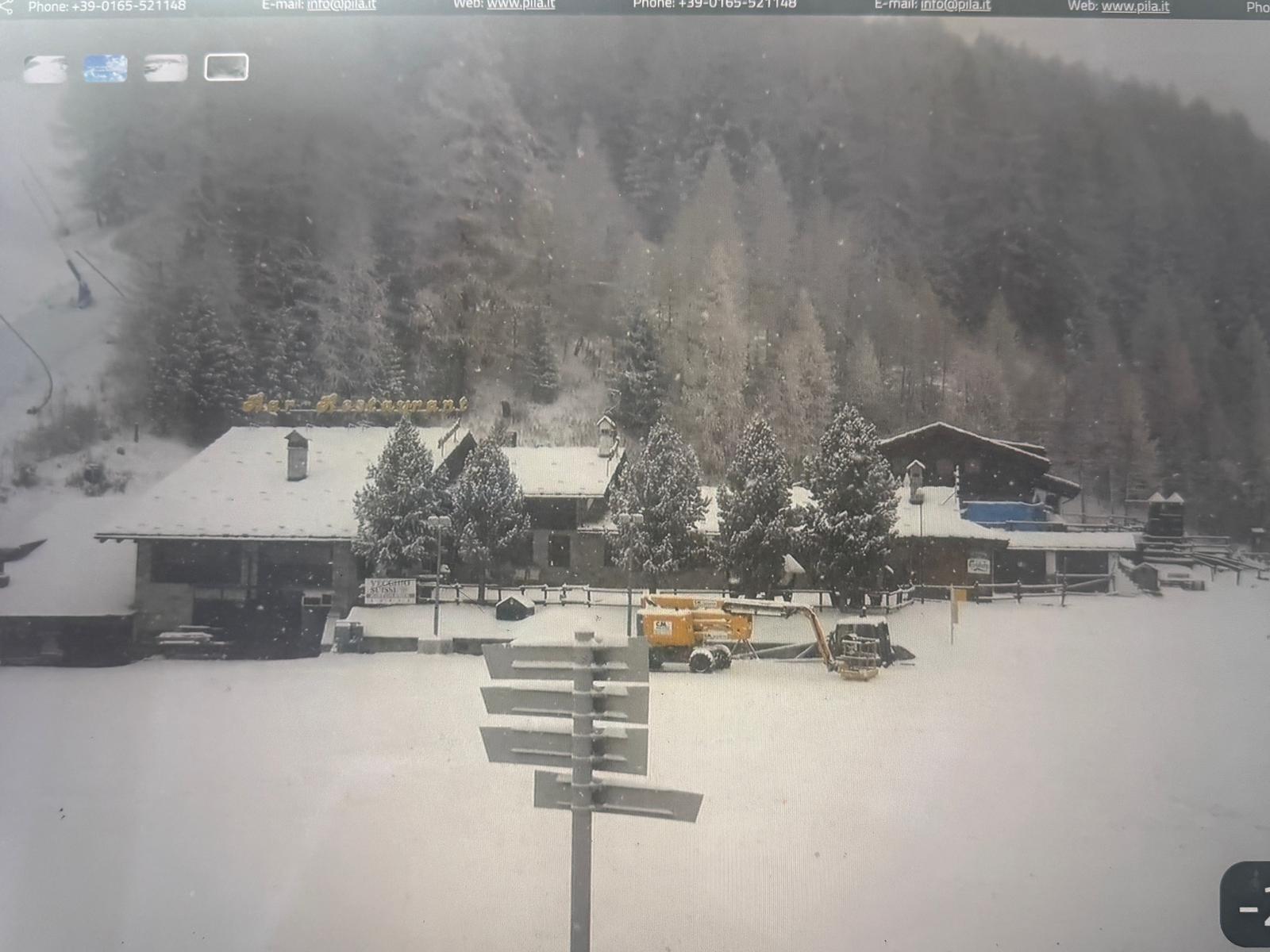
Gorraz in Pila, what a couple of days has done to change the scene to a winter wonderland. Photo: Pila webcam. 24 Nov. A Snowstorm Is Rolling Into the Aosta Valley — and Winter Is Finally Taking Over.

Snowstorm Arrives as the Aosta Valley Prepares First Ski Openings

Last week, the Aosta Valley still carried traces of autumn. From the villages, you could see the mix: white stripes of freshly prepared pistes, surrounded by brown slopes that hadn’t yet received any snowmaking. But as soon as temperatures dropped, every resort across the valley switched on its snow-guns at full power.

For days, the mountains echoed with the soft hum of snowmaking, and little by little the ski runs began to glow. By the weekend, the prepared areas looked like a true winter paradise — brilliant white ribbons winding down the mountains. The higher ridges and ungroomed sections, still untouched, remained brown… but that contrast might disappear very soon.

Because today, a major snowstorm is forecast.

And with the man-made base already in place, this natural snowfall could be the moment the entire valley slips into full winter mode.

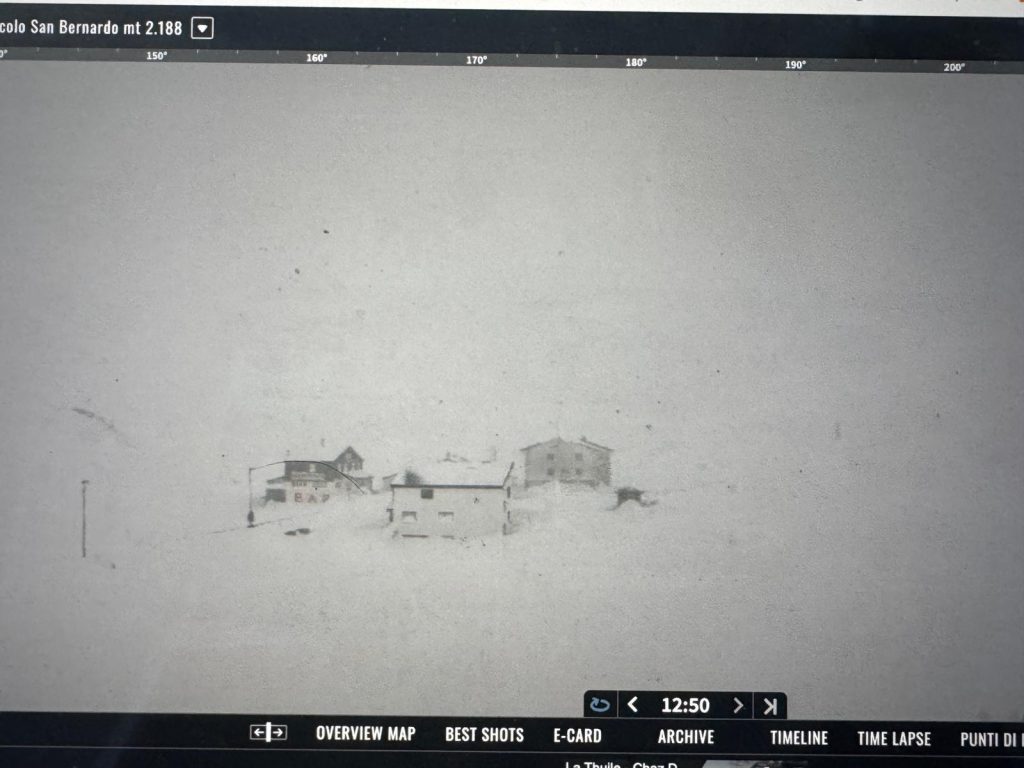
The Petit St Bernard Pass today 24 Nov. La Thuile webcam. A Snowstorm Is Rolling Into the Aosta Valley — and Winter Is Finally Taking Over.


What’s Opening and When

The storm also arrives just as resorts begin to announce their first official openings:

  • Pila is planning to open Friday, 28 November.

  • La Thuile and Courmayeur are set to follow on Saturday, 29 November.

With snow already covering the pistes thanks to last week’s snowmaking, and more snow arriving today, the timing couldn’t be better.

You can expect ski patrol, snowcat groomers and mountain crews to be working around the clock — compacting the new snow, adding more artificial snow on top, and building a strong, durable base that will hold through the season.

Continue reading “A Snowstorm Is Rolling Into the Aosta Valley — and Winter Is Finally Taking Over”

❄️ How Fast Can Ski Resorts Build a Snow Base When Nature Fails?

Ajax - Aspen Mountain Snowmaking -picture by Dan Bayer. Aspen Skiing Company. ❄️ How Fast Can Ski Resorts Build a Snow Base When Nature Fails?

How Fast Can Ski Resorts Make Snow? Modern Snowmaking, Temperatures and Costs Explained

Warm starts to winter are becoming the norm, not the exception. Yet every autumn, some ski resorts still manage to open with a decent snow base and a white ribbon of snow, even when the surrounding hillsides are brown.

So: how fast can a modern ski area actually build a skiable base when there’s no natural snow? What temperatures do they need, how much water and energy does it take, and what happens when it’s too warm even for snow guns?

The art of snow making. Photo: Aaron Burden. Unsplash. ❄️ How Fast Can Ski Resorts Build a Snow Base When Nature Fails?

In this post I’ll look at:

  • How conventional snowmaking works
  • Rough timeframes to build a base on key slopes
  • The temperature window you need
  • All-weather (temperature-independent) snowmaking for warm conditions
  • Real examples from North America, South America, Europe and Asia
  • What this means for the future of ski holidays

Continue reading “❄️ How Fast Can Ski Resorts Build a Snow Base When Nature Fails?”