Mountain Wildfires: Rising Risk in Colorado & the Alps
While much of this winter has focused on avalanche instability across the Alps, mountain regions elsewhere are facing a different but equally significant hazard: wildfire risk linked to changing climate patterns.
In the U.S. state of Colorado — particularly around high-elevation communities such as Aspen — authorities are increasingly concerned about longer fire seasons, drought stress and more extreme weather variability.
📈 A Growing Trend in Mountain Environments
Over the past two decades, Colorado has experienced:
Larger and more frequent wildfires
Fire seasons extending beyond traditional summer months
Increased drought and reduced snowpack
Stronger wind events contributing to rapid fire spread
Several of the largest wildfires in Colorado’s recorded history have occurred since 2000 — a shift widely linked to warmer temperatures and drier forest conditions.
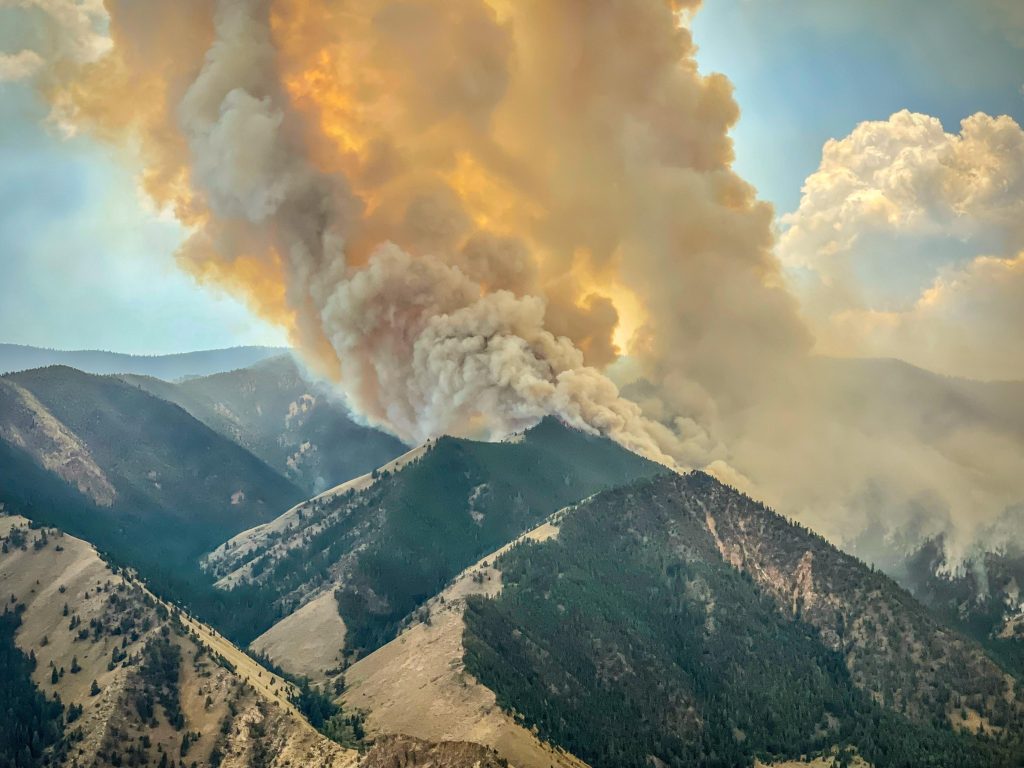
Moose Fire Idaho. July 2022. Sheena Waters/Aspen Public Radio photo. Wildfire risk in mountain regions.
🧠 Technology as Adaptation
In response, some mountain towns are now trialling AI-assisted camera and drone systems designed to detect wildfire smoke at a very early stage.
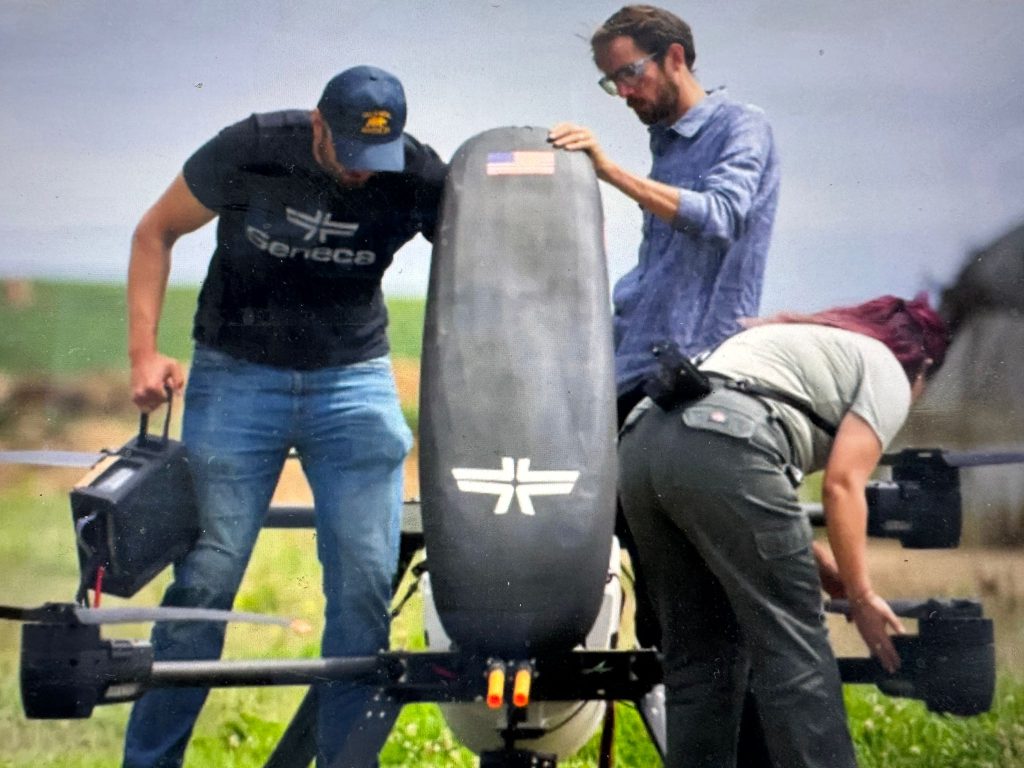
The autonomous wildfire suppression drones are developed by Seneca, a California-based resilience technology company focused on AI-driven aerial systems to detect and suppress wildfires before they grow large.
Seneca drones. Wildfire risk in mountain regions and a new way how to tackle them, as what Aspen is going to introduce this year.
These systems combine:
Real-time visual monitoring
Weather data integration
Automated smoke detection
Faster alert systems for emergency response
The goal is simple: detect ignition earlier and reduce escalation risk, especially in remote forested terrain.
Seneca is building autonomous AI-driven drones and aerial systems designed to support firefighters and suppress wildfires at early ignition stages, with the goal of reducing the escalation of new starts before they become large fires.
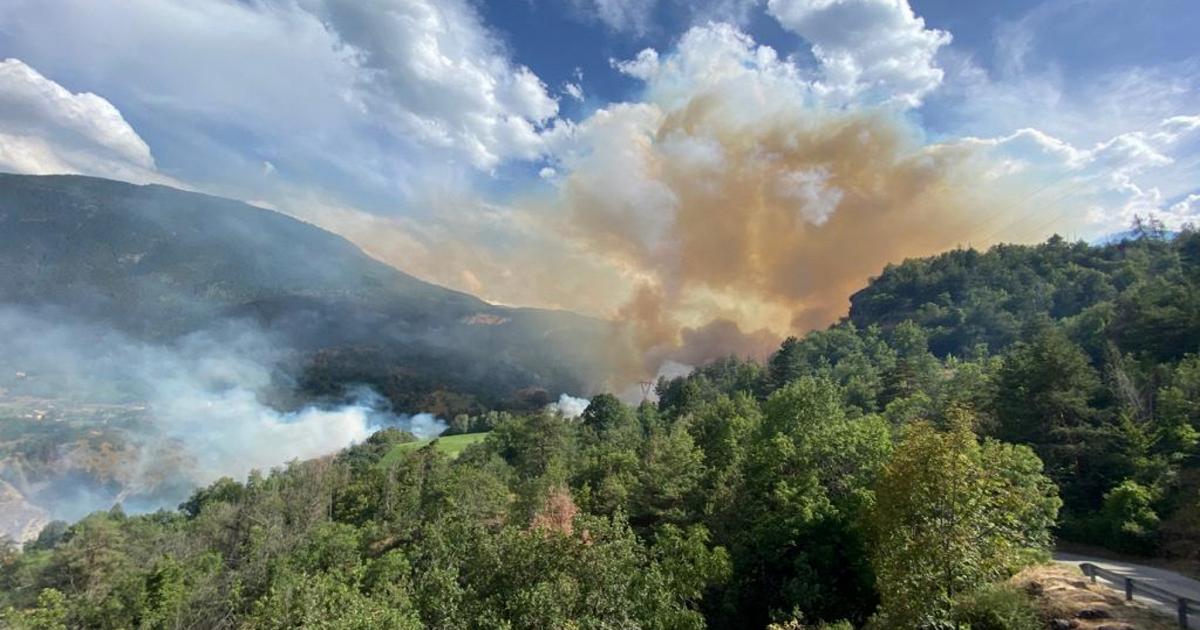
Although wildfires are more commonly associated with North America, Alpine regions are not immune.
In recent years, parts of:
The French Alps
Northern Italy
Switzerland
Austria
have experienced significant summer forest fires, particularly following dry winters and heatwaves.
The pattern is striking:
Intense snowfall events
Followed by rapid warming
Followed by drought stress
Increased storm volatility
The same climate variability that contributes to complex avalanche cycles in winter may also increase fire risk in summer.
🔎 A Broader Mountain Risk Story
Mountain environments are dynamic systems.
In winter, the focus is on:
Snowpack instability
Persistent weak layers
Rapid warming events
In summer, the risks shift toward:
Rockfall
Glacier retreat
Intense rainfall events
Wildfires
For year-round mountain communities, risk management is no longer seasonal — it is continuous.
Sources: • Reporting and video from Denver7 (Colorado). • Information on wildfire suppression technology by Seneca.
Planning your next trip to the Italian Alps?
If you’re heading to the Aosta Valley, take a look at Il Cuore della Valdigne, our family-owned apartment in Morgex, available for rent when we’re not using it ourselves.
You can go to my shop and see what have been inspiring me lately, lots mountain landscapes in soft pastels, and now in oils too. Go here to check my latest works!
Subscribe to get the latest posts sent to your email.
Enjoyed this post? Get my latest ski guides, weather insights, resort updates and travel tips directly in your inbox. Subscribe to The-Ski-Guru here.
Manage Cookie Consent
To provide the best experiences, we use technologies like cookies to store and/or access device information. Consenting to these technologies will allow us to process data such as browsing behavior or unique IDs on this site. Not consenting or withdrawing consent, may adversely affect certain features and functions.
Functional
Always active
The technical storage or access is strictly necessary for the legitimate purpose of enabling the use of a specific service explicitly requested by the subscriber or user, or for the sole purpose of carrying out the transmission of a communication over an electronic communications network.
Preferences
The technical storage or access is necessary for the legitimate purpose of storing preferences that are not requested by the subscriber or user.
Statistics
The technical storage or access that is used exclusively for statistical purposes.The technical storage or access that is used exclusively for anonymous statistical purposes. Without a subpoena, voluntary compliance on the part of your Internet Service Provider, or additional records from a third party, information stored or retrieved for this purpose alone cannot usually be used to identify you.
Marketing
The technical storage or access is required to create user profiles to send advertising, or to track the user on a website or across several websites for similar marketing purposes.


 Planning your next trip to the Italian Alps?
 Planning your next trip to the Italian Alps?
 Ski in Courmayeur,
 Enjoy the mountains in summer (hiking, biking, nature)


 Subscribe to The-Ski-Guru here.
You must be logged in to post a comment.