Switzerland Won’t Run Out of Water When Its Glaciers Disappear — But Summer Is Another Story

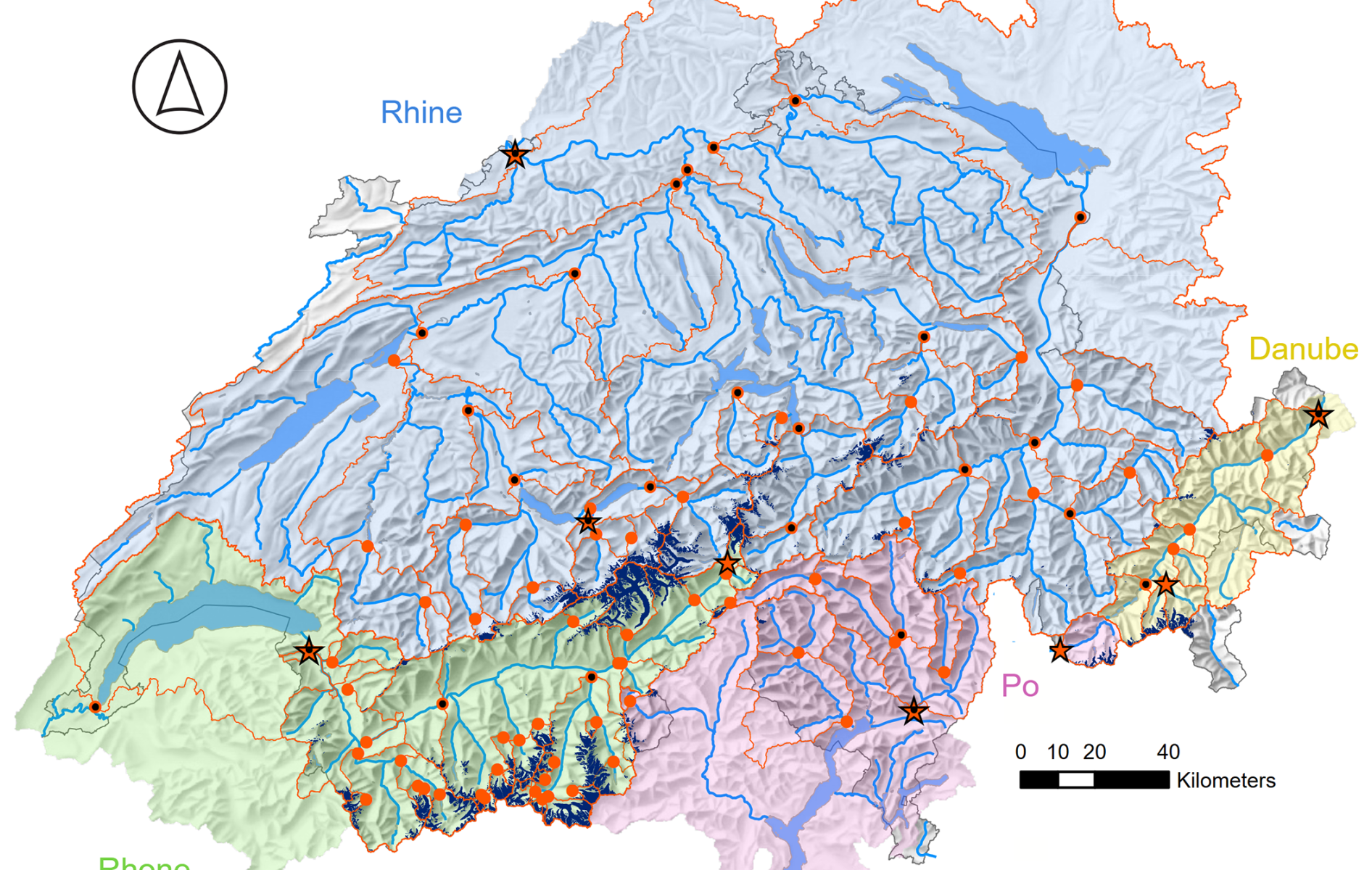
Map of hydrological Switzerland. Credit: Hess Copernicus.

Switzerland’s glaciers are shrinking rapidly, but their disappearance does not mean the country will simply run out of water. The bigger problem is when that water will be available — particularly during increasingly hot and dry Alpine summers.

Switzerland is often described as the “water tower of Europe”, while its rapidly retreating glaciers have become one of the most visible symbols of climate change in the Alps.

It is therefore easy to make a seemingly obvious connection: if the glaciers disappear, Switzerland will lose a major source of its water.

The reality is more complicated.

Swiss hydrologist Bettina Schaefli, professor at the University of Bern, recently challenged that assumption in an opinion piece published by Le Temps, arguing that Switzerland does not owe its abundant water resources primarily to its glaciers.

She is right — at least when looking at the country’s overall annual water balance.

Switzerland’s real hydrological advantage is the Alps themselves. The mountain barrier forces moist air upwards, producing substantial precipitation as rain and snow.

But that does not mean disappearing glaciers are irrelevant to Switzerland’s water supply.

Far from it.

What Switzerland is gradually losing is something particularly valuable: a natural water reserve capable of releasing water precisely when rainfall and snowmelt are no longer providing enough of it.

And during a drought, that distinction becomes crucial.
Continue reading “Switzerland Won’t Run Out of Water When Its Glaciers Disappear — But Summer Is Another Story”

Mountain Wildfires: Rising Risk in Colorado & the Alps

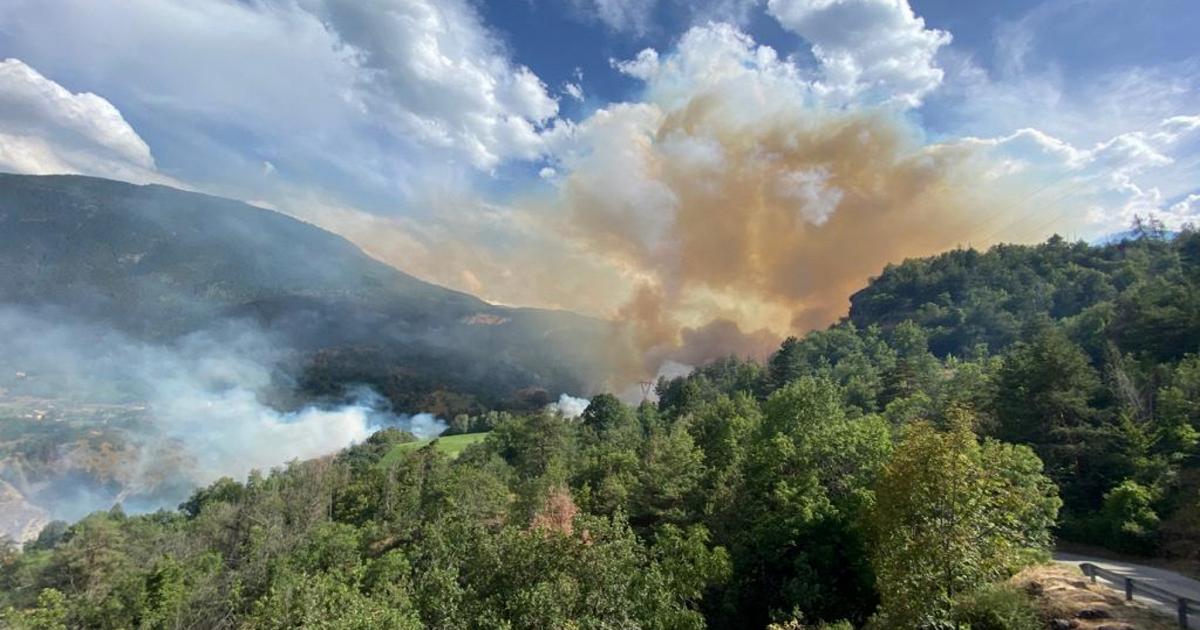
Fire in Aymavilles in the Aosta Valley in the summer of 2025. Photo: Rai News.

While much of this winter has focused on avalanche instability across the Alps, mountain regions elsewhere are facing a different but equally significant hazard: wildfire risk linked to changing climate patterns.

In the U.S. state of Colorado — particularly around high-elevation communities such as Aspen — authorities are increasingly concerned about longer fire seasons, drought stress and more extreme weather variability.

📈 A Growing Trend in Mountain Environments

Over the past two decades, Colorado has experienced:

  • Larger and more frequent wildfires
  • Fire seasons extending beyond traditional summer months
  • Increased drought and reduced snowpack
  • Stronger wind events contributing to rapid fire spread

Several of the largest wildfires in Colorado’s recorded history have occurred since 2000 — a shift widely linked to warmer temperatures and drier forest conditions.

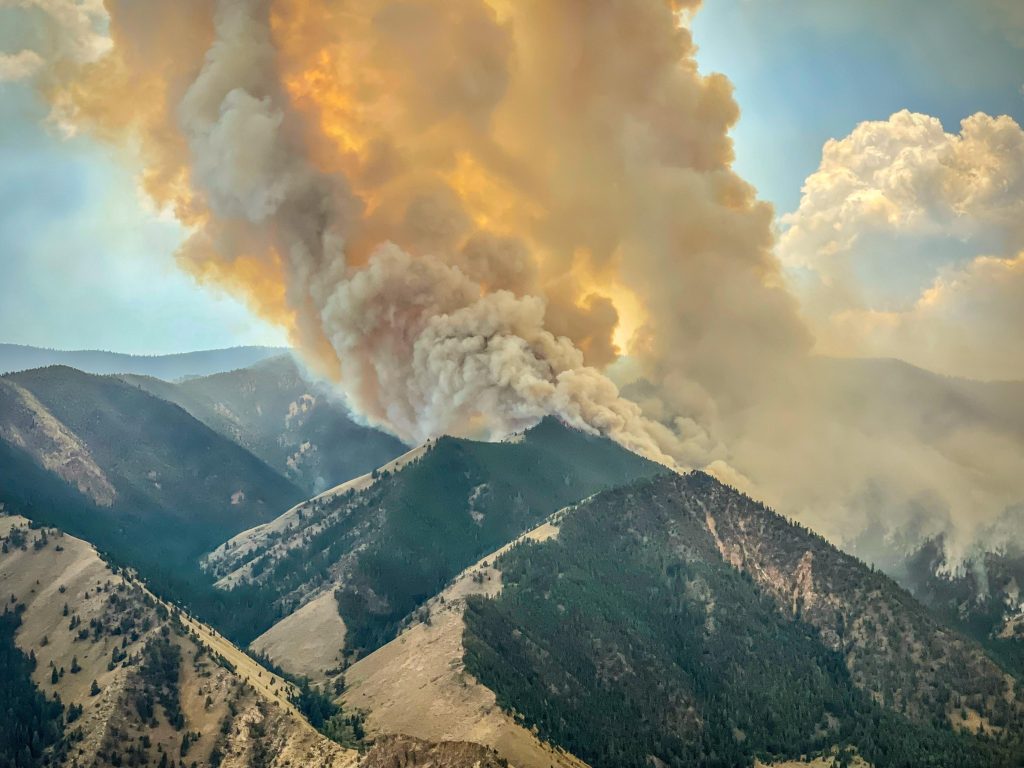
Moose Fire Idaho. July 2022. Sheena Waters/Aspen Public Radio photo. Wildfire risk in mountain regions.

🧠 Technology as Adaptation

In response, some mountain towns are now trialling AI-assisted camera and drone systems designed to detect wildfire smoke at a very early stage.

Continue reading “Mountain Wildfires: Rising Risk in Colorado & the Alps”