

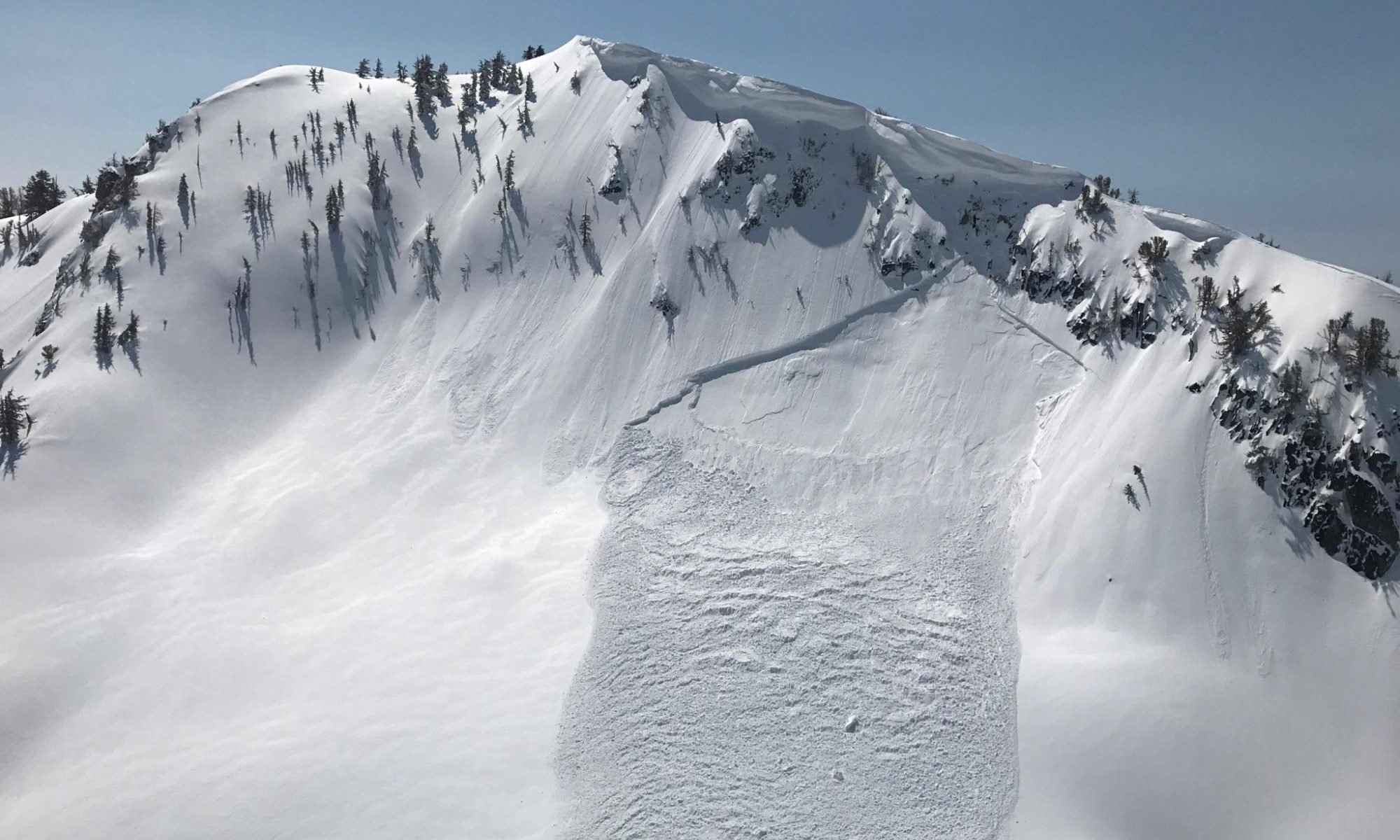
A new climate study suggesting that the Atlantic current could weaken by as much as 50% by the end of the century is not just an abstract ocean story — it could directly reshape Atlantic current Alps winter patterns
For skiers, mountain professionals and anyone tracking snow conditions, the implications are not straightforward. This is not a simple case of “more snow” or “less snow”. Instead, it points toward something far more complex: winters that are increasingly volatile, with sharper contrasts, heavier snowfall events, and a higher likelihood of instability.
🌍 A system that quietly shapes European winters
The AMOC is part of the wider Atlantic circulation system that transports warm water northwards, helping to keep Europe significantly milder than other regions at the same latitude.
If this system weakens, less heat reaches the North Atlantic. The result is a shift in the balance between ocean and atmosphere, with consequences that ripple directly into winter weather patterns over Western Europe.
What matters here is not just temperature, but circulation. A weaker AMOC alters how air masses move, how storms track across the Atlantic, and how energy is distributed through the atmosphere.
How the Atlantic current shapes Alps winter patterns.
Colder intrusions in a warming climate
One of the paradoxes of a weakening AMOC is that it can lead to colder winter episodes in parts of Europe, even as the planet continues to warm overall.
With less oceanic heat buffering the atmosphere, cold Arctic air masses can penetrate further south. This increases the likelihood of sharp cold spells, particularly in mid-winter.
However, this does not reverse the broader warming trend. The baseline remains higher, especially at lower elevations. In practical terms, this creates a more fragile snowpack structure, with frequent transitions between melt and refreeze, and more frequent rain-on-snow events.
🌨️ Fewer storms, but more intense snowfall events
Perhaps the most important shift for the Alps is not the number of storms, but their intensity.
This is exactly where Atlantic current Alps winter behaviour becomes critical, as circulation shifts begin to favour more extreme precipitation events.
Changes in Atlantic circulation are expected to influence the jet stream and storm tracks, increasing the likelihood of stronger, moisture-laden systems reaching Europe. When these systems align with cold air, they can deliver significant snowfall over short periods.
This reinforces a pattern that has already become visible in recent seasons: longer dry spells interrupted by intense precipitation events.
It also aligns with a structural shift you are already seeing in Alpine snowpacks, where the seasonal peak increasingly concentrates in mid-winter rather than in spring. February, rather than April, is now often the moment of maximum snow accumulation.
⚠️ Heavy snowfall on weak layers: a recipe for instability
From an avalanche perspective, this is where the real impact lies.
Warmer baseline conditions tend to produce weaker, more complex snowpack structures. Early-season layers, crust formations, and temperature gradients all contribute to instability.
When large snowfall events arrive on top of these weak layers, the result is not simply “good conditions”. It is a rapid increase in avalanche danger, often reaching Level 3 or Level 4 within a short timeframe.
👉Read More: Understanding the European Avalanche Danger Scale: Levels 1–5 Explained.
This type of pattern — heavy loading followed by widespread instability — has already characterised major avalanche cycles in recent Alpine winters, including the February 2026 period.
👉 Read More: February 2026 avalanche cycle across the Alps.
🏔️ Not more snow — but more extreme snow patterns
It is important to be precise. A weakening AMOC does not mean the Alps will become snowier overall.
Southern regions, in particular, are likely to continue experiencing snow deficits. Lower elevations will remain increasingly vulnerable to warming, with more precipitation falling as rain rather than snow.
What changes is the distribution.
Snowfall becomes less consistent, more concentrated, and more extreme when it does occur. The contrast between dry periods and heavy snowfall episodes becomes sharper. This is what drives both operational challenges for ski resorts and increased risk in the backcountry.
🚧 A growing pressure on mountain infrastructure
These shifts extend beyond snow conditions.
More intense storms combined with unstable snowpacks place additional strain on infrastructure. Roads, lift systems, and access routes become more exposed to both avalanche cycles and rapid weather changes.
👉 Read More: Mountain infrastructure risk in the Alps and Pyrenees.
This is not just a question of skiing conditions. It is about reliability, safety, and how mountain regions adapt to increasingly unpredictable winters.
📊 A different kind of winter ahead
The key takeaway for understanding Atlantic current Alps winter changes is not that winters are disappearing, nor that they are becoming uniformly harsher.
Instead, they are becoming less predictable.
A weakening Atlantic circulation system adds another layer of variability to an already changing climate. For the Alps, that likely means winters defined less by steady accumulation and more by extremes: sudden snowfalls, rapid transitions, and recurring instability.
For skiers, it changes how seasons unfold. For mountain professionals, it changes how risk is managed. And for the industry as a whole, it reinforces a reality that is already becoming clear.
The future of Alpine winters is not just warmer. It is more volatile.
Sources
Study on Atlantic circulation weakening (via Ground News)
https://ground.news/article/study-projects-atlantic-current-system-to-weaken-51-by-2100_31afd6
The Guardian – reporting on AMOC weakening and climate implications
https://www.theguardian.com/environment/2026/apr/15/critical-atlantic-current-significantly-more-likely-to-collapse-than-thought
MIT Climate Portal – AMOC impacts and uncertainty
https://climate.mit.edu/ask-mit/what-would-happen-if-atlantic-meridional-overturning-circulation-amoc-collapses-how-likely
Utrecht University – European climate impacts of AMOC changes
https://www.uu.nl/en/publication/what-will-happen-to-europe-if-the-gulf-stream-weakens-significantly
 Planning your next trip to the Italian Alps?
 Planning your next trip to the Italian Alps?
If you’re heading to the Aosta Valley, take a look at Il Cuore della Valdigne, our family-owned apartment in Morgex, available for rent when we’re not using it ourselves.
It’s an ideal base to:
- Ski in Courmayeur, La Thuile and Pila
- Enjoy the mountains in summer (hiking, biking, nature)
- Explore the Mont Blanc valley in a quieter, more authentic setting.
 Ski in Courmayeur,
 Enjoy the mountains in summer (hiking, biking, nature)
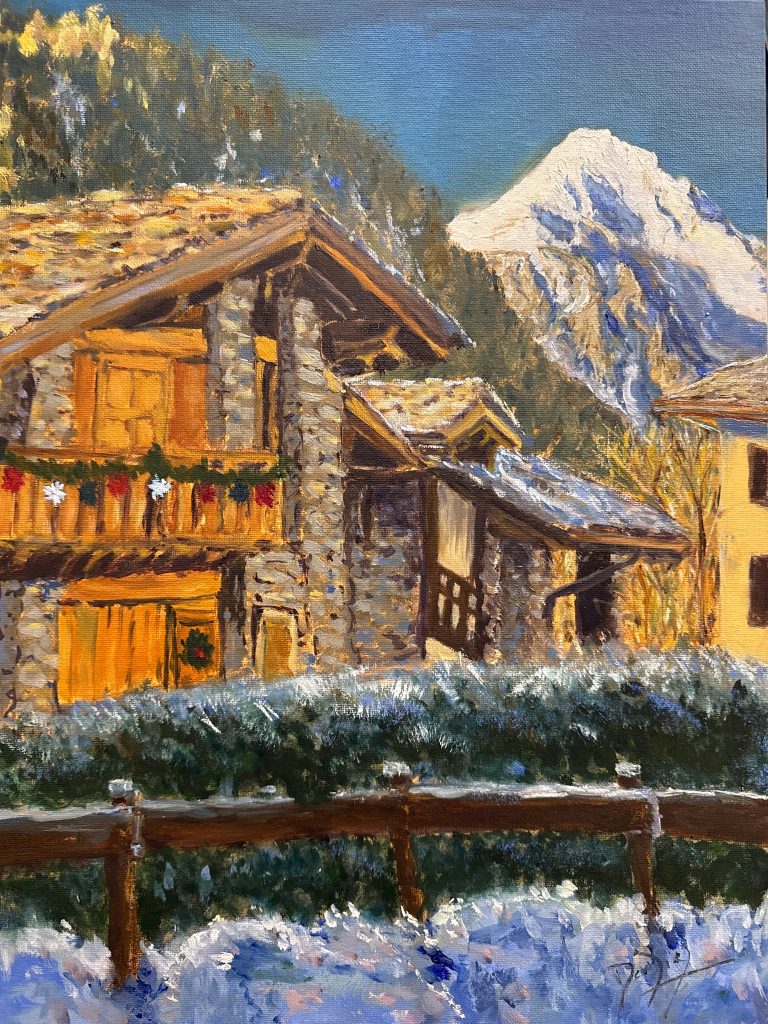
Check my Mountain Art on my Shop
You can go to my shop and see what have been inspiring me lately, lots mountain landscapes in soft pastels, and now in oils too. Go here to check my latest works!
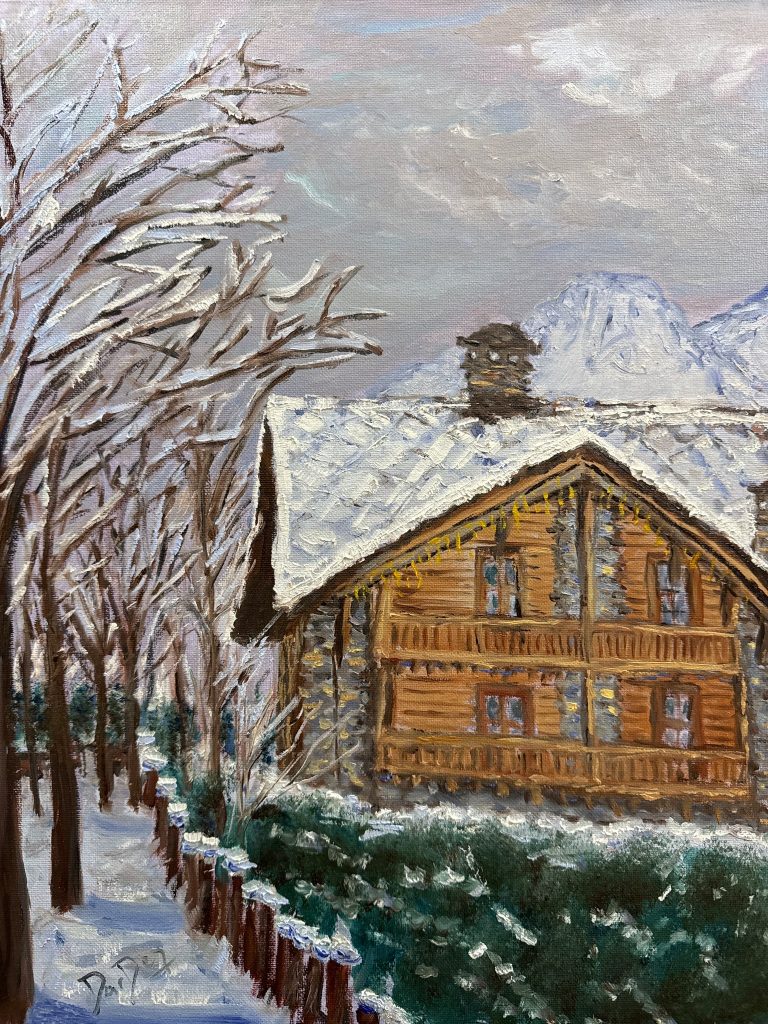
Featured Image: Windslab Avalanche. Avalanche.org.


Discover more from The-Ski-Guru
Subscribe to get the latest posts sent to your email.
 Subscribe to The-Ski-Guru here.