Vail Resorts Visits Drop 14.9% — What It Reveals About Snow, Demand, and the Ski Industry Model

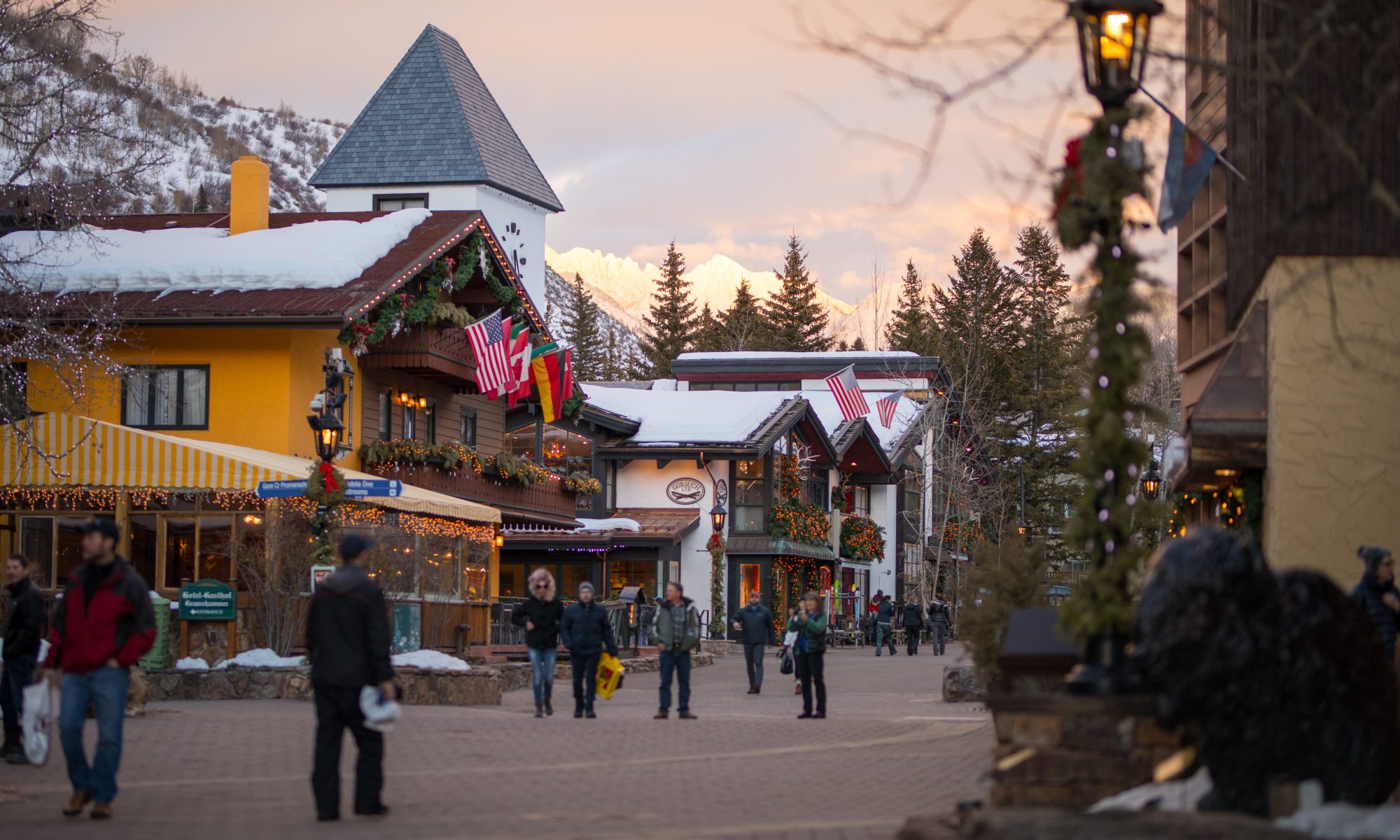
Vail's iconic village with the Gore Range Mountains capturing the sunset in Vail, CO. Photo: Craig Orsini. Vail Resorts. The Must-Read Guide to Vail.

Skier visits across Vail Resorts properties are down sharply this season, with new data confirming a Vail Resorts visits drop of 14.9% year-to-date. The figures, released as part of the company’s latest season metrics, point to one of the most challenging winters in recent years — but the implications go beyond a single bad season.

At a time when global skier visits have just reached record levels, the contrast is striking. While demand for skiing remains resilient overall, the underlying conditions that support it are becoming increasingly unstable.

Continue reading “Vail Resorts Visits Drop 14.9% — What It Reveals About Snow, Demand, and the Ski Industry Model”

Atlantic Current Slowdown: Why Future Alpine Winters Could Mean Bigger Snowfalls—and Greater Avalanche Risk

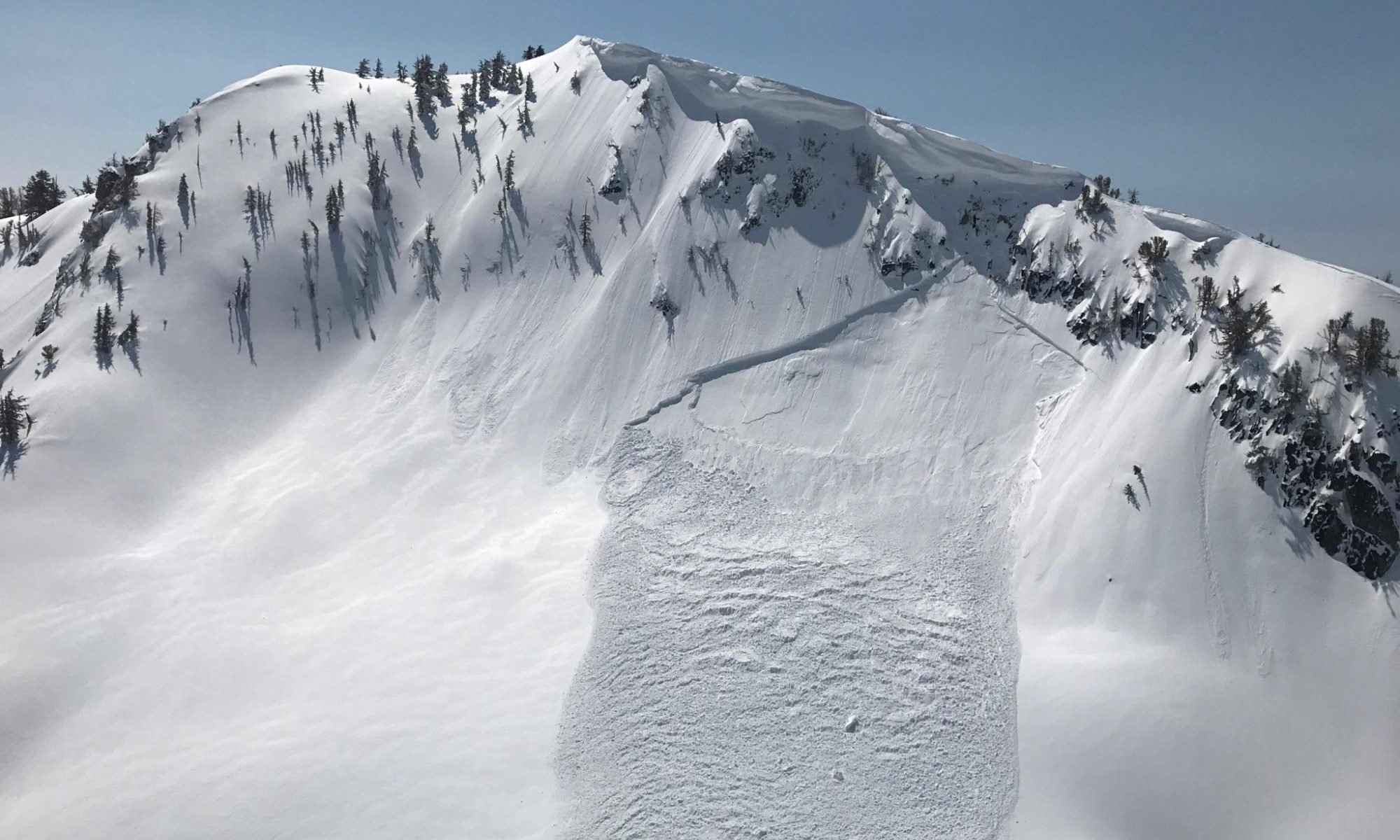
Windslab Avalanche. Avalanche.org.

A new climate study suggesting that the Atlantic current could weaken by as much as 50% by the end of the century is not just an abstract ocean story — it could directly reshape Atlantic current Alps winter patterns

For skiers, mountain professionals and anyone tracking snow conditions, the implications are not straightforward. This is not a simple case of “more snow” or “less snow”. Instead, it points toward something far more complex: winters that are increasingly volatile, with sharper contrasts, heavier snowfall events, and a higher likelihood of instability.

Continue reading “Atlantic Current Slowdown: Why Future Alpine Winters Could Mean Bigger Snowfalls—and Greater Avalanche Risk”

Wind Slabs Trigger Multiple Avalanches Across the French Alps After Storm Cycle

A wind slab- photo: Avalanche.org. Why Wind Is One of the Most Dangerous Avalanche Triggers.

A series of avalanche incidents reported on 26 March 2026 across the French Alps, particularly in Haute Tarentaise, Maurienne and Vanoise, point to a renewed phase of instability driven by strong winds, very cold temperatures, and fresh snow accumulation.

According to field observations and local reporting including Le Dauphiné Libéré, current conditions are favouring the formation of wind slabs (plaques à vent) — one of the most dangerous and unpredictable avalanche problems in the Alps.

These types of conditions are typically reflected within the
👉 European avalanche danger scale (Levels 1–5 explained)
https://www.the-ski-guru.com/2026/03/14/european-avalanche-danger-scale-levels/


PIDA Operations in Tignes: Wind Slabs Forming Under Extreme Conditions

In Tignes (Col de la Leisse, above the Génépi piste), avalanche control teams carried out manual PIDA operations as activity resumed under severe weather conditions.

Continue reading “Wind Slabs Trigger Multiple Avalanches Across the French Alps After Storm Cycle”

The Alps in a Wilder Weather Era: Climate Extremes, Pollution and Adaptation

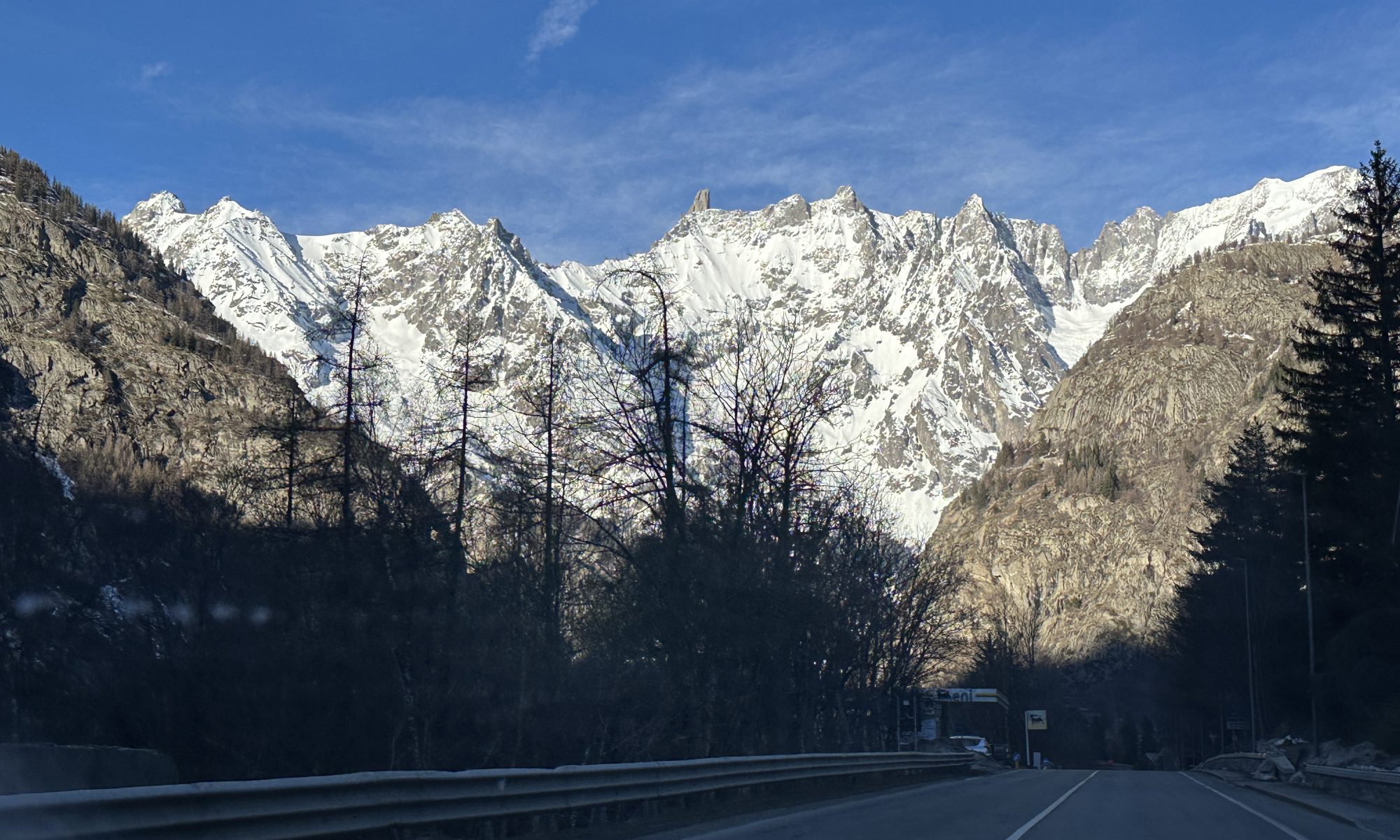
SS26 towards the Mont Blanc Tunnel with the Catena de Monte Bianco on the background. Photo: The-Ski-Guru.

Introduction

Weather patterns are becoming more volatile worldwide, with scientists increasingly pointing to sharper swings, clustered extremes, and less predictable seasons as a key signal of climate change.

In the Alps, however, these changes are not just visible — they are amplified by geography, altitude, and human infrastructure.

From pollution trapped in valleys like Chamonix to increasing avalanche cycles and rockfall risks, the region offers a clear picture of how global climate signals translate into real-world mountain impacts — and how Alpine regions are beginning to adapt.


A Global Signal — With Alpine Consequences

Recent climate analysis points to a shift away from stable seasonal patterns toward more erratic and extreme weather behaviour.

Continue reading “The Alps in a Wilder Weather Era: Climate Extremes, Pollution and Adaptation”