

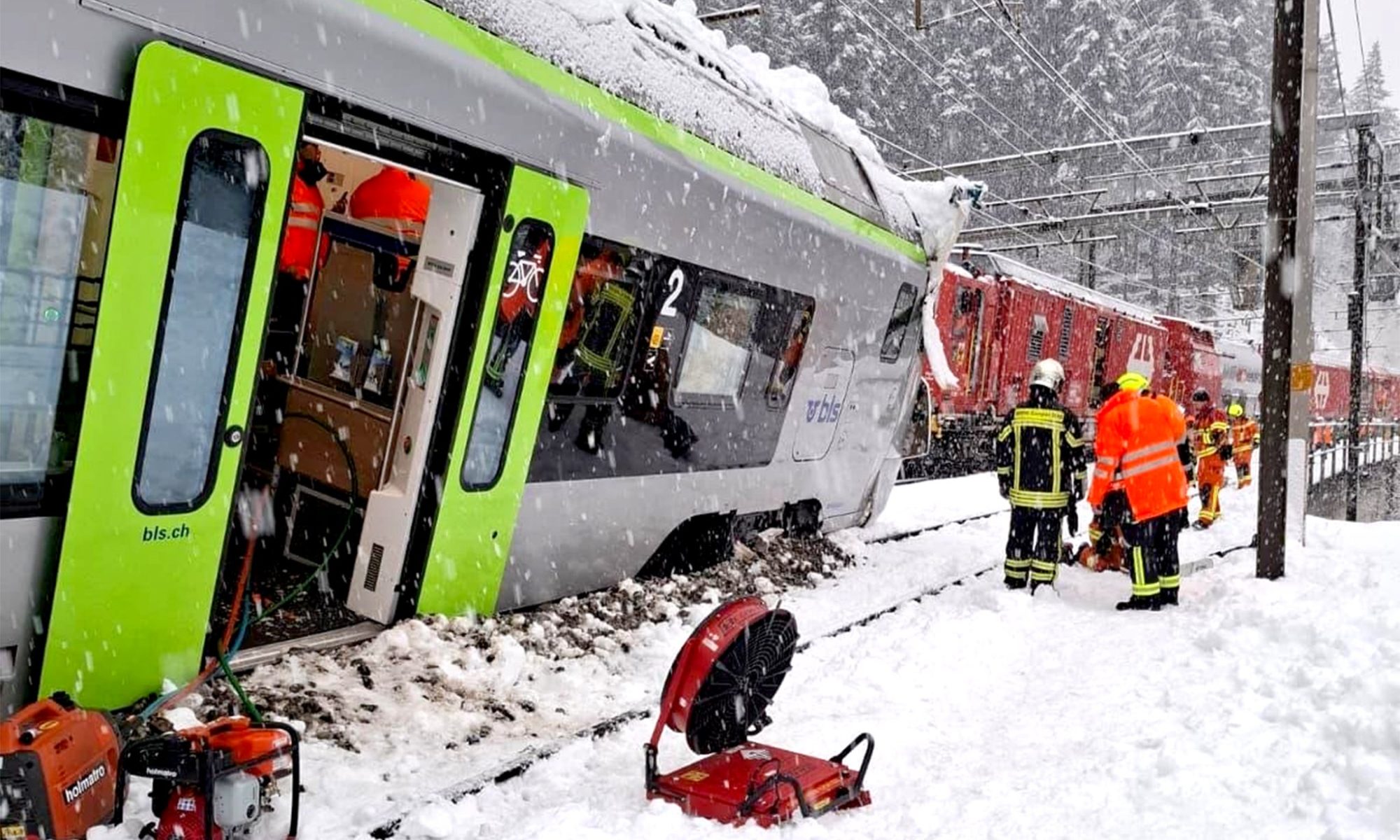
Transport Disruptions, Climate Pressure & Cross-Border Vulnerability
Why Mountain Infrastructure Now Matters More Than Ever
Mountain Infrastructure Risk in the Alps and Pyrenees is becoming a defining issue for winter tourism, transport planning and climate adaptation. Road closures, rail disruption, avalanche cycles and Olympic logistics pressure are no longer isolated events — they are part of a structural pattern affecting mountain regions.
Mountain Infrastructure Risk in the Alps and Pyrenees is becoming a defining issue for winter tourism, transport planning and climate adaptation. Road closures, rail disruption, avalanche cycles and Olympic logistics pressure are no longer isolated events — they are part of a structural pattern affecting mountain regions, with growing implications for long-term demand dynamics within Alpine ski markets.
- Rockfall and slope instability
- Avalanche cycles
- Freeze–thaw stress
- Extreme precipitation events
- Concentrated cross-border traffic dependency
Winter tourism economies rely on a limited number of valleys, passes and rail lines. When one corridor fails, the impact is immediate — economically, logistically and politically.
This hub consolidates coverage across these interconnected risks.
Many of these risks are linked to extreme weather in the Alps, where freeze–thaw cycles and heavy precipitation are increasing.
1. Pyrenees: RN20 France–Andorra Corridor
The closure of the RN20 between Ax-les-Thermes and Mérens-les-Vals after a major rockfall severed the primary northern gateway to Andorra.
This event exposed:
- Dependence on a single valley corridor
- Lack of heavy vehicle alternatives
- Cross-border economic fragility
According to the Prefecture of Ariège, the RN20 reopening followed mechanical removal of unstable rock masses, slope stabilisation and installation of monitoring systems. Authorities confirmed that traffic would resume under controlled conditions only once geological safety thresholds were met.
Official reopening measures were detailed by the Prefecture of Ariège following slope stabilisation works.
The RN20 corridor is managed by DIR Sud-Ouest, the Direction Interdépartementale des Routes responsible for national road infrastructure in southwest France. The authority oversees structural maintenance, winter operations and emergency responses across the region’s mountain corridors.
The RN20 is operated by DIR Sud-Ouest, the regional French national road authority.
👉 Read full report:
RN20 France–Andorra Rockfall 2026 – Official Closure & Reopening
2. Alpine Rail & Slope Instability
Alpine rail corridors are often perceived as resilient alternatives to road transport. In reality, they remain highly dependent on slope stability, avalanche control systems and weather variability.
During the February 2026 avalanche cycle, repeated Level 4 (Strong) and Level 5 (Very Strong) danger ratings affected multiple Alpine regions, increasing operational pressure on valley access routes. Infrastructure exposure during this period extended beyond ski terrain and into transport networks.
Avalanche paths frequently intersect with rail lines in narrow valleys, requiring:
• Preventive avalanche control operations
• Temporary traffic suspensions
• Speed restrictions
• Coordinated weather monitoring
Mountain weather hazards — including freeze–thaw cycles and rapid temperature swings — are monitored nationally by Météo-France, whose bulletins regularly inform operational decisions in high-altitude corridors.
At road level, real-time disruption alerts are issued via Bison Futé, France’s national traffic information service, particularly during intense snowfall episodes.
This intersection between snow instability, slope mechanics and transport coordination illustrates the broader pattern of Mountain Infrastructure Risk across the Alps.
Rail and road networks are not separate systems; they are terrain-dependent components of a single mountain mobility framework.
On the French side of the Mont Blanc massif, the A40 corridor will transition to barrier-free tolling by 2027 — a structural change designed to improve traffic flow along one of the Alps’ most heavily used winter access routes.
As seen during recent Alpine road disruptions and pass closures, transport reliability during peak winter periods increasingly depends on rapid hazard assessment and cross-agency coordination.
👉 Related coverage:
- Alpine Avalanche Cycle February 2026
- Level 4 & Level 5 Avalanche Alerts Explained
- Winter Transport Disruptions in the Alps
3. Milano–Cortina 2026: Olympic Transport Pressure
Milano–Cortina 2026 Winter Olympics will place extraordinary pressure on:
- Cross-valley road capacity
- Rail coordination between Lombardy and Veneto
- Mountain pass reliability
- Snow management logistics
Olympic infrastructure projects are racing against:
- Time constraints
- Environmental scrutiny
- Increasing climate variability
Your Olympic coverage connects infrastructure risk to global spotlight.
👉 See Olympic transport analysis:
Transport reliability ahead of the 2026 Winter Olympics remains under scrutiny, particularly regarding mountain road capacity, corridor vulnerability and environmental impact. See our analysis of Milano–Cortina 2026 transport logistics and venue distances, the recent road access disruption to Livigno and Bormio, and the broader environmental impact of Milano–Cortina 2026 across Alpine regions.
4. Climate Impact & Structural Instability
There is a clear emerging pattern linked to climate variability and documented in international assessments such as those published by the Intergovernmental Panel on Climate Change (IPCC):
| Risk Factor | Impact on Infrastructure |
|---|---|
| Freeze–thaw cycles | Rock fragmentation & slope failure |
| Heavy snowfall followed by warming | Wet avalanches reaching valley floors |
| Extreme rainfall events | Landslides & embankment collapse |
| Tourism concentration | Single-corridor dependency |
Mountain transport risk is no longer seasonal. It is structural.
Major international events will increasingly test the resilience of Alpine systems, including the Milano–Cortina 2026 Paralympics, where accessibility and infrastructure adaptation will become operational priorities.
Understanding Mountain Infrastructure Risk is now essential for winter tourism planning, cross-border transport resilience and climate adaptation across European mountain regions.
 Planning your next trip to the Italian Alps?
 Planning your next trip to the Italian Alps?
If you’re heading to the Aosta Valley, take a look at Il Cuore della Valdigne, our family-owned apartment in Morgex, available for rent when we’re not using it ourselves.
It’s an ideal base to:
- Ski in Courmayeur, La Thuile and Pila
- Enjoy the mountains in summer (hiking, biking, nature)
- Explore the Mont Blanc valley in a quieter, more authentic setting.
 Ski in Courmayeur,
 Enjoy the mountains in summer (hiking, biking, nature)
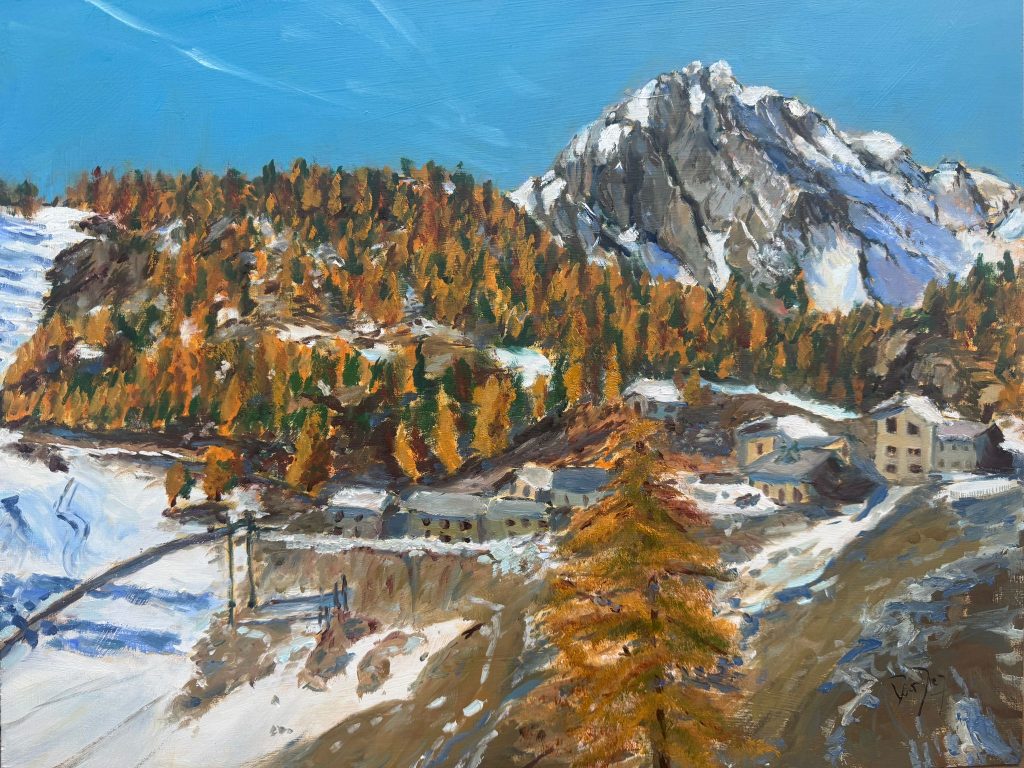
Check my Mountain Art on my Shop
You can go to my shop and see what have been inspiring me lately, lots mountain landscapes in soft pastels, and now in oils too. Go here to check my latest works!
Featured Image: Mountain Infrastructure Risk in the Alps and Pyrenees – transport corridor vulnerability. Photo: Swiss Rail


Discover more from The-Ski-Guru
Subscribe to get the latest posts sent to your email.
 Subscribe to The-Ski-Guru here.