Atlantic Current Slowdown: Why Future Alpine Winters Could Mean Bigger Snowfalls—and Greater Avalanche Risk

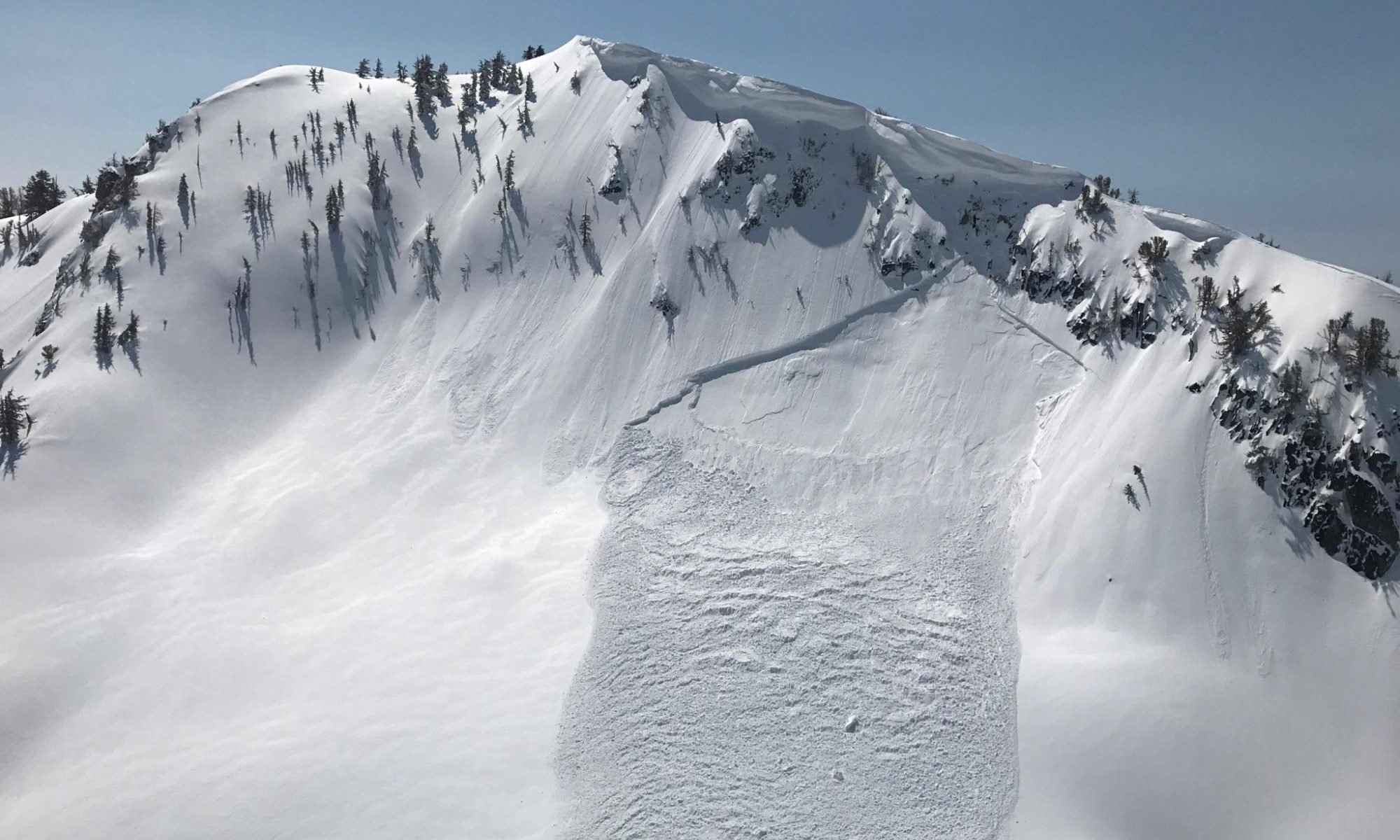
Windslab Avalanche. Avalanche.org.

A new climate study suggesting that the Atlantic current could weaken by as much as 50% by the end of the century is not just an abstract ocean story — it could directly reshape Atlantic current Alps winter patterns

For skiers, mountain professionals and anyone tracking snow conditions, the implications are not straightforward. This is not a simple case of “more snow” or “less snow”. Instead, it points toward something far more complex: winters that are increasingly volatile, with sharper contrasts, heavier snowfall events, and a higher likelihood of instability.

Continue reading “Atlantic Current Slowdown: Why Future Alpine Winters Could Mean Bigger Snowfalls—and Greater Avalanche Risk”

Four Killed in Northern B.C. Avalanches After “Considerable” Warning

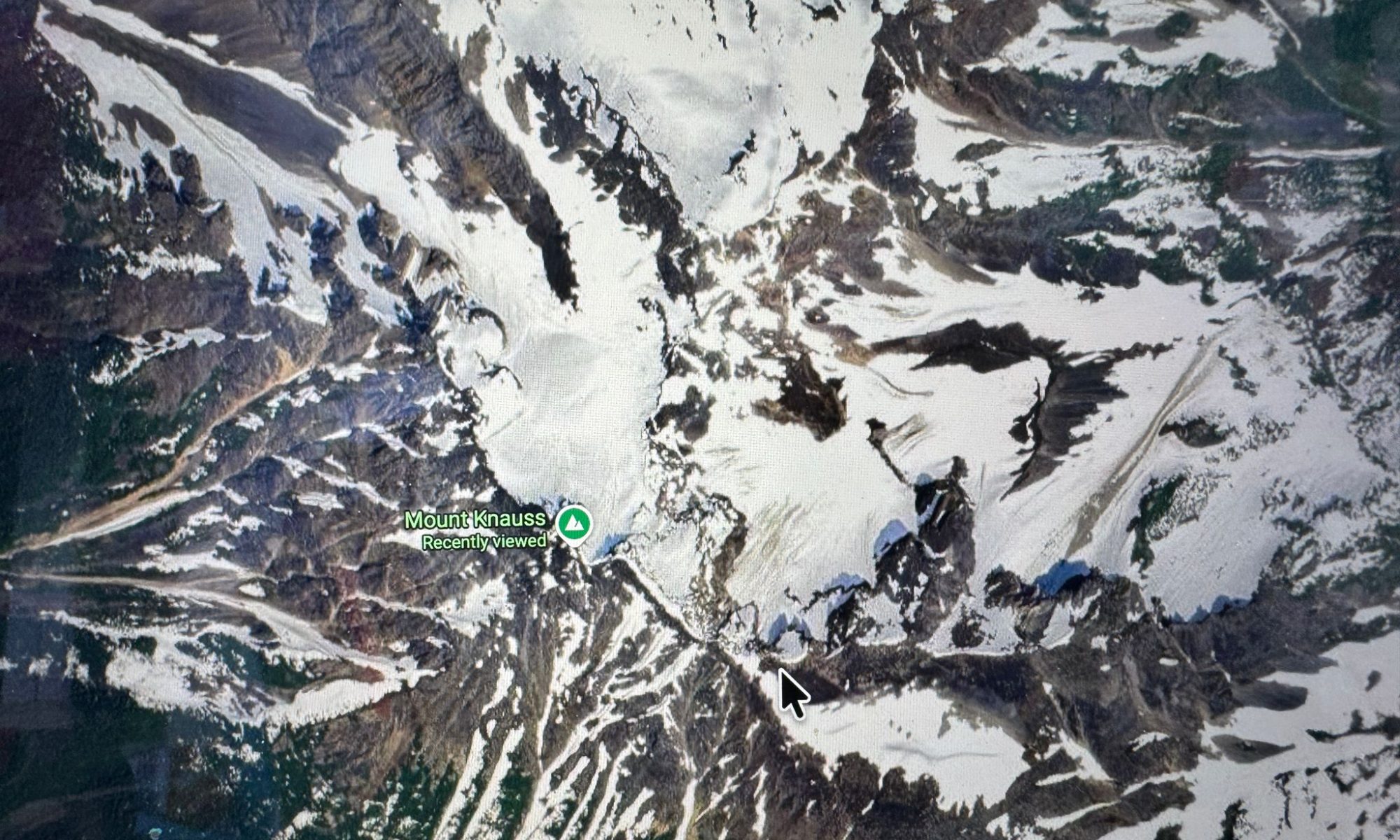
Mount Knauss. Google Maps.

Four people have died in two separate avalanche incidents in northern British Columbia, Canada, according to Avalanche Canada forecasts and local reporting. The accidents occurred on Sunday, March 22, in remote backcountry terrain near Terrace and close to the Alaska border, highlighting persistent snowpack instability despite non-extreme danger ratings.

👉 This pattern mirrors what has been seen across the Alps this winter, where many fatal accidents have also occurred at Level 3.


Continue reading “Four Killed in Northern B.C. Avalanches After “Considerable” Warning”

Northern French Alps Avalanche Cycle Update – Rapid Warming After Storm Triggers Widespread Instability (February 2026)

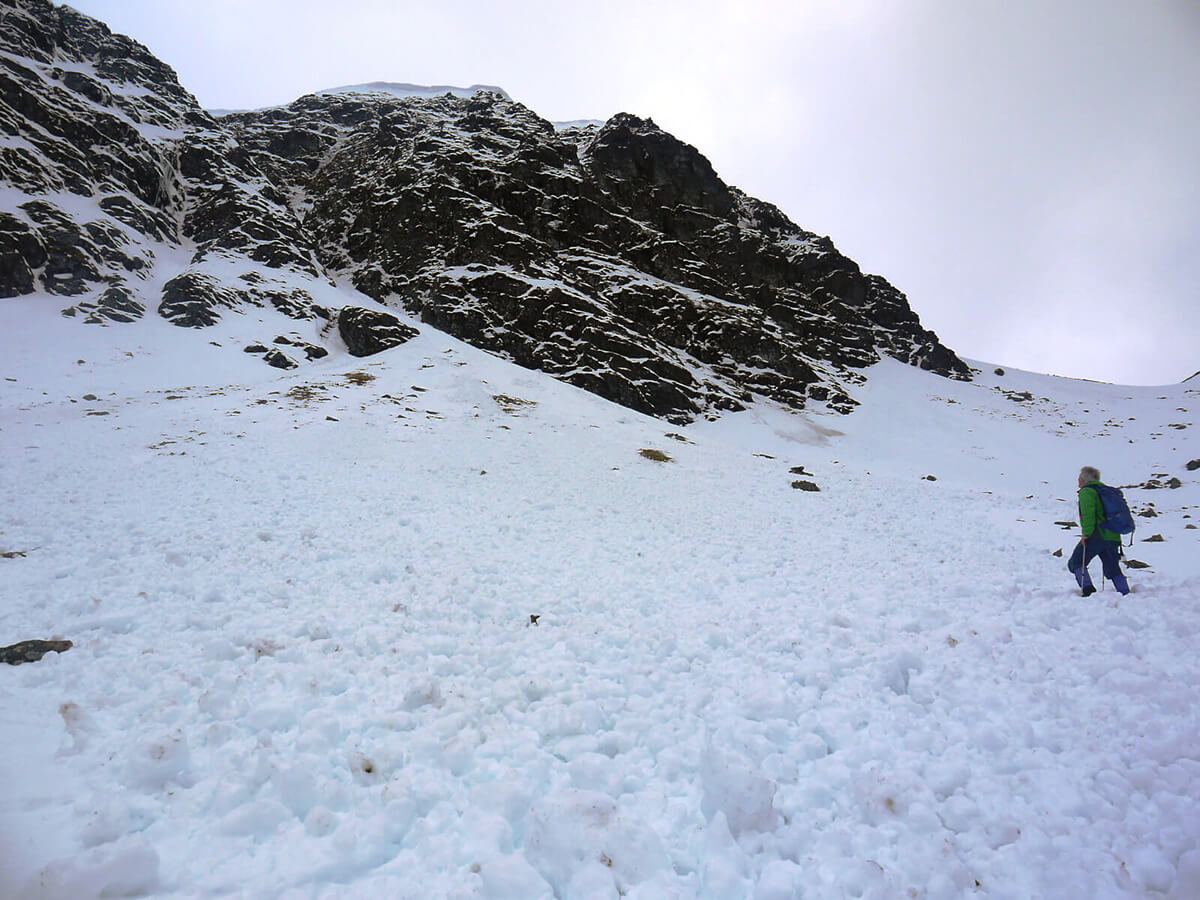
Wet snow avalanche. sais.gov.uk

Introduction

Following several days of heavy snowfall and strong winds across the Northern French Alps, a rapid rise in temperatures — with the freezing level climbing above 3000 metres — has triggered a new phase in the February 2026 avalanche cycle.

In the past 72 hours, avalanches have affected both backcountry terrain and managed ski domains across multiple massifs. A full overview of the February avalanche incidents across the Alps can be found here.

This update analyses what is happening across the massifs and why the snowpack is reacting now.


Table of Contents

  • Storm Loading Phase (Level 4–5)
  • The Rapid Warming Shift
  • In-Resort Avalanches: A Changing Risk Profile
  • Persistent Weak Layers Reactivated
  • What This Means Going Forward

1️⃣ Storm Loading Phase (Level 4–5)

Earlier in the week, heavy snowfall combined with strong wind transport created widespread slab formation across:

Continue reading “Northern French Alps Avalanche Cycle Update – Rapid Warming After Storm Triggers Widespread Instability (February 2026)”

Vallorcine Avalanche Kills Ski Patroller as Deadly Alpine Weekend Unfolds

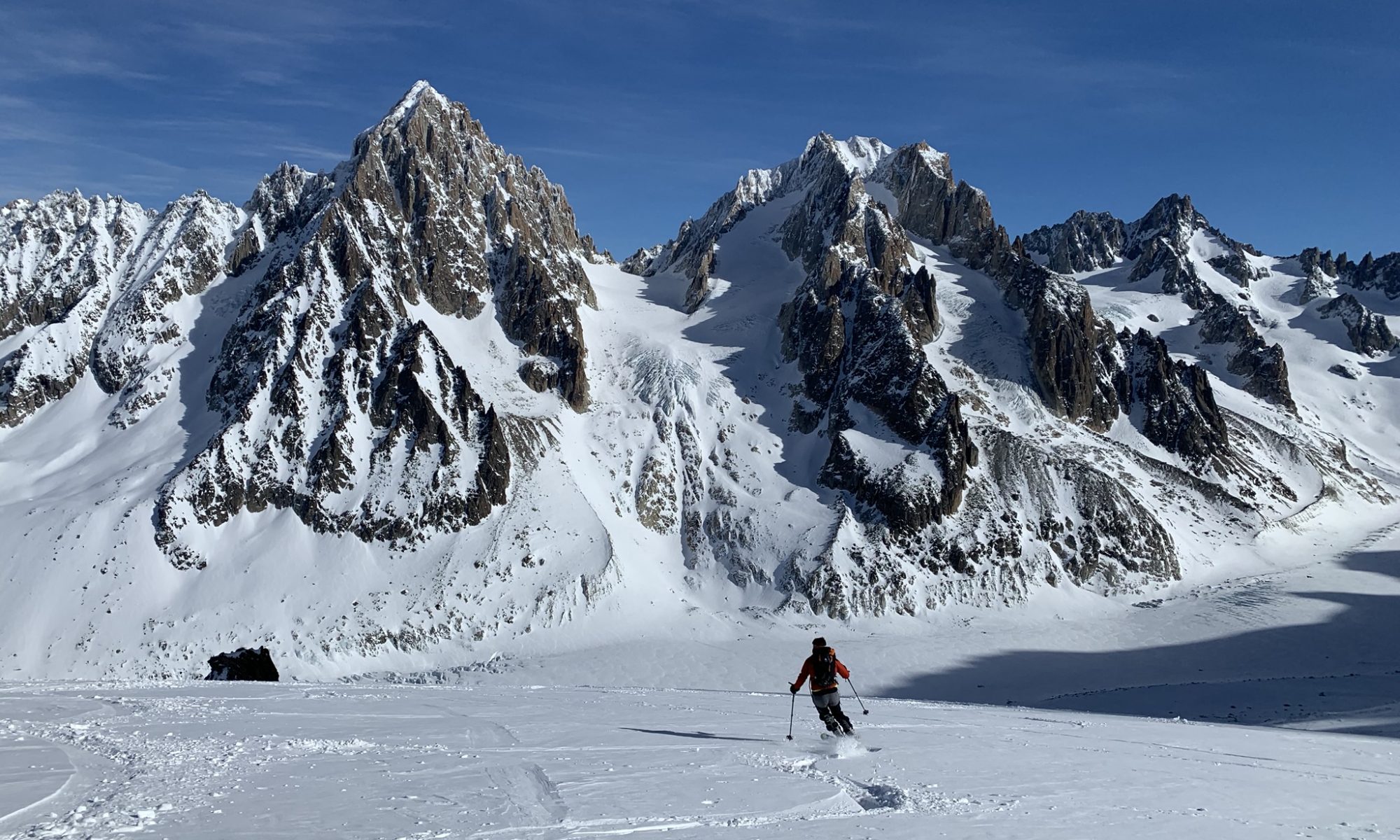
Ski de Randonnée in Chamonix. Photo: Christophe Raylat. OT Chamonix. Best ski resorts for a weekend trip

Vallorcine Avalanche Kills Ski Patroller Amid Deadly Alpine Weekend

A fatal avalanche in Vallorcine has claimed the life of a ski patroller working in the La Flégère sector of the Chamonix-Mont-Blanc domain.
The tragedy occurred on Sunday and has since been confirmed as part of a deadly avalanche weekend across the French Alps, with at least six fatalities reported nationwide.

According to updated reporting, the victim was a 32-year-old pisteur-secouriste, a father of young children, who was working on the mountain at the time of the avalanche. Despite a rapid response, he did not survive his injuries.

Continue reading “Vallorcine Avalanche Kills Ski Patroller as Deadly Alpine Weekend Unfolds”

Avalanche Activity Across the Alps & Pyrenees: Widespread Instability Raises Concerns (11–12 January 2026)

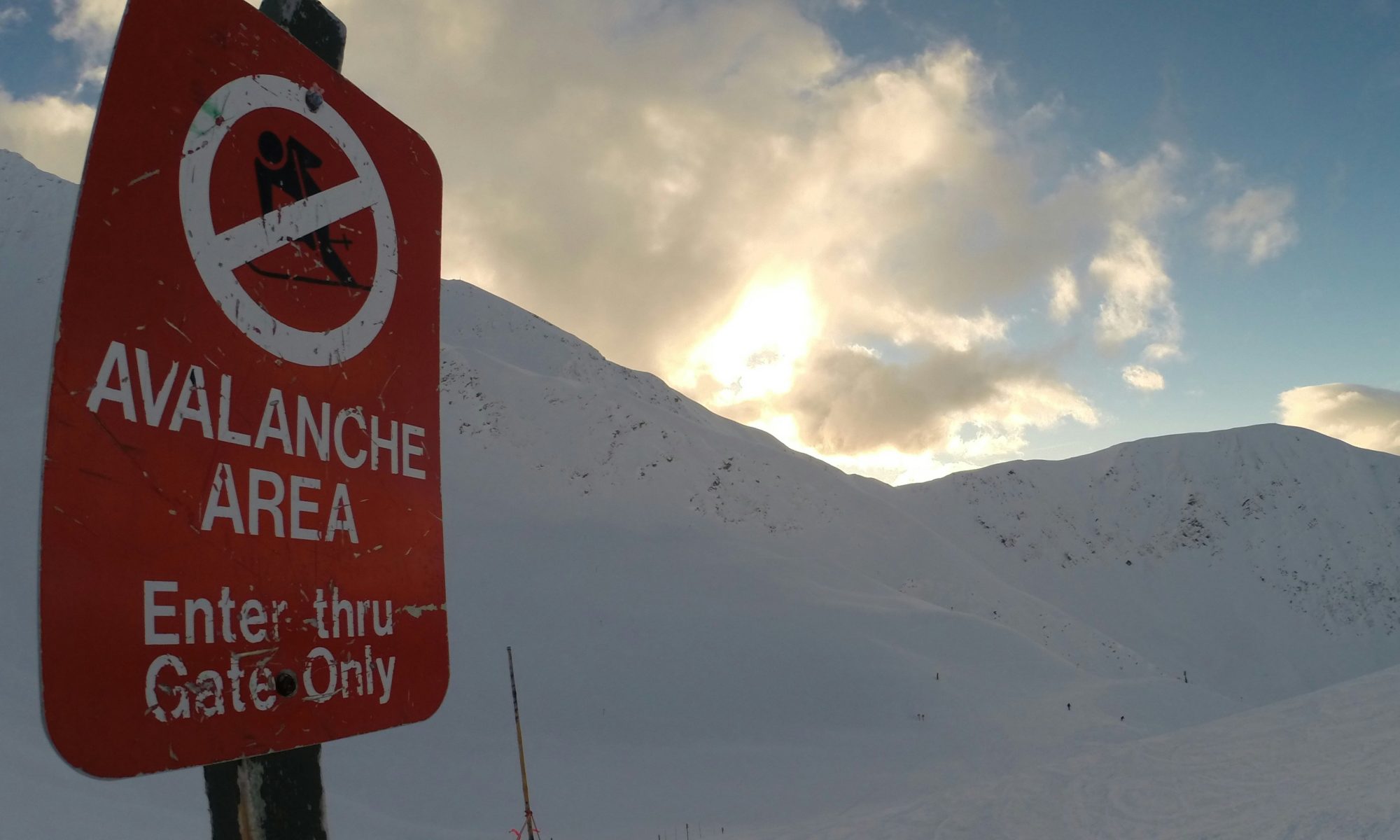
Avalanche danger sign. Photo: Bruce Warrington- Unsplash. Avalanche Activity Across the Alps & Pyrenees: Widespread Instability Raises Concerns (11–12 January 2026).

⚠️ A Concerning Weekend for Avalanche Safety in Europe’s Mountains

The weekend of 11–12 January 2026 saw a notable concentration of avalanche incidents and heightened warningsacross the Alps and the Pyrenees, affecting France, Italy, Switzerland and Austria.

Several skier-triggered avalanches, alongside spontaneous releases, confirm that snowpack instability remains widespread, particularly at higher elevations and on wind-loaded aspects.

This comes just days after fatal and serious avalanche incidents in the Aosta Valley, reinforcing the need for continued vigilance across all Alpine regions.

Continue reading “Avalanche Activity Across the Alps & Pyrenees: Widespread Instability Raises Concerns (11–12 January 2026)”

Foehn Winds and Rising Avalanche Risk in the Alps: What Skiers Need to Know

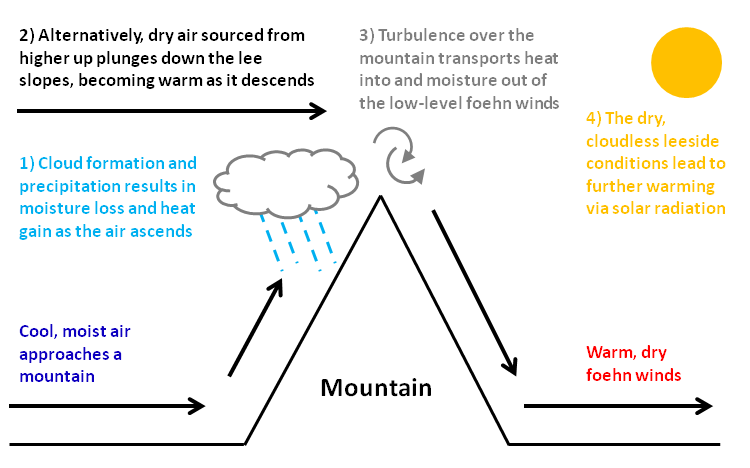
Foehn Wind graphic. Wikipedia. Foehn Winds and Rising Avalanche Risk in the Alps: What Skiers Need to Know.

🌬️ Why Foehn Winds Matter for Avalanche Safety

Foehn winds are a well-known meteorological phenomenon in the Alps, but their impact on avalanche risk is often underestimated by skiers and snowboarders.

While foehn conditions are sometimes associated with clear skies and warmer temperatures, they can significantly destabilise the snowpack, increasing the likelihood of dangerous slab avalanches, especially in off-piste and backcountry terrain.


What Are Foehn Winds?

Foehn winds are strong, dry downslope winds that occur when air masses cross the Alps and descend on the leeward side, warming rapidly as they lose moisture.

They are common across:

  • Italian Alps
  • Swiss Alps
  • Austrian Alps
  • French Alps

In Italy, foehn is often referred to as favonio, while in Austria and Germany it is known as Föhn.


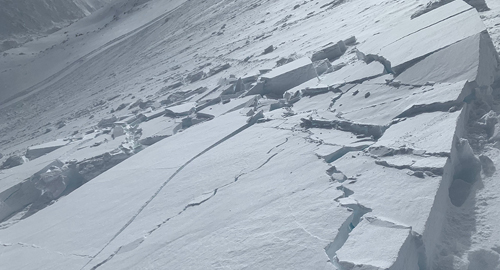
Wind slab. Scottish Avalanche Information Service. Sais.gov. Foehn Winds and Rising Avalanche Risk in the Alps: What Skiers Need to Know.

Continue reading “Foehn Winds and Rising Avalanche Risk in the Alps: What Skiers Need to Know”