

Introduction
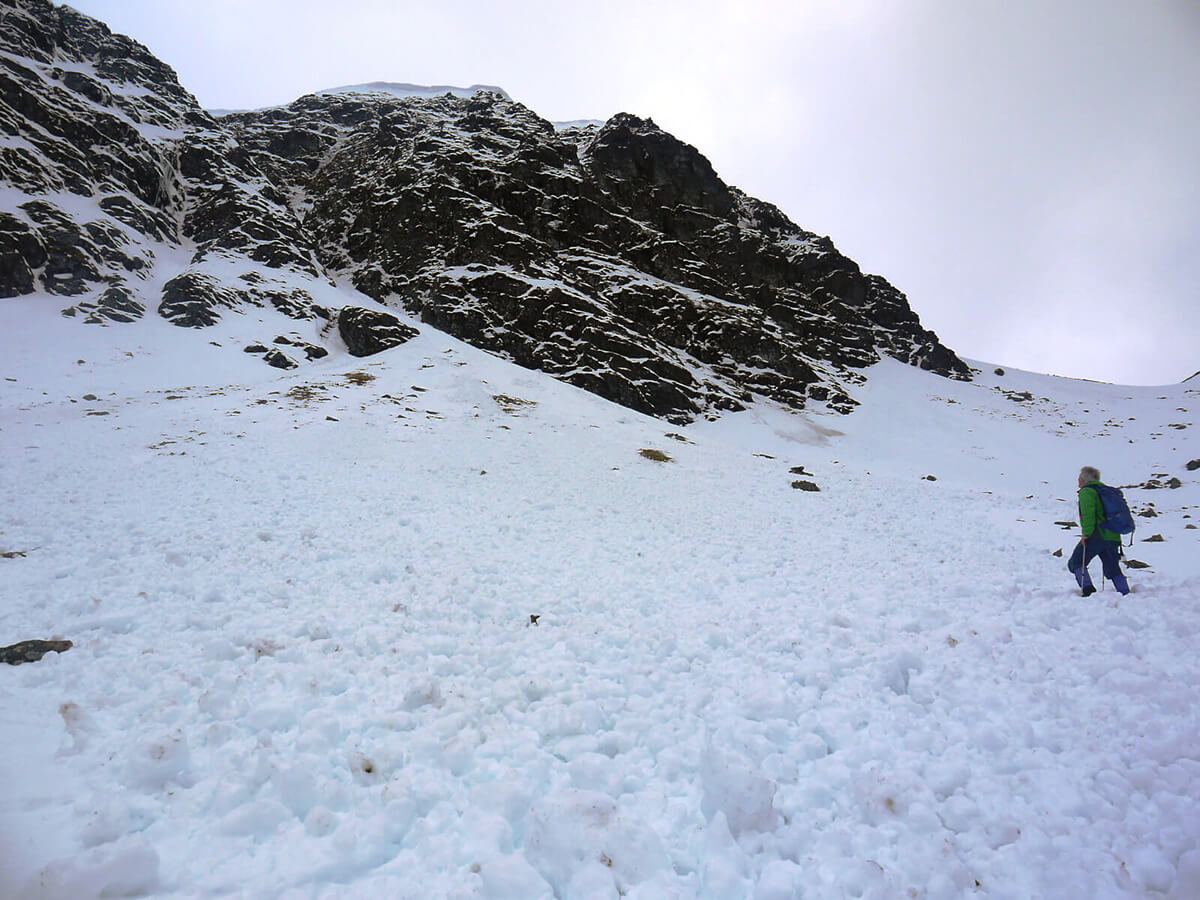
Following several days of heavy snowfall and strong winds across the Northern French Alps, a rapid rise in temperatures — with the freezing level climbing above 3000 metres — has triggered a new phase in the February 2026 avalanche cycle.
In the past 72 hours, avalanches have affected both backcountry terrain and managed ski domains across multiple massifs. A full overview of the February avalanche incidents across the Alps can be found here.
This update analyses what is happening across the massifs and why the snowpack is reacting now.
Table of Contents
- Storm Loading Phase (Level 4–5)
- The Rapid Warming Shift
- In-Resort Avalanches: A Changing Risk Profile
- Persistent Weak Layers Reactivated
- What This Means Going Forward
1️⃣ Storm Loading Phase (Level 4–5)
Earlier in the week, heavy snowfall combined with strong wind transport created widespread slab formation across:
- Haute-Savoie
- Tarentaise
- Maurienne
- Beaufortain
- Grandes Rousses
Several areas issued Level 4 (“High”) and, briefly, Level 5 (“Very High”) danger warnings.
Large natural avalanches were observed during the storm cycle, particularly on wind-loaded slopes and convex terrain features.
2️⃣ The Rapid Warming Shift
By 23–24 February, the freezing level rose above 3000 metres in parts of the Northern French Alps.
This change introduced:
- Rapid humidification of the upper snowpack
- Increased load on buried weak layers
- Wet loose avalanche activity
- Wet slab formation
- Full-depth glide releases in some sectors
This transition from cold storm slabs to warming-driven instability is a classic second phase of an avalanche cycle.
The snowpack, already stressed, is now adjusting to thermal weakening.
3️⃣ In-Resort Avalanches: A Changing Risk Profile
Recent incidents show instability reaching into managed ski areas:
📍 La Flégère – Chamonix (24 Feb)
An avalanche approximately 100 metres wide released above the Floria drag lift, sweeping across the red Crochues piste and the black Floria run. Three skiers were nearly fully buried but survived.
(Source: Le Dauphiné Libéré)
Location: Chamonix-Mont-Blanc
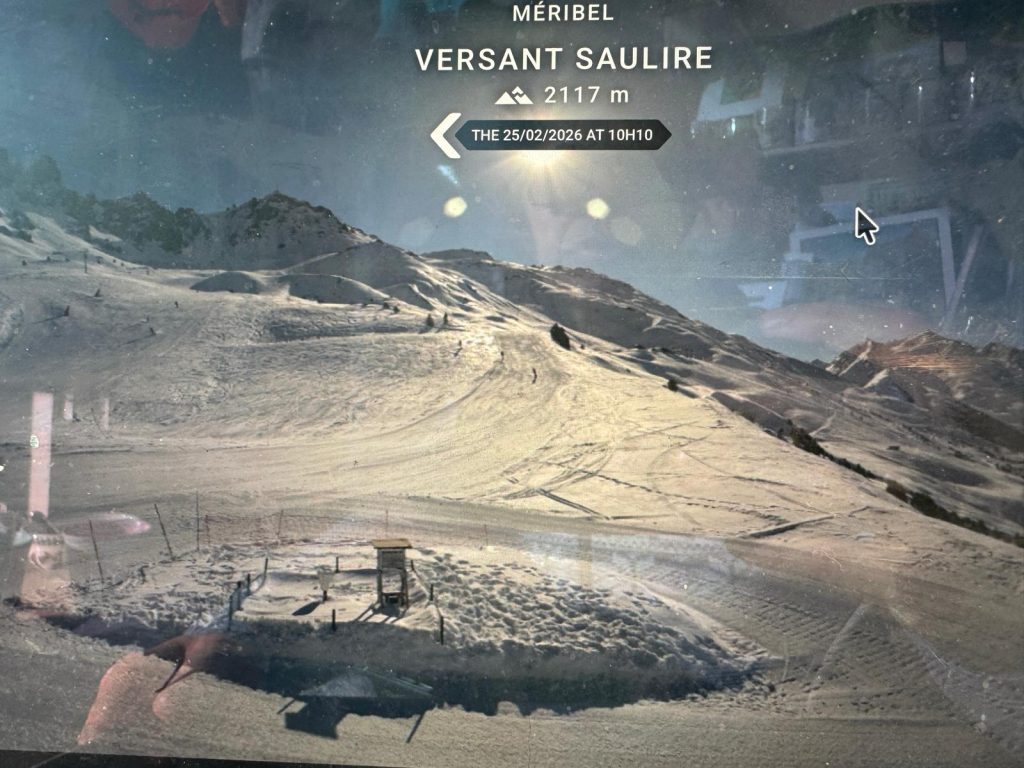
📍 Méribel – Saulire Sector (21 Feb)
Four off-piste skiers triggered a slab above the blue piste “Biche” under Saulire. The avalanche reached the piste; two skiers were buried and rescued quickly.
(Source: Le Dauphiné Libéré)
Location: Méribel
📍 La Chapelle-d’Abondance (22 Feb)
Two ski tourers lost their lives under Pointe de la Bosse in the Chablais massif.
Location: La Chapelle-d’Abondance
These incidents illustrate:
- Instability affecting slopes above pistes
- Persistent weak layers remaining reactive
- Human-triggered slabs during transition phases
- Increased natural avalanche frequency during warming
4️⃣ Persistent Weak Layers Reactivated
Reports from:
- Valloire (wet spontaneous size 3)
- Bonneval-sur-Arc (wet slab size 3)
- Saint-Sorlin-d’Arves (persistent weak layer activation)
- Haute Tarentaise (large natural releases)
suggest that buried weak layers — previously loaded by the storm — are being reactivated as moisture penetrates the snowpack.
This is particularly concerning on:
- SE, S and SW aspects under solar input
- Convex rolls
- Slopes above 2000–2200m
5️⃣ What This Means Going Forward
The current pattern suggests:
- Continued wet snow instability during warm afternoons
- Early morning refreezing may temporarily stabilise surface layers
- Deeper persistent layers remain a concern
- Terrain management inside ski areas remains critical
While danger ratings may begin to decrease as the storm cycle ends, warming-related avalanche activity often persists beyond headline warning periods.
This is now less about new snowfall — and more about how the existing snowpack is reacting to heat.
Looking Beyond Winter
Mountain risk is no longer strictly seasonal. The same climate volatility contributing to complex avalanche cycles in the Alps is also increasing wildfire exposure in high-elevation regions such as Colorado and, increasingly, parts of the European Alps.
FAQ
Why are avalanches occurring even after the storm has ended?
Because rapid warming weakens the bonds within the snowpack, especially where persistent weak layers were buried during the storm.
Are ski areas safe during warming periods?
Ski areas are actively managed, but slopes above pistes can remain reactive, particularly during rapid temperature increases.
Is this unusual for late February?
No. Transition cycles from cold storm slabs to warming-driven instability are common during late winter, especially when freezing levels rise sharply.
 Planning your next trip to the Italian Alps?
 Planning your next trip to the Italian Alps?
If you’re heading to the Aosta Valley, take a look at Il Cuore della Valdigne, our family-owned apartment in Morgex, available for rent when we’re not using it ourselves.
It’s an ideal base to:
- Ski in Courmayeur, La Thuile and Pila
- Enjoy the mountains in summer (hiking, biking, nature)
- Explore the Mont Blanc valley in a quieter, more authentic setting.
 Ski in Courmayeur,
 Enjoy the mountains in summer (hiking, biking, nature)
Check my Mountain Art on my Shop
You can go to my shop and see what have been inspiring me lately, lots mountain landscapes in soft pastels, and now in oils too. Go here to check my latest works!
Featured Image: Wet snow avalanche. sais.gov.uk


Discover more from The-Ski-Guru
Subscribe to get the latest posts sent to your email.
 Subscribe to The-Ski-Guru here.
You must be logged in to post a comment.