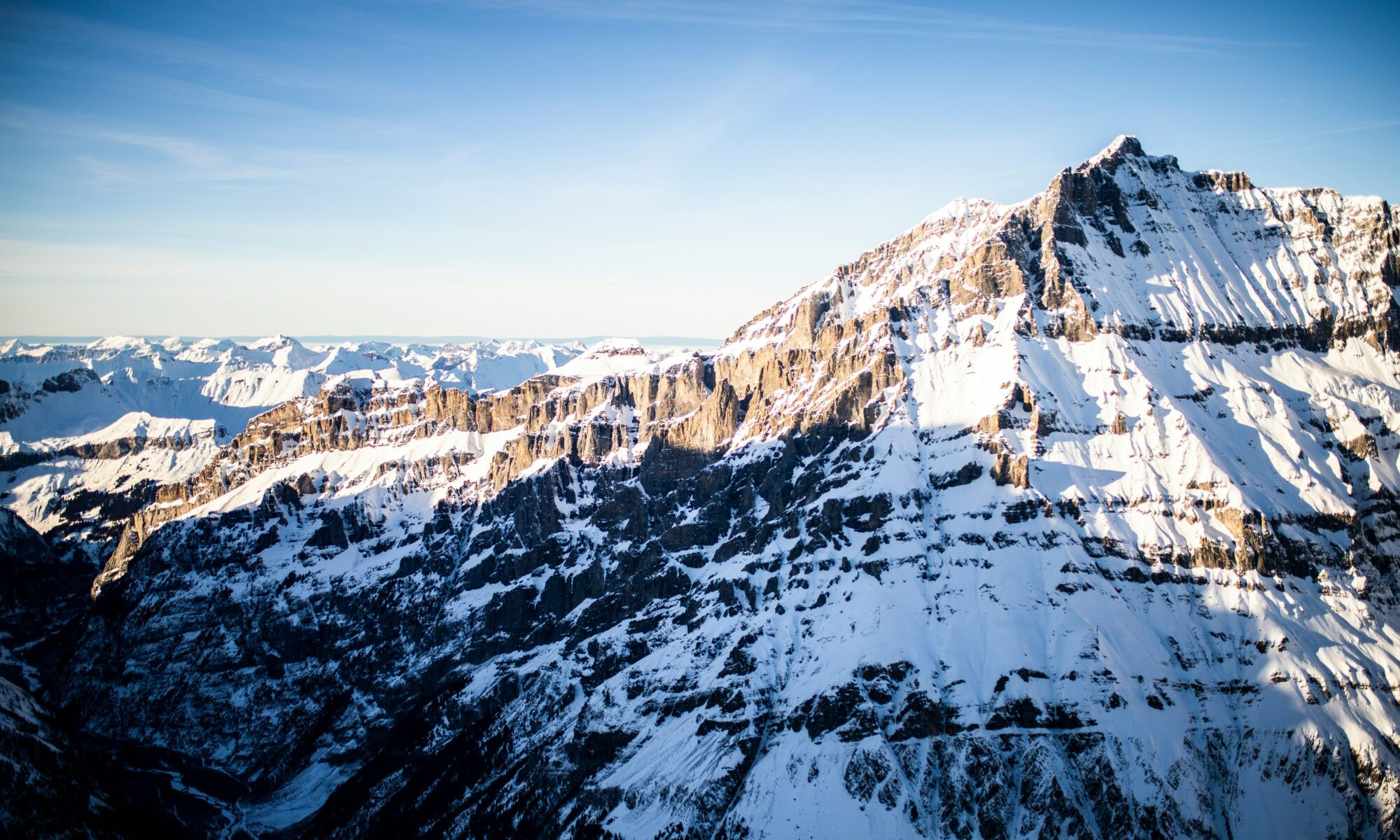
Swiss Glacier Instability Near Blatten Highlights Growing Alpine Risk

Lauchernalp. Lötschental, Valais, Switzerland. Photo: Caspar Camille Rubin. Unsplash.

Nearly a year after the catastrophic collapse that destroyed much of the Swiss village of Blatten, authorities are again monitoring instability in the same high-mountain area above the Lötschental valley. The renewed concerns are a reminder that the risks linked to glacier retreat, thawing permafrost, and unstable rock faces in the Alps are not disappearing after a single event — and may instead become a longer-term operational challenge for mountain communities, infrastructure, transport routes, and tourism regions. 

Swiss authorities confirmed this week that parts of the glacier and surrounding mountain terrain near Blatten continue to show signs of instability, while access to the disaster zone remains dangerous because of ongoing rockfall and debris movement. The original collapse on 28 May 2025 saw millions of cubic metres of rock, ice, and mud surge down the mountain in less than a minute, destroying most of the village after a successful evacuation of around 300 residents. One person died in the disaster. Continue reading “Swiss Glacier Instability Near Blatten Highlights Growing Alpine Risk”
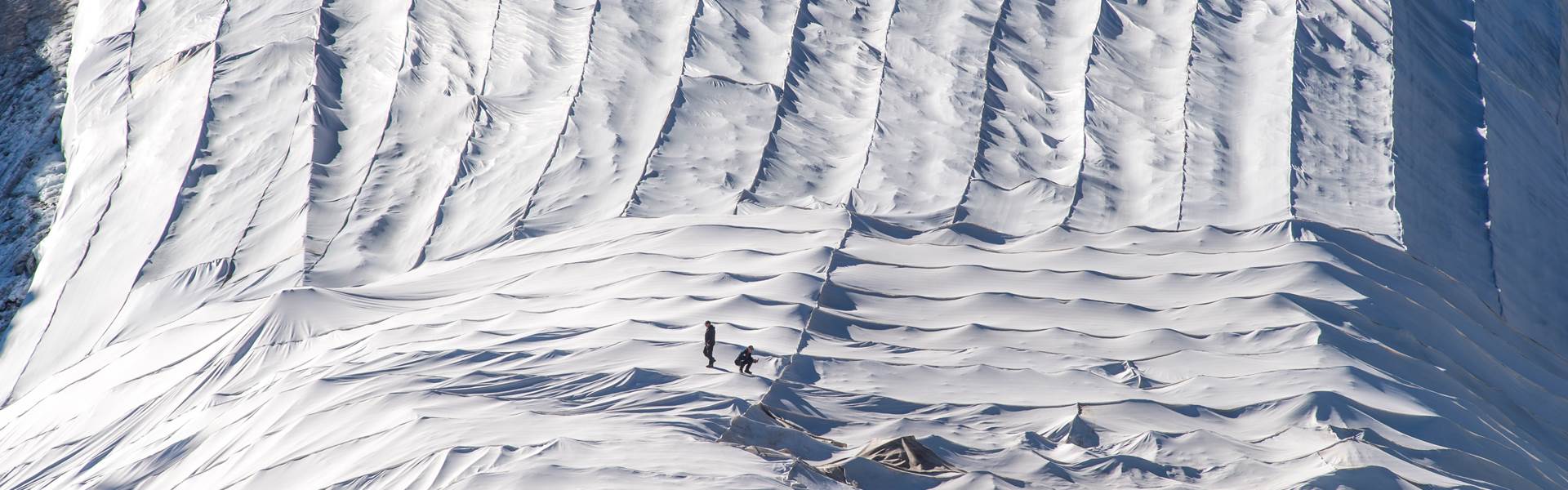
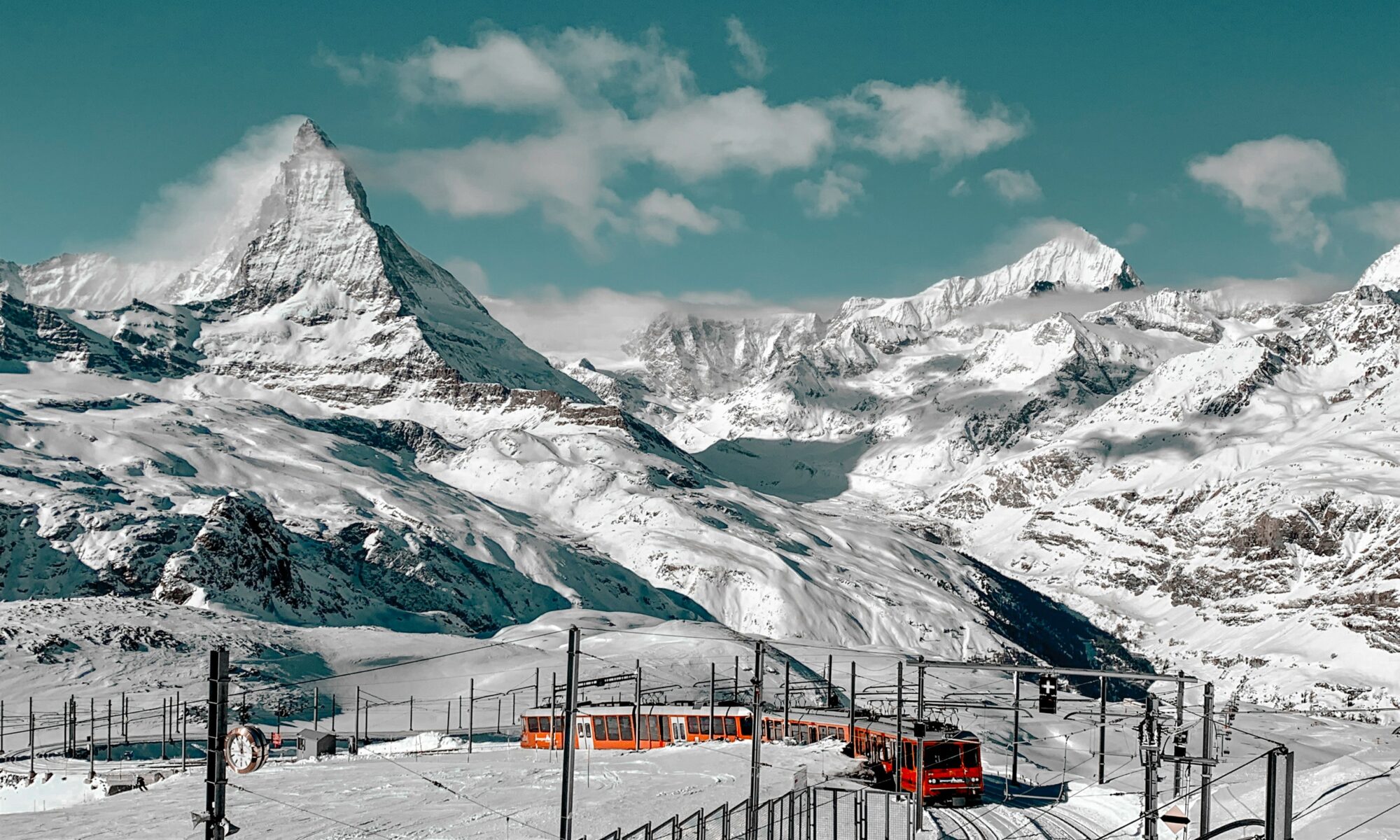
Alpine Ski Resorts Are Covering Glaciers to Slow Melting — But Can It Last?

Photo credit: Pontedilegno Tonale- pontedilegnotonale.com

As glaciers across the Alps continue to shrink, some ski resorts are increasingly turning to reflective geotextile covers, snow farming, and other snow-preservation techniques in an attempt to protect glaciers, maintain ski operations, and preserve critical mountain infrastructure.

The images often go viral online as “ski resorts covering glaciers with plastic sheets,” but the reality is more complex. Most resorts use reflective geotextile fleece designed to reduce summer melting by insulating snow and ice from solar radiation.

The latest example attracting attention is the glacier area around Diavolezza in Switzerland’s Engadin region, where snow preservation and glacier management techniques have become part of long-term ski operations at altitude. Researchers note that the former glacier skiing area at Diavolezza now survives “solely thanks to snow farming and covering.”

Continue reading “Alpine Ski Resorts Are Covering Glaciers to Slow Melting — But Can It Last?”

Zermatt’s Gornerli Dam Shows the Rising Cost of Climate Adaptation in the Alps

Zermatt. Photo: Victor He. Unsplash.

The planned Gornerli reservoir above Zermatt has become one of the clearest examples yet of how expensive climate adaptation in the Alps is becoming.

The project, designed as a major winter energy storage scheme for Switzerland, has been revised after new climate, hydrological, geological and logistical studies. According to Alpiq’s latest project update, the planned useful storage volume has been reduced from around 150 million cubic metres to 120 million cubic metres, while the estimated cost has risen sharply to around CHF 510 million. Earlier project material had placed the investment cost at around CHF 300 million.

That makes Gornerli more than a hydropower story. It is a mountain infrastructure story, a climate adaptation story and, for Zermatt and the Mattertal valley, a question of how Alpine communities prepare for a warmer and less predictable future.

Continue reading “Zermatt’s Gornerli Dam Shows the Rising Cost of Climate Adaptation in the Alps”

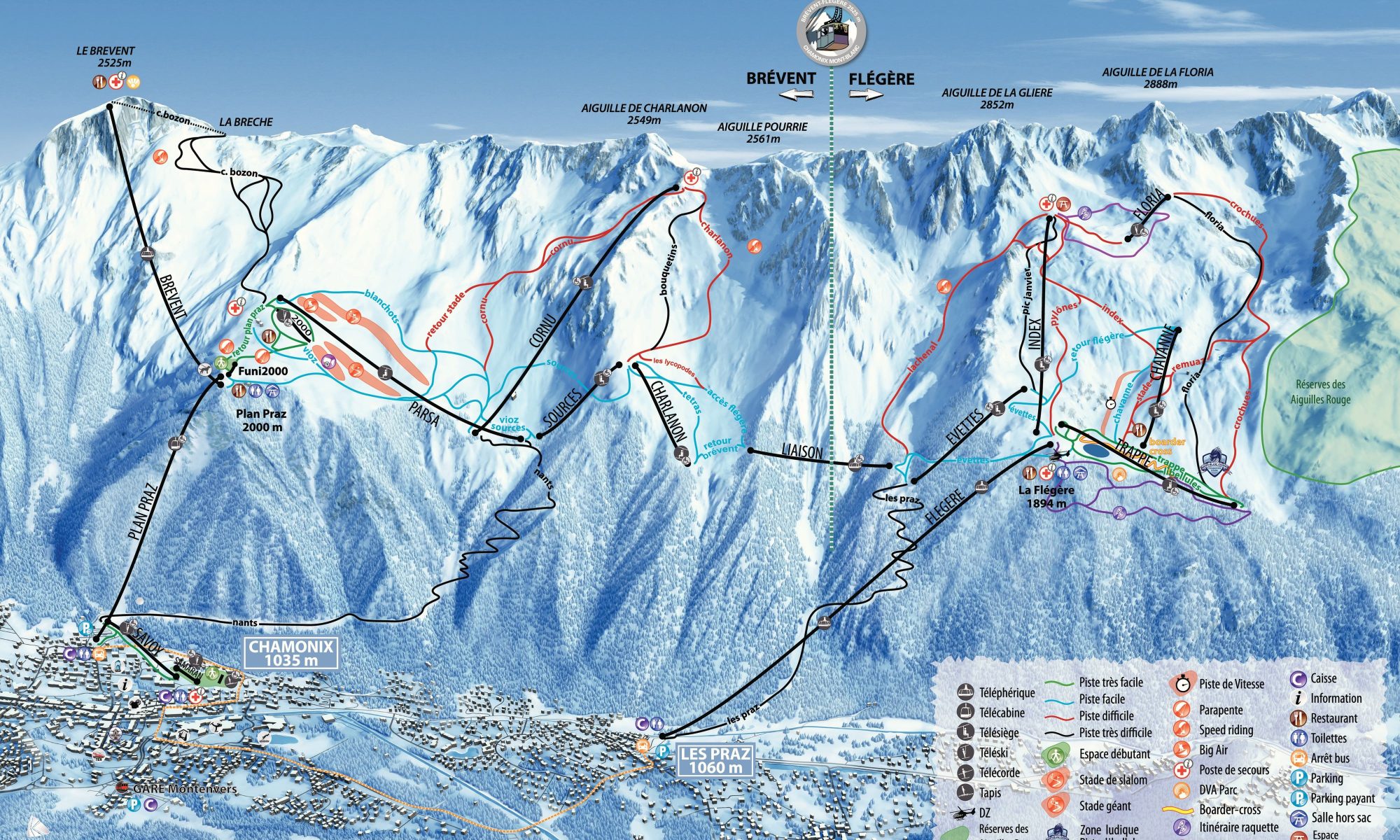
Chamonix Invests in Snowmaking at La Flégère — But for How Long?

Skimap- Le Brévent. Flégère. Chamonix. Compagnie du Mont Blanc.

The future of Alpine snow is increasingly being measured not just in snowfall, but in water.

A recent report highlighted by MeteoWeb suggests that Italy could lose up to 60% of its mountain water reserves by 2070, as warming temperatures reduce the snowpack that traditionally acts as a natural storage system. Across the Alps, this shift is already visible, with earlier melt cycles, reduced accumulation, and growing variability between regions. These trends are already being observed on the ground, as explored in our analysis of snow conditions in a warming Alpine climate.

Against that backdrop, investment decisions being made today by ski resorts take on a different meaning. They are no longer simply about improving infrastructure. They are about how long the current model can realistically be sustained.

Continue reading “Chamonix Invests in Snowmaking at La Flégère — But for How Long?”

Mountain Planet 2026: Innovation, Infrastructure, and the Future of Mountain Tourism

Mountain Planet 2026 show photo.

The 2026 edition of Mountain Planet 2026 has confirmed its position as one of the key global gatherings for the mountain industry, bringing together operators, manufacturers, policymakers and technology providers at a time when the sector is undergoing significant change.

Held in Grenoble, the event highlighted a clear shift in priorities across the industry. While innovation remains central, the focus is increasingly on resilience, energy transition, and the diversification of mountain tourism models.

This year’s edition recorded a 4.5% increase in visitors, underlining continued engagement from across the sector despite a winter season marked by uneven snow conditions in many regions.

Continue reading “Mountain Planet 2026: Innovation, Infrastructure, and the Future of Mountain Tourism”

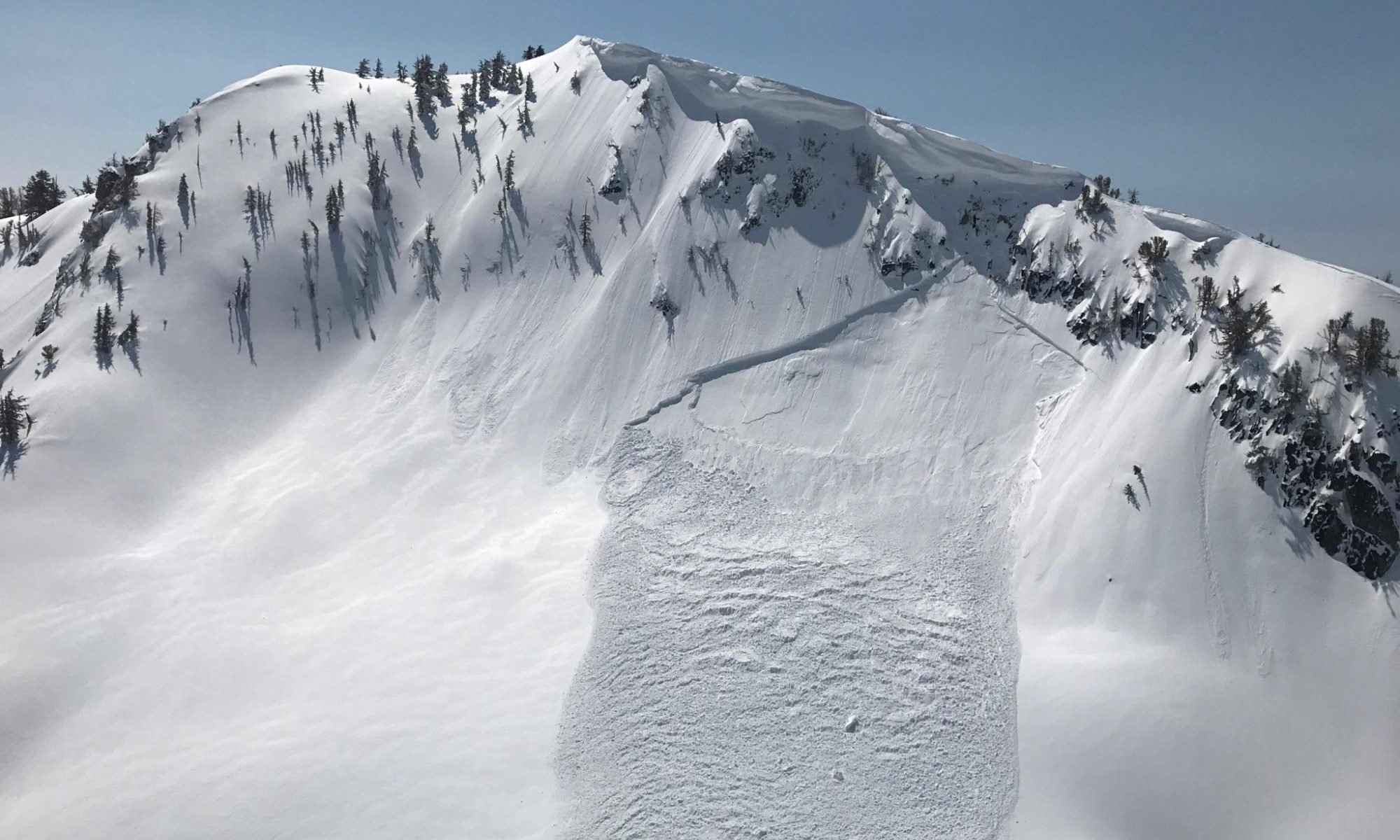
Atlantic Current Slowdown: Why Future Alpine Winters Could Mean Bigger Snowfalls—and Greater Avalanche Risk

Windslab Avalanche. Avalanche.org.

A new climate study suggesting that the Atlantic current could weaken by as much as 50% by the end of the century is not just an abstract ocean story — it could directly reshape Atlantic current Alps winter patterns

For skiers, mountain professionals and anyone tracking snow conditions, the implications are not straightforward. This is not a simple case of “more snow” or “less snow”. Instead, it points toward something far more complex: winters that are increasingly volatile, with sharper contrasts, heavier snowfall events, and a higher likelihood of instability.

Continue reading “Atlantic Current Slowdown: Why Future Alpine Winters Could Mean Bigger Snowfalls—and Greater Avalanche Risk”

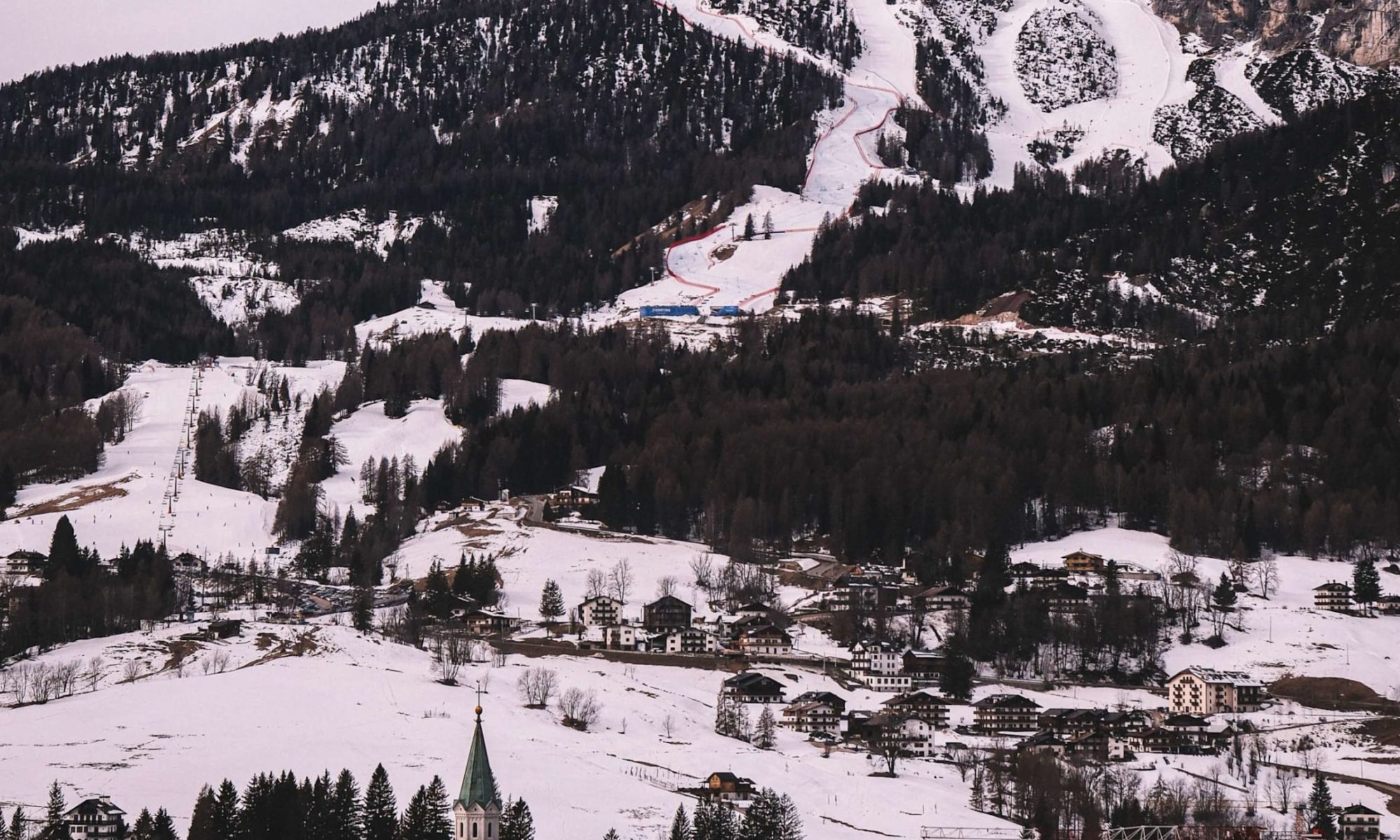
Milano-Cortina 2026: Environmental Impact Under Scrutiny

Cortina- Photo credit: Olympics.com

A Growing International Conversation

Recent reporting from The Guardian, alongside coverage from Le Monde, Associated Press and Euronews, has placed the environmental footprint of the Milano Cortina 2026 Winter Olympics under renewed scrutiny.

The focus is not a single project, but the broader ecological implications of hosting a multi-venue Winter Games across sensitive Alpine regions.

For a broader climate perspective, see my full analysis of snow conditions in a warming Alpine climate.


Key Areas of Discussion

Infrastructure & Construction

Particular attention has centred on works in Cortina d’Ampezzo, including sliding sports facilities and related upgrades.

Critics question whether forest clearance and construction activity align with sustainability messaging. Supporters argue that much of the Olympic model relies on upgrading existing venues rather than building entirely new complexes.


Artificial Snow & Water Resources

Like most modern Winter Games, Milano-Cortina 2026 will rely partly on artificial snow production to guarantee competition standards.

This involves:

  • Snowmaking infrastructure
  • Water storage systems
  • Energy use at altitude

Continue reading “Milano-Cortina 2026: Environmental Impact Under Scrutiny”

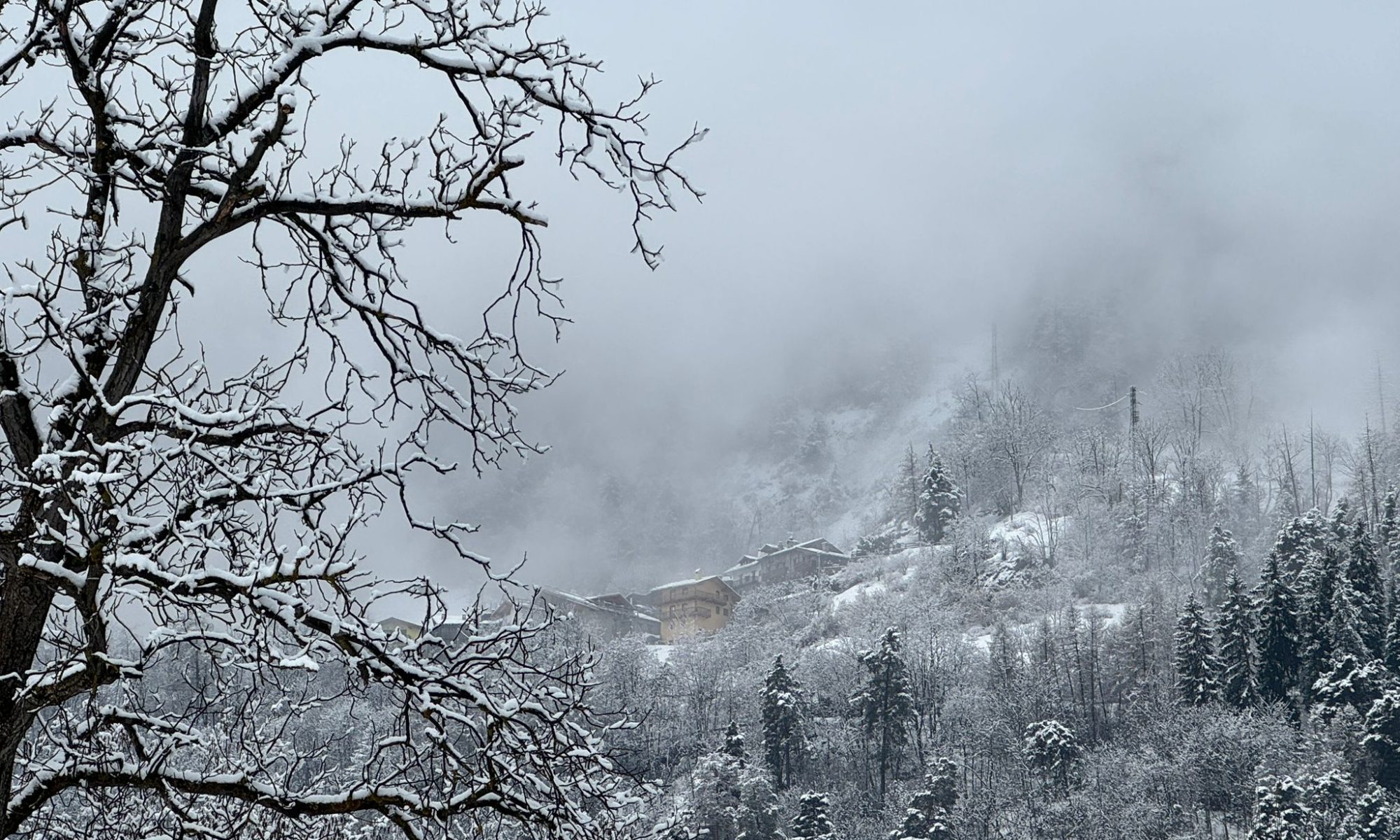
Snow Conditions in a Warming Alpine Climate

Winter in the Mountains- Photo: The-Ski-Guru. Morgex.

What the 2026 Winter Season Is Showing

A Winter of Extremes

Snow conditions in a warming Alpine climate are becoming more variable, more intense and more dependent on artificial support.

Across the Alps, long-term climate warming is reshaping snowfall patterns, snowline altitude, avalanche behaviour and the economics of winter tourism. The 2026 winter season provides a recent example of these broader trends.

In recent weeks alone, the region has experienced:

  • Intense multi-day storm cycles delivering 80–100 cm in short periods
  • Rapid wind loading and unstable snowpack development
  • Elevated avalanche danger levels across multiple massifs
  • Simultaneous reliance on artificial snow at lower altitudes

Rather than a simple story of “less snow,” the pattern emerging is one of greater variability and concentration. This growing instability is not confined to the Alps. Recent extreme heat events shortening the ski season in North America show how quickly conditions can deteriorate, even in traditionally more snow-reliable regions.


Heavier Storms, Faster Loading

Several recent cycles across the Western Alps demonstrated how quickly snowpack instability can build.

Large accumulations over 24–48 hours — combined with wind transport — created fragile layers and widespread avalanche danger. In many regions, danger levels rose to Level 4 (Strong), and in parts of the French Alps even Level 5 (Very Strong).

Continue reading “Snow Conditions in a Warming Alpine Climate”