

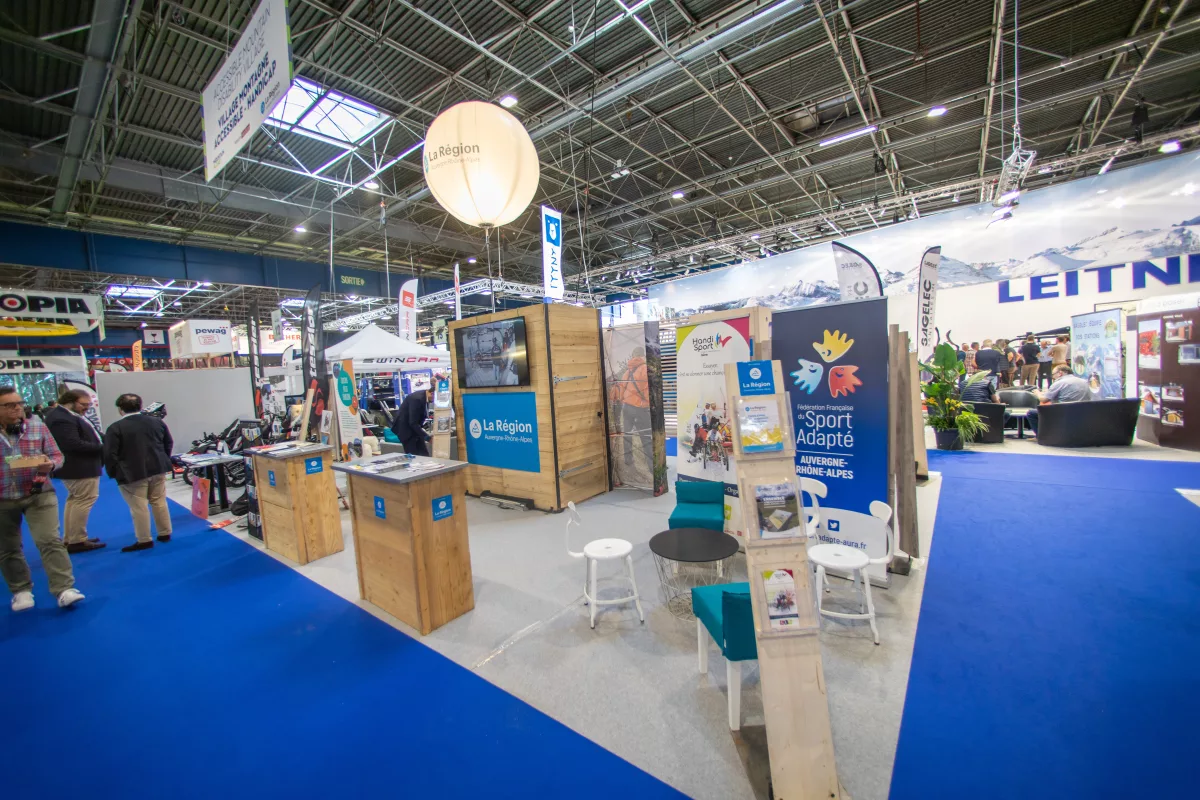
The 2026 edition of Mountain Planet 2026 has confirmed its position as one of the key global gatherings for the mountain industry, bringing together operators, manufacturers, policymakers and technology providers at a time when the sector is undergoing significant change.
Held in Grenoble, the event highlighted a clear shift in priorities across the industry. While innovation remains central, the focus is increasingly on resilience, energy transition, and the diversification of mountain tourism models.
This year’s edition recorded a 4.5% increase in visitors, underlining continued engagement from across the sector despite a winter season marked by uneven snow conditions in many regions.
A sector under pressure, but actively adapting
The overarching theme emerging from Mountain Planet 2026 is one of adaptation rather than contraction.
Across conferences and discussions, the message was consistent: climate variability is no longer a future concern, but a present operational reality. From snowmaking systems to lift infrastructure and mobility solutions, the industry is investing in ways to maintain reliability under increasingly unpredictable conditions.
👉 Snow deficit across the Alps this April
This aligns with patterns seen throughout the 2025–26 season, where snow distribution has been uneven and seasonal peaks have shifted, often concentrating earlier in winter.
Snowmaking and water management move to the centre
One of the most visible trends at the event was the growing importance of snowmaking infrastructure.
Exhibitors presented new technologies aimed at increasing efficiency, reducing energy consumption, and optimising water use. This reflects both environmental constraints and the economic necessity of ensuring minimum snow coverage in key resort areas.
However, the expansion of snowmaking also raises broader questions about sustainability, particularly in regions already facing water stress and rising temperatures.
👉 Snow Conditions in a Warming Alpine Climate
Infrastructure resilience and risk management
Beyond snow production, infrastructure resilience emerged as a central concern.
Transport access, lift systems, and mountain safety infrastructure are all being reassessed in light of more frequent extreme weather events. This includes not only snowfall variability, but also rockfall, landslides, and rapid freeze-thaw cycles.
👉 Mountain Infrastructure Risk in the Alps and Pyrenees
These risks are no longer isolated incidents. They are becoming structural challenges that affect both operations and long-term planning.
Political attention and territorial strategy
The strong presence of public authorities at Mountain Planet 2026 underlined the growing strategic importance of mountain regions.
Government representatives and regional stakeholders emphasised the need for coordinated approaches to infrastructure investment, environmental protection, and economic diversification. The involvement of national and local authorities reflects a recognition that mountain tourism is deeply interconnected with broader territorial policy.
Diversification beyond skiing
Another key theme was the diversification of mountain tourism.
While skiing remains central, there is increasing emphasis on year-round activities and alternative winter experiences. This shift is partly driven by climate uncertainty, but also by changing consumer expectations.
Operators are exploring ways to extend the economic viability of mountain destinations beyond traditional ski seasons, while maintaining their core identity.
From innovation to implementation
What stands out from Mountain Planet 2026 is that many of the technologies and concepts presented are no longer experimental.
They are being deployed.
From automated snowmaking systems to digital monitoring of infrastructure and environmental conditions, the industry is moving from innovation to implementation. The challenge now lies in scaling these solutions in a way that is both economically and environmentally sustainable.
A reflection of a changing industry
Mountain Planet 2026 does not present a single narrative of the future. Instead, it reflects an industry navigating multiple pressures at once.
On one hand, demand for mountain tourism remains strong. On the other, the conditions that underpin that demand are becoming less predictable.
👉 Atlantic current Alps winter patterns
The result is a sector that is evolving rapidly, balancing technological innovation, environmental constraints, and shifting consumer behaviour.
Looking ahead
The key takeaway from Mountain Planet 2026 is not uncertainty, but transformation.
The mountain industry is not standing still. It is actively adapting, investing, and rethinking its models in response to a changing climate and evolving market dynamics.
How successful these adaptations will be remains to be seen. But what is clear is that the future of mountain tourism will be defined not just by snow, but by how effectively the industry responds to the challenges now unfolding.
Sources
Mountain Planet 2026 official communications
Industry conference materials and press briefings
 Planning your next trip to the Italian Alps?
 Planning your next trip to the Italian Alps?
If you’re heading to the Aosta Valley, take a look at Il Cuore della Valdigne, our family-owned apartment in Morgex, available for rent when we’re not using it ourselves.
It’s an ideal base to:
- Ski in Courmayeur, La Thuile and Pila
- Enjoy the mountains in summer (hiking, biking, nature)
- Explore the Mont Blanc valley in a quieter, more authentic setting.
 Ski in Courmayeur,
 Enjoy the mountains in summer (hiking, biking, nature)
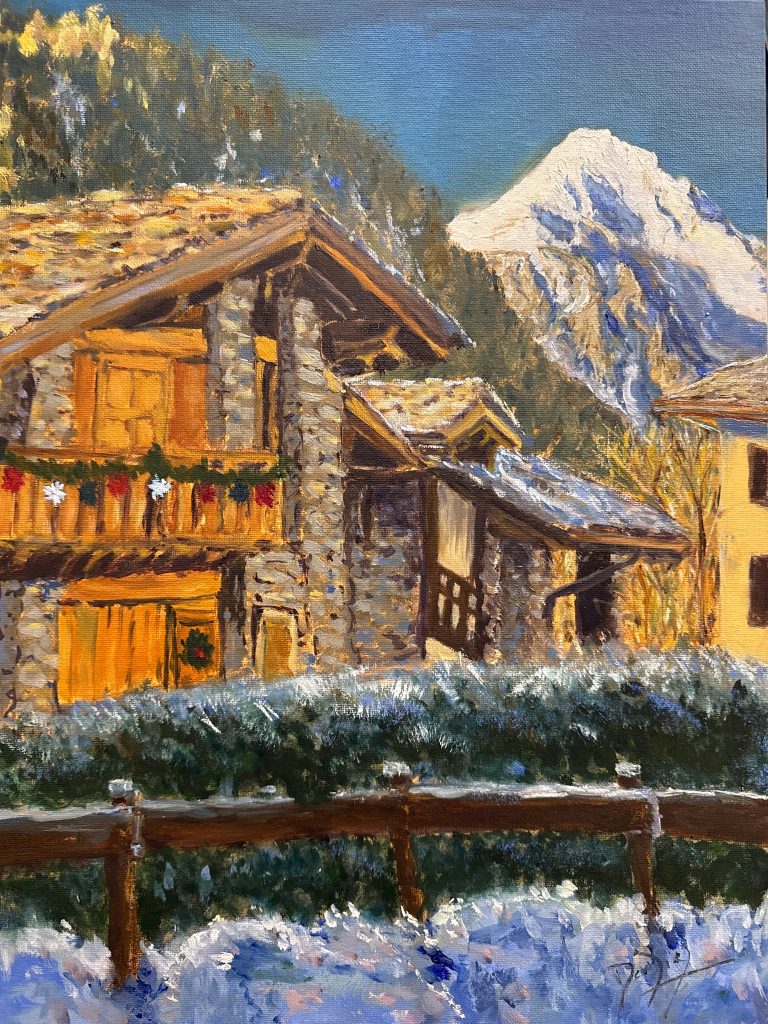
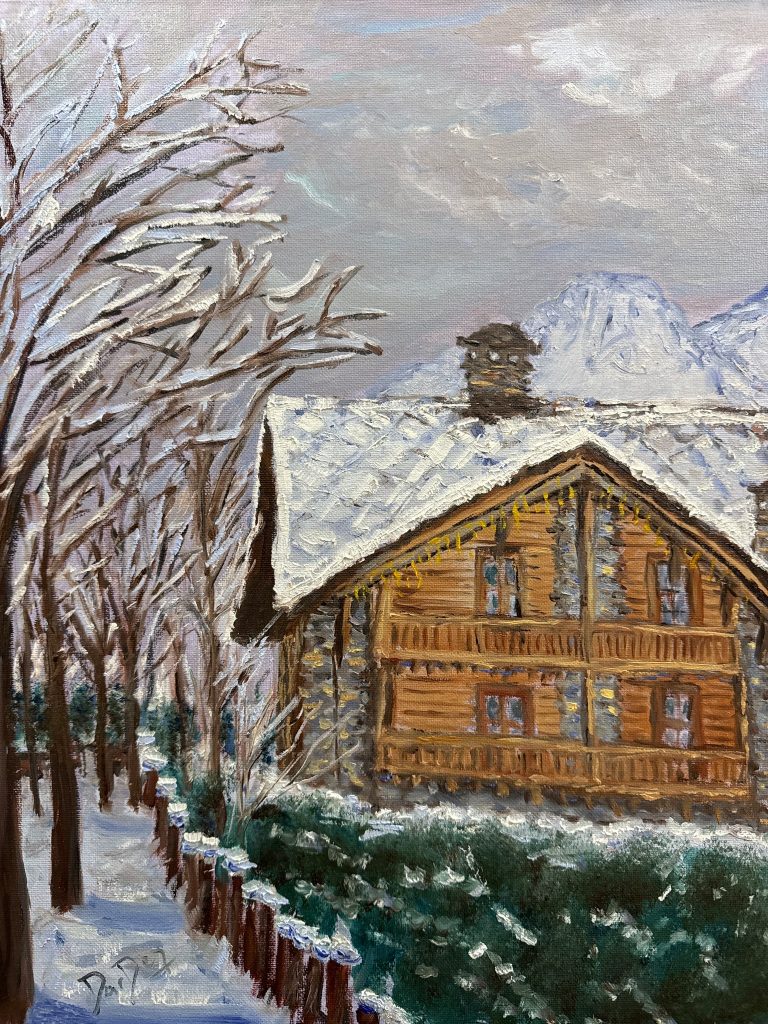
Check my Mountain Art on my Shop
You can go to my shop and see what have been inspiring me lately, lots mountain landscapes in soft pastels, and now in oils too. Go here to check my latest works!
Featured Image: Mountain Planet 2026 show photo.


Discover more from The-Ski-Guru
Subscribe to get the latest posts sent to your email.
 Subscribe to The-Ski-Guru here.