Why Low Avalanche Danger Does Not Mean No Avalanche Risk

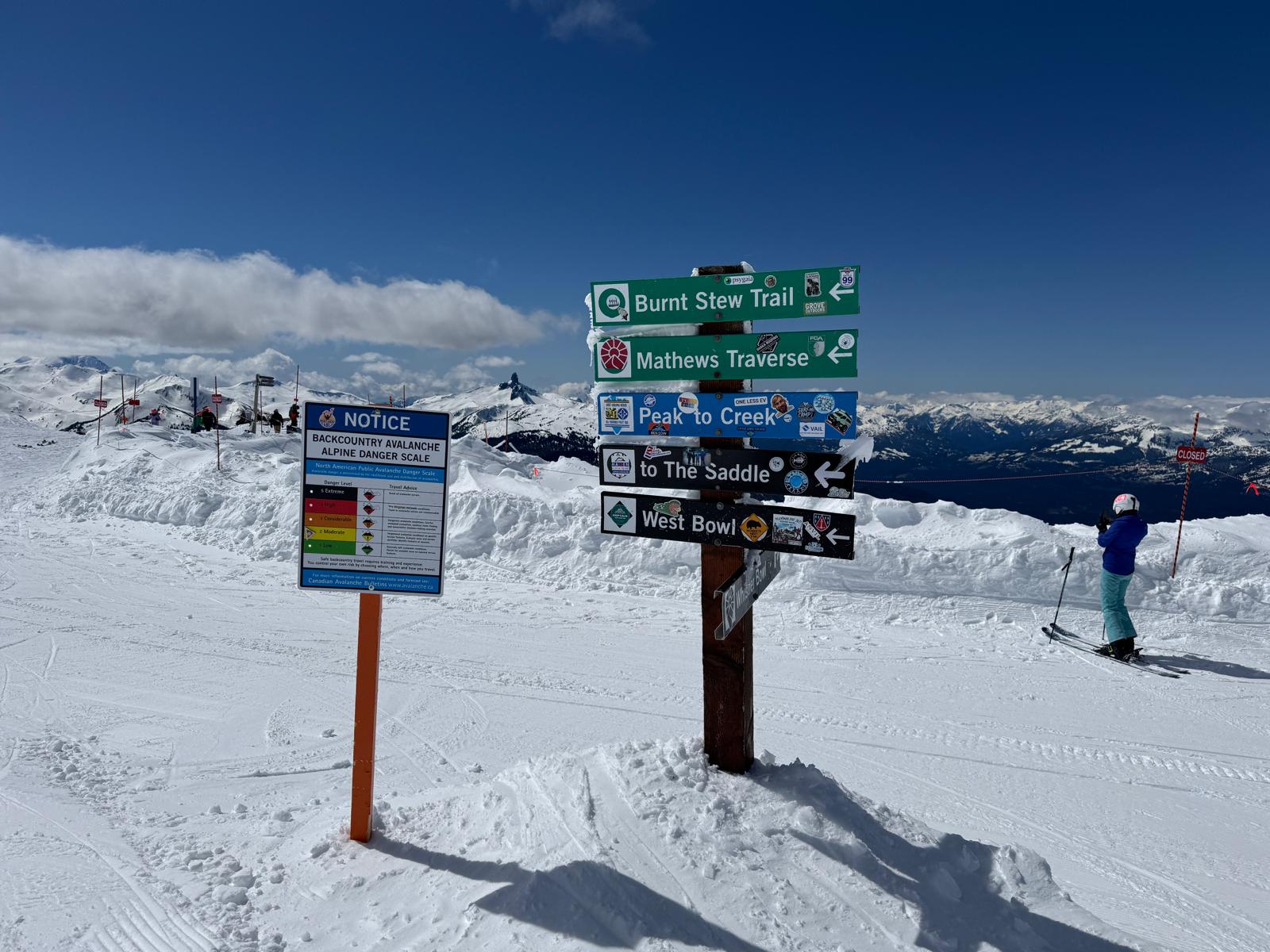
Avalanche posts on top of Whistler Mountain. Photo: The-Ski-Guru.

A Level 1 — Low avalanche danger rating does not mean the mountains are avalanche-free.

This is one of the most important — and most misunderstood — aspects of avalanche forecasting.

The European Avalanche Danger Scale describes the overall stability of the snowpack across a region. Even during Low danger conditions, isolated unstable slopes and specific avalanche problems may still exist.

Avalanche accidents can and do occur at Level 1.

Although the probability of triggering an avalanche is generally lower than during Moderate, Considerable, or High danger conditions, local terrain features can still create serious hazards.

This is especially true in steep alpine terrain, heavily wind-loaded slopes, glacier entrances, terrain traps, or sectors affected by glide avalanches.

At Level 1, natural avalanches are generally unlikely and the snowpack is considered mostly stable.

However, “mostly stable” does not mean “completely stable.”

Continue reading “Why Low Avalanche Danger Does Not Mean No Avalanche Risk”

Why Avalanche Accidents Still Happen at Level 2 – Moderate

Avalanche Level 2 Photo: Avalanchegeeks.com

A Level 2 — Moderate avalanche danger rating is one of the most misunderstood conditions in the mountains.

For many recreational skiers and occasional ski tourers, a Level 2 bulletin can sound relatively reassuring. The word “moderate” often creates the impression that conditions are largely stable and that avalanche risk is limited.

In reality, many serious avalanche accidents still occur during Level 2 conditions.

Continue reading “Why Avalanche Accidents Still Happen at Level 2 – Moderate”

Fresh Snow, Wind Slabs and Spring Avalanche Risk Return to the Écrins

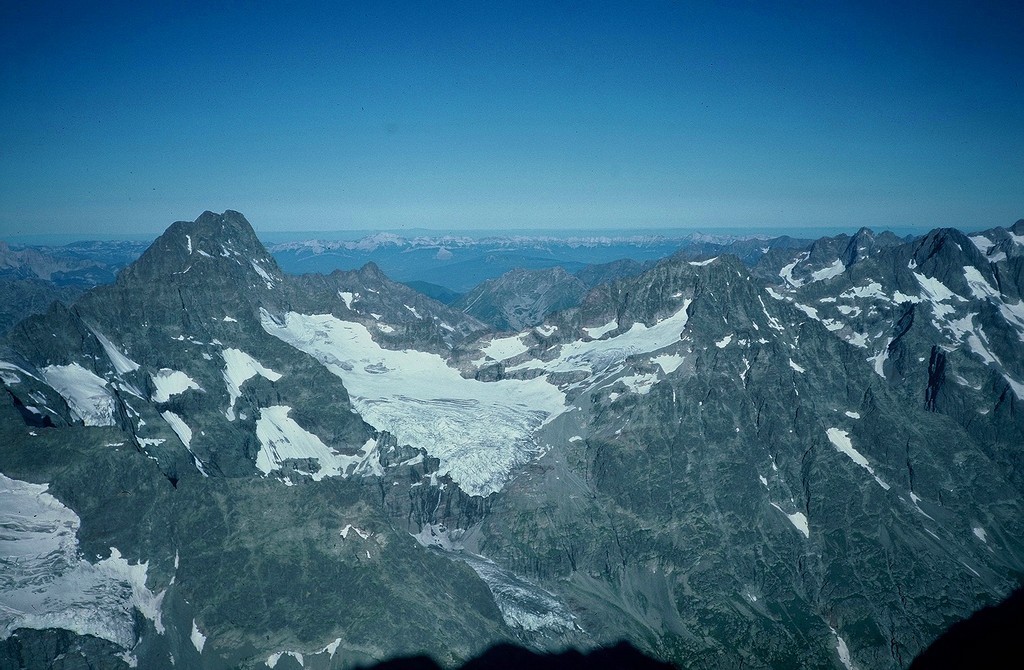
Aiguille de Olan- Photo: Alain Bellon. Altituderando.com

Nearly One Metre of Snow in Five Days: Renewed Avalanche Instability in the French Alps

A fatal avalanche accident in the Écrins massif and multiple recent avalanche observations across the French Alps are highlighting how rapidly spring mountain conditions can deteriorate following late-season snowfall and wind transport.

On Friday morning, a Savoyard high mountain guide died after being swept away by a wind slab avalanche near the summit of the north face of the Aiguille de l’Olan in the Oisans massif. According to early reports, the guide and a companion were close to the summit and had reportedly intended to ski the descent when a wind slab suddenly released, carrying one of the climbers approximately 400 metres down the face.

A second fatal avalanche accident was reported the following day in the Mont Blanc massif, where a young French skier died on Saturday 9 May after being swept away on the north face of the Aiguille du Plan above Chamonix. According to Le Dauphiné Libéré, three skiers aged around 20 to 25 were descending the face when they triggered a fresh-snow avalanche shortly after midday. One skier was carried away and later found dead by PGHM Chamonix rescuers, while his two companions were evacuated from the route. The accident adds further weight to warnings about late-spring instability following recent snowfall across the northern French Alps.

Continue reading “Fresh Snow, Wind Slabs and Spring Avalanche Risk Return to the Écrins”