Why Low Avalanche Danger Does Not Mean No Avalanche Risk

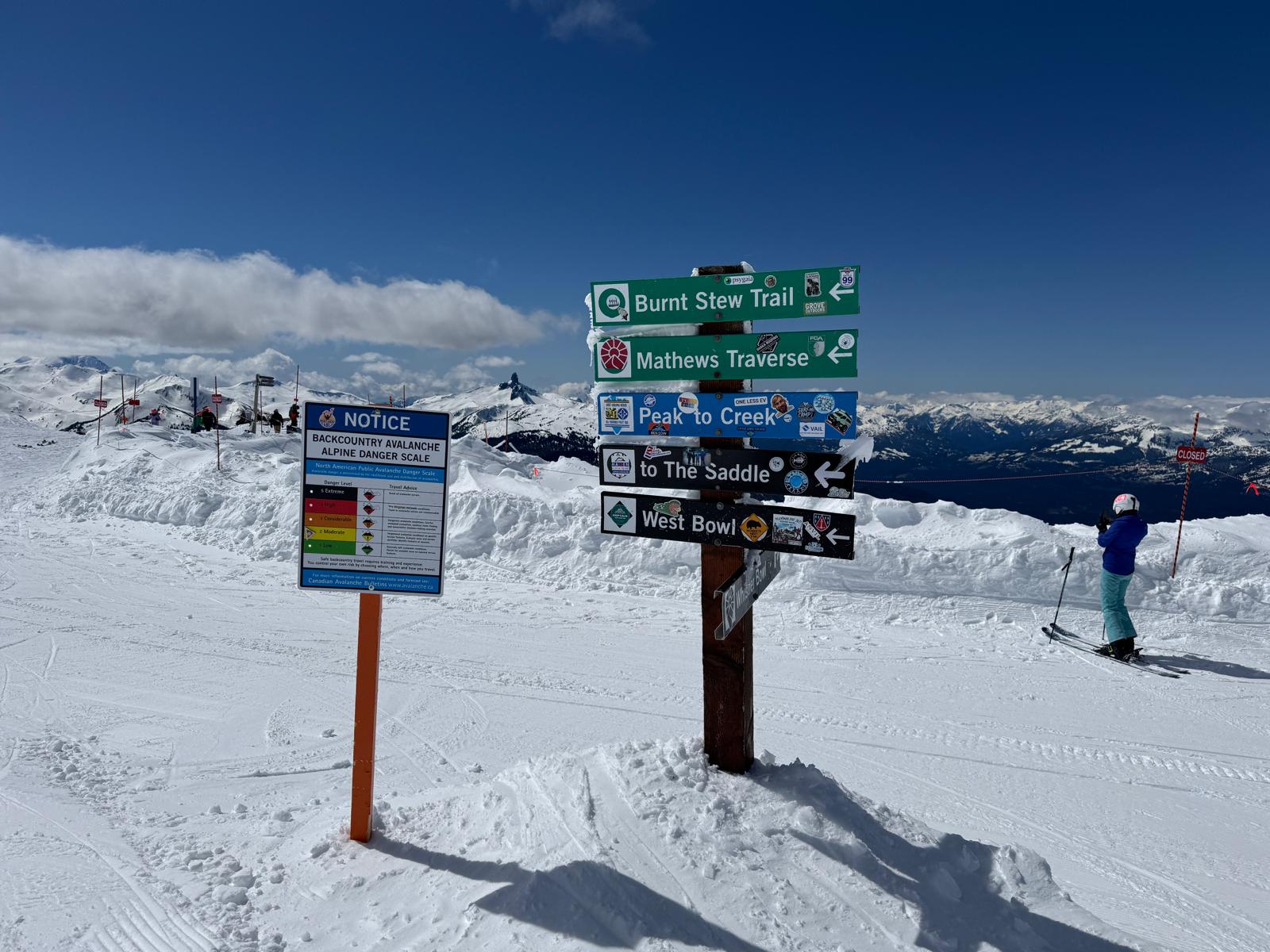
Avalanche posts on top of Whistler Mountain. Photo: The-Ski-Guru.

A Level 1 — Low avalanche danger rating does not mean the mountains are avalanche-free.

This is one of the most important — and most misunderstood — aspects of avalanche forecasting.

The European Avalanche Danger Scale describes the overall stability of the snowpack across a region. Even during Low danger conditions, isolated unstable slopes and specific avalanche problems may still exist.

Avalanche accidents can and do occur at Level 1.

Although the probability of triggering an avalanche is generally lower than during Moderate, Considerable, or High danger conditions, local terrain features can still create serious hazards.

This is especially true in steep alpine terrain, heavily wind-loaded slopes, glacier entrances, terrain traps, or sectors affected by glide avalanches.

At Level 1, natural avalanches are generally unlikely and the snowpack is considered mostly stable.

However, “mostly stable” does not mean “completely stable.”

Continue reading “Why Low Avalanche Danger Does Not Mean No Avalanche Risk”

Why Avalanche Accidents Still Happen at Level 2 – Moderate

Avalanche Level 2 Photo: Avalanchegeeks.com

A Level 2 — Moderate avalanche danger rating is one of the most misunderstood conditions in the mountains.

For many recreational skiers and occasional ski tourers, a Level 2 bulletin can sound relatively reassuring. The word “moderate” often creates the impression that conditions are largely stable and that avalanche risk is limited.

In reality, many serious avalanche accidents still occur during Level 2 conditions.

Continue reading “Why Avalanche Accidents Still Happen at Level 2 – Moderate”

The European Avalanche Danger Scale May Change — What Skiers Should Know

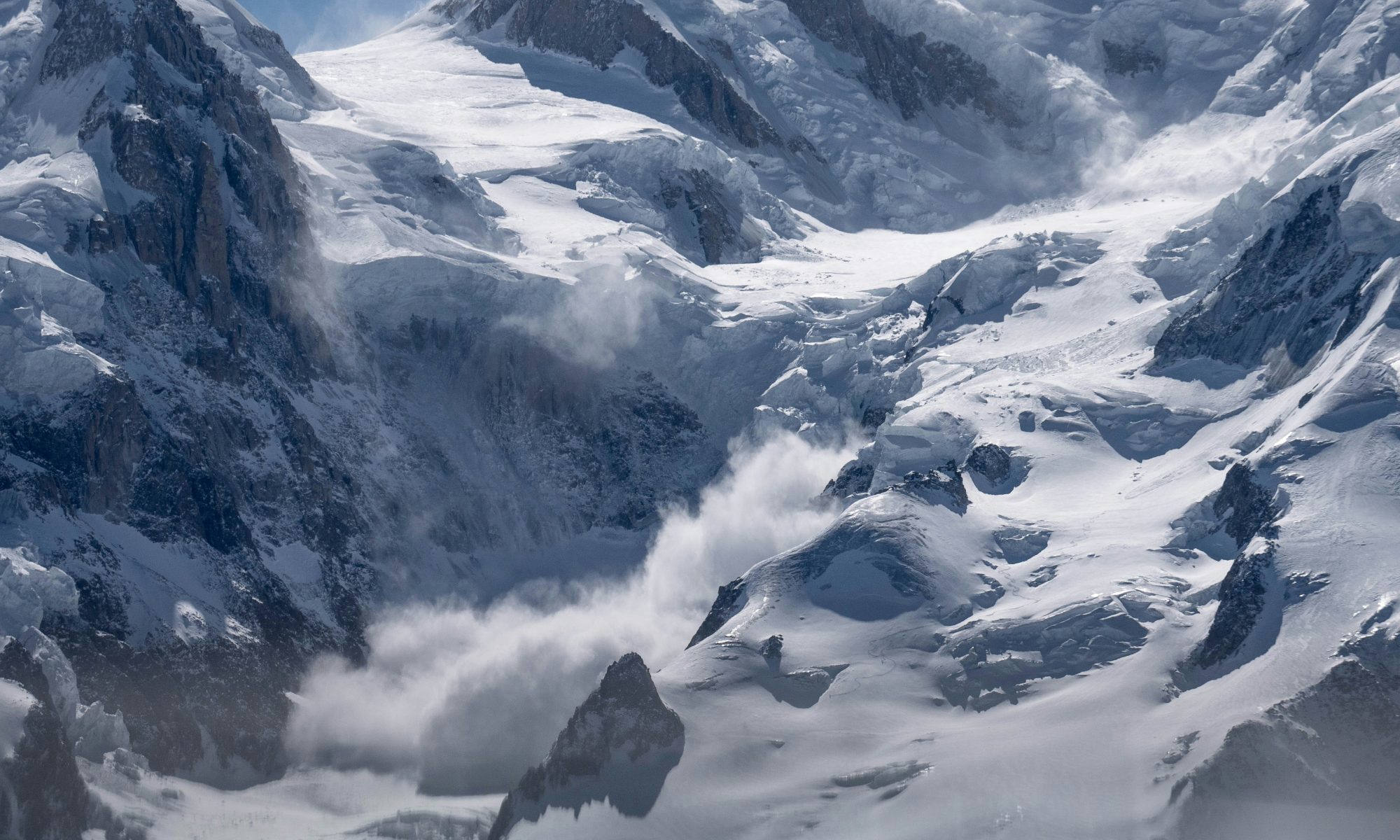
Avalanche in Chamonix. Stock photo: Krzysztof Kowalik. Unsplash.

The European Avalanche Danger Scale, used across the Alps and most mountain regions in Europe, may soon receive an update aimed at making avalanche forecasts easier to understand. The system is the standard framework used in avalanche bulletins across Europe to communicate snowpack stability and avalanche risk.

The five familiar danger levels will remain the same. However, avalanche forecasters are reviewing how the scale is explained and communicated to the public, with the goal of improving clarity for skiers, snowboarders and backcountry users.

Avalanche danger levels such as Level 3 (Considerable) and Level 4 (High) are often misunderstood by recreational skiers. Many avalanche accidents occur under these conditions because the snowpack can still produce large human-triggered avalanches even when danger is not at the highest levels.

To support the work, the network of European avalanche forecasting agencies known as European Avalanche Warning Services (EAWS) has launched a public survey asking mountain users to evaluate new wording and descriptions used in avalanche bulletins.

Continue reading “The European Avalanche Danger Scale May Change — What Skiers Should Know”

How to Use Avalanche Bulletins to Plan Your Mountain Day (Step-by-Step)

Aineva report on 3rd February of the avalanche risk at the Valdigne of Monte Bianco (the Valley of Monte Bianco). How to Use Avalanche Bulletins to Plan Your Mountain Day (Step-by-Step).

Before heading off-piste, ski touring, snowshoeing, or entering uncontrolled terrain, checking the avalanche bulletin is not optional — it is one of the most important safety steps you can take.

Yet many skiers and riders still look only at the danger number, without fully understanding how to use the rest of the information to plan a safe mountain day.

This guide explains how to read and apply avalanche bulletins properly, what they can (and cannot) tell you, and where to find the official avalanche forecasts across Europe.


What an Avalanche Bulletin Is — and What It Is Not

An avalanche bulletin (or avalanche forecast) is a regional risk assessment, based on:

Continue reading “How to Use Avalanche Bulletins to Plan Your Mountain Day (Step-by-Step)”

Winter Mountain Safety Guide: Skiing, Snowshoeing & Nordic Terrain

Winter walking and snowshoeing in Pila. Photo: The-Ski-Guru. Winter Mountain Safety Guide: Skiing, Snowshoeing & Nordic Terrain.

Winter mountains offer some of the most rewarding experiences in the Alps — from skiing and ski touring to snowshoeing and cross-country skiing.
They are also complex, constantly changing environments, where risks are not always obvious and are not limited to one activity.

This guide provides a clear, practical overview of winter mountain safety, helping skiers, snowshoers and Nordic users better understand terrain, conditions and context.
It is written for awareness — not blame — and is designed to be read alongside official safety advice and avalanche bulletins.


1. Winter mountain risk goes beyond marked pistes

A common misconception is that avalanche danger only concerns off-piste or backcountry skiers. In reality:

Continue reading “Winter Mountain Safety Guide: Skiing, Snowshoeing & Nordic Terrain”

Avalanche Awareness: What Every Skier Needs to Know

Avalanche signs- Photo credit: CPR.org. Avalanche Awareness: What Every Skier Needs to Know.

Avalanche Awareness: What Every Skier Needs to Know

Avalanches are one of the most serious and misunderstood dangers in the mountains. Every winter, experienced skiers, snowboarders and mountaineers are caught — often in familiar terrain, sometimes close to marked pistes, and frequently during days that do not feel dangerous.

Avalanche awareness is not about fear. It is about understanding risk, recognising patterns, and making better decisions in winter mountain environments.

This guide explains the essentials every skier should know: how avalanches form, who is most at risk, why forecasts matter, and where accidents most often happen — with links to more in-depth resources throughout.


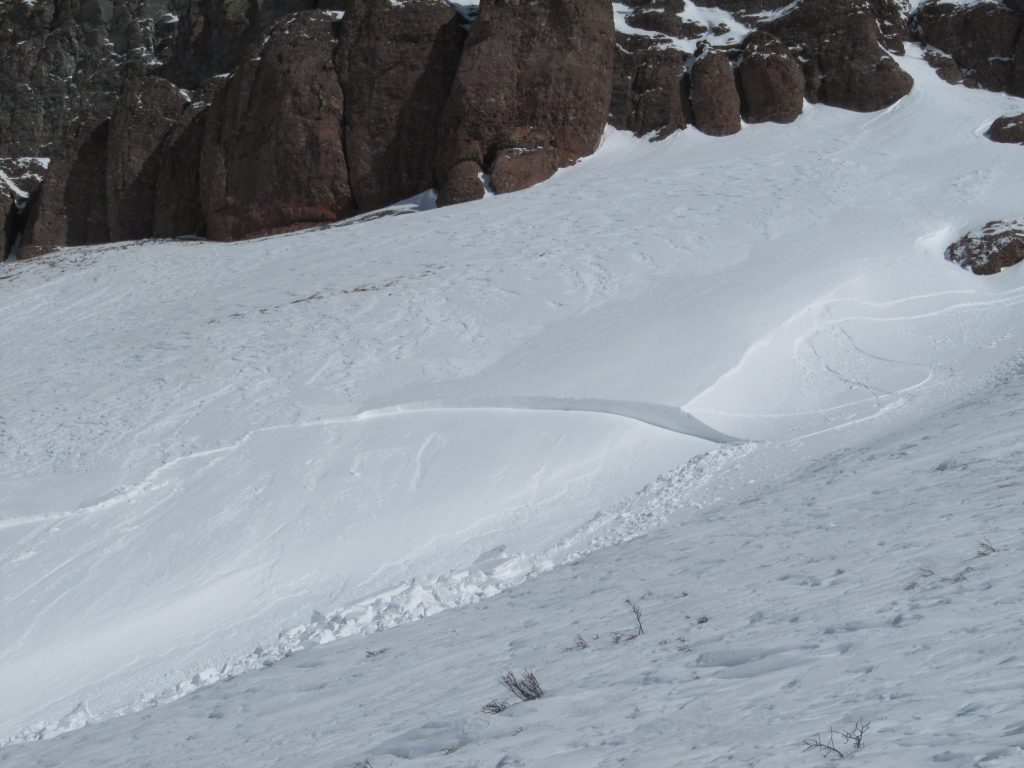
Windslab avalanche. Photo: Andrew Temple. Colorado Avalanche Information Center. Avalanche Danger Levels Explained: What “Level 3 – Considerable” Really Means. Windslab avalanche. Photo: Andrew Temple. Colorado Avalanche Information Center. Continue reading “Avalanche Awareness: What Every Skier Needs to Know”
Avalanche Crosses Blue Ski Run in Savoie: What Happened?

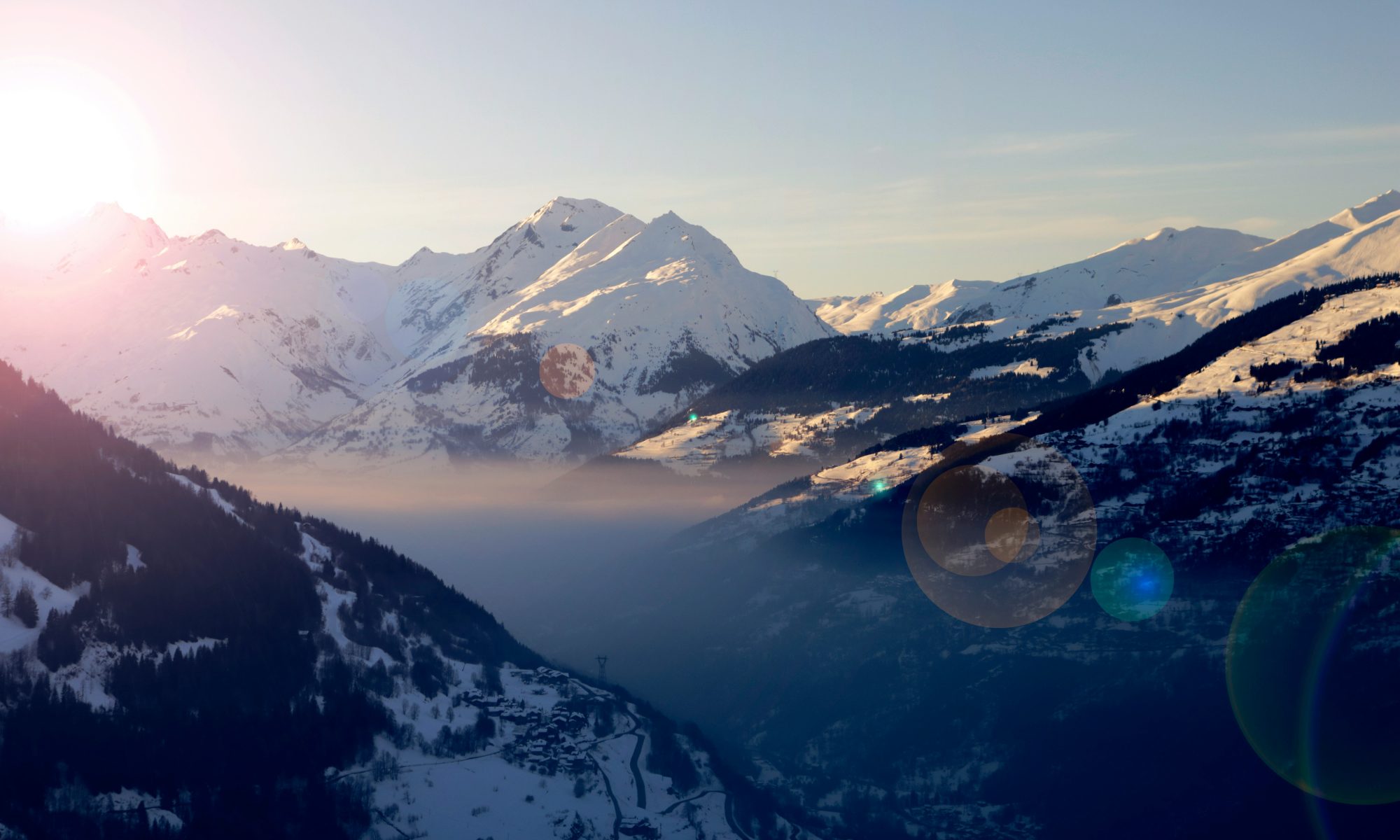
Sainte Foy Tarentaise photo by Valdemaras Januska. Unsplash. Avalanche Crosses Blue Ski Run in Savoie: What Happened?

Savoie Avalanche Crosses Blue Piste at Sainte-Foy-Tarentaise, Four Skiers Involved

On 13 January 2026, a significant avalanche crossed a marked blue ski run at the Grand Solliet area of Sainte-Foy-Tarentaise in the French Alps (Savoie). The incident occurred during open piste hours, surprising skiers and prompting an immediate rescue response. 

This incident highlights the importance of using avalanche bulletins to plan a mountain day, even when skiing close to marked pistes.

Details of the Incident

According to reports, four people were involved when an avalanche — reportedly triggered by a skier off the marked piste — swept across the blue run. Three of those caught were knocked off balance by the force of the snow, while the fourth was briefly buried under the avalanche debris, with only their hand visible before rescuers reached them. 

Rescue teams — including piste patrol, the CRS Alpes, ski school instructors, and avalanche dogs — quickly searched the area. The buried skier was located about 50 metres below the piste and transported to hospital in Bourg-Saint-Maurice for further care. Authorities confirmed that no others were missing before ending the rescue operation later in the afternoon. 

Events like this raise questions about how ski resorts manage safety under operational pressure, particularly during busy winter periods.

Continue reading “Avalanche Crosses Blue Ski Run in Savoie: What Happened?”