

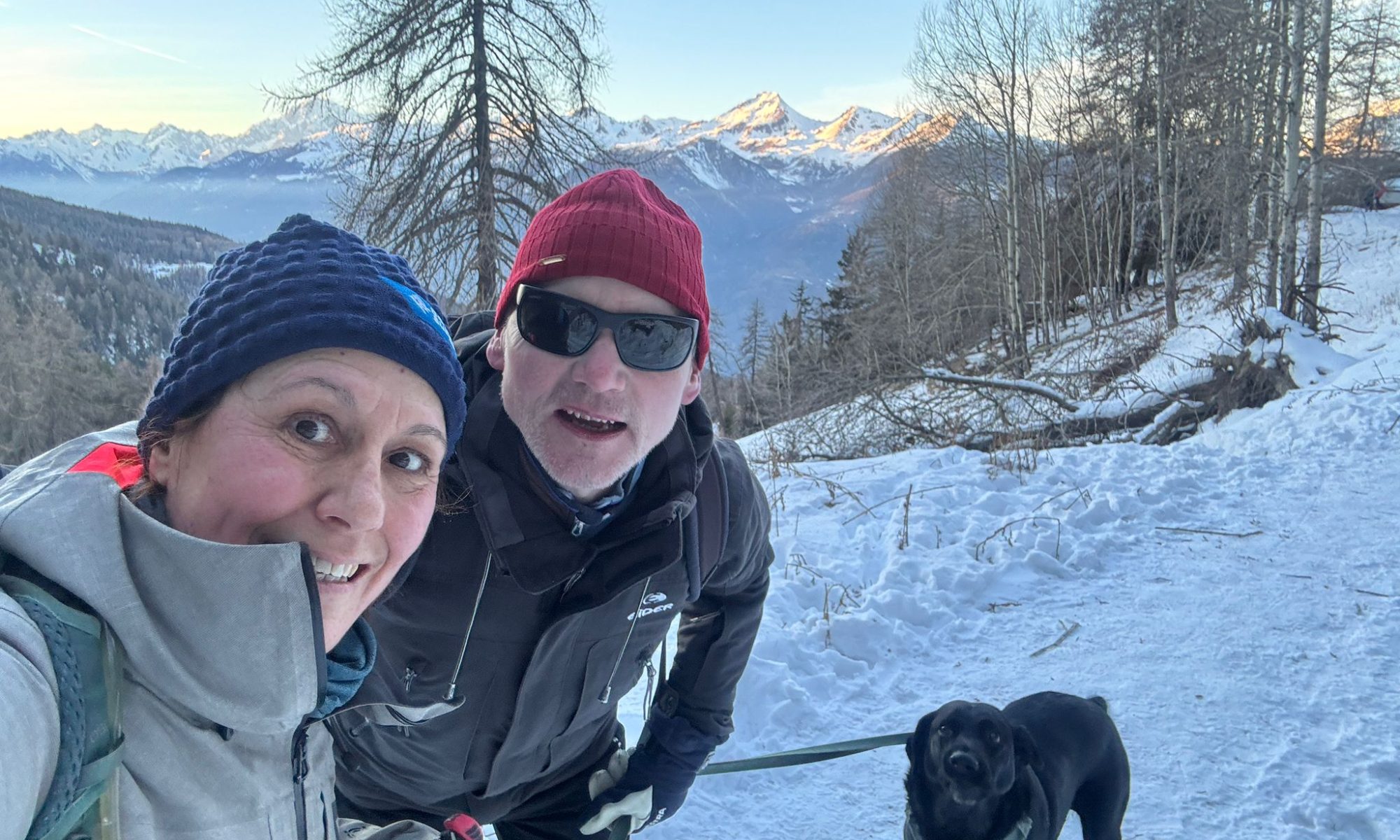
Winter mountains offer some of the most rewarding experiences in the Alps — from skiing and ski touring to snowshoeing and cross-country skiing.
They are also complex, constantly changing environments, where risks are not always obvious and are not limited to one activity.
This guide provides a clear, practical overview of winter mountain safety, helping skiers, snowshoers and Nordic users better understand terrain, conditions and context.
It is written for awareness — not blame — and is designed to be read alongside official safety advice and avalanche bulletins.
1. Winter mountain risk goes beyond marked pistes
A common misconception is that avalanche danger only concerns off-piste or backcountry skiers. In reality:
- Avalanches can cross groomed ski pistes
- Snowshoe routes may pass beneath steep, uncontrolled slopes
- Cross-country ski tracks can lie within avalanche run-out zones
- Valley floors, access roads and ice-climbing approaches may all be exposed
Several recent accidents in the Alps have involved snowshoers and Nordic skiers, highlighting that the terrain above you matters as much as the activity you choose.
2. Understanding terrain: what lies above you matters
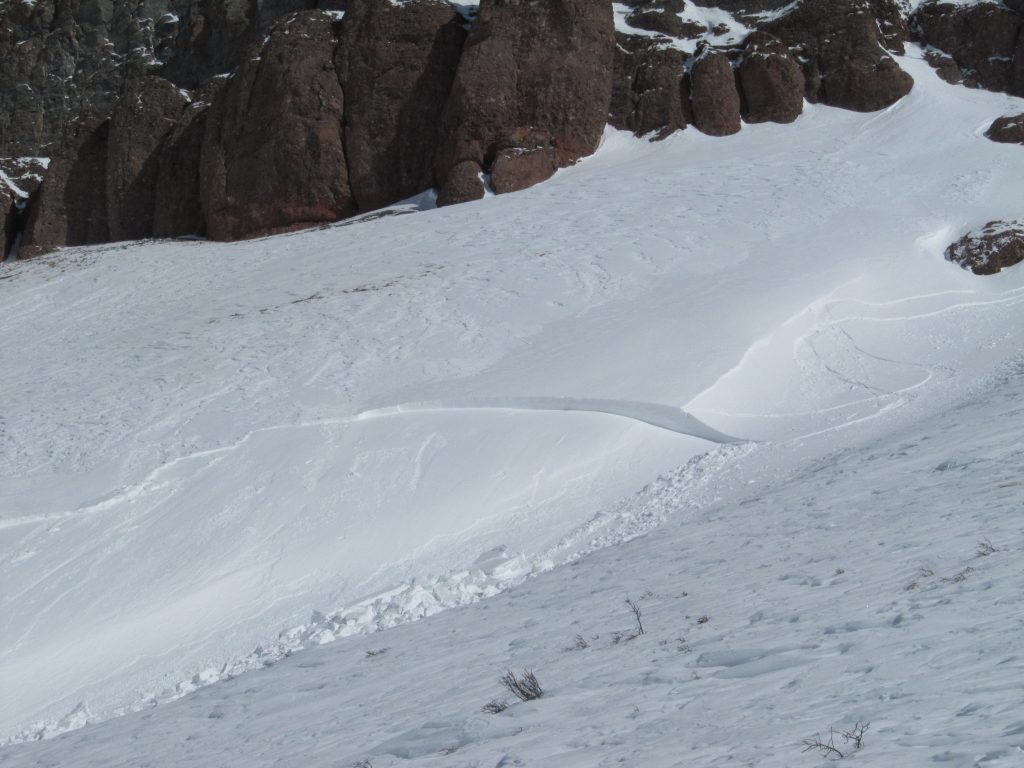
One of the most overlooked elements of winter safety is overhead terrain.
You may be travelling:
- On a marked snowshoe trail
- Along a cross-country ski track
- Near frozen waterfalls or valley bottoms
Yet still be exposed to:
- Slopes steeper than 30°
- Wind-loaded bowls and gullies
- Known avalanche paths
Avalanches do not need to start where you are standing.

3. Avalanche danger applies beyond ski touring
Avalanche bulletins are sometimes seen as technical tools only for experienced ski tourers. In fact, they apply to anyone travelling in snow-covered mountain terrain.
Important points to remember:
- Natural avalanches can occur without human triggering
- Wind, rapid warming and recent snowfall are key destabilising factors
- Risk can remain high even in calm, sunny weather
- Trails may be left ungroomed or closed specifically due to avalanche danger
If a trail is not prepared because of avalanche risk, this reflects objective conditions, not maintenance priorities.
👉 For a clear explanation of how avalanches form and why danger levels matter, see:
Avalanche Awareness: How and Why Avalanches Occur (internal link to your core avalanche guide)
4. Backcountry skiing: obvious exposure, hidden traps
Backcountry skiing and ski touring are the activities most clearly associated with avalanche risk — and for good reason. Skiers often move on or near steep slopes, transition frequently, and may deliberately seek untracked snow.
However, even experienced skiers can be caught out by:
- Rapid changes in snowpack stability
- Wind-loaded slopes that appear safe
- Familiar routes behaving differently after storms or warming
- Decision-making pressure during good conditions
Many avalanche accidents occur during ascents, transitions, or on terrain skied safely many times before.
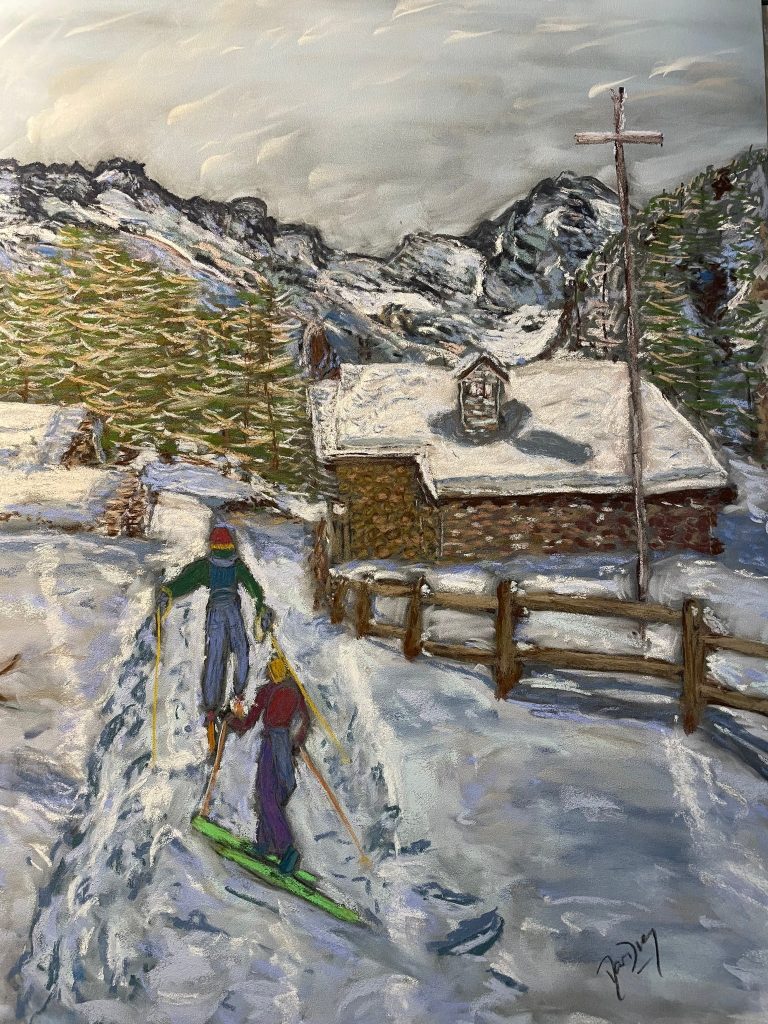
It is also important to remember that avalanches triggered or released in the backcountry can affect areas below, including snowshoe routes, Nordic tracks and valley approaches.
5. Snowshoeing: deceptively exposed terrain
Snowshoeing is often perceived as a low-risk winter activity, yet many routes:
- Cross avalanche run-out zones
- Pass below icefall walls
- Follow summer hiking paths unsafe in winter
Snowshoers typically:
- Move slowly
- Have limited escape options
- Carry minimal safety equipment
This makes route choice and conditions especially important, even on marked trails.
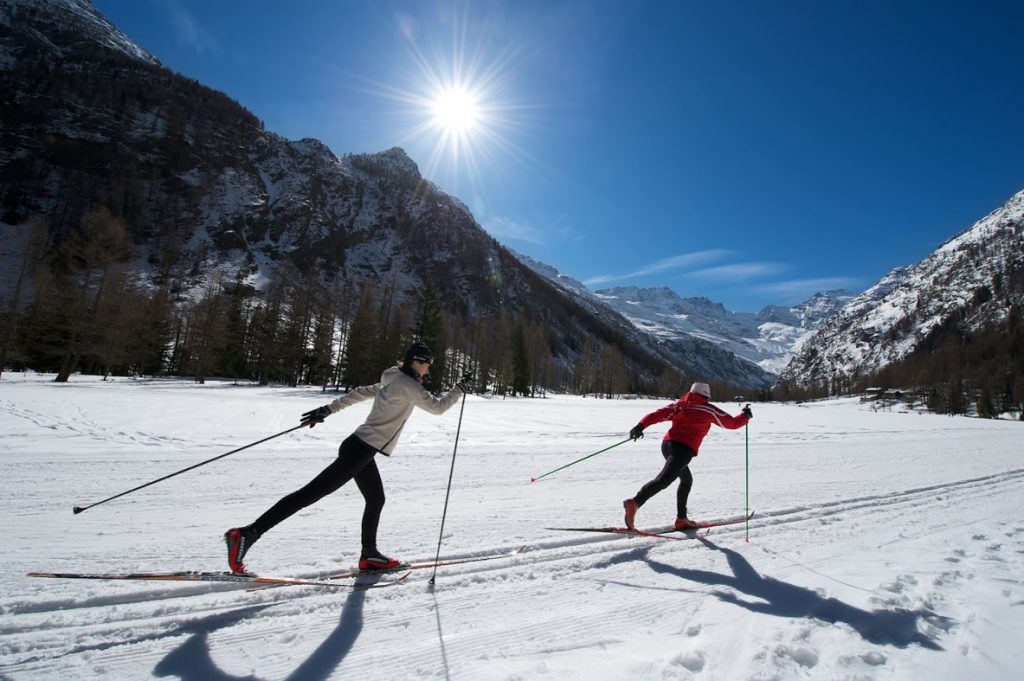
6. Cross-country skiing and Nordic areas
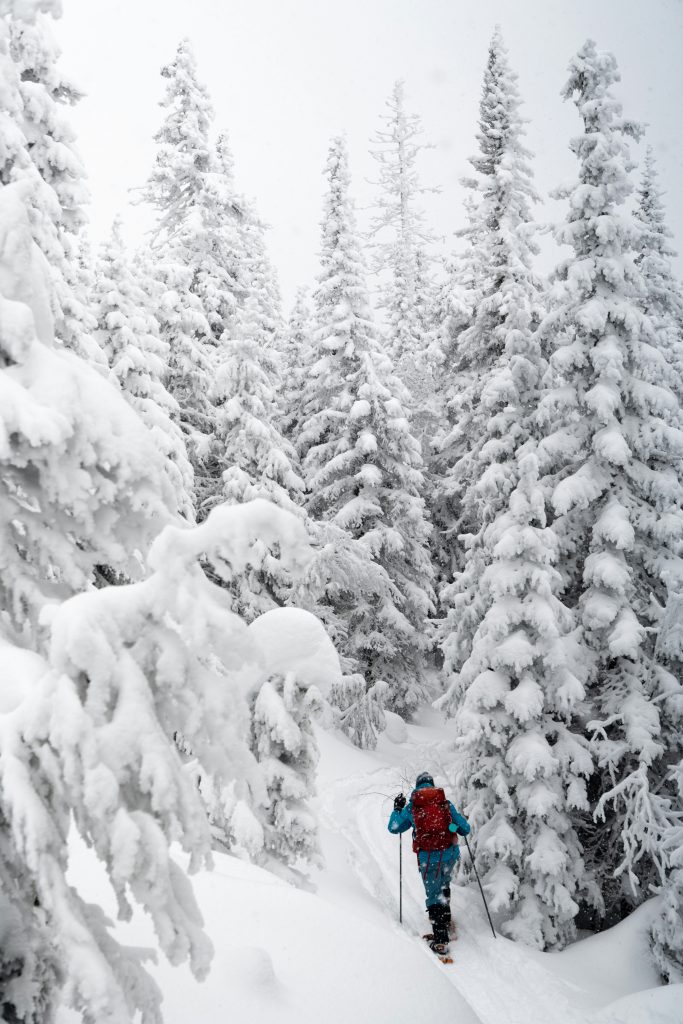
Nordic ski areas are generally designed with safety in mind, but they are not immune to mountain hazards.
In some alpine valleys:
- Tracks run through avalanche corridors
- Grooming may be suspended during high-risk periods
- Warning signs may replace full closures
An ungroomed or closed Nordic trail due to avalanche danger should never be treated as a minor inconvenience — it reflects real risk.
7. Weather, wind and rapid changes
Weather is one of the strongest drivers of avalanche danger.
Key risk multipliers include:
- Strong wind (forming wind slabs)
- Rapid temperature rises
- Heavy snowfall after dry periods
- Foehn winds, particularly in Alpine regions
These factors can destabilise the snowpack within hours.
👉 To understand how wind and foehn affect avalanche risk, read:
Wind, Foehn and Avalanche Danger in the Alps (internal link to your wind/foehn article)
8. Information is your most important safety tool
Before heading into winter mountain terrain, always consider:
- Official avalanche bulletins for your region
- Local resort or municipality notices
- Trail grooming and closure updates
- Recent avalanche or incident reports

Look beyond the headline danger level and note:
- Affected slope aspects
- Altitude bands of concern
- Mentions of natural avalanches
9. A note on responsibility and respect
Winter mountain safety is not about fear — it is about respect.
Respect for:
- The terrain
- The conditions
- Rescue services
- Other mountain users
Choosing conservative terrain or postponing plans during high-risk periods is not weakness.
It is informed decision-making.
10. When in doubt
If conditions are unclear:
- Choose lower-angle, sheltered terrain
- Stay within controlled ski areas
- Adjust objectives or turn back
The mountains will still be there.
Avalanche Safety Reminder
Avalanches are a natural phenomenon and can occur with or without human triggering, sometimes crossing pistes, trails and access routes.
Before heading into winter mountain terrain:
- Consult the official avalanche bulletin for your region
- Take note of altitude, slope aspect and recent weather
- Be aware of terrain above and around your route, not only where you are travelling
- Respect trail closures and ungroomed areas during high-risk periods
Avalanche risk is not limited to off-piste skiing.
Snowshoe routes, Nordic ski tracks and valley approaches can also be exposed.
This reminder is intended for general awareness only and does not replace professional training or official safety guidance.
Avalanche Safety – Read Before Skiing Off-Piste
- Avalanche Awareness: What Every Skier Needs to Know
- Avalanche Danger Levels Explained: What “Level 3 – Considerable” Really Means
- Off-Piste & Backcountry Risk
- Avalanche Safety Equipment Explained: What Every Skier Should Carry Off-Piste
- Why Skiing Alone Is Dangerous in the Mountains
- Crevasses & Glaciers: The Hidden Winter Danger
- Wind as an Avalanche Trigger
- Föhn Wind and Avalanche Danger
 Planning your next trip to the Italian Alps?
 Planning your next trip to the Italian Alps?
If you’re heading to the Aosta Valley, take a look at Il Cuore della Valdigne, our family-owned apartment in Morgex, available for rent when we’re not using it ourselves.
It’s an ideal base to:
- Ski in Courmayeur, La Thuile and Pila
- Enjoy the mountains in summer (hiking, biking, nature)
- Explore the Mont Blanc valley in a quieter, more authentic setting.
 Ski in Courmayeur,
 Enjoy the mountains in summer (hiking, biking, nature)
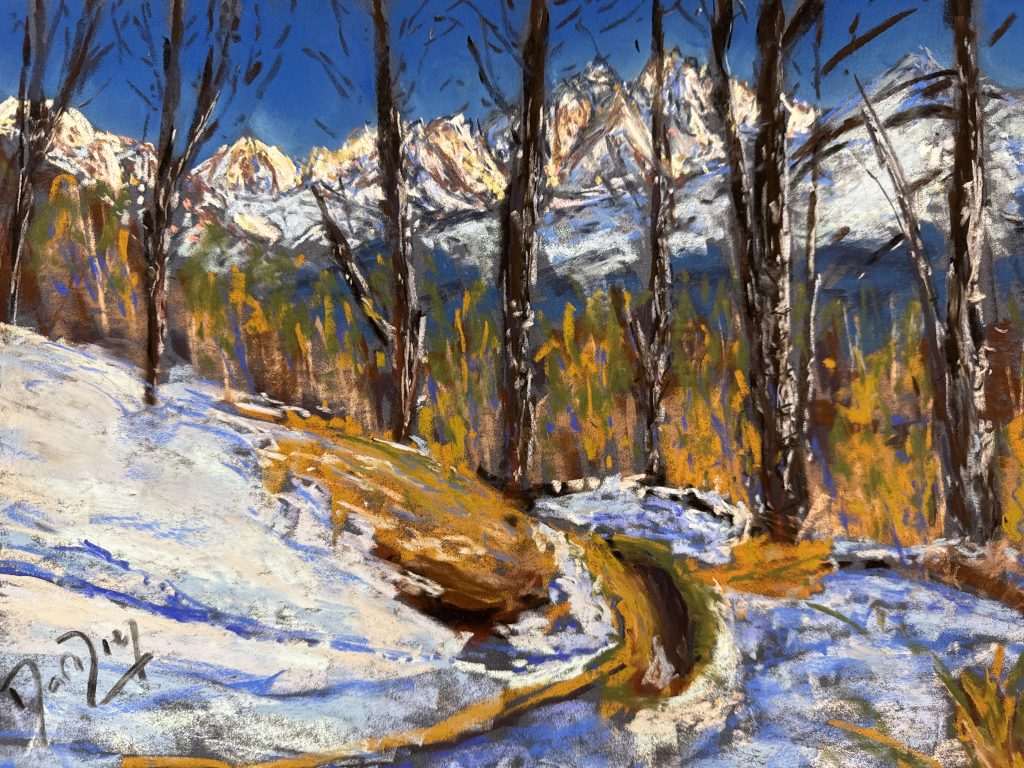
Check my Mountain Art on my Shop
You can go to my shop and see what have been inspiring me lately, lots mountain landscapes in soft pastels, and now in oils too. Go here to check my latest works!
Featured Image: Winter walking and snowshoeing in Pila. Photo: The-Ski-Guru. Winter Mountain Safety Guide: Skiing, Snowshoeing & Nordic Terrain.


Discover more from The-Ski-Guru
Subscribe to get the latest posts sent to your email.
 Subscribe to The-Ski-Guru here.
You must be logged in to post a comment.