


Off-Piste & Backcountry Risks: Avalanche Safety Guide
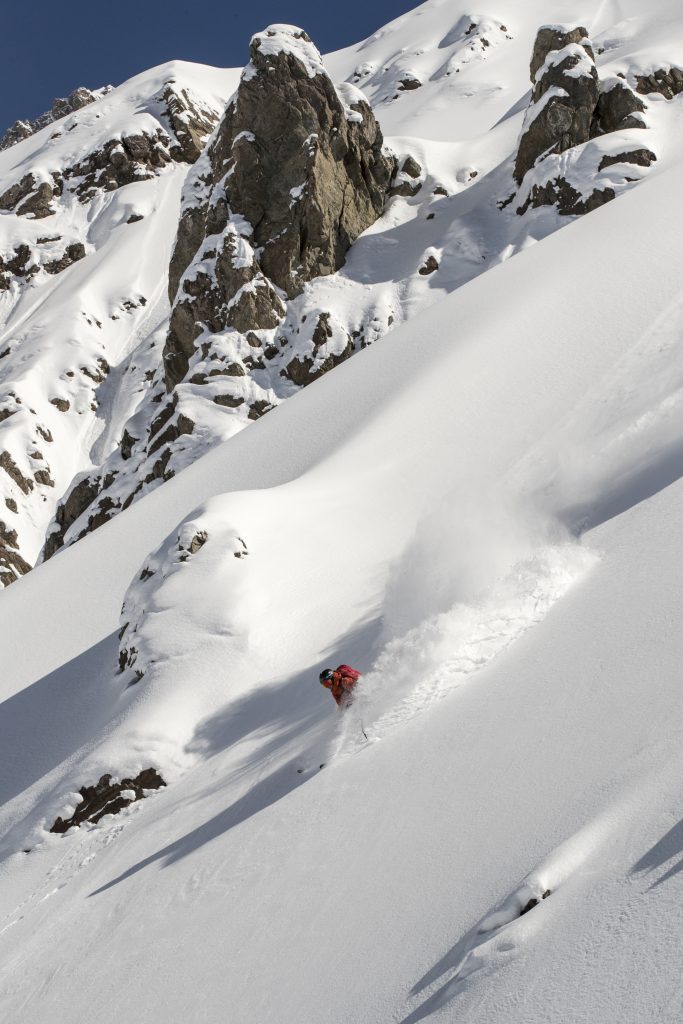
Off-piste skiing and backcountry travel offer freedom, fresh snow and adventure — but they also expose skiers to the highest avalanche risk in the mountains.
Many avalanche accidents do not happen deep in remote terrain. They happen just outside marked pistes, in areas skiers believe are controlled, familiar or “not really off-piste”.
Understanding why these situations are dangerous is essential for anyone leaving groomed slopes.
What Does “Off-Piste” Really Mean?
Off-piste skiing refers to any terrain outside marked and controlled ski runs. This includes:
- Slopes beside pistes
- Short traverses between runs
- Bowls accessed from lifts
- Areas beyond boundary ropes
In most resorts, avalanche control is limited to marked pistes only. Once you leave them, you are responsible for your own safety — regardless of how close you remain to the ski area.

Sidecountry: The Most Dangerous Grey Area
One of the most common — and deadly — misunderstandings in skiing is the concept of “sidecountry”.
Sidecountry terrain:
- Is accessed directly from lifts
- Looks tracked and inviting
- Often lacks warning signs
- Feels safer than remote touring terrain
Yet statistically, sidecountry accounts for a large number of avalanche accidents, because:
- Skiers underestimate risk
- Equipment and spacing are poor
- People follow existing tracks
Tracks do not mean safety.
Why Off-Piste Terrain Is So Unforgiving
1. No Avalanche Control
Explosives, ski cutting and patrol mitigation do not apply once you leave the piste.
2. Steeper Slopes
Most avalanche-prone slopes are between 30° and 45° — exactly the angles skiers seek for good snow.
3. Terrain Traps
Even small avalanches can be fatal when combined with:
- Gullies
- Trees
- Cliffs
- Creek beds
Depth of burial matters more than avalanche size.
Human Factors: How Good Skiers Get Caught
Avalanches are rarely caused by ignorance alone. More often, they involve decision-making traps, such as:
- “It’s just one turn”
- “Others skied it already”
- “We’ll spread out”
- “The danger level is only moderate”
Fatigue, excitement, group pressure and familiarity all reduce caution — especially after several good runs.
👉 Related reading:
Avalanche Danger Levels Explained: What “Level 3 – Considerable” Really Means
The Illusion of Control
Off-piste skiing often feels controlled:
- Modern skis are stable
- Snow may feel supportive
- Visibility may be excellent
But avalanches are not triggered by how snow feels under skis — they are triggered by weak layers and stress distribution, often invisible from the surface.
Equipment Helps — But Does Not Make Terrain Safe
Many skiers venture off-piste with:
- Transceiver
- Probe
- Shovel
This equipment is essential — but it does not prevent avalanches and does not replace terrain choice.
In many fatal accidents:
- Victims were fully equipped
- Companions were nearby
- Rescue was attempted too late
👉 Read more:
Avalanche Safety Equipment Explained: What Every Skier Should Carry Off-Piste
Skiing Alone: A Critical Risk Multiplier
Off-piste skiing alone dramatically increases the chance of fatal outcome:
- No one to witness the slide
- No immediate rescue
- No transceiver search
Even small avalanches can be fatal without rapid companion rescue.
👉 Essential reading:
Why Skiing Alone Is Dangerous in the Mountains

Weather & Wind: The Invisible Threat
Wind can create dangerous slabs without new snowfall, rapidly changing conditions across aspects and elevations.
Certain wind patterns, such as warm downslope winds, can dramatically increase instability.
👉 Further reading:
Key Takeaways Before You Ski Off-Piste
Before leaving the piste, ask:
- Have I read today’s avalanche bulletin?
- Do I know where the danger is?
- Am I avoiding terrain traps?
- Do I have a partner — and a plan?
- Is turning back an acceptable outcome?
Off-piste skiing rewards patience, humility and restraint far more than boldness.

Continue Learning
To build a complete understanding of avalanche safety, read:
- Avalanche Awareness: What Every Skier Needs to Know
- Avalanche Danger Levels Explained: What “Level 3 – Considerable” Really Means
- Avalanche Safety Equipment Explained: What Every Skier Should Carry Off-Piste
- Why Skiing Alone Is Dangerous in the Mountains
- Crevasses & Glaciers: The Hidden Winter Danger
Final note
Off-piste skiing is not inherently reckless — but it demands knowledge, preparation and constant reassessment. The mountains do not reward assumptions.
 Planning your next trip to the Italian Alps?
 Planning your next trip to the Italian Alps?
If you’re heading to the Aosta Valley, take a look at Il Cuore della Valdigne, our family-owned apartment in Morgex, available for rent when we’re not using it ourselves.
It’s an ideal base to:
- Ski in Courmayeur, La Thuile and Pila
- Enjoy the mountains in summer (hiking, biking, nature)
- Explore the Mont Blanc valley in a quieter, more authentic setting.
 Ski in Courmayeur,
 Enjoy the mountains in summer (hiking, biking, nature)
Check my Mountain Art on my Shop
You can go to my shop and see what have been inspiring me lately, lots mountain landscapes in soft pastels, and now in oils too. Go here to check my latest works!
Featured Image: Backcountry skiing with Todd Offenbacher and Chris Mcnamara. Photo credit: Kirkwood/Vail Resorts.


Discover more from The-Ski-Guru
Subscribe to get the latest posts sent to your email.
 Subscribe to The-Ski-Guru here.
You must be logged in to post a comment.