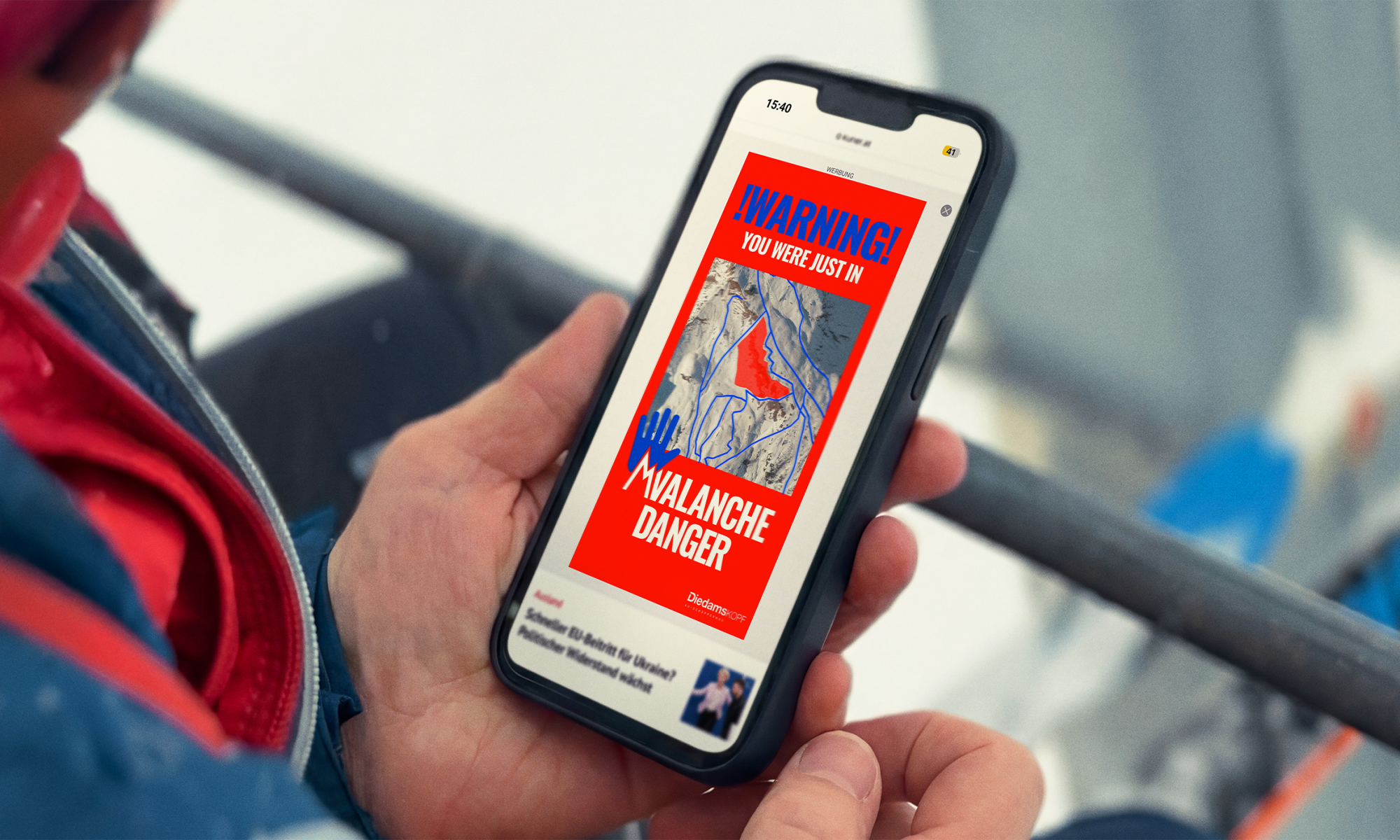
A ski resort in Austria has begun testing an unusual avalanche warning system that delivers safety alerts directly to smartphones using the infrastructure normally reserved for digital advertising.
The initiative, called Avalanche Alerts, is currently being piloted at the Diedamskopf ski area in Vorarlberg, Austria, where digital advertising networks are being repurposed to deliver avalanche warnings to skiers inside mapped risk zones.
The experiment comes during a winter in which several Alpine regions have experienced repeated avalanche instability events, including the February 2026 avalanche cycle across the Alps.
The idea is to reach skiers at the moment they check their phones — often while riding lifts or resting between runs — but the system’s effectiveness ultimately depends on connectivity and user behaviour.
The software behind the project has also been released as open-source, meaning other ski resorts or mountain regions could theoretically adopt the system without licensing costs.
New safety data shows ski catastrophic injuries increased in the United States during the 2024–2025 winter season, prompting renewed discussion about skier behaviour, safety equipment, and the structural pressures facing modern ski areas.
But when these figures are compared with European injury statistics from France, Switzerland, Austria, and Italy, a more complex picture emerges.
Across the Alps, researchers and mountain medical organisations consistently highlight the same factors behind serious ski accidents: speed, collisions, terrain choices, crowding, and human behaviour — far more than helmet usage alone.
Key Ski Safety Statistics
Recent data from North America and Europe provides a clearer picture of the real risks on the slopes.
An avalanche reached a marked blue ski run in the Saulire sector of Méribel on Saturday 21 February, briefly burying two skiers before they were rescued safely.
The slide was triggered by a group of four skiers travelling off-piste above the piste known as “Biche.” The avalanche descended onto the groomed run below, prompting a rapid response from ski patrol teams.
According to regional newspaper Le Dauphiné Libéré, the two buried skiers were quickly located and freed. Both were evacuated as a precaution but did not suffer life-threatening injuries.
This event is part of a wider pattern of extreme weather in the Alps, where increasingly unstable conditions are affecting snowpack and safety.
What Happened in the Saulire Sector?
The avalanche released from terrain above the blue “Biche” piste, beneath the Saulire summit — a high-altitude sector linking Méribel and Courchevel within the Trois Vallées ski area.
Four skiers were reportedly travelling outside marked runs when a slab released. Two members of the group were caught and buried.
An avalanche struck two marked ski runs in the La Flégère sector of the Chamonix-Mont-Blanc ski area on Tuesday, briefly burying three skiers before they were rescued safely.
The slide crossed sections of the red Crochues piste and the black Floria run around midday. According to regional newspaper Le Dauphiné Libéré, the avalanche debris spread across approximately 100 metres of terrain within the ski domain.
What Happened at La Flégère?
The avalanche released above the pistes in the Floria sector of La Flégère, one of the main lift-accessed areas in Chamonix.
Three skiers were partially buried — reportedly up to chest height — but were quickly located and freed by piste patrol and rescue teams. None are believed to have suffered life-threatening injuries.
Given the scale of the slide, a full rescue operation was launched as a precaution.
🏔 Official Statement from Compagnie du Mont Blanc
Following the avalanche that struck two pistes at La Flégère, Mont Blanc Natural Resort — operated by Compagnie du Mont Blanc — issued a detailed statement via social media describing the event as:
A third skier has died following the avalanche in Val Veny, bringing the confirmed death toll to three.
Authorities have now identified the victims as:
Hugo Neuville, 31, of Chamonix
Quentin Philippe, 29, of Chamonix
Alexis Rassat, 35, of Chamonix
Rassat died on Monday at San Giovanni Bosco hospital in Turin after being critically injured. The three were described in local reporting as experienced freeriders familiar with the terrain.
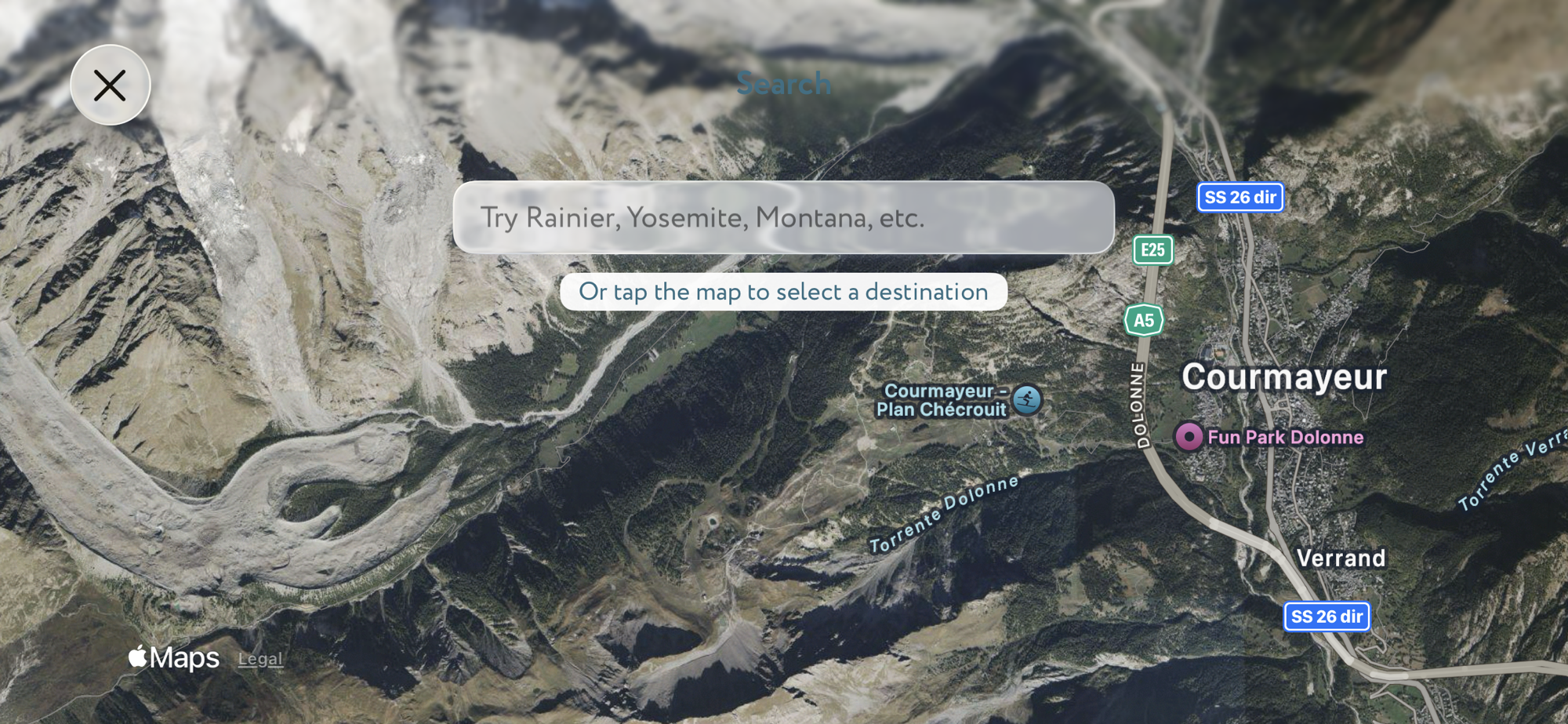
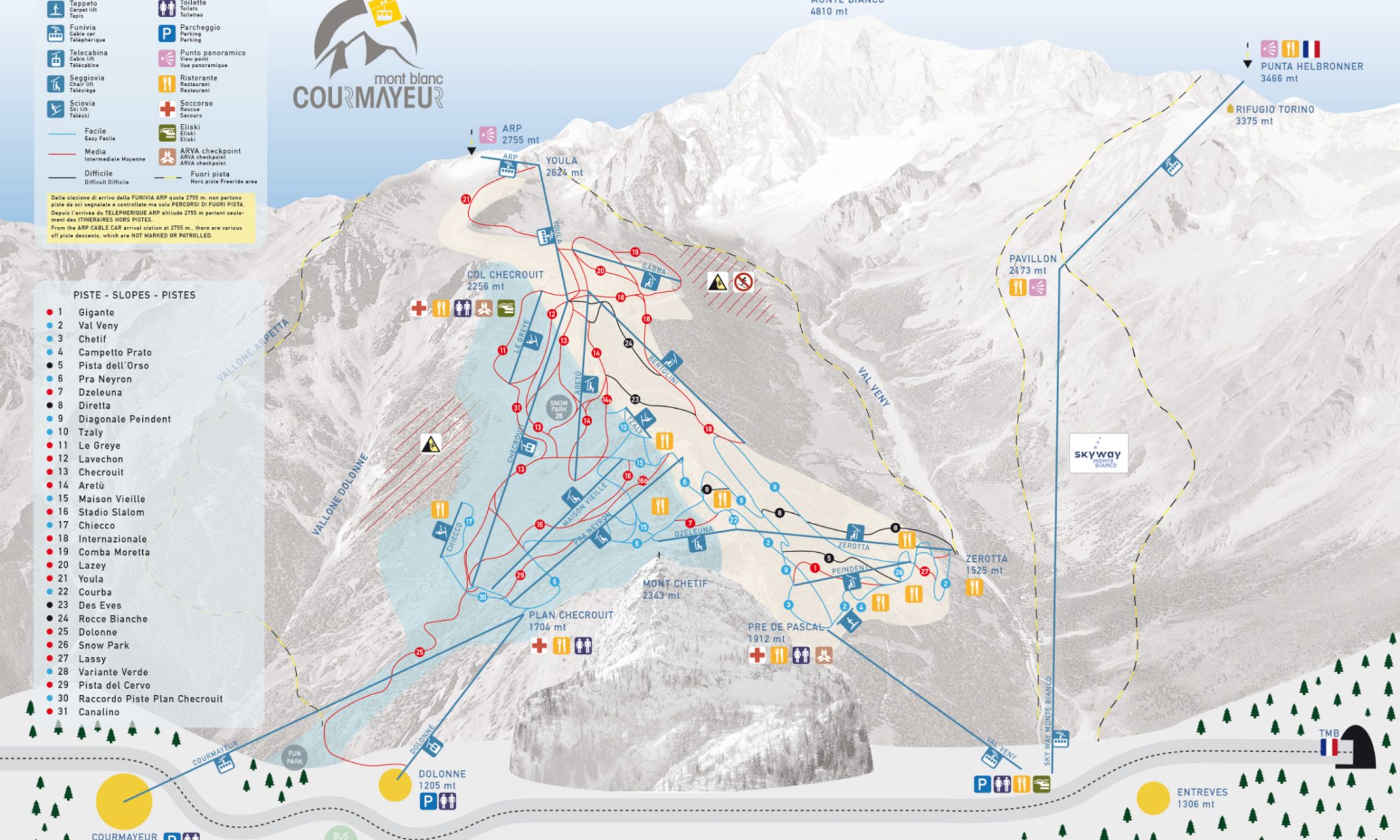
An avalanche occurred on the morning of Sunday, February 15, 2026, above Courmayeur, in the upper reaches of Val Veny, on the southern side of the Mont Blanc.
According to initial reporting by Corriere della Sera (Torino edition), several off-piste skiers were caught in a slide in the steep terrain known as the Canale del Ves, a well-known freeride couloir outside marked pistes.
At the time of publication, no fatalities or confirmed injury details have been officially released for this February 15 event. Rescue operations were still ongoing as regional authorities assessed the situation.
⸻
Rescue Response
The Soccorso Alpino Valdostano responded to the scene alongside emergency services.
The Canale del Ves lies outside controlled ski-area boundaries and requires full avalanche awareness and equipment. Helicopter access and avalanche safety protocols are standard in such terrain, though weather and snowpack conditions can complicate rescue efforts.
Further official updates are expected from regional authorities.
⸻
Terrain & Avalanche Context
Val Veny is a lateral valley southwest of Courmayeur, beneath the southern slopes of the Mont Blanc massif. The Canale del Ves is a steep alpine couloir that descends toward the valley floor and is popular with experienced freeriders.
This terrain is:
• Steep and exposed
• Frequently wind-loaded after storms
• Outside patrolled ski area limits
• Subject to avalanche hazard during unstable snowpack periods
Recent avalanche bulletins for the Aosta Valley indicated elevated avalanche danger around mid-February following heavy snowfall and wind transport at higher elevations.
Skiers venturing off-piste are responsible for assessing avalanche conditions, carrying rescue equipment (transceiver, probe, shovel), and making independent terrain decisions.
⸻
Confirmed Facts So Far
✔ Avalanche occurred on February 15, 2026
✔ Location: Val Veny above Courmayeur
✔ Off-piste terrain (Canale del Ves)
✔ Rescue operations launched
Not yet confirmed:
❌ Number of skiers involved
❌ Injury severity
❌ Fatalities
This article will be updated as soon as official information becomes available.
⸻
SEO FAQ
Where did the Courmayeur avalanche happen?
The avalanche occurred in Val Veny above Courmayeur, specifically in a steep off-piste couloir known as the Canale del Ves.
Were there fatalities in the February 15, 2026 Courmayeur avalanche?
As of the latest official reports, no fatalities or confirmed injury details have been released. Rescue operations were ongoing at the time of publication.
Is Canale del Ves inside the ski area?
No. The Canale del Ves is outside marked and controlled ski runs. It is considered off-piste terrain and carries inherent avalanche risk.
What was the avalanche danger level in the area?
Regional avalanche bulletins indicated elevated danger in the Aosta Valley around mid-February following recent snowfall and wind loading at higher elevations.
This article has been updated to reflect the confirmed death of a third skier.
If you’re heading to the Aosta Valley, take a look at Il Cuore della Valdigne, our family-owned apartment in Morgex, available for rent when we’re not using it ourselves.
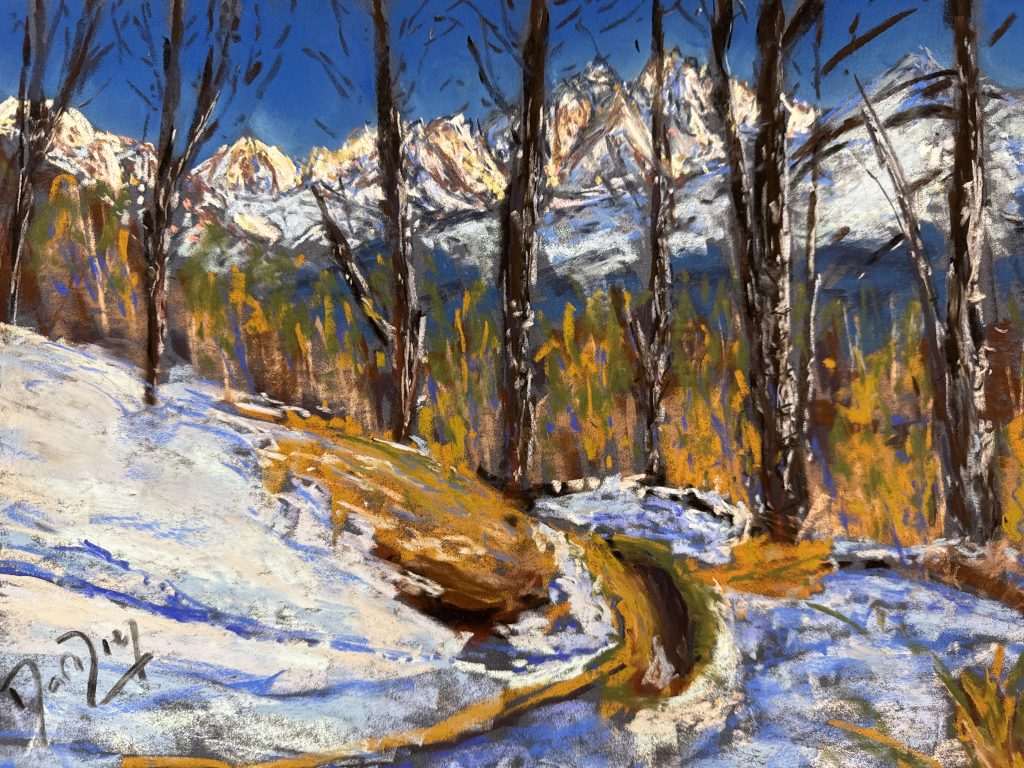
You can go to my shop and see what have been inspiring me lately, lots mountain landscapes in soft pastels, and now in oils too. Go here to check my latest works!
The View from the path from Challancin to Morge 1. Soft pastels on pastel paper (30 cm x 40 cm) Check my mountain art in my shop here.
Half-term ski holidays are exciting, busy, and often cold. Resorts are lively, temperatures can vary significantly, and when skiing with children, being well prepared makes all the difference.
This practical guide focuses on layers, warmth, safety and comfort, with tips for both adults and children — especially younger kids, who feel the cold more quickly.
The Golden Rule: Dress in Layers
Layering allows you to adapt easily to changing weather, activity levels and temperatures.
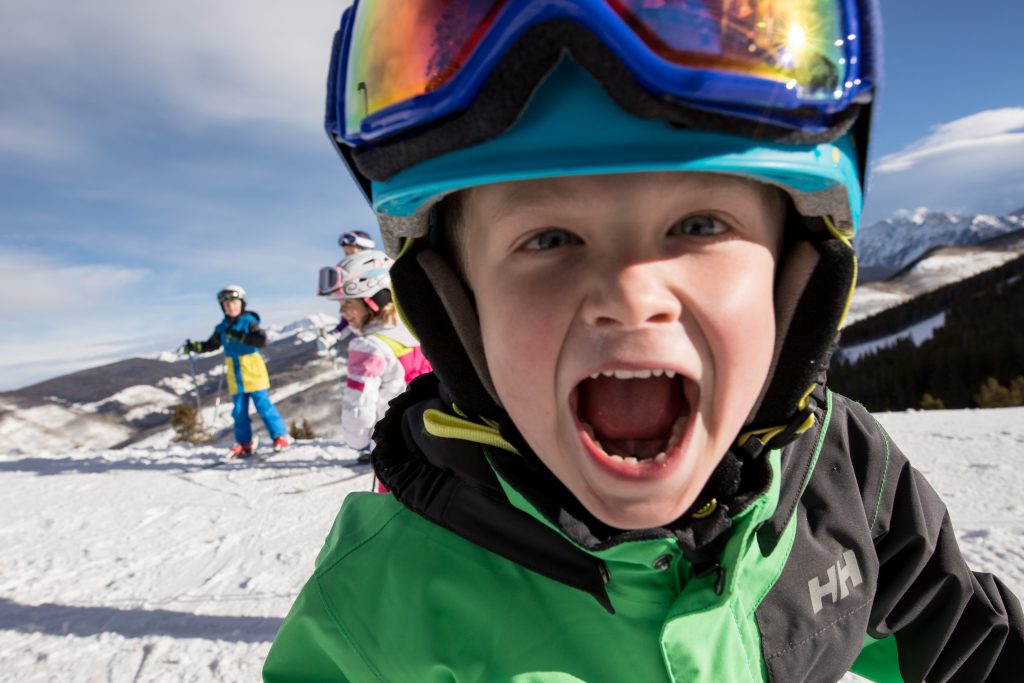
Family enjoys a day skiing on the mountain in Vail, CO. Photo Credit: Craig Orsini. Vail Resorts.
Base Layer (Next to Skin)
Thermal top and leggings
Merino wool or synthetic fabrics (avoid cotton)
For children: pack multiple base layers, as they get wet easily
Off-piste skiing and backcountry travel offer freedom, fresh snow and adventure — but they also expose skiers to the highest avalanche risk in the mountains.
Many avalanche accidents do not happen deep in remote terrain. They happen just outside marked pistes, in areas skiers believe are controlled, familiar or “not really off-piste”.
Understanding why these situations are dangerous is essential for anyone leaving groomed slopes.
What Does “Off-Piste” Really Mean?
Off-piste skiing refers to any terrain outside marked and controlled ski runs. This includes:
Slopes beside pistes
Short traverses between runs
Bowls accessed from lifts
Areas beyond boundary ropes
In most resorts, avalanche control is limited to marked pistes only. Once you leave them, you are responsible for your own safety — regardless of how close you remain to the ski area.
Dan Egan skiing in Big Sky, Montana. Photo courtesy: Dan Egan. Dan offers ski clinics to teach you how to take care of yourself in the backcountry. Check them at skiclinics.com. Off-Piste & Backcountry Risks: Avalanche Safety – Read Before Skiing Off-Piste.
21-Year-Old Skier Dies After Leaving the Piste in Courmayeur
A tragic ski accident has claimed the life of a 21-year-old skier in Courmayeur, in Italy’s Aosta Valley, after he left a marked piste and collided with a tree.
According to reporting by Corriere Torino, the young skier was descending a return run in the Dolonne area of the Courmayeur ski domain when he lost control, exited the piste and struck a tree at high speed. The impact was fatal, and the skier died at the scene.
Emergency services, including piste patrol, local police and the Aosta Valley Mountain Rescue Service, were immediately dispatched. Despite rapid intervention, there was nothing rescuers could do to save him. Authorities carried out the necessary procedures to recover the body and investigate the circumstances of the accident.
Avalanche Awareness: What Every Skier Needs to Know
Avalanches are one of the most serious and misunderstood dangers in the mountains. Every winter, experienced skiers, snowboarders and mountaineers are caught — often in familiar terrain, sometimes close to marked pistes, and frequently during days that do not feel dangerous.
Avalanche awareness is not about fear. It is about understanding risk, recognising patterns, and making better decisions in winter mountain environments.
This guide explains the essentials every skier should know: how avalanches form, who is most at risk, why forecasts matter, and where accidents most often happen — with links to more in-depth resources throughout.
What Overcrowded Slopes, High-Speed Lifts & Artificial Snow Mean for Your Safety
Too Many Skiers on the Slopes? Crowding, Speed & Safety Explained
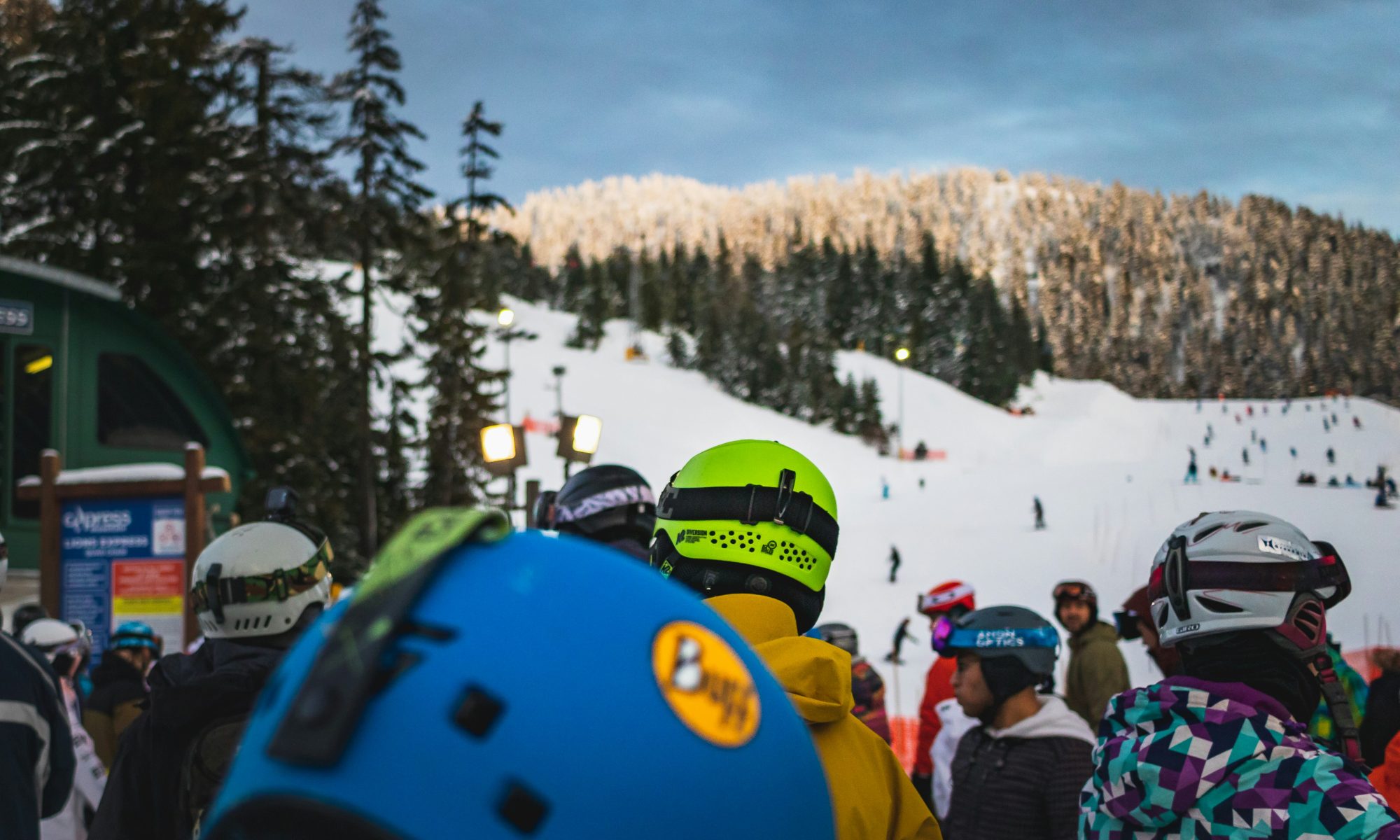
If you’ve skied during peak weeks in recent seasons, you’ve probably felt it: busier slopes, faster lifts, more people moving at very different speeds — all at once.
While skiing has always involved risk, many skiers are now asking a valid question:
Are modern ski resorts becoming less safe — not because of the mountains, but because of how many of us are on them at the same time?
Let’s break this down in a realistic, skier-to-skier way, without panic — just facts, context, and common sense.
Enjoyed this post? Get my latest ski guides, weather insights, resort updates and travel tips directly in your inbox. Subscribe to The-Ski-Guru here.
Manage Cookie Consent
To provide the best experiences, we use technologies like cookies to store and/or access device information. Consenting to these technologies will allow us to process data such as browsing behavior or unique IDs on this site. Not consenting or withdrawing consent, may adversely affect certain features and functions.
Functional
Always active
The technical storage or access is strictly necessary for the legitimate purpose of enabling the use of a specific service explicitly requested by the subscriber or user, or for the sole purpose of carrying out the transmission of a communication over an electronic communications network.
Preferences
The technical storage or access is necessary for the legitimate purpose of storing preferences that are not requested by the subscriber or user.
Statistics
The technical storage or access that is used exclusively for statistical purposes.The technical storage or access that is used exclusively for anonymous statistical purposes. Without a subpoena, voluntary compliance on the part of your Internet Service Provider, or additional records from a third party, information stored or retrieved for this purpose alone cannot usually be used to identify you.
Marketing
The technical storage or access is required to create user profiles to send advertising, or to track the user on a website or across several websites for similar marketing purposes.




 Planning your next trip to the Italian Alps?
 Ski in Courmayeur,
 Enjoy the mountains in summer (hiking, biking, nature)




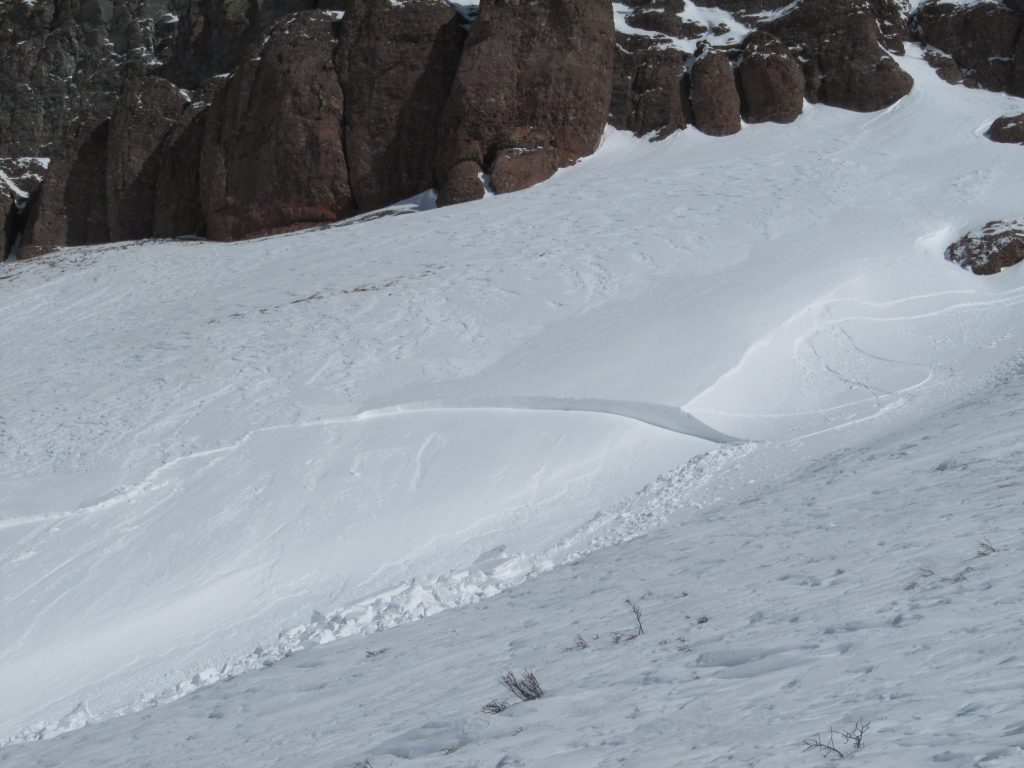 Windslab avalanche. Photo: Andrew Temple. Colorado Avalanche Information Center.
 Subscribe to The-Ski-Guru here.
You must be logged in to post a comment.