

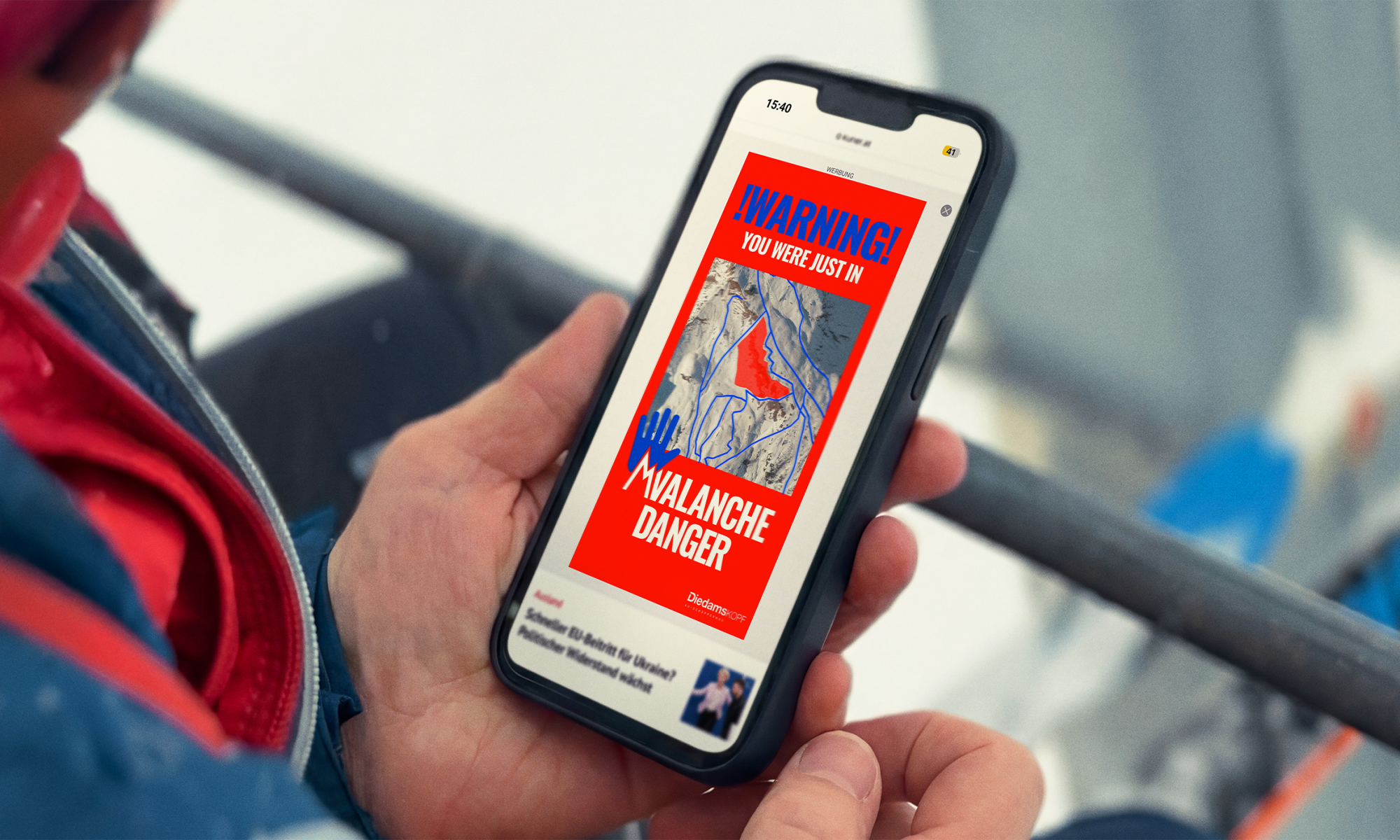
A ski resort in Austria has begun testing an unusual avalanche warning system that delivers safety alerts directly to smartphones using the infrastructure normally reserved for digital advertising.
The initiative, called Avalanche Alerts, is currently being piloted at the Diedamskopf ski area in Vorarlberg, Austria, where digital advertising networks are being repurposed to deliver avalanche warnings to skiers inside mapped risk zones.
The experiment comes during a winter in which several Alpine regions have experienced repeated avalanche instability events, including the February 2026 avalanche cycle across the Alps.
The idea is to reach skiers at the moment they check their phones — often while riding lifts or resting between runs — but the system’s effectiveness ultimately depends on connectivity and user behaviour.
The software behind the project has also been released as open-source, meaning other ski resorts or mountain regions could theoretically adopt the system without licensing costs.
Turning Advertising Technology Into Avalanche Warnings
The concept behind Avalanche Alerts is unconventional but technically straightforward.
Instead of relying solely on traditional warning methods such as avalanche bulletins, signage or ski patrol advice, the system uses programmatic advertising networks to deliver avalanche safety alerts directly to smartphones.
When a skier enters a digitally mapped danger zone within the ski area, the system can replace a digital advertisement with an avalanche warning message.
The alert appears when the user opens a website or mobile application connected to participating advertising networks.
This means the warning is delivered through the same infrastructure normally used for online advertising.
Where the Pilot Is Taking Place
The pilot is currently being tested at Diedamskopf, a ski resort located in the Bregenzerwald region of Vorarlberg, Austria.
The project was developed by the Vienna-based advertising agency Demner, Merlicek & Bergmann (DMB) together with digital targeting specialist ScreenOnDemand, in cooperation with the ski resort.
According to the project team, the system was tested for approximately two months before being rolled out across the ski area in February 2026.
How the System Works
The technology combines geofencing and digital advertising infrastructure.
First, the ski area is divided into geographic zones using terrain data from the regional mapping platform Atlas Vorarlberg.
These zones correspond to locations where avalanche risk may be elevated.
Each day, ski patrol and mountain safety teams assess conditions and can update which areas should trigger warnings.
When a smartphone enters one of these zones, the system can display an avalanche alert if the user loads a webpage or app connected to the advertising network.
When Skiers Are Most Likely to See the Alerts
The creators of the system believe alerts are most likely to reach skiers while they are checking their phones on chairlifts or during breaks between runs.
These moments may still allow skiers to reconsider entering avalanche-prone terrain.
However, the alerts are not push notifications.
They appear only when users are actively browsing websites or apps connected to the advertising network.
This means the system depends on both mobile connectivity and user activity.
Optional Push Notifications via QR Code
Alongside the advertising-based alerts, the project also includes an opt-in notification system.
Skiers purchasing lift passes can scan a QR code and subscribe to receive avalanche warnings directly on their smartphones.
These push notifications do not rely on advertising networks and can be delivered even when users are not actively browsing websites or apps.
However, the system depends on voluntary participation and therefore reaches only those skiers who choose to subscribe.
Early Observations from the Pilot
Initial observations from the pilot also revealed an interesting pattern in how avalanche alerts appeared during the week.
According to the project team, the ratio of alerts relative to the number of skiers tended to increase later in the week, after lower activity early in the week.
One possible explanation lies in the typical rhythm of ski tourism in Alpine resorts. Many visitors arrive for week-long stays beginning on Saturday or Sunday, particularly during the February high season.
In the first days of their stay, skiers may remain closer to marked slopes or familiar terrain. As the week progresses and visitors become more comfortable exploring the mountain, they may venture further into off-piste areas where avalanche risk can be higher — potentially increasing the number of alerts triggered by the system.
Weekly visitor turnover is a well-known pattern in many European ski destinations, particularly during peak winter periods.
Avalanche Risk and Danger Level 3
Avalanche alerts are particularly relevant when conditions reach Level 3 (Considerable) on the European Avalanche Danger Scale.
This level is statistically associated with many avalanche accidents because conditions can appear manageable while the snowpack remains unstable.
You can read more about what Level 3 avalanche danger means for skiers here:
👉 https://www.the-ski-guru.com/2026/01/19/avalanche-danger-level-3-explained/
Potential Advantages
Supporters of the project say it could complement existing avalanche safety systems.
Traditional warnings rely on avalanche forecasts — particularly when danger rises to Level 4 (High) — as well as physical signage, slope closures and skier awareness.
But accidents still occur when warnings are ignored or misunderstood.
Using digital infrastructure that already reaches large numbers of smartphones could provide an additional communication layer, particularly for visiting skiers unfamiliar with local conditions.
Important Limitations
Despite its innovative concept, the system has several limitations.
The alerts depend on:
- mobile network coverage
- smartphones being online
- users opening apps or websites connected to the advertising network
Skiers who are offline or not actively browsing may never receive the warning.
As a result, the system cannot replace existing avalanche warning methods.
Instead, it functions as a supplementary avalanche safety tool.
Could Systems Like This Spread Beyond Austria?
Because the software has been released as open-source, other mountain regions could theoretically adopt the system.
However, expanding such systems internationally would likely require partnerships with different digital advertising networks in each country.
Privacy regulations also vary widely.
In Europe, location-based targeting must comply with the General Data Protection Regulation (GDPR), while North America operates under different regulatory frameworks.
These differences may influence how easily similar systems can be deployed in other mountain regions.
A New Layer of Avalanche Safety Communication?
Avalanche bulletins remain the cornerstone of risk communication in the mountains.
However, projects like Avalanche Alerts show how existing digital infrastructure might offer new ways to reach skiers directly.
Whether systems like this can significantly improve avalanche safety will likely depend on real-world reach, mobile connectivity and cooperation with official avalanche forecasting services.
For now, the Austrian pilot offers an interesting glimpse into how technology might complement traditional mountain safety tools.
 Planning your next trip to the Italian Alps?
 Planning your next trip to the Italian Alps?
If you’re heading to the Aosta Valley, take a look at Il Cuore della Valdigne, our family-owned apartment in Morgex, available for rent when we’re not using it ourselves.
It’s an ideal base to:
- Ski in Courmayeur, La Thuile and Pila
- Enjoy the mountains in summer (hiking, biking, nature)
- Explore the Mont Blanc valley in a quieter, more authentic setting.
 Ski in Courmayeur,
 Enjoy the mountains in summer (hiking, biking, nature)
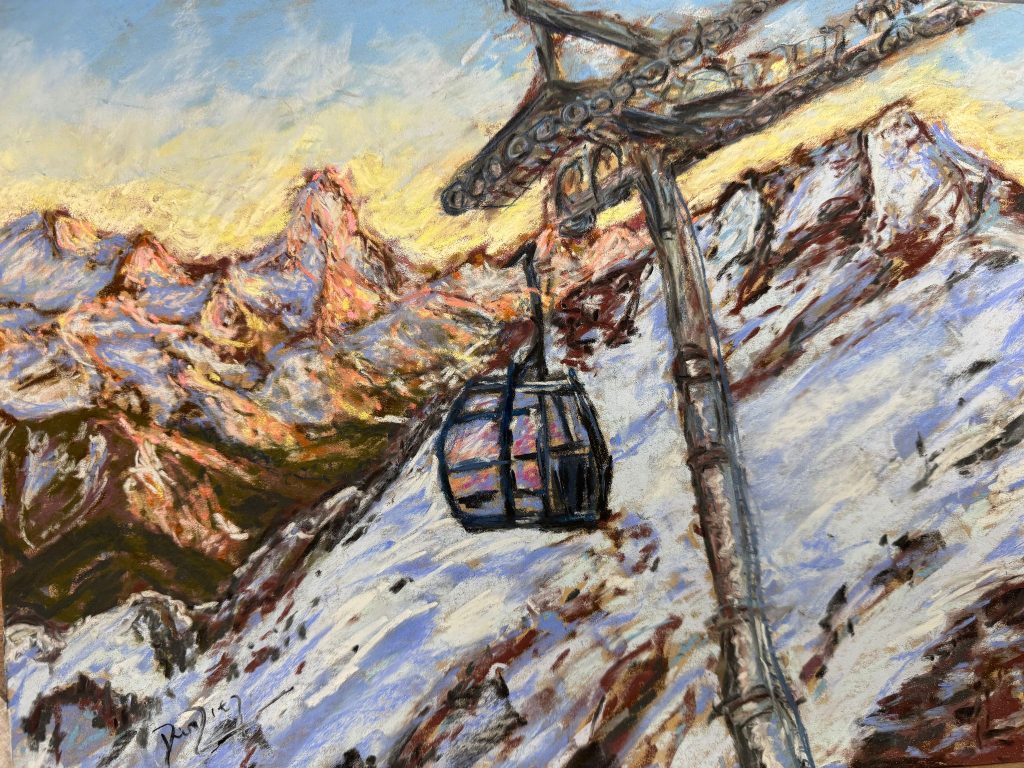
Check my Mountain Art on my Shop
You can go to my shop and see what have been inspiring me lately, lots mountain landscapes in soft pastels, and now in oils too. Go here to check my latest works!
Featured Image: Avalanche Alerts. Photo credit: DMB.


Discover more from The-Ski-Guru
Subscribe to get the latest posts sent to your email.
 Subscribe to The-Ski-Guru here.