Avalanche Warnings Through Online Ads? Austrian Ski Resort Tests Smartphone Alert System

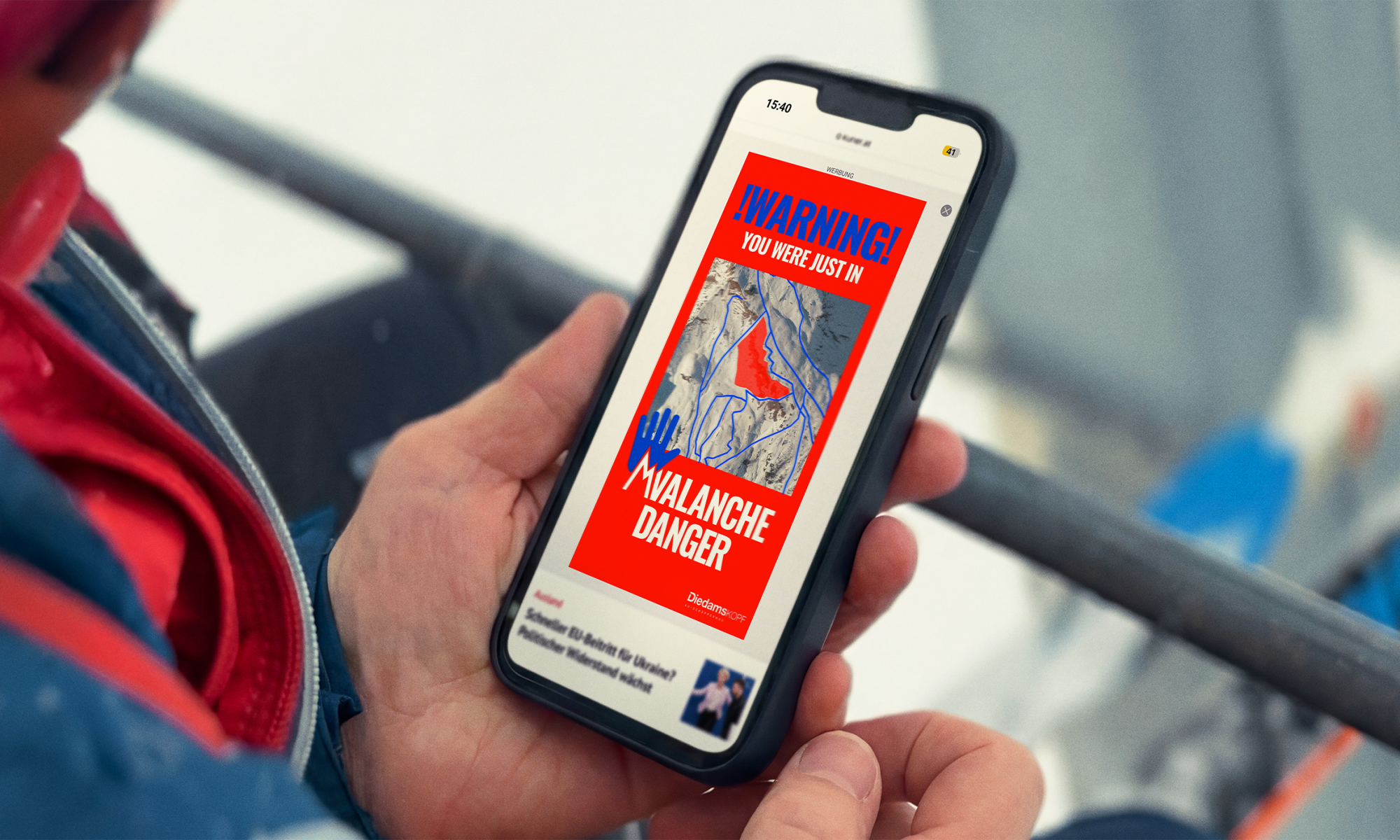
Avalanche Alerts. Photo credit: DMB.

A ski resort in Austria has begun testing an unusual avalanche warning system that delivers safety alerts directly to smartphones using the infrastructure normally reserved for digital advertising.

The initiative, called Avalanche Alerts, is currently being piloted at the Diedamskopf ski area in Vorarlberg, Austria, where digital advertising networks are being repurposed to deliver avalanche warnings to skiers inside mapped risk zones.

The experiment comes during a winter in which several Alpine regions have experienced repeated avalanche instability events, including the February 2026 avalanche cycle across the Alps.

The idea is to reach skiers at the moment they check their phones — often while riding lifts or resting between runs — but the system’s effectiveness ultimately depends on connectivity and user behaviour.

The software behind the project has also been released as open-source, meaning other ski resorts or mountain regions could theoretically adopt the system without licensing costs.

Continue reading “Avalanche Warnings Through Online Ads? Austrian Ski Resort Tests Smartphone Alert System”

Southern Alps Avalanches February 2026 (Western Alps Overview)

St. Foy-Tarentaise-Photo: Valdemaras Januska. Unsplash. Southern Alps avalanches February 2026.

Southern Alps avalanches February 2026 highlight a continued instability phase across multiple Alpine massifs between 21 and 26 February.

Between 21 and 26 February 2026, widespread avalanche activity was observed across the Southern and Western Alps, including the Écrins, Queyras, Vanoise, Beaufortain, Haute Tarentaise and the Aosta Valley.

Unlike isolated accident reports, these observations show a broader structural pattern:
• Deep slab failures
• Spontaneous releases during warming
• Glide avalanches and reptation
• Hard slabs transitioning into wet snow on south-facing slopes

This phase followed the intense storm cycle and coincided with rising freezing levels across the Alps.

Most of the following observations are drawn from the public database at data-avalanche.org, complemented where possible by regional reporting.

Continue reading “Southern Alps Avalanches February 2026 (Western Alps Overview)”

Avalanche Control on Ski Slopes: The System Behind “Safe In-Bounds Skiing”

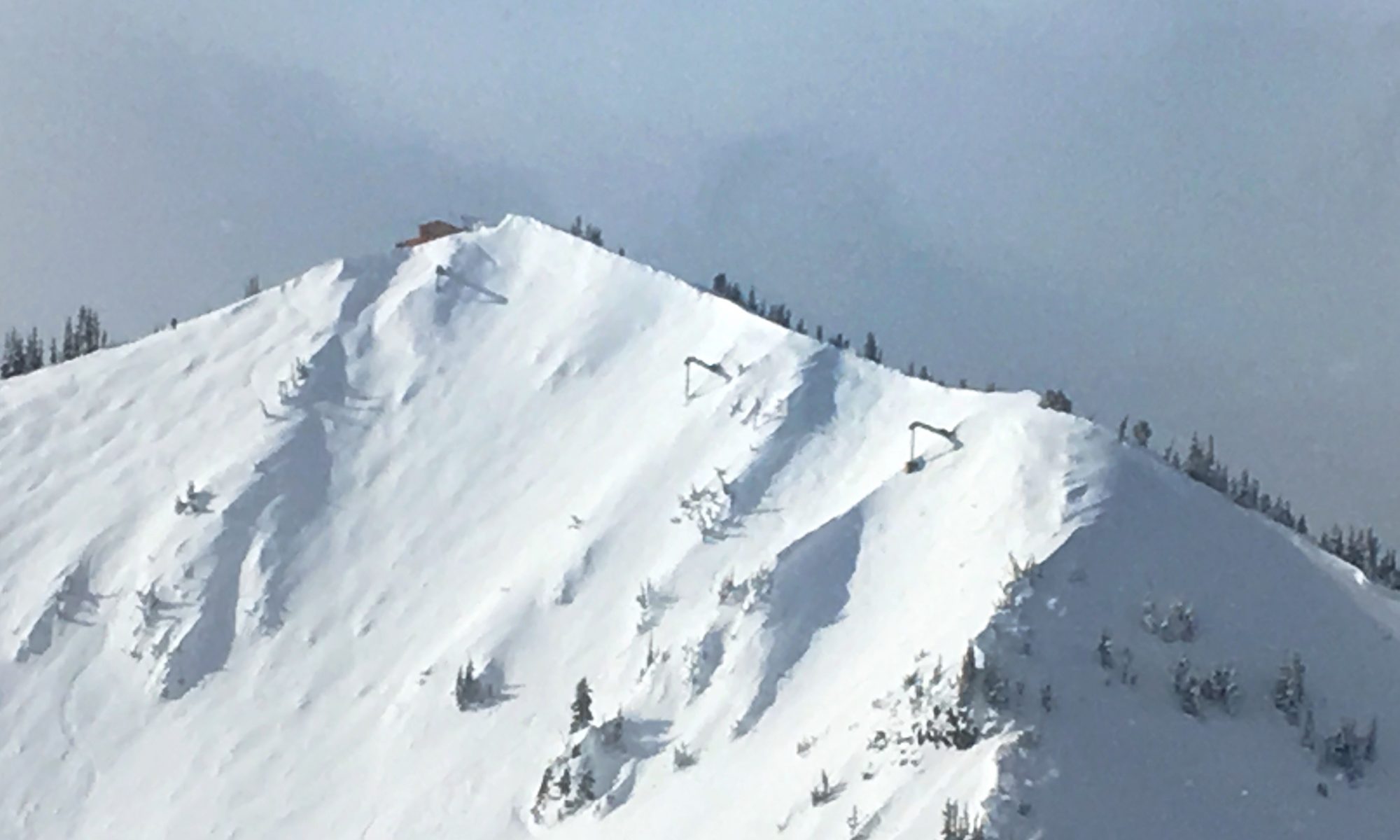
Detail of the Gaz-ex installed at Powder Bowl - photos by Kim Kirchner. High prone avalanche terrain

Most skiers assume that if a run is open, it is avalanche-proof. In reality, ski resorts reduce avalanche risk dramatically — but they cannot eliminate it completely, especially during Level 4 (Strong) and Level 5 (Very Strong) danger periods on the European avalanche danger scale.

During recent Alpine storm cycles, including February 2026, several incidents raised an important operational question: how can an avalanche reach or cross an open piste — and what systems are supposed to prevent that?

This explainer walks through the real-world avalanche control toolkit used by Alpine resorts, and what “extreme conditions” mean for in-bounds safety.


What Is PIDA?

In France, avalanche control on or near ski slopes is typically organised under a PIDA:

Continue reading “Avalanche Control on Ski Slopes: The System Behind “Safe In-Bounds Skiing””

Tyrol Remains on Level 4 Avalanche Alert After Deadly St. Anton Slide

St Anton Film Festival. Photo: Simon Rainer. St Anton am Arlberg Tourism Office.

Tyrol remains under Level 4 (High) avalanche danger following a deadly avalanche near St. Anton am Arlberg that claimed three lives, as authorities continue to warn against off-piste activity across western Austria.

The avalanche struck on 20 February 2026 in open terrain above the resort in the Landeck district. Five people were caught.

This incident forms part of the broader February 2026 avalanche cycle across the Alps, which saw widespread Level 4 and Level 5 danger across multiple countries.

This event is part of a wider pattern of extreme weather in the Alps, where increasingly unstable conditions are affecting snowpack and safety.

Two victims were declared dead at the scene. A third person, initially resuscitated and transported to hospital, died overnight. Two others remain under medical observation.

Rescue operations involved Austrian Alpine Police, mountain rescue teams, avalanche dog units and helicopters operating in severe weather conditions.

Source: Associated Press reporting on avalanche incidents in western Austria.


Current Situation: Level 4 (High) Still in Place

As of today, several regions of Tyrol remain at Level 4 (High) on the European avalanche danger scale.

Level 4 indicates:

Continue reading “Tyrol Remains on Level 4 Avalanche Alert After Deadly St. Anton Slide”

Punta Leysser Avalanche (Aosta Valley): Ski Tourer Dies After Level 4 Slide

Punta Leysser. Photo: LoveVda.

A ski tourer has died after being caught in an avalanche yesterday (Thursday, February 19) at Punta Leysser, above Saint-Pierre, in Italy’s Aosta Valley.

The avalanche released at around 13:30 at 2,550 metres, involving a group of five ski mountaineers.

According to reporting by AostaSera, the group immediately raised the alarm and began searching for those buried. Five ski tourers were caught in the slide.

One man was transported to Parini Hospital in Aosta, where he later died from his injuries.

This incident forms part of the broader February 2026 avalanche cycle across the Alps, which saw widespread Level 4 and Level 5 danger across multiple countries.

Continue reading “Punta Leysser Avalanche (Aosta Valley): Ski Tourer Dies After Level 4 Slide”

Aosta Valley Avalanche Bulletin: Danger Level 4 (Strong) with Wind Slab Risk

Aineva bulletin Aosta Valley. 16 FEB.

Avalanche danger remains high across Aosta Valley

The official Aosta Valley Snow & Avalanche Bulletin issued by Regione Autonoma Valle d’Aosta reports Danger Level 4 (Strong) across several forecast sectors on Monday.

Fresh snowfall combined with strong north-westerly winds is contributing to unstable snowpack conditions, particularly on steep slopes and wind-loaded terrain.

Official bulletin source:
https://bollettinovalanghe.regione.vda.it/home


Tuesday Trend (17 February)

According to the current regional forecast trend, avalanche danger is expected to remain elevated into Tuesday, with continued instability in areas affected by wind transport and fresh accumulations.

Continue reading “Aosta Valley Avalanche Bulletin: Danger Level 4 (Strong) with Wind Slab Risk”