Four people have died in two separate avalanche incidents in northern British Columbia, Canada, according to Avalanche Canada forecasts and local reporting. The accidents occurred on Sunday, March 22, in remote backcountry terrain near Terrace and close to the Alaska border, highlighting persistent snowpack instability despite non-extreme danger ratings.
👉 This pattern mirrors what has been seen across the Alps this winter, where many fatal accidents have also occurred at Level 3.
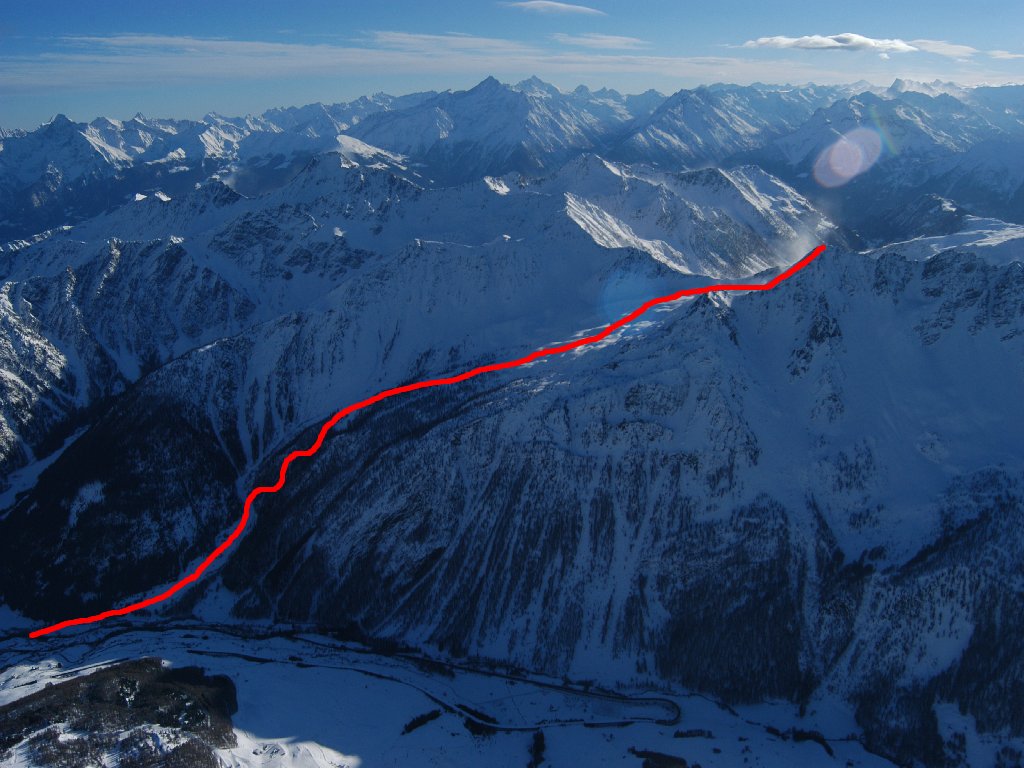
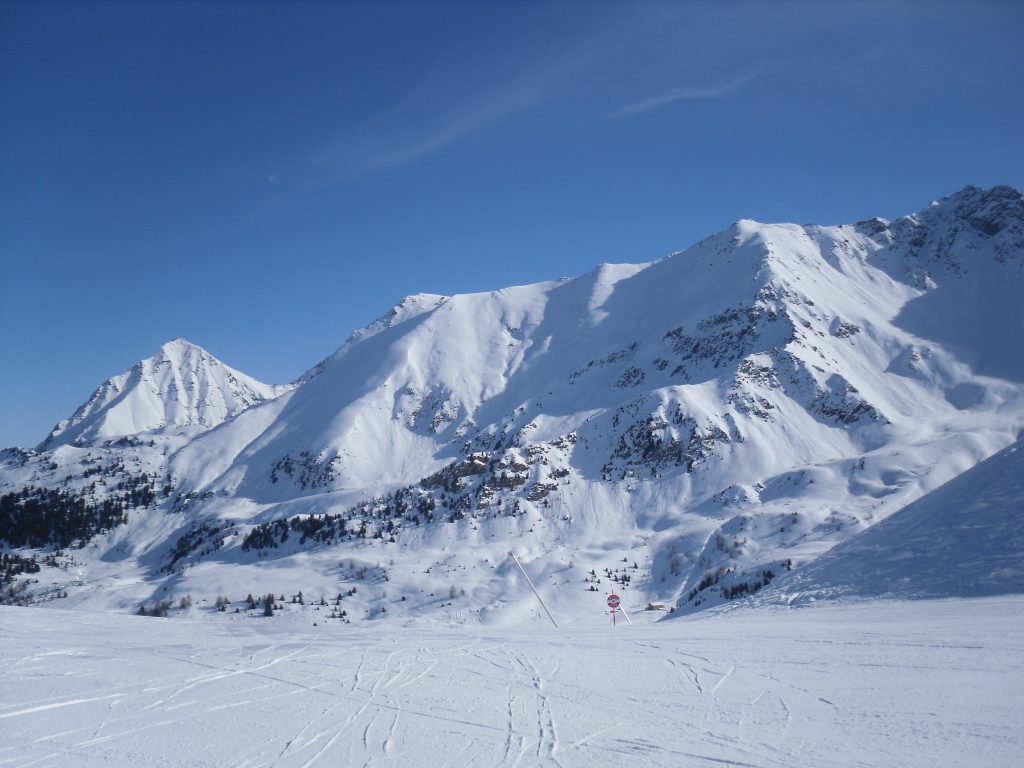
An avalanche occurred today at Punta Valletta, above the resort of Pila in the Aosta Valley, involving two ski mountaineers.
According to local reports, the avalanche was triggered shortly after 14:15. Both skiers were caught and temporarily buried.
They were rescued by the Soccorso Alpino Valdostano and transported by helicopter to the Ospedale Parini in Aosta. Fortunately, neither sustained serious injuries and they were expected to be discharged.
Punta Valletta is a well-known ski touring objective above Pila, frequently accessed by experienced ski mountaineers seeking terrain beyond the marked ski area boundaries.
While full technical details of the snowpack at the exact release point have not yet been officially published, the incident once again highlights how unstable layers and wind-loaded slopes can persist even when conditions appear manageable.
Aosta Valley avalanche danger is rising rapidly as fresh snowfall, strong winds and weak layers combine to create a phase of marked instability across the region, according to official monitoring services.
Current avalanche situation
According to Fondazione Montagna Sicura and AINEVA, the snowpack in the Aosta Valley is entering a critical phase, with avalanche danger expected to increase further over the coming days.
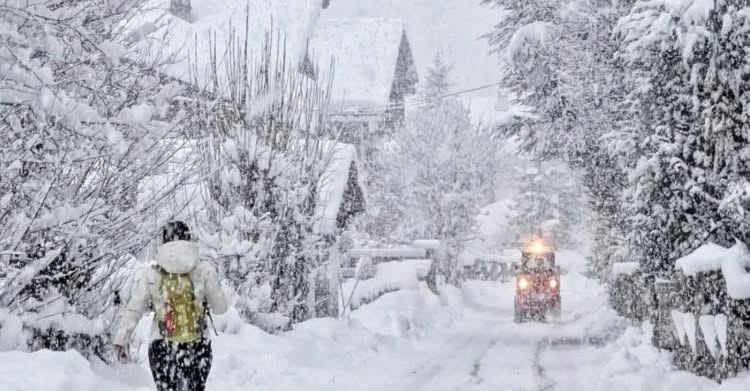
Snowfall has been ongoing since Tuesday, with peak accumulations expected by Thursday. In the north-western sectors of the region, fresh snow totals may exceed 1 metre above 1,600 m.
### Local civil protection alert (Aosta Valley): According to local authorities cited by Aosta Sera, an **official weather and avalanche alert**is in place across parts of the Aosta Valley as snowfall and strong winds intensify. An initial **yellow alert (ordinary criticality)** is expected to escalate to an **orange alert (moderate criticality)** by Wednesday, with affected areas including Valdigne, Gran Paradiso, Gran San Bernardo and Valtournenche. Forecasts indicate up to **35–40 cm of new snow around 1,500 m**, with wind transport further increasing avalanche risk.
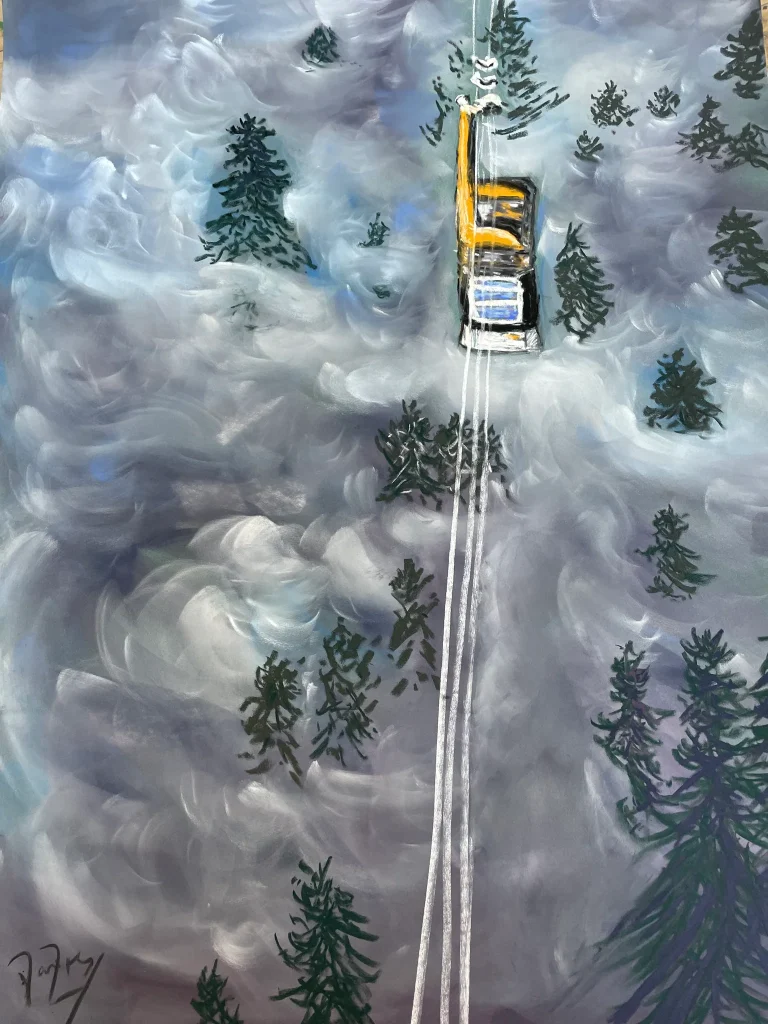
Funicular within the clouds, which is exhibiting at Chalet Svizzero in Courmayeur, is for sale in my shop here.
Off-piste skiing and backcountry travel offer freedom, fresh snow and adventure — but they also expose skiers to the highest avalanche risk in the mountains.
Many avalanche accidents do not happen deep in remote terrain. They happen just outside marked pistes, in areas skiers believe are controlled, familiar or “not really off-piste”.
Understanding why these situations are dangerous is essential for anyone leaving groomed slopes.
What Does “Off-Piste” Really Mean?
Off-piste skiing refers to any terrain outside marked and controlled ski runs. This includes:
Slopes beside pistes
Short traverses between runs
Bowls accessed from lifts
Areas beyond boundary ropes
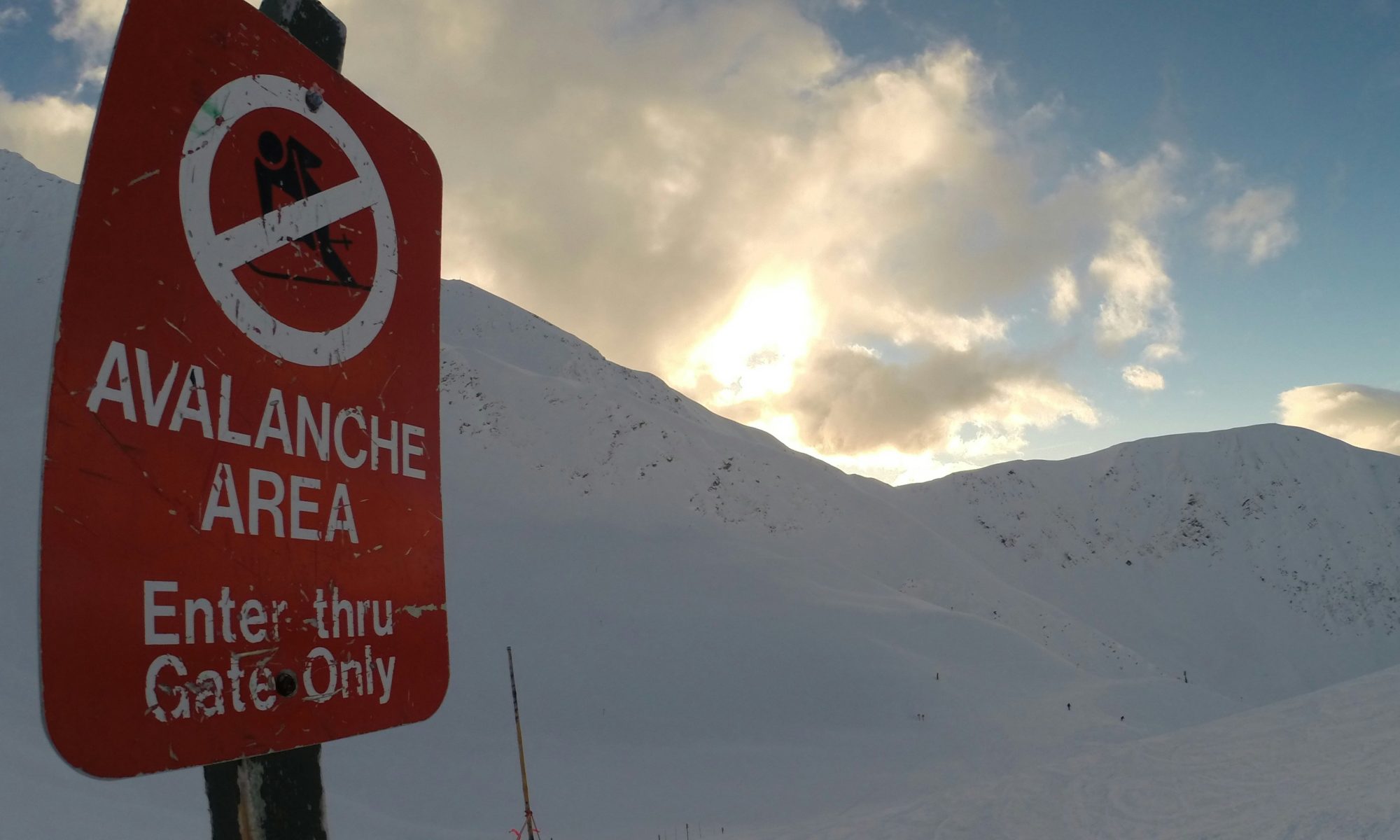
In most resorts, avalanche control is limited to marked pistes only. Once you leave them, you are responsible for your own safety — regardless of how close you remain to the ski area.
Dan Egan skiing in Big Sky, Montana. Photo courtesy: Dan Egan. Dan offers ski clinics to teach you how to take care of yourself in the backcountry. Check them at skiclinics.com. Off-Piste & Backcountry Risks: Avalanche Safety – Read Before Skiing Off-Piste.
⚠️ A Concerning Weekend for Avalanche Safety in Europe’s Mountains
The weekend of 11–12 January 2026 saw a notable concentration of avalanche incidents and heightened warningsacross the Alps and the Pyrenees, affecting France, Italy, Switzerland and Austria.
Several skier-triggered avalanches, alongside spontaneous releases, confirm that snowpack instability remains widespread, particularly at higher elevations and on wind-loaded aspects.
This comes just days after fatal and serious avalanche incidents in the Aosta Valley, reinforcing the need for continued vigilance across all Alpine regions.
Foehn winds are a well-known meteorological phenomenon in the Alps, but their impact on avalanche risk is often underestimated by skiers and snowboarders.
While foehn conditions are sometimes associated with clear skies and warmer temperatures, they can significantly destabilise the snowpack, increasing the likelihood of dangerous slab avalanches, especially in off-piste and backcountry terrain.
What Are Foehn Winds?
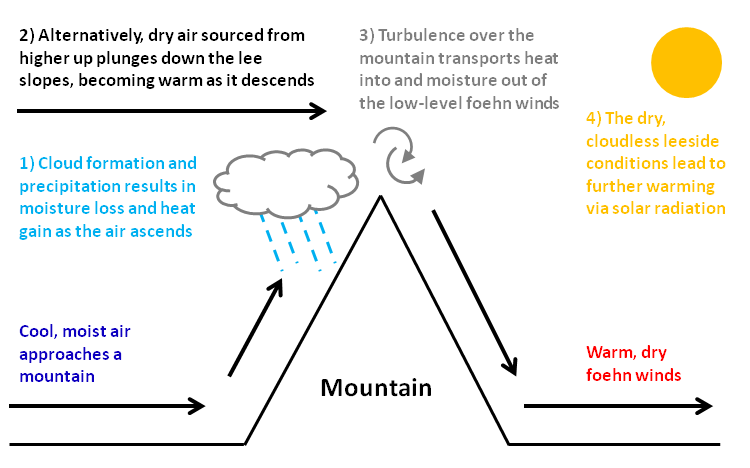
Foehn winds are strong, dry downslope winds that occur when air masses cross the Alps and descend on the leeward side, warming rapidly as they lose moisture.
They are common across:
Italian Alps
Swiss Alps
Austrian Alps
French Alps
In Italy, foehn is often referred to as favonio, while in Austria and Germany it is known as Föhn.
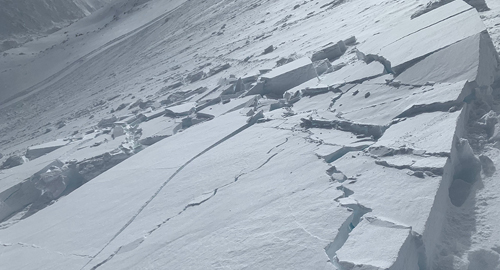
Wind slab. Scottish Avalanche Information Service. Sais.gov. Foehn Winds and Rising Avalanche Risk in the Alps: What Skiers Need to Know.
Enjoyed this post? Get my latest ski guides, weather insights, resort updates and travel tips directly in your inbox. Subscribe to The-Ski-Guru here.
Manage Cookie Consent
To provide the best experiences, we use technologies like cookies to store and/or access device information. Consenting to these technologies will allow us to process data such as browsing behavior or unique IDs on this site. Not consenting or withdrawing consent, may adversely affect certain features and functions.
Functional
Always active
The technical storage or access is strictly necessary for the legitimate purpose of enabling the use of a specific service explicitly requested by the subscriber or user, or for the sole purpose of carrying out the transmission of a communication over an electronic communications network.
Preferences
The technical storage or access is necessary for the legitimate purpose of storing preferences that are not requested by the subscriber or user.
Statistics
The technical storage or access that is used exclusively for statistical purposes.The technical storage or access that is used exclusively for anonymous statistical purposes. Without a subpoena, voluntary compliance on the part of your Internet Service Provider, or additional records from a third party, information stored or retrieved for this purpose alone cannot usually be used to identify you.
Marketing
The technical storage or access is required to create user profiles to send advertising, or to track the user on a website or across several websites for similar marketing purposes.




 Subscribe to The-Ski-Guru here.
You must be logged in to post a comment.