

Why Low Avalanche Danger Does Not Mean No Avalanche Risk

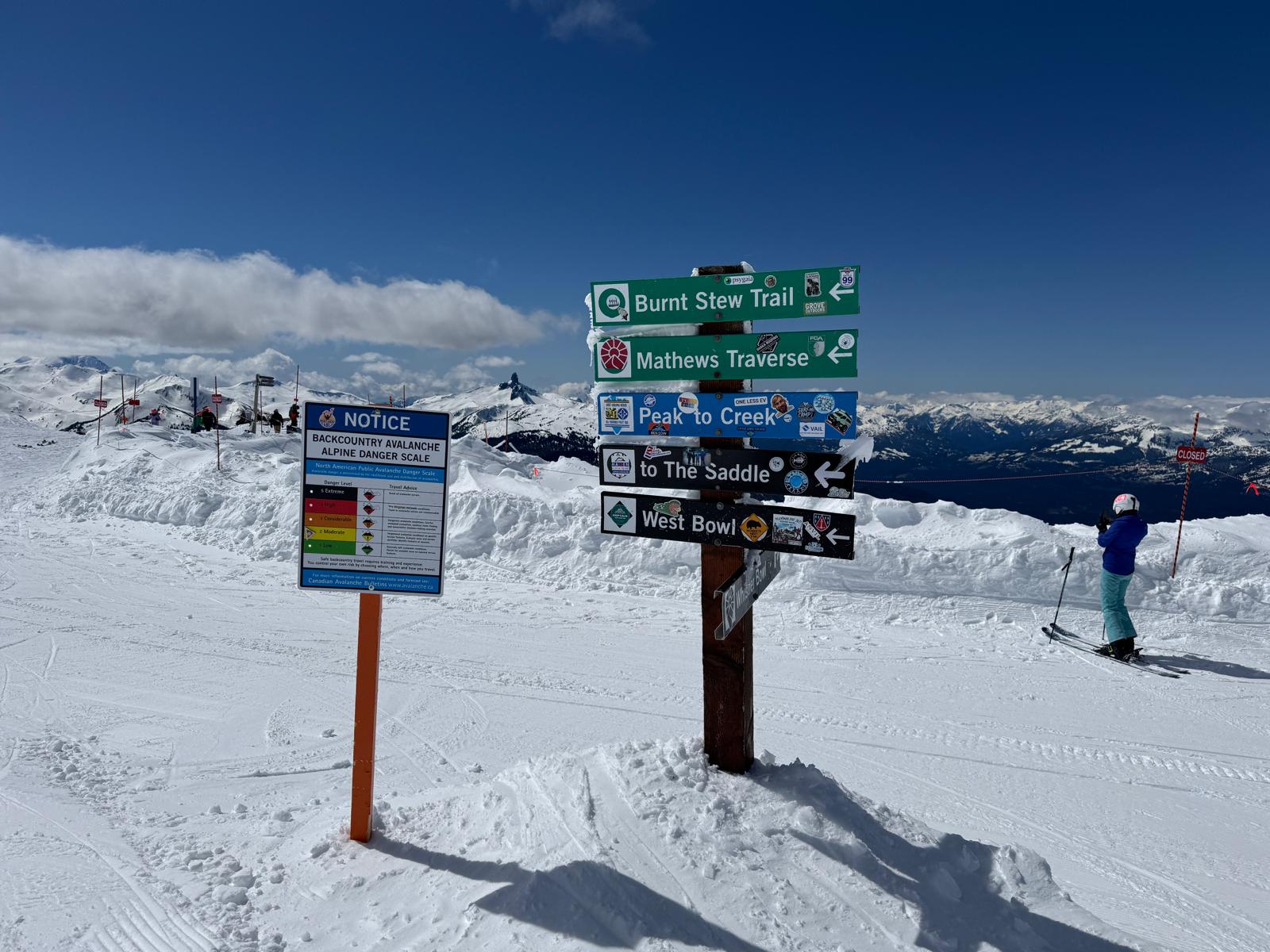
Avalanche posts on top of Whistler Mountain. Photo: The-Ski-Guru.

A Level 1 — Low avalanche danger rating does not mean the mountains are avalanche-free.

This is one of the most important — and most misunderstood — aspects of avalanche forecasting.

The European Avalanche Danger Scale describes the overall stability of the snowpack across a region. Even during Low danger conditions, isolated unstable slopes and specific avalanche problems may still exist.

Avalanche accidents can and do occur at Level 1.

Although the probability of triggering an avalanche is generally lower than during Moderate, Considerable, or High danger conditions, local terrain features can still create serious hazards.

This is especially true in steep alpine terrain, heavily wind-loaded slopes, glacier entrances, terrain traps, or sectors affected by glide avalanches.

At Level 1, natural avalanches are generally unlikely and the snowpack is considered mostly stable.

However, “mostly stable” does not mean “completely stable.”

Continue reading “Why Low Avalanche Danger Does Not Mean No Avalanche Risk”

Why Avalanche Accidents Still Happen at Level 2 – Moderate

Avalanche Level 2 Photo: Avalanchegeeks.com

A Level 2 — Moderate avalanche danger rating is one of the most misunderstood conditions in the mountains.

For many recreational skiers and occasional ski tourers, a Level 2 bulletin can sound relatively reassuring. The word “moderate” often creates the impression that conditions are largely stable and that avalanche risk is limited.

In reality, many serious avalanche accidents still occur during Level 2 conditions.

Continue reading “Why Avalanche Accidents Still Happen at Level 2 – Moderate”

Aosta Valley Avalanche Bulletin: Danger Level 4 (Strong) with Wind Slab Risk

Aineva bulletin Aosta Valley. 16 FEB.

Avalanche danger remains high across Aosta Valley

The official Aosta Valley Snow & Avalanche Bulletin issued by Regione Autonoma Valle d’Aosta reports Danger Level 4 (Strong) across several forecast sectors on Monday.

Fresh snowfall combined with strong north-westerly winds is contributing to unstable snowpack conditions, particularly on steep slopes and wind-loaded terrain.

Official bulletin source:
https://bollettinovalanghe.regione.vda.it/home


Tuesday Trend (17 February)

According to the current regional forecast trend, avalanche danger is expected to remain elevated into Tuesday, with continued instability in areas affected by wind transport and fresh accumulations.

Continue reading “Aosta Valley Avalanche Bulletin: Danger Level 4 (Strong) with Wind Slab Risk”

How to Use Avalanche Bulletins to Plan Your Mountain Day (Step-by-Step)

Aineva report on 3rd February of the avalanche risk at the Valdigne of Monte Bianco (the Valley of Monte Bianco). How to Use Avalanche Bulletins to Plan Your Mountain Day (Step-by-Step).

Before heading off-piste, ski touring, snowshoeing, or entering uncontrolled terrain, checking the avalanche bulletin is not optional — it is one of the most important safety steps you can take.

Yet many skiers and riders still look only at the danger number, without fully understanding how to use the rest of the information to plan a safe mountain day.

This guide explains how to read and apply avalanche bulletins properly, what they can (and cannot) tell you, and where to find the official avalanche forecasts across Europe.


What an Avalanche Bulletin Is — and What It Is Not

An avalanche bulletin (or avalanche forecast) is a regional risk assessment, based on:

Continue reading “How to Use Avalanche Bulletins to Plan Your Mountain Day (Step-by-Step)”