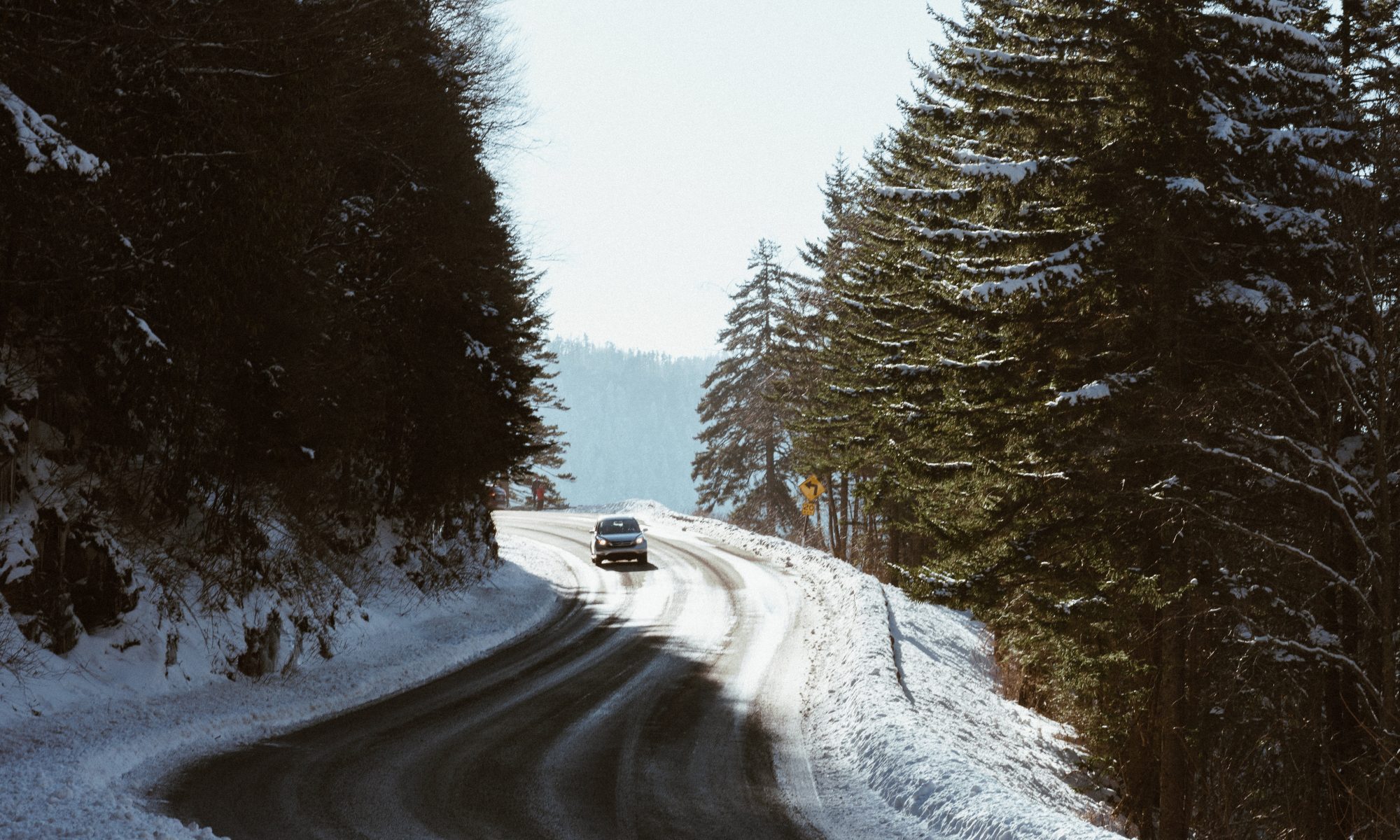
Val Thorens winter driving rules have been tightened in the Belleville Valley, covering Val Thorens, Les Menuires and Saint-Martin-de-Belleville. These Val Thorens winter driving measures apply throughout the entire ski season.
A new municipal decree confirms that vehicles must be equipped with either four winter tyres in good condition or snow chains.
Snow socks and all-season tyres are explicitly not considered adequate equipment.For a full breakdown of winter tyre and snow chain rules across the Alps and Europe — including what’s accepted where and why — see our guide to winter tyres and snow chains.
Strong Snowfall Incoming: Driving to the Mountains in Severe Winter Conditions
Heavy Snowfall Forecast: What Travellers Need to Know
A new period of intense snowfall is forecast across large parts of the Alps, with rapidly changing road conditions, reduced visibility, and an increased risk of closures on mountain routes.
If you’re planning in driving to the mountains over the coming days, this is not a routine winter situation. Even well-maintained alpine roads can become hazardous quickly when snowfall intensifies.
Continue reading “Strong Snowfall Incoming: Driving to the Mountains in Severe Winter Conditions”
Winter Tyres & Snow Chains in Europe: Driving Rules for the Alps and Pyrenees
🏔 Winter Tyre & Snow Chains: What Ski Travellers Need to Know in Europe
When heading to the mountains for a ski or snow getaway, driving conditions can change rapidly. Knowing the tyre and snow chain regulations is essential — not just to avoid fines, but for safety, especially in regions like the Aosta Valley, the Dolomites/Trentino Alto Adige, the French Alps, Austria, Switzerland and Andorra. Below are the key rules.
Updated for winter 2026/27: Rules and road-specific dates can change. Read our 2026/27 guide to winter tyres and snow chains in the Alps and Pyrenees, including the latest guidance on all-season tyres and routes to Italian ski resorts.

🇮🇹 Italy (including Aosta Valley, Dolomites, Trentino)
- In Italy generally, winter tyres or snow chains are not universally compulsory across all roads. The requirement is triggered by specific road signs saying “obbligo di pneumatici invernali o catene a bordo”.
- In the Aosta Valley region, the requirement is much clearer: winter tyres or snow chains must be fitted or carried from 15 October to 15 April.
- On roads marked accordingly (mountain passes, or in municipalities with the signage) the period often indicated is 15 November to 15 April, though local variations occur.
- Technical requirements: The tyres should be marked with “M+S” (Mud & Snow) or the “3PMSF” (Three Peak Mountain Snowflake) symbol to ensure winter performance. All-season tyres may be acceptable if marked and appropriate.
- Snow chains: If winter tyres are not fitted where required, snow chains (or equivalent anti-skid devices) must be carried and fitted when indicated by signage.
- Penalties: Driving without the correct equipment may lead to fines and potential liability issues in an accident.
Continue reading “Winter Tyres & Snow Chains in Europe: Driving Rules for the Alps and Pyrenees”
Winter tyres laws when driving to the mountains in Europe and North America
When driving to the mountains, it is important to know the laws about carrying winter tyres and snow chains. Not all countries and states or provinces oblige you to wear them. I would suggest you to check before you travel. Even if there were no law for using snow tyres, I would at least recommend taking snow chains, because if you are caught in a big snowstorm, you will need them. If you can buy at least second hand winter tyres, do so. It is an investment, more if you are going to drive to the mountains each ski season.
Also, if renting a car, don’t assume the car will come with snow tyres, even if going to countries full of mountains everywhere, remember to request them when booking your car rental, and also reserve snow chains.

Here is a summary of where snow tyres are mandatory – please you need to do your own search, as this is not by any means 100% accurate- we cannot be held responsible for you deciding not to take winter tyres! Do your own homework!

Continue reading “Winter tyres laws when driving to the mountains in Europe and North America”


You must be logged in to post a comment.