

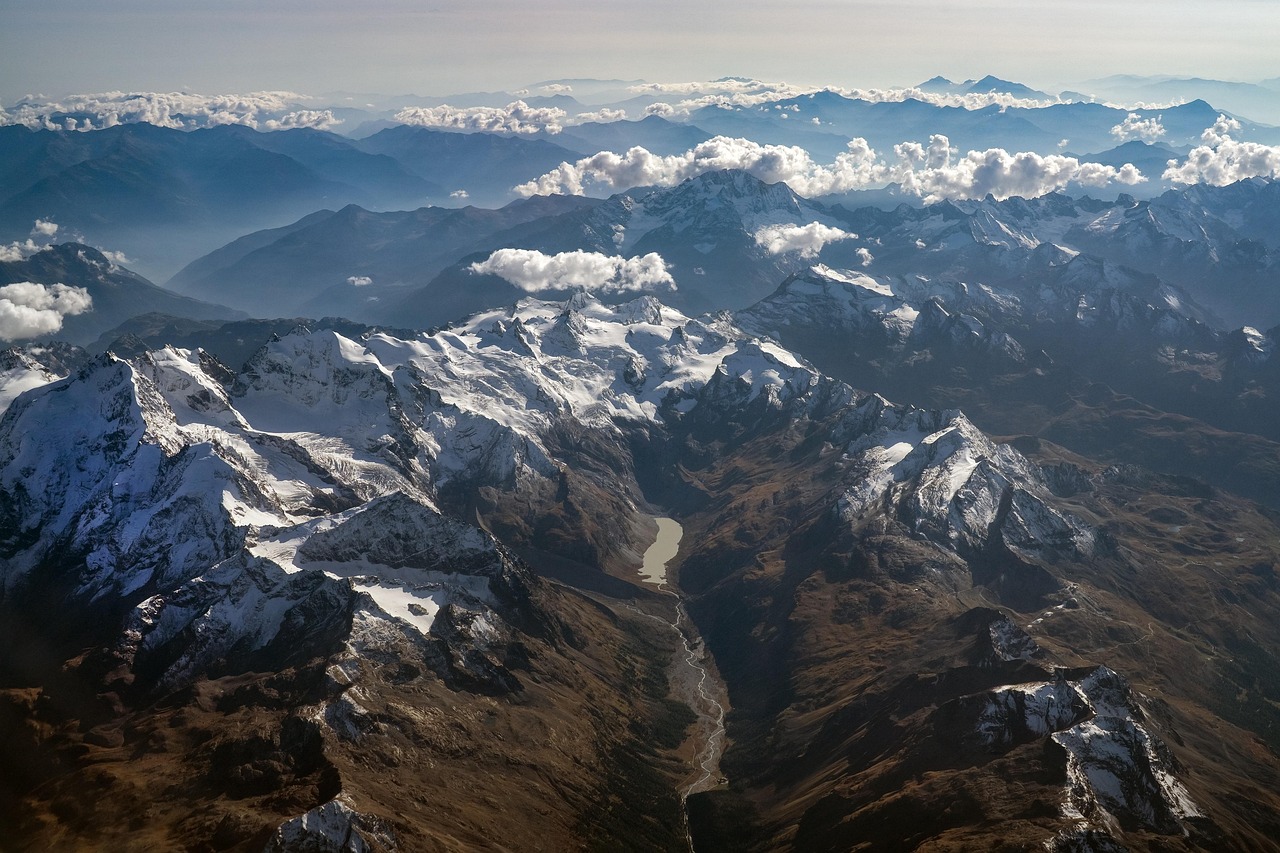
Switzerland Braces for a Hotter, Wilder Future — What It Means for the Alps
Switzerland’s Alps are heating up nearly twice as fast as the global average. The new CH2025 Climate Report by MeteoSwiss and ETH Zurich reveals what this means for our mountains — and for those who love them.
🇨🇭 A Country Warming Twice as Fast
Switzerland — famous for its snow-covered peaks and pristine valleys — has already warmed by 2.9°C since pre-industrial times, compared with around 1.3°C globally. According to the CH2025 Climate Report, the country faces a future of hotter summers, heavier storms, and rising snowlines that could reshape mountain life and tourism.
☀️ More Heatwaves — Even in the Mountains
Extreme heat events have become far more common in the past 25 years, and this trend is accelerating. The report warns that a day as hot as those that used to occur once every 50 years could now happen every three years or more. Cities like Zurich, Geneva, Basel and Lugano are expected to see far more “tropical nights,” when temperatures never drop below 20°C. Even Alpine valleys will experience unprecedented heat stress.
🌾 Drier Summers Ahead
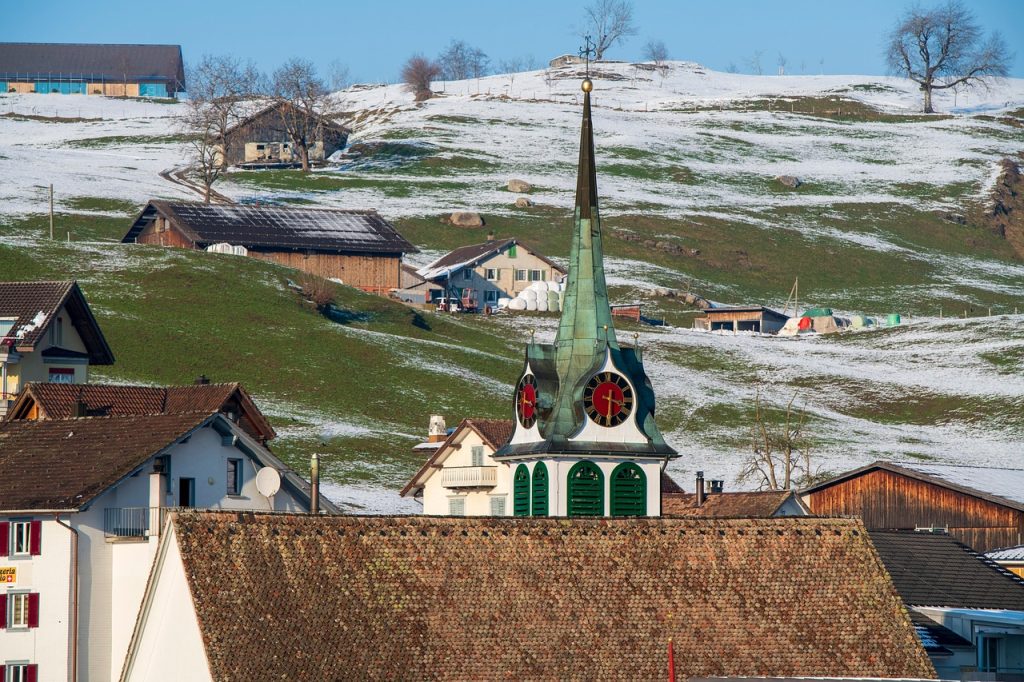
Summers are projected to become significantly drier due to increased evaporation and reduced rainfall. A drought that once happened once a decade could strike three times as often and with 44% greater intensity. Forest fire risk is rising sharply, particularly in Valais, Ticino, and parts of Graubünden.
🌧️ Heavier Downpours and Violent Storms
When rain does fall, it’s likely to come as short, intense bursts. Scientists expect heavy rainfall events to become up to 30% stronger, increasing the risk of flash floods, mudslides, and landslides. As warmer air holds more moisture, thunderstorms may also become more severe, leading to a greater likelihood of hail events.
🎿 The Shrinking Snowline
Perhaps the most striking change is happening to the snow itself. The zero-degree line — the altitude where rain turns to snow — has climbed by several hundred metres since the early 1900s and is projected to rise by another 550 metres by the end of this century, reaching around 1,450 metres in winter.
Natural snow cover at lower altitudes has already declined by about 40% since 1960. Below 1,500 metres, many areas could see winters dominated by rain rather than snow, fundamentally changing the outlook for traditional ski resorts. High Alpine regions above 2,500 metres will still receive snow but with shorter seasons.
🌱 Every Tenth of a Degree Counts
ETH Zurich scientist Reto Knutti reminds us: “Every tenth of a degree makes a difference.” The report shows that if global emissions fall sharply and the world reaches net-zero by 2050, much of the severe warming could still be avoided. Switzerland has committed to cutting greenhouse gas emissions by 65% by 2035 (from 1990 levels) and achieving net-zero by 2050.
🏔️ What This Means for Mountain Lovers
For those who live, ski, or hike in the Alps, these changes aren’t abstract — they’re already visible. Shorter ski seasons, more artificial snowmaking, and a push toward four-season mountain tourism are becoming the new normal. Yet, this also opens doors for innovation: sustainable lodging, eco-tourism, and creative ways to enjoy the mountains year-round.
As climate scientist Elisabeth Baume-Schneider said during the report’s launch, “The new scenarios give us a clearer picture of Switzerland’s climate future — and help us plan how to protect our environment, cities and agriculture.”
📚 Sources
- MeteoSwiss & ETH Zurich (2025): Climate CH2025 – Scientific Report
- Simon Bradley, swissinfo.ch (4 Nov 2025): “Switzerland braces for more heatwaves, droughts and violent storms”
Originally published on The-Ski-Guru
Start planning your next trip!
If looking to stay in the heart of the Mont Blanc Valley in the Aosta Valley, check the direct booking for Il Coure della Valdigne here. This is our own family home in the mountains, that I am renting out when not using.

Il Cuore della Valdigne. Book your lodging directly with me here.Il Cuore della Valdigne. Stay at the Heart of the Valdigne to ski in Courmayeur, La Thuile and Pila/Aosta.
If you prefer, you can also book my apartment through Booking.com
Booking might be cheaper if you have Genius status!
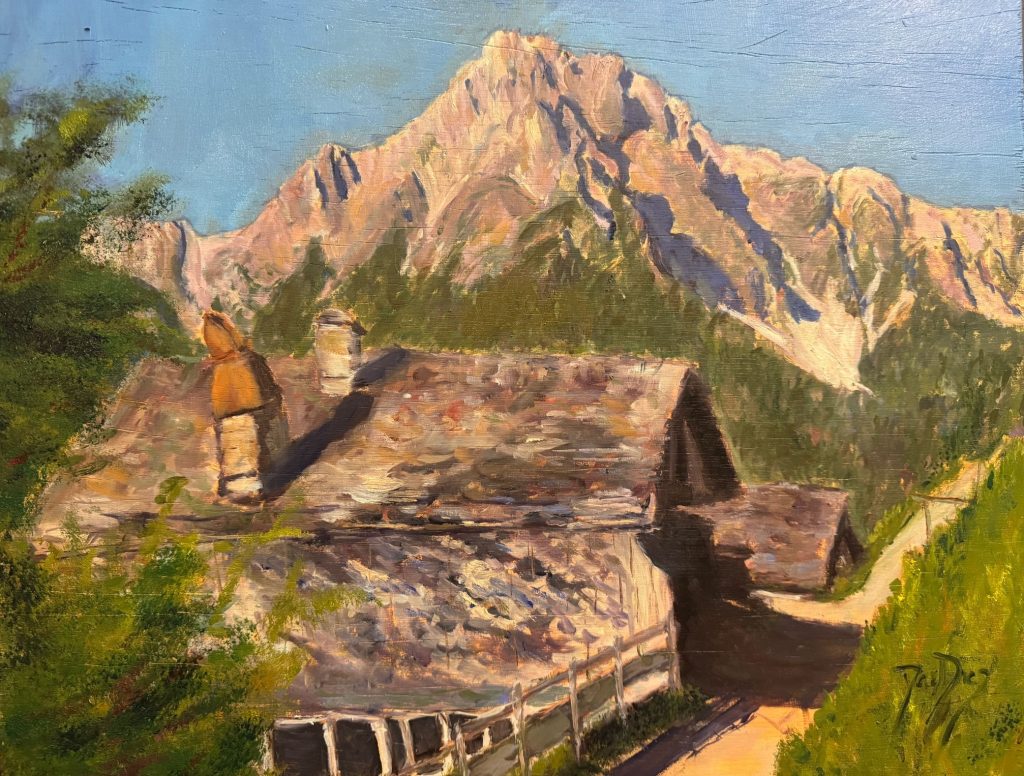
Check my Mountain Art on my Shop
You can go to my shop and see what have been inspiring me lately, lots mountain landscapes in soft pastels, and now in oils too. Go here to check my latest works!
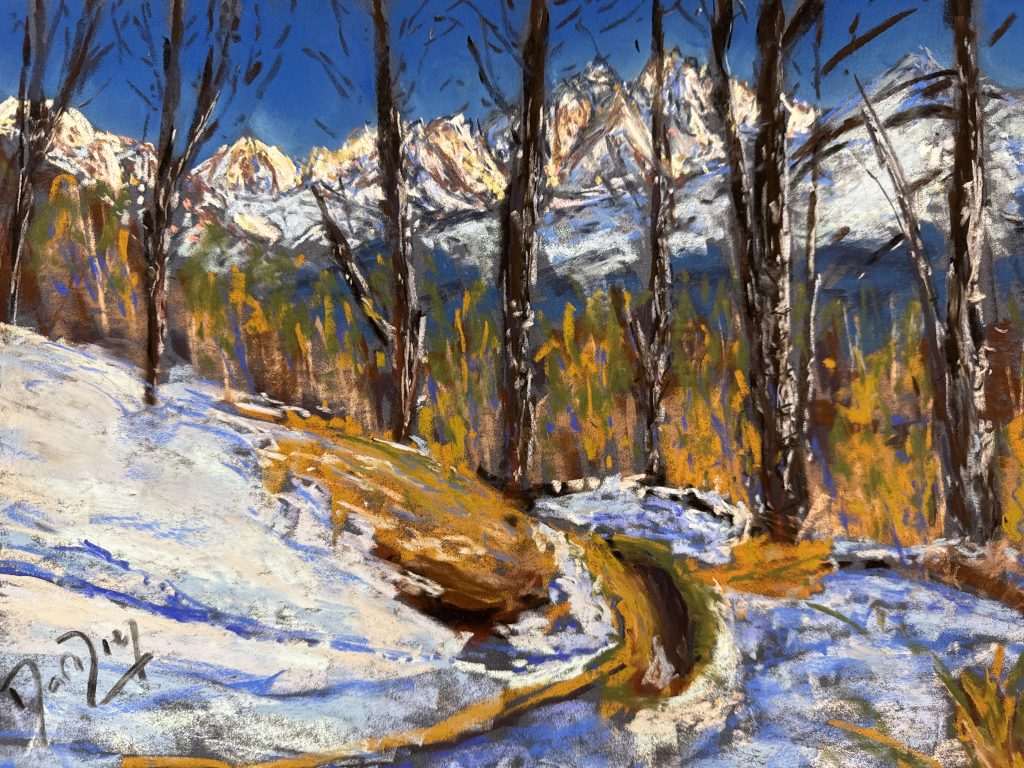
If interested in me doing a special commission for you, let’s talk!
Featured Image: Switzerland’s Alps Face a Hotter, Wilder Future. Photo: Pixabay Markus Kammermann.


Discover more from The-Ski-Guru
Subscribe to get the latest posts sent to your email.
 Subscribe to The-Ski-Guru here.
You must be logged in to post a comment.