Mont Blanc Climbers Pay for Helicopter Evacuation as Extreme Heat Forces Route Closure

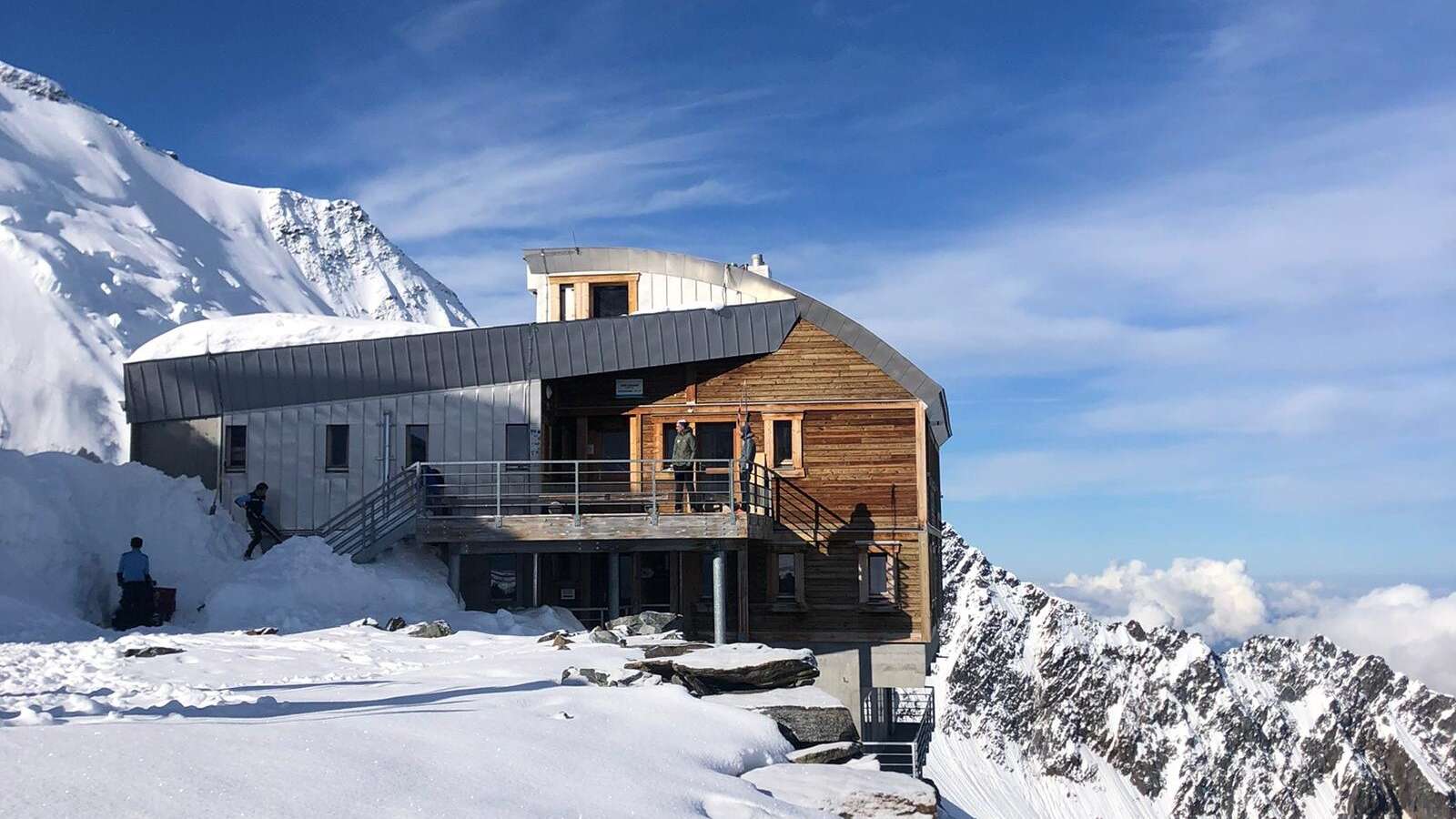
Refuge du Goûter. Photo: Tourism.SaintGervais.com

Thirty-two climbers at the Refuge du Goûter on Mont Blanc asked to be evacuated by helicopter this week after deteriorating conditions and repeated rockfalls made the mountain’s normal route increasingly dangerous.

The incident came as authorities closed the Goûter and Tête Rousse refuges, effectively bringing normal operations on the most popular French route to the summit of Mont Blanc to a halt during the height of the summer mountaineering season.

But when the climbers requested a helicopter evacuation on Wednesday morning, August 12, the French mountain rescue service determined that they were not facing an emergency requiring a public rescue operation.

Those who chose to leave by helicopter were therefore evacuated by a private operator — at their own expense.

Others descended from the refuge on foot without incident.

32 Climbers Remained at the Goûter Refuge

The group had spent the night of August 11 to 12 at the Refuge du Goûter, located at approximately 3,835 metres on the normal French route to Mont Blanc.

Conditions on the route had deteriorated significantly in the preceding days, particularly around the notorious Grand Couloir du Goûter.
Continue reading “Mont Blanc Climbers Pay for Helicopter Evacuation as Extreme Heat Forces Route Closure”

Where to Check Mountain Closures in the Alps

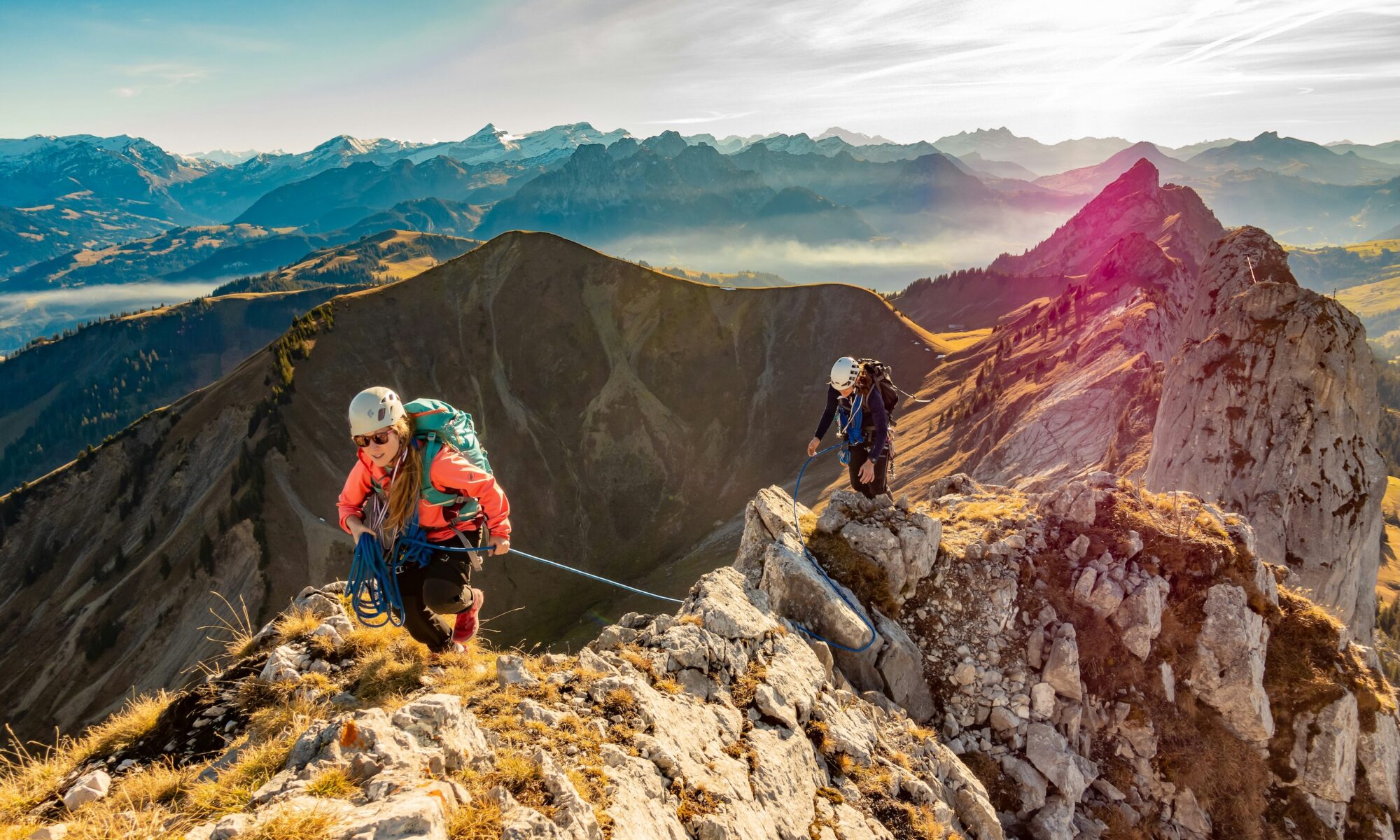
Mountaineering in the Swiss Alps in Gastlosen, Saanen. Photo credit: Sylvain Mauroux. Unsplash. Check mountain closures in the Alps

Knowing where to check mountain closures in the Alps is increasingly important as extreme heat, thunderstorms, rockfalls, flooding and rapidly changing glacier conditions affect trails, lifts, roads and mountaineering routes.

However, finding reliable information is not always straightforward. There is no single website covering every mountain closure across France, Italy, Switzerland, Austria and Slovenia. Information may be published by a lift operator, municipality, regional authority, mountain rescue organisation, alpine club or mountain hut — and each may be reporting on something different.

A cable car can be operating while a hiking trail from its upper station is closed. A mountain hut can be open even though one of its access routes is no longer considered safe. A mountaineering route may not be officially closed but may have been abandoned by local guides because of rockfall, crevasses or unstable ice.

Here is where to check before travelling into the Alps.

Continue reading “Where to Check Mountain Closures in the Alps”

A Bear Walked Into a Breckenridge Hotel. Here’s What Every Mountain Traveller Should Know

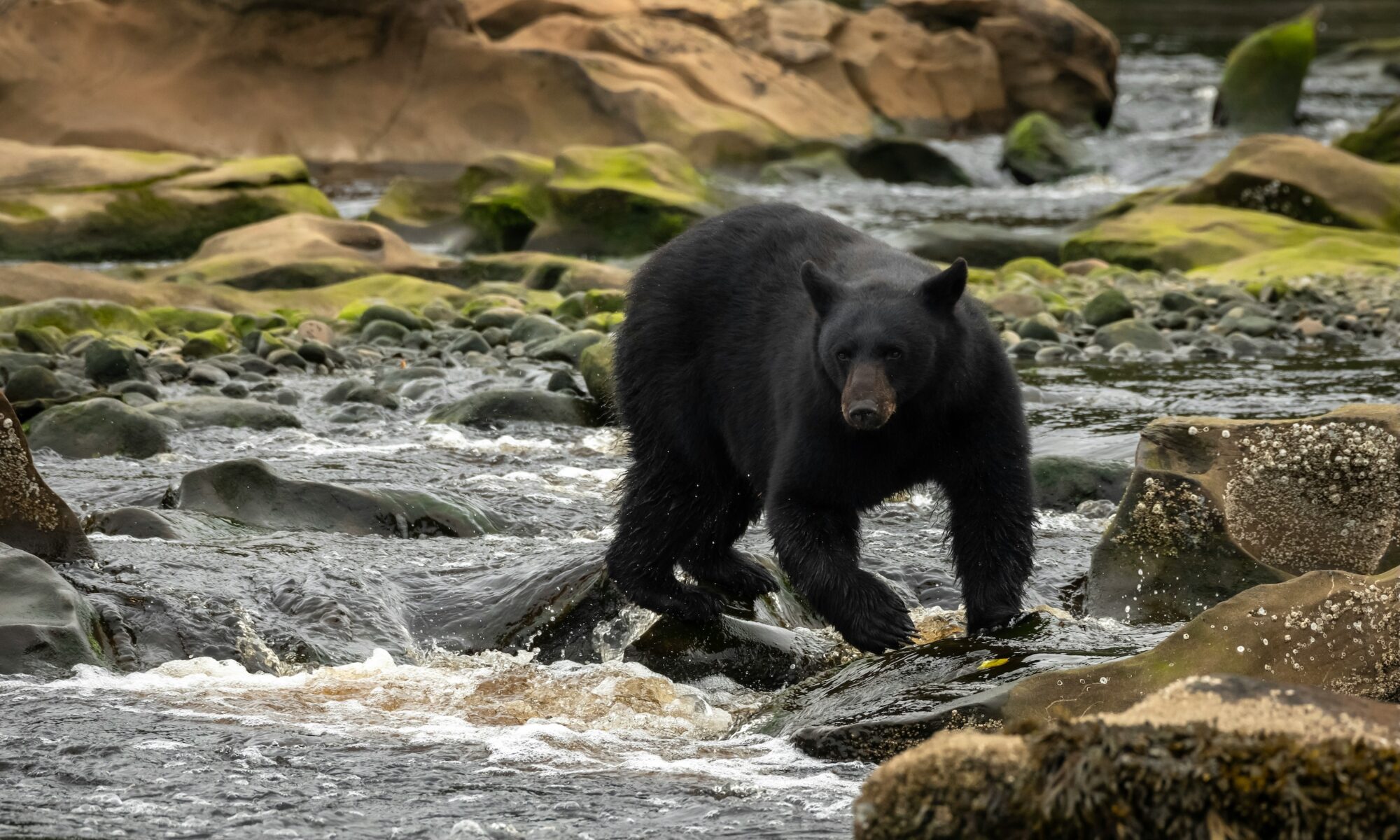
Black bear fishing a salmon. Photo credit: Greg Johnson. Unsplash.

A black bear wandering into a hotel in Breckenridge and apparently helping itself to a bag of M&M’s made headlines this week. Police safely escorted the animal back into the forest, nobody was injured and the story quickly spread around the world.

It was an amusing reminder that mountain towns can produce some unforgettable moments.

But for people who live and work in mountain destinations, there was another reaction.

“That doesn’t happen often… but it isn’t exactly surprising either.”

Whether it’s black bears in Colorado and British Columbia, brown bears in Italy’s Trentino or wolves in the Italian Alps, sharing spectacular mountain landscapes with large carnivores has become part of life.

For visitors, however, these encounters can be unexpected.

Understanding how to behave around wildlife is becoming just as important as checking the weather before heading onto the trails.

Continue reading “A Bear Walked Into a Breckenridge Hotel. Here’s What Every Mountain Traveller Should Know”

Are Ski Resorts Becoming Too Concentrated? Antitrust Scrutiny Reaches the Ski Industry

Dolomiti Superski- 3 Zinnen Dolomiten- New Chairlift Mittelstation-Helm. Photo credit: Dolomiti Superski. Dolomiti Superski ski lifts as ski resort antitrust debate grows worldwide.

For decades, the ski industry has moved steadily towards larger resort groups, multi-resort passes and integrated mountain networks. Now, regulators on three continents are beginning to ask whether that growing concentration is reducing competition.

On 7 August, Italy’s competition authority closed its investigation into Dolomiti Superski after accepting commitments that include €30 million in compensation for skiers and, perhaps more significantly for the industry, changes to the way individual ski areas within the network coordinate prices and distribution.

The Italian decision comes just weeks after a proposed acquisition involving some of Chile’s largest ski resorts was abandoned following competition concerns, and only a day after another antitrust lawsuit was filed against several of the biggest ski operators in the United States.

Taken individually, the cases are very different. Together, however, they raise a broader question for the ski industry: as resorts increasingly consolidate into larger networks and multi-resort passes become the norm, how much competition remains between individual ski areas?

For skiers, the issue is simple: as lift ticket prices continue to climb, regulators want to know whether rising costs are being driven solely by inflation and investment—or whether reduced competition is also playing a role.

Continue reading “Are Ski Resorts Becoming Too Concentrated? Antitrust Scrutiny Reaches the Ski Industry”

Bardonecchia Train Disruption: Buses Replace Trains Until 9 October

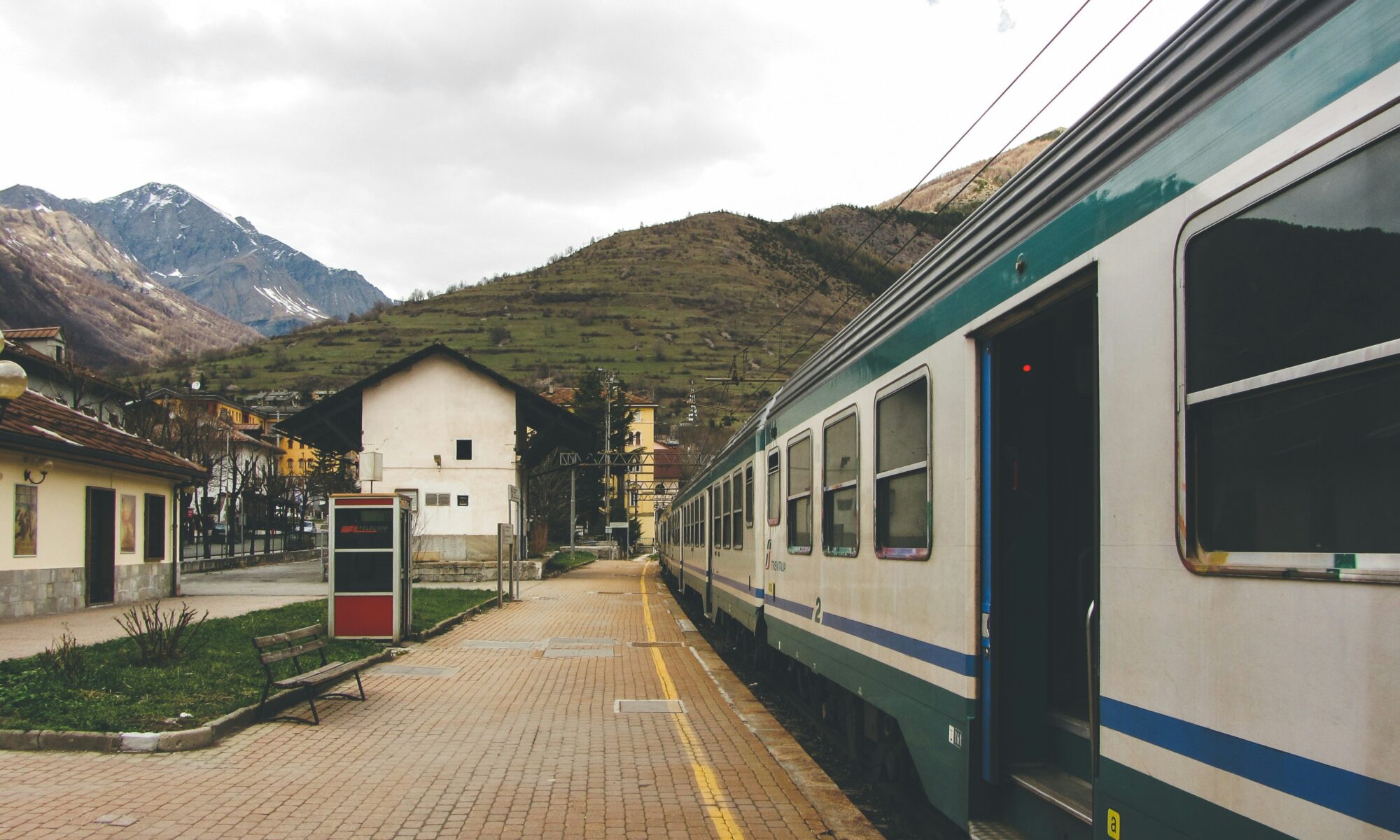
Bardonecchia train station. Photo credit: Casey Lovegrove. Unsplash.

Bardonecchia train disruption is affecting travellers from 10 August to 9 October 2026, with replacement buses operating between Bussoleno and Bardonecchia while major railway maintenance takes place.

The disruption comes at one of the busiest periods of the summer season in the Italian Alps and has prompted criticism from local authorities and tourism operators, who argue that the timing could affect visitors who have already booked their holidays.

According to Trenitalia, rail traffic between Bussoleno and Bardonecchia will be suspended from 10 August until 9 October 2026 while extraordinary maintenance work is carried out along the Torino–Modane railway.

Regional SFM3 services are being modified, with replacement buses operating for affected sections of the journey.

Continue reading “Bardonecchia Train Disruption: Buses Replace Trains Until 9 October”

Alps Heatwave Forces Glacier Closures as Rockfalls Increase

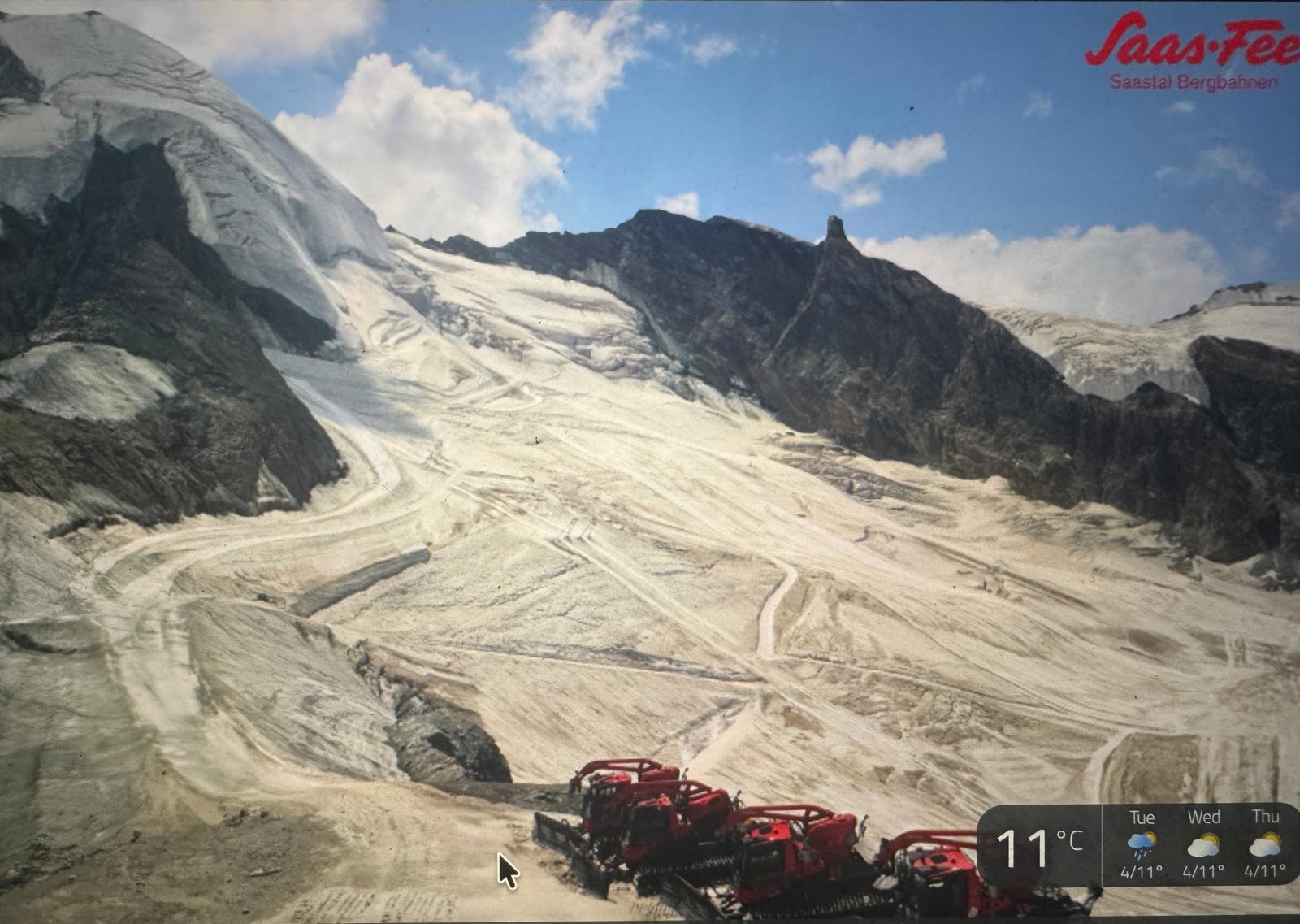
Saas Fee Glacier on 10th August, last day of its summer season. Photo: Webcam Saas Fee: https://www.saas-fee.ch/en/webcams

Extreme heat is continuing to disrupt the high Alps, forcing the suspension of summer skiing, closing a mountain refuge at more than 3,600 metres and coinciding with further rockfalls in the Dolomites.

Saas-Fee has suspended summer skiing from Monday, August 10, becoming the latest major Alpine glacier ski area affected by persistently high temperatures and deteriorating snow and glacier conditions.

The Swiss resort follows Zermatt, which had already suspended public summer skiing on the Theodul Glacier. On the Bernina massif in Italy, the Marco e Rosa refuge has closed as exceptionally warm conditions make the surrounding high mountain increasingly dangerous.

And on Sunday, August 9, another significant rockfall occurred on Monte Pelmo in the Dolomites, producing a large cloud of dust visible from the valley below.

Continue reading “Alps Heatwave Forces Glacier Closures as Rockfalls Increase”

Aosta Valley Begins to Recover, but Record Glacier Loss Highlights Growing Climate Crisis

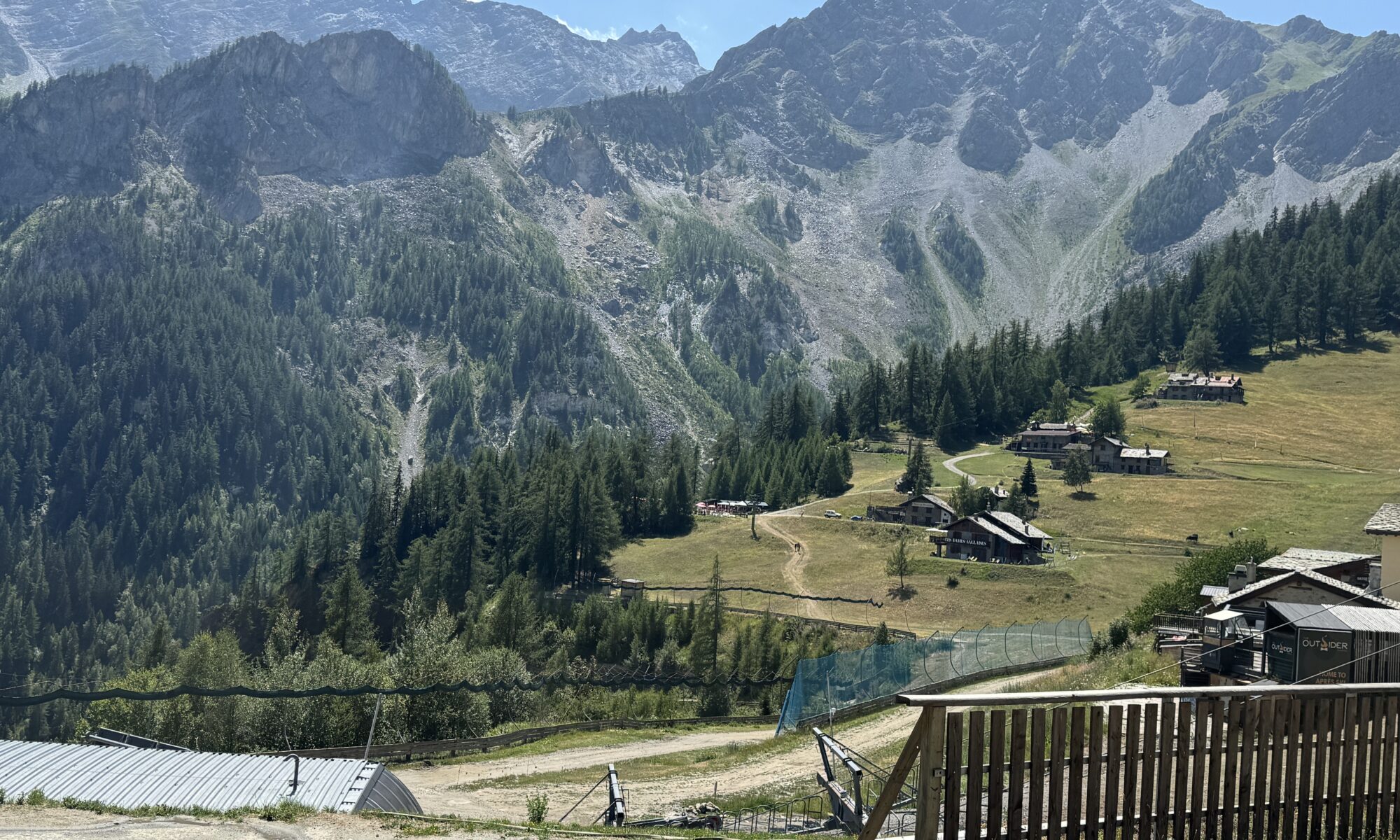
The view from Plan Chècrouit towards the Piscina Alpina in Courmayeur. Photo: The-Ski-Guru.

The Aosta Valley is beginning to recover after a week marked by intense storms, flooding and rockfalls, but scientists warn that the longer-term picture remains deeply concerning. While tourist facilities are reopening and emergency conditions are easing, 2026 has already become the worst year on record for glacier loss in Italy’s smallest Alpine region, underlining the accelerating impact of climate change. 

One of the clearest signs of recovery has come from Breuil-Cervinia, where the local golf course has partially reopened following the severe thunderstorms that hit the resort earlier this week. Although only a temporary nine-hole course is currently available while repairs continue, the reopening is an important step for the resort’s summer tourism industry after heavy rain and mudflows disrupted the area. 

Continue reading “Aosta Valley Begins to Recover, but Record Glacier Loss Highlights Growing Climate Crisis”

Mount Blanc Climber Dies After Falling Through Snow Bridge on Glacier du Tour

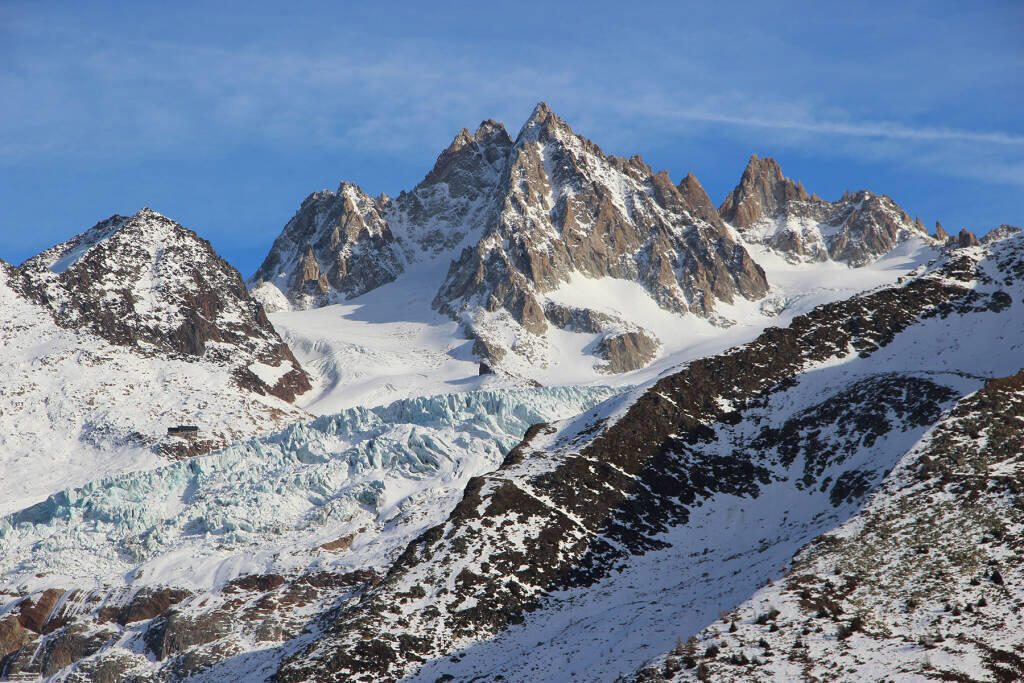
Glacier du Tour. Photo credit: Chamonix.com

A female climber has died after falling into a crevasse on the Glacier du Tour, one of the Mont Blanc massif’s most popular glacier routes, in an accident that has prompted another reminder from French mountain rescue teams about the hidden dangers of late-summer glacier travel. 

The victim, a Russian woman in her 60s, had been travelling alone. She visited the Refuge Albert 1er on Tuesday and planned to return later that evening to spend the night. When she failed to come back, the refuge wardens alerted the Peloton de Gendarmerie de Haute Montagne (PGHM) in Chamonix, which launched a search operation the following day. 

After an unsuccessful search on Wednesday, rescuers resumed operations on Thursday morning and located her body at the bottom of a crevasse on the nearby Glacier du Tour. 

Continue reading “Mount Blanc Climber Dies After Falling Through Snow Bridge on Glacier du Tour”

300 March to Protect Cime Bianche as Cervinia–Monterosa Link Remains on Regional Agenda

Cime Bianche, from where the link from Monterosa would come towards Cervinia, that for now it remains in the political agenda. Photo: The-Ski-Guru.

Around 300 people took part in the sixth edition of “Una Salita per il Vallone” on Saturday, 1 August, walking through the Val d’Ayas to demonstrate their opposition to the proposed cable-car connection between the Cervinia and Monterosa ski areas.

The wider project and the different routes previously examined were covered in our earlier report on the proposed Cervinia–Monterosa ski link through Cime Bianche.

The annual event brought participants from Saint-Jacques, above Champoluc, to Alpe Vardaz, at the entrance to the Vallone delle Cime Bianche. Organisers described this year’s turnout as extraordinary, with attendance increasing from approximately 250 people in 2025.

The march has been held every summer since 2021 and is organised by groups campaigning for the conservation of one of the last large undeveloped valleys in the area.

However, the debate is far from over. The proposed connection remains part of the Valle d’Aosta regional government’s infrastructure plans, making this year’s demonstration more than a symbolic walk through the mountains.

Continue reading “300 March to Protect Cime Bianche as Cervinia–Monterosa Link Remains on Regional Agenda”

Matterhorn Current Climbing Conditions: Why Mountain Guides Have Stopped Ascents

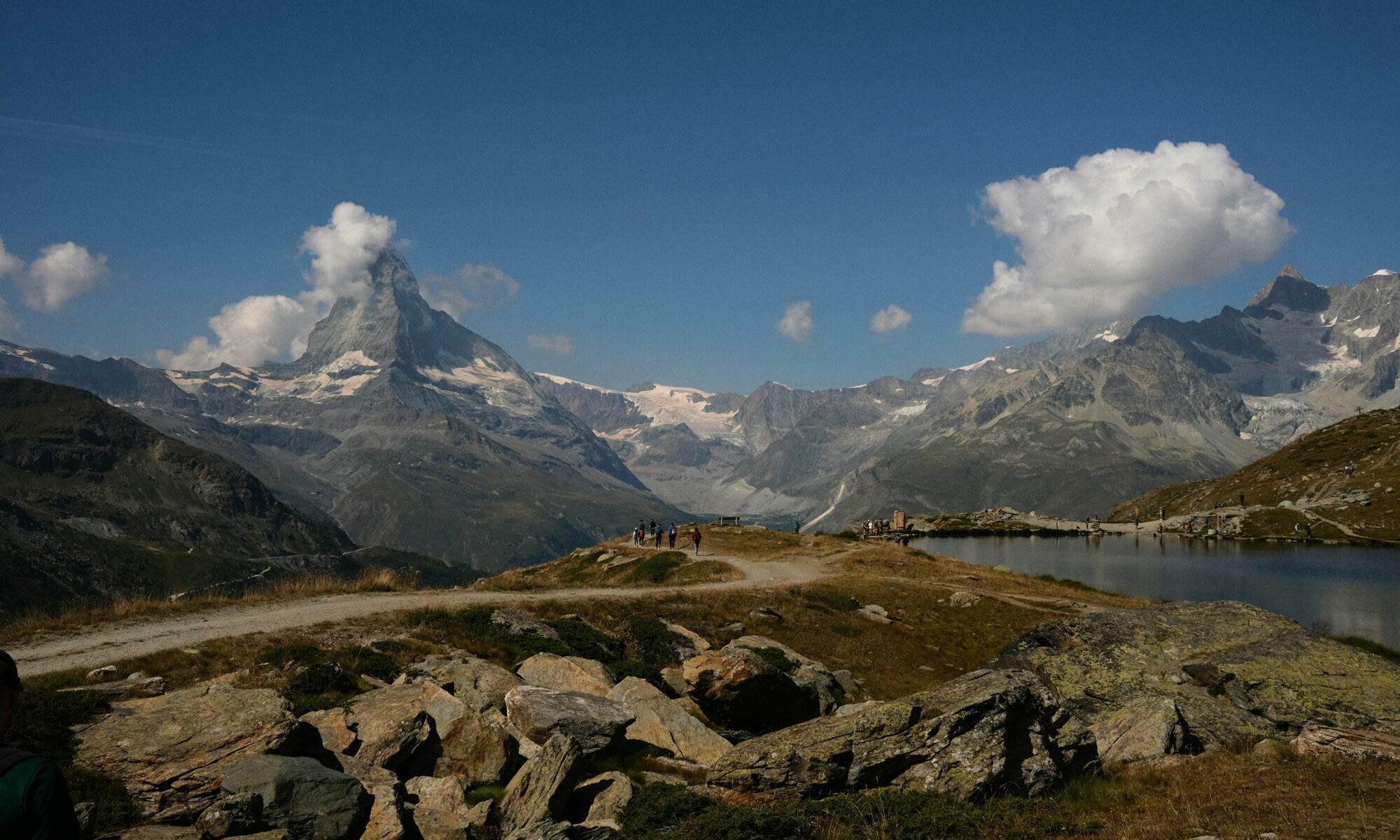
The Matterhorn as seen from the Zermatt side. Photo: Kseniia Zapiatkina. Unsplash.

The Matterhorn is currently experiencing one of its most challenging summer periods in recent years, with mountain guides warning that extreme heat has made climbing conditions unusually dangerous.

Following Wednesday’s major rockfall from the mountain’s south face, guides on both the Italian and Swiss sides are adopting an increasingly cautious approach as geologists continue to assess the stability of the mountain. 

Continue reading “Matterhorn Current Climbing Conditions: Why Mountain Guides Have Stopped Ascents”