

Ski tourism has spent decades looking for new source markets, younger skiers and ways to broaden participation. But sometimes growth may be less about discovering another destination or building another lift, and more about asking a simpler question: who was the traditional ski holiday designed for?
The UK-based Muslim Ski Club is beginning to provide one answer.
Founded by Burhan Ali in 2024, the organization was created to make skiing more accessible and relevant to Muslim travelers — from complete beginners who have never considered a ski vacation to experienced skiers looking for a community with which to travel.
The concept has now gained recognition beyond snowsports. The Muslim Ski Club recently won Gold in the Hospitality, Leisure and Tourism Business of the Year category at the 2026 Bedfordshire Chamber of Commerce SME Business Awards.
It is an interesting achievement for a relatively young organization — but perhaps even more interesting for the wider ski industry.
A Market That Was Rarely Actively Targeted
For decades, the European ski vacation has developed around a fairly recognizable formula: skiing during the day, followed by après-ski, bars, restaurants and nightlife.
There is nothing inherently wrong with that model. It remains an important and hugely successful part of the ski vacation.
But it does not necessarily appeal equally to everyone.
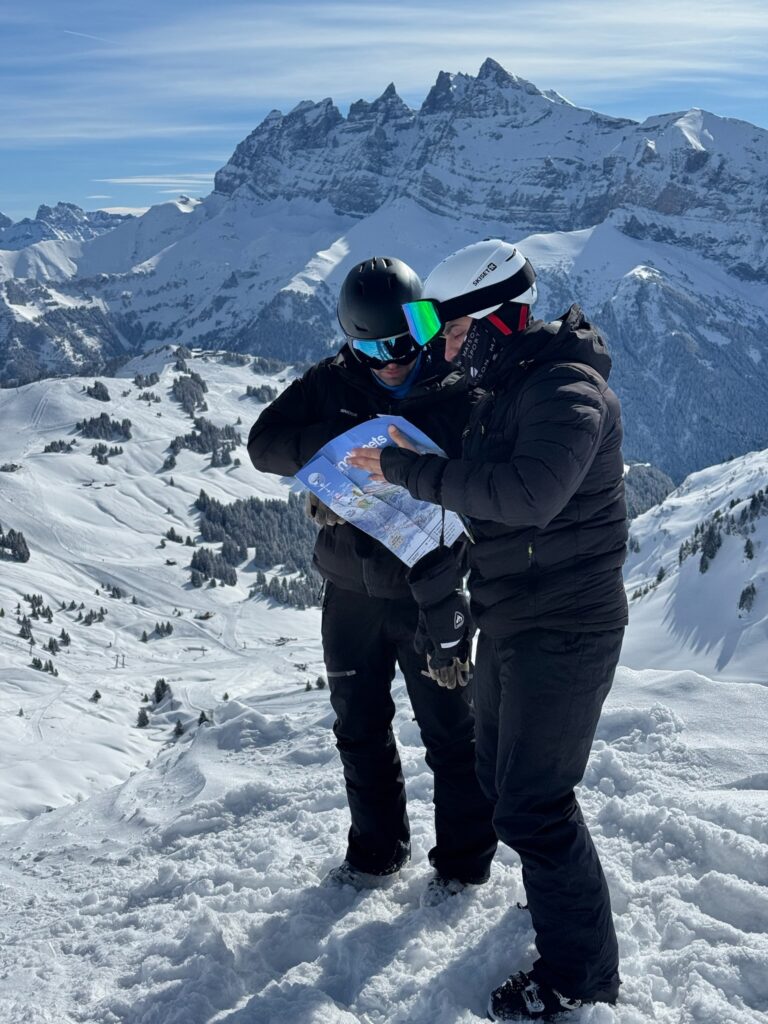
For observant Muslim travelers, for example, alcohol-focused après-ski may hold little attraction. Halal food may not always be readily identifiable in mountain resorts, while prayer times and facilities are unlikely to feature prominently in conventional ski vacation information.
There is also a more fundamental barrier: if skiing has never been part of your family’s vacation culture, how do you know where to start?
Ali identified exactly those issues.
In an interview with London Sport earlier this year, he explained that Muslims were not necessarily being prevented from skiing. Instead, the barriers included not having a community to ski with, not knowing how to get started and feeling that the traditional ski experience had not been designed with their needs in mind.
The response appears to demonstrate that there was pent-up demand. Burhan told London Sport that uptake had been higher than expected and that demand was already outstripping what the organisation could deliver.
From Après-Ski to “Après-Tea”
The Muslim Ski Club’s approach is not about changing skiing itself.
The mountain remains the mountain.
Instead, it looks at the elements surrounding the skiing experience.
The club describes its three pillars as Connect, Learn and Experience, bringing together community, instruction and travel.
Its approach can include halal catering, prayer-friendly itineraries and alcohol-free social activities. Burhan even describes the alternative to the traditional post-skiing scene as “Après-Tea over Après-Ski.”
The idea is simple but potentially significant.
Rather than asking a new customer to adapt entirely to an established ski culture, some aspects of the experience can be adapted to the customer.
For somebody contemplating their first ski vacation, traveling alongside people who understand the same cultural and religious requirements can also remove much of the uncertainty surrounding the trip.
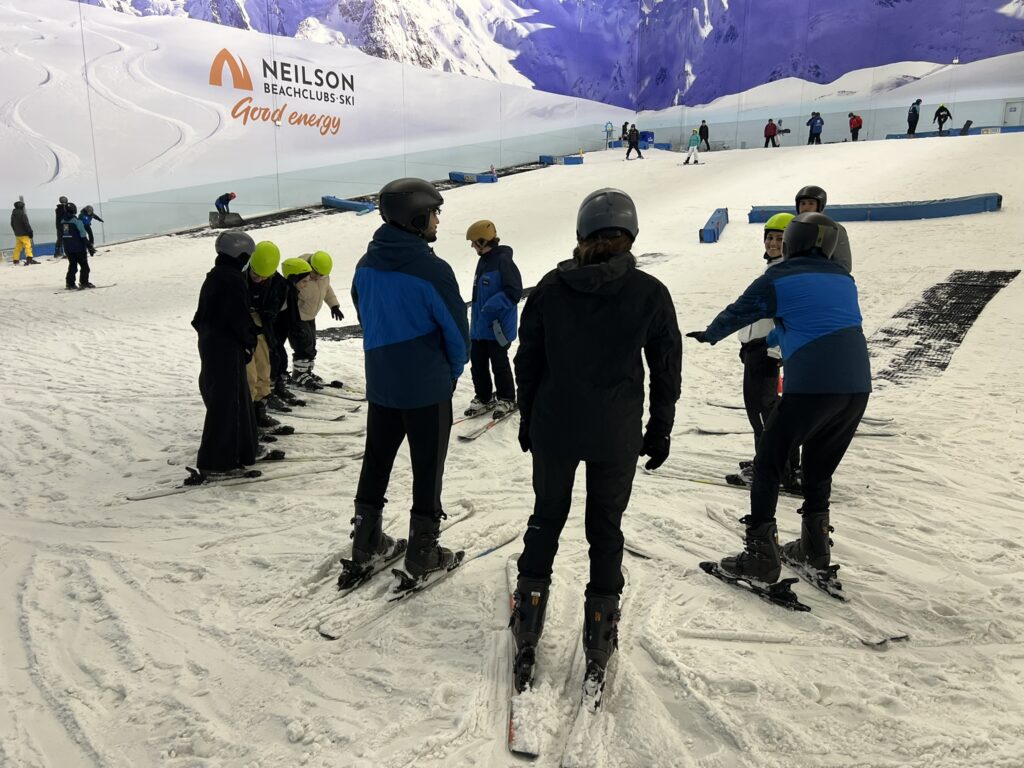
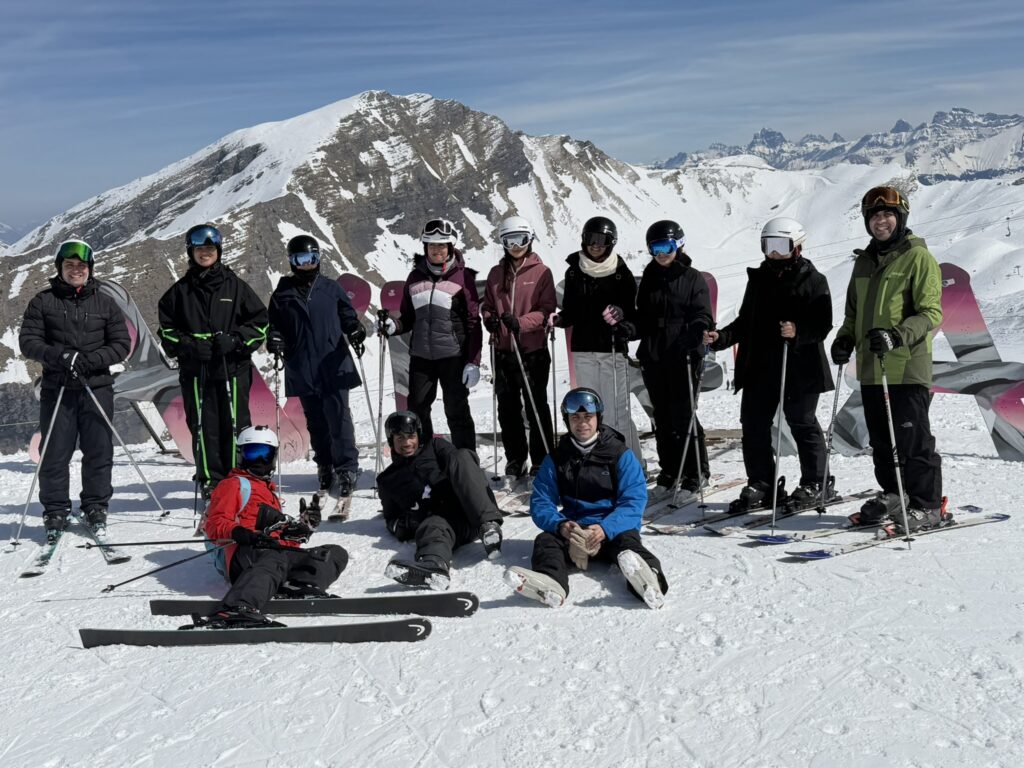
The club has already introduced new participants to snowsports through learning opportunities and organized mountain experiences, while developing a community extending beyond the ski vacation itself.
There Is a Lesson Here for Ski Resorts
For destinations, hotels and tour operators, the Muslim Ski Club offers an interesting case study in how genuinely new markets can be developed.
Reaching an underrepresented audience is not simply a marketing exercise.
Putting a Muslim family into an advertising campaign is unlikely, by itself, to create a new ski market.
The more important questions come afterward.
Can visitors easily find out whether halal food is available? Can hotels explain what they can provide? Is there somewhere appropriate to pray? Can an itinerary accommodate prayer times? Are there evening activities that do not revolve around drinking? And, perhaps most importantly, does a first-time visitor feel that this is a vacation designed for people like them too?
None of these necessarily requires major infrastructure investment.
Some require little more than understanding the customer, providing accurate information and making relatively small adjustments to the product.
That potentially makes Muslim ski tourism particularly interesting for resorts looking for new international markets.
Skiing Has Broadened Its Audience Before
There is an interesting historical parallel in North America — although it is a very different community with a very different history.
The National Brotherhood of Skiers, now the National Brotherhood of Snowsports, grew from a network of predominantly Black American ski clubs at a time when Black Americans were rarely seen on U.S. ski slopes.
In 1973, more than 350 skiers representing 13 Black ski clubs gathered in Aspen for what became known as the Black Summit. The organization that emerged from that gathering was chartered the following year.
Today, the organization represents a large network of clubs across the United States and continues to promote participation and athlete development in snowsports.
Its history illustrates something the ski industry has sometimes struggled to achieve through conventional marketing alone: community can itself become a gateway into the sport.
I saw some of that challenge firsthand while working in Crested Butte in the 1990s.
At the time, we were already trying to find ways to reach Black skiers. I remember promotional efforts featuring Black extreme skiers as we tried to show a different image of who belonged in the mountains.
Representation mattered, but converting representation into sustained participation was much more complicated.
Organizations such as the National Brotherhood of Skiers had already understood something important: people are not simply buying skiing. They are also looking for people to ski with, knowledge about how the experience works and a community in which they feel comfortable.
More than three decades later, the Muslim Ski Club is addressing some remarkably similar questions for another audience.
A Potentially Much Bigger Opportunity
The significance of the Muslim Ski Club therefore extends beyond one organisation or one community.
Ski resorts regularly debate how to attract new generations of skiers, how to diversify source markets and how to reduce their reliance on established customers.
Some of those future skiers may already be there.
The challenge may simply be that the industry has never seriously designed or communicated the product with them in mind.
For Muslim travellers, relatively straightforward changes — better information about halal dining, understanding prayer requirements, offering alternatives to alcohol-centered social activities and working with organisations that already have the trust of the community — could make mountain vacations considerably easier to navigate.
The Muslim Ski Club is effectively building that bridge from the other direction.
Its recent business award suggests that people outside the ski industry are noticing the opportunity as well.
For an industry continually searching for its next customer, perhaps the most interesting question is no longer simply where the next skiers will come from.
It may be:
Who have we not been talking to?
Sources
- Muslim Ski Club: About Us
- Muslim Ski Club: Founder’s Note
- Muslim Ski Club: Official Website
- London Sport: Interview with Burhan Ali, Founder of the Muslim Ski Club
- SME Bedfordshire Business Awards: 2026 Winners and Finalists
- National Brotherhood of Snowsports: Our Story
- National Brotherhood of Snowsports Eastern Region: History
Read More:
- So You Want to Take your Family Skiing this Winter but you do not know where to Start?
- Winter Tyres and Snow Chains Laws in Europe
- Driving to the Mountains in Severe Winter Conditions.
- New Ski Routes into the Alps: Why Airport Access is Becoming Part of the Alpine Battle.
- Must-Read Travel Guide to Crested Butte, Colorado.
- Must-Read Guide to Pila
- Must-Read Guide to Aosta
- Must-Read Guide to Courmayeur
- Must-Read Guide to Chamonix
Planning your next trip to the Italian Alps?
If you’re heading to the Aosta Valley, take a look at Il Cuore della Valdigne, our family-owned apartment in Morgex, available for rent when we’re not using it ourselves.
It’s an ideal base to:
- Ski in Courmayeur, La Thuile and Pila
- Enjoy the mountains in summer (hiking, biking, nature)
- Explore the Mont Blanc valley in a quieter, more authentic setting.
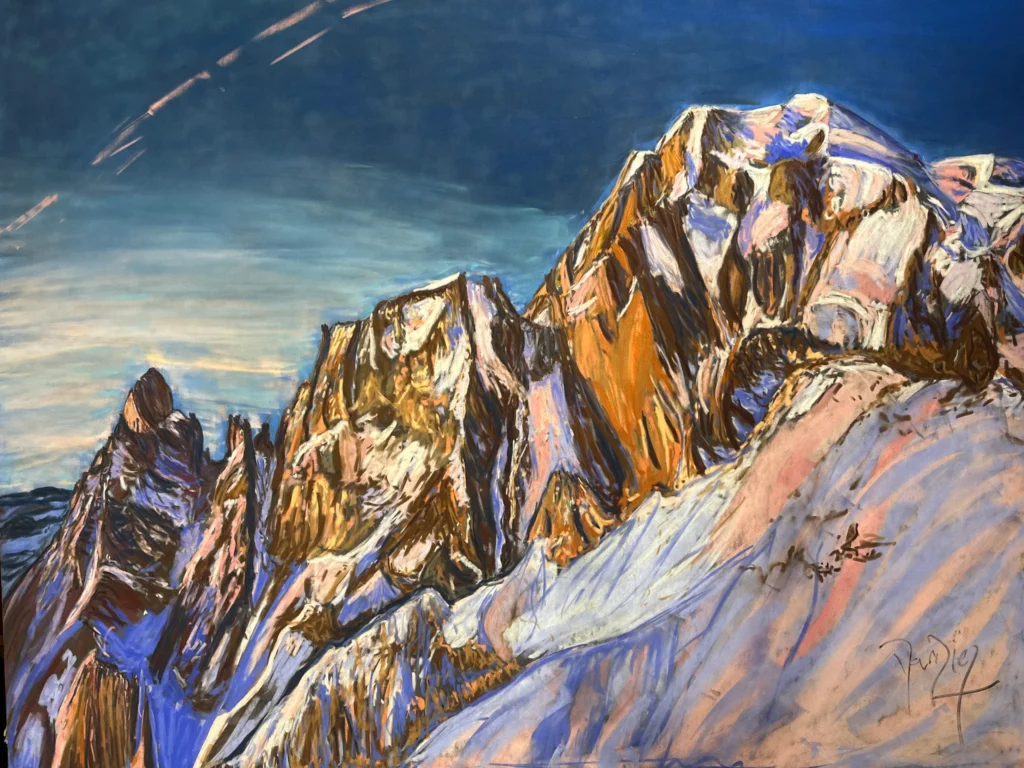
Check my Mountain Art on my Shop
You can go to my shop and see what have been inspiring me lately, lots mountain landscapes in soft pastels, and now in oils too. Go here to check my latest works!
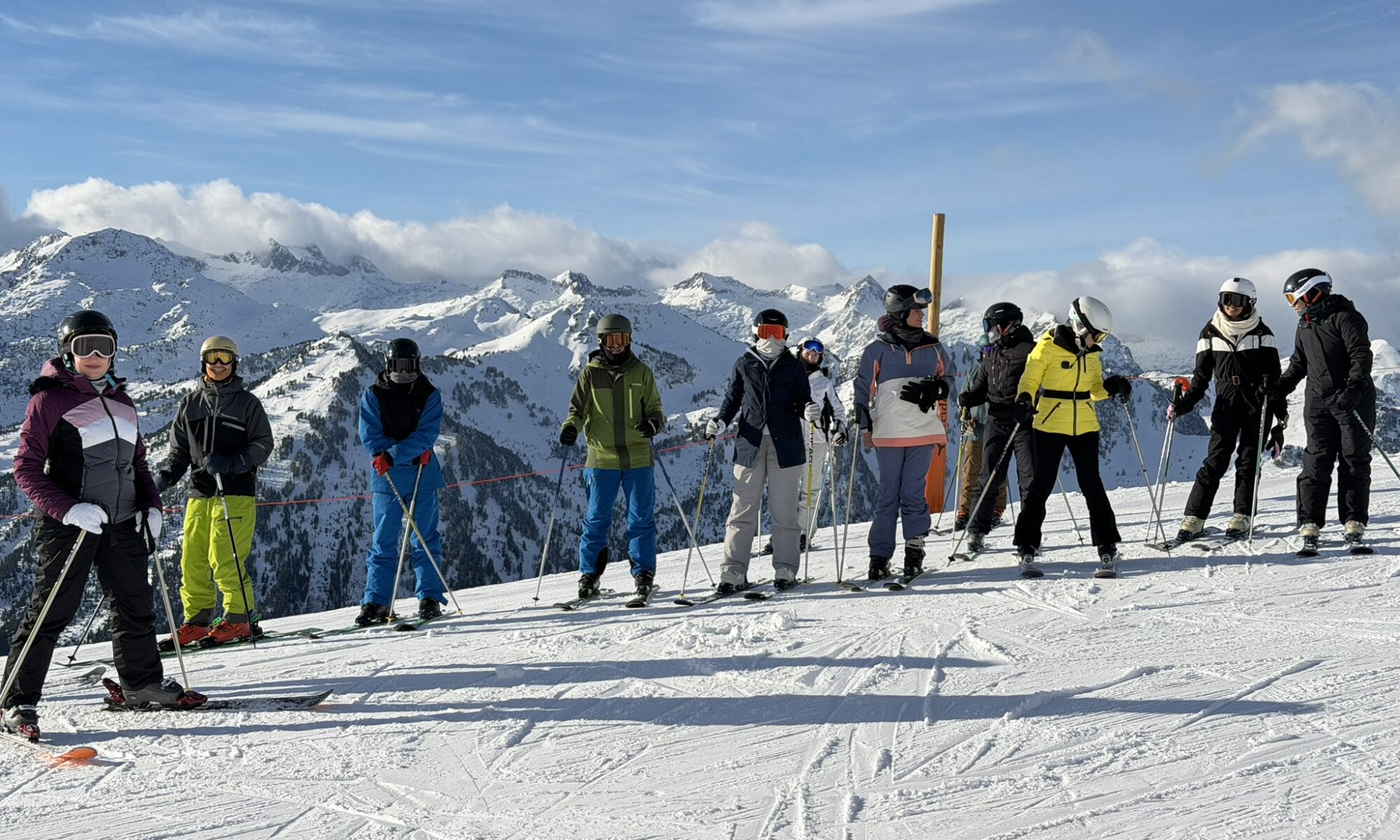
Featured Image: Members of the Muslim Ski Club on the slopes, helping create a more accessible and welcoming pathway into skiing for Muslim travellers. Photo: Muslim Ski Club


Discover more from The-Ski-Guru
Subscribe to get the latest posts sent to your email.
 Subscribe to The-Ski-Guru here.
You must be logged in to post a comment.