Are Investors Losing Faith in the Mega-Resort Ski Model?

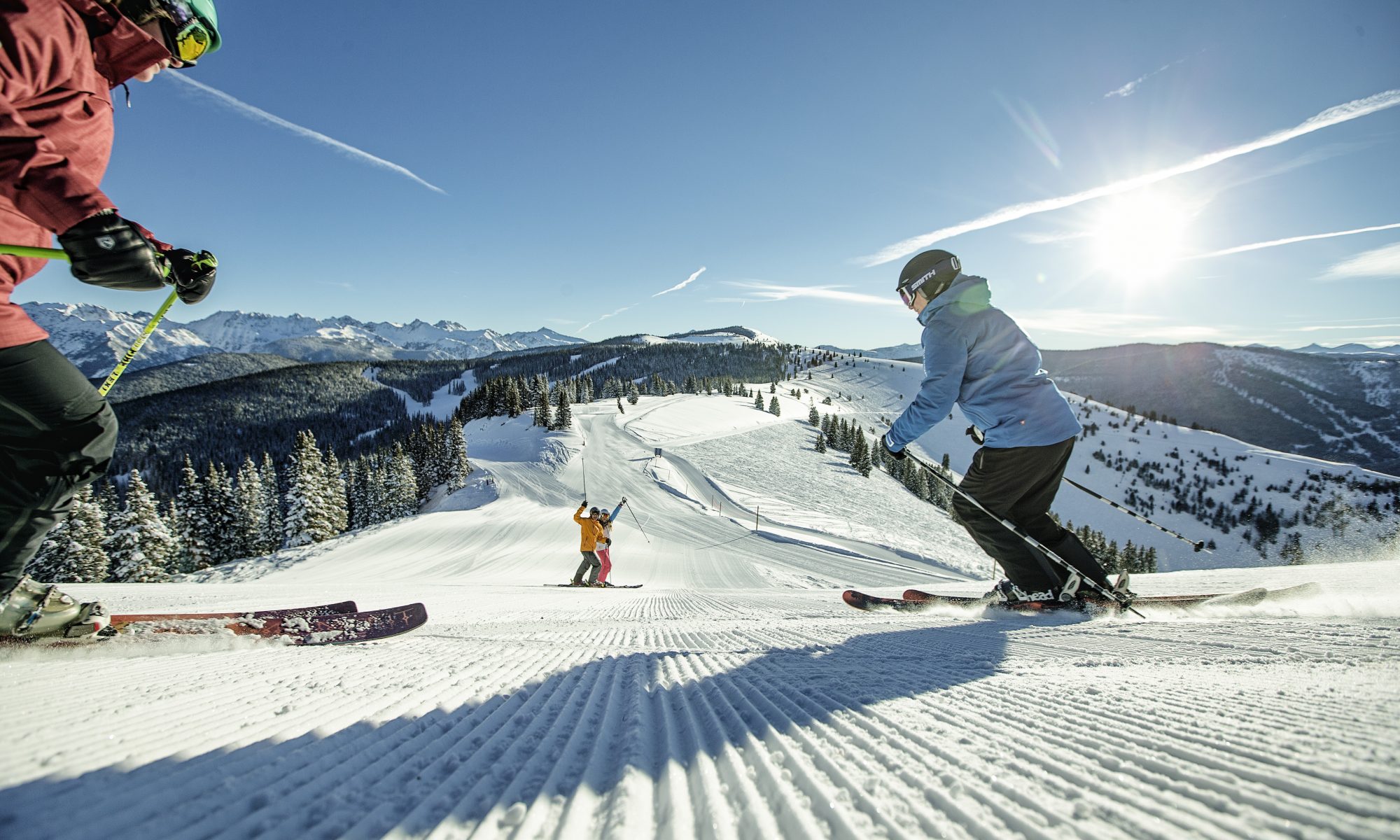
Friends Skiing Groomed Terrain in Vail, CO.. Photo: Daniel Milchev. Vail Resorts.

A recent filing showing that investment firm MSA Advisors sold its entire position in Vail Resorts may not be major news on its own. Institutional investors buy and sell shares every day. But in the context of the current ski industry landscape, the move raises broader questions about whether Wall Street is becoming more cautious about the future of the large destination ski resort model.

Over the past decade, Vail Resorts became one of the defining success stories of the modern ski industry. Through the growth of the Epic Pass, aggressive acquisitions, and expansion into Europe, the company transformed skiing into a subscription-style global business. Investors rewarded that strategy for years, helping turn Vail into one of the most valuable ski companies in the world.

But the environment facing ski resort operators in 2026 looks very different from the one that fuelled that expansion.

Continue reading “Are Investors Losing Faith in the Mega-Resort Ski Model?”
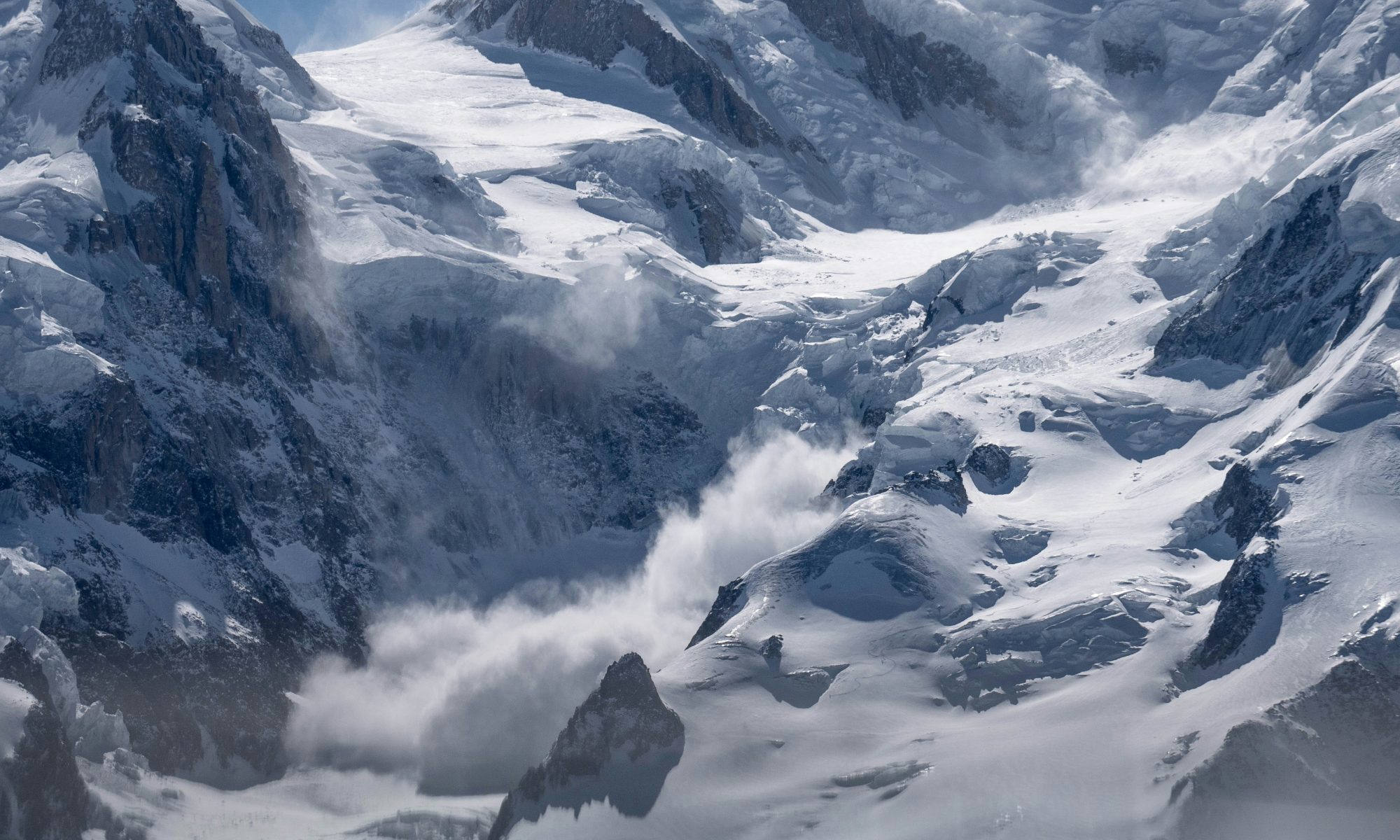
The European Avalanche Danger Scale May Change — What Skiers Should Know

Avalanche in Chamonix. Stock photo: Krzysztof Kowalik. Unsplash.

The European Avalanche Danger Scale, used across the Alps and most mountain regions in Europe, may soon receive an update aimed at making avalanche forecasts easier to understand. The system is the standard framework used in avalanche bulletins across Europe to communicate snowpack stability and avalanche risk.

The five familiar danger levels will remain the same. However, avalanche forecasters are reviewing how the scale is explained and communicated to the public, with the goal of improving clarity for skiers, snowboarders and backcountry users.

Avalanche danger levels such as Level 3 (Considerable) and Level 4 (High) are often misunderstood by recreational skiers. Many avalanche accidents occur under these conditions because the snowpack can still produce large human-triggered avalanches even when danger is not at the highest levels.

To support the work, the network of European avalanche forecasting agencies known as European Avalanche Warning Services (EAWS) has launched a public survey asking mountain users to evaluate new wording and descriptions used in avalanche bulletins.

Continue reading “The European Avalanche Danger Scale May Change — What Skiers Should Know”

Mountain Infrastructure Risk in the Alps & Pyrenees

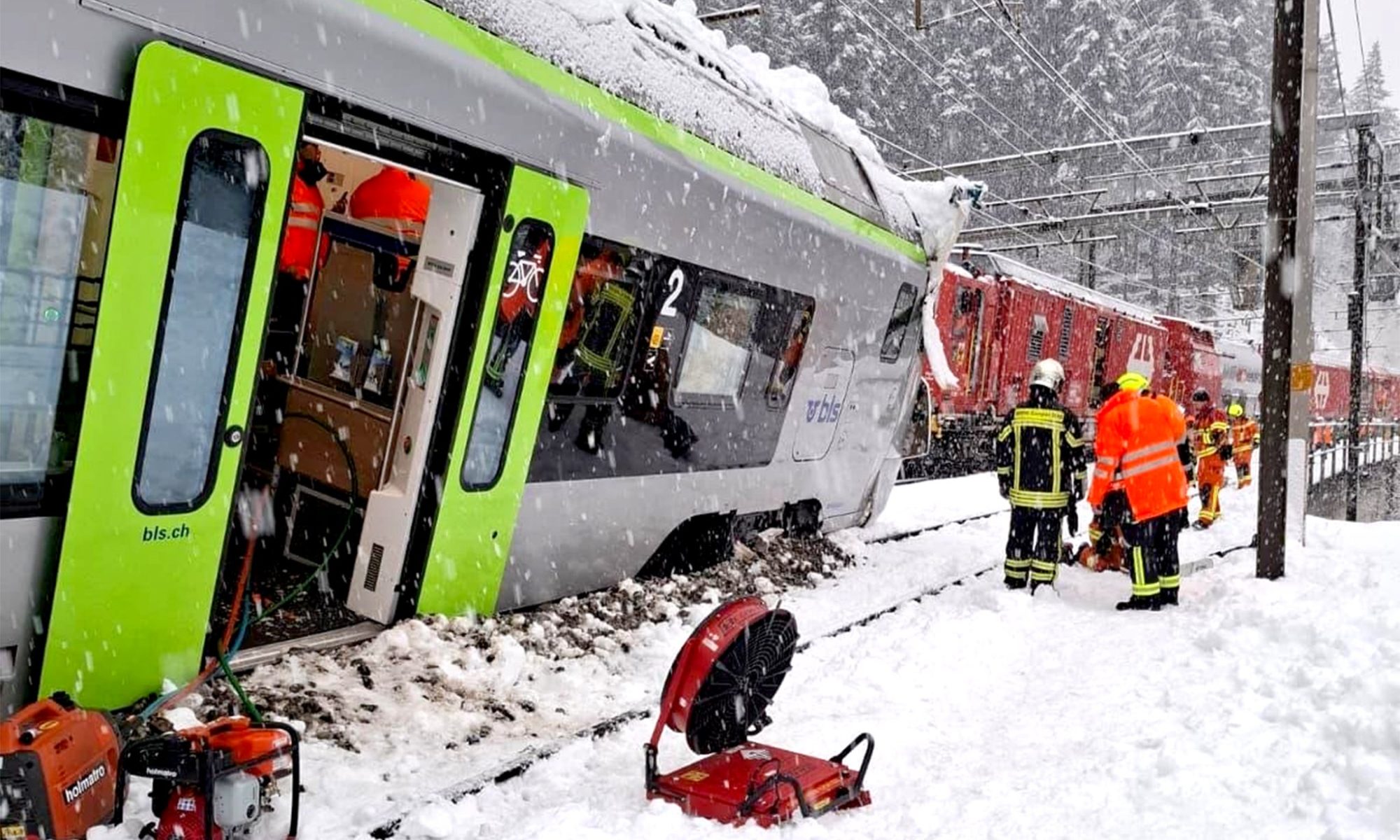
Mountain Infrastructure Risk in the Alps and Pyrenees – transport corridor vulnerability. Photo: Swiss Rail

Transport Disruptions, Climate Pressure & Cross-Border Vulnerability

Why Mountain Infrastructure Now Matters More Than Ever

Mountain Infrastructure Risk in the Alps and Pyrenees is becoming a defining issue for winter tourism, transport planning and climate adaptation. Road closures, rail disruption, avalanche cycles and Olympic logistics pressure are no longer isolated events — they are part of a structural pattern affecting mountain regions.

Mountain Infrastructure Risk in the Alps and Pyrenees is becoming a defining issue for winter tourism, transport planning and climate adaptation. Road closures, rail disruption, avalanche cycles and Olympic logistics pressure are no longer isolated events — they are part of a structural pattern affecting mountain regions, with growing implications for long-term demand dynamics within Alpine ski markets.
  • Rockfall and slope instability
  • Avalanche cycles
  • Freeze–thaw stress
  • Extreme precipitation events
  • Concentrated cross-border traffic dependency

Winter tourism economies rely on a limited number of valleys, passes and rail lines. When one corridor fails, the impact is immediate — economically, logistically and politically.

This hub consolidates coverage across these interconnected risks.

Many of these risks are linked to extreme weather in the Alps, where freeze–thaw cycles and heavy precipitation are increasing.

Continue reading “Mountain Infrastructure Risk in the Alps & Pyrenees”

Mountain Wildfires: Rising Risk in Colorado & the Alps

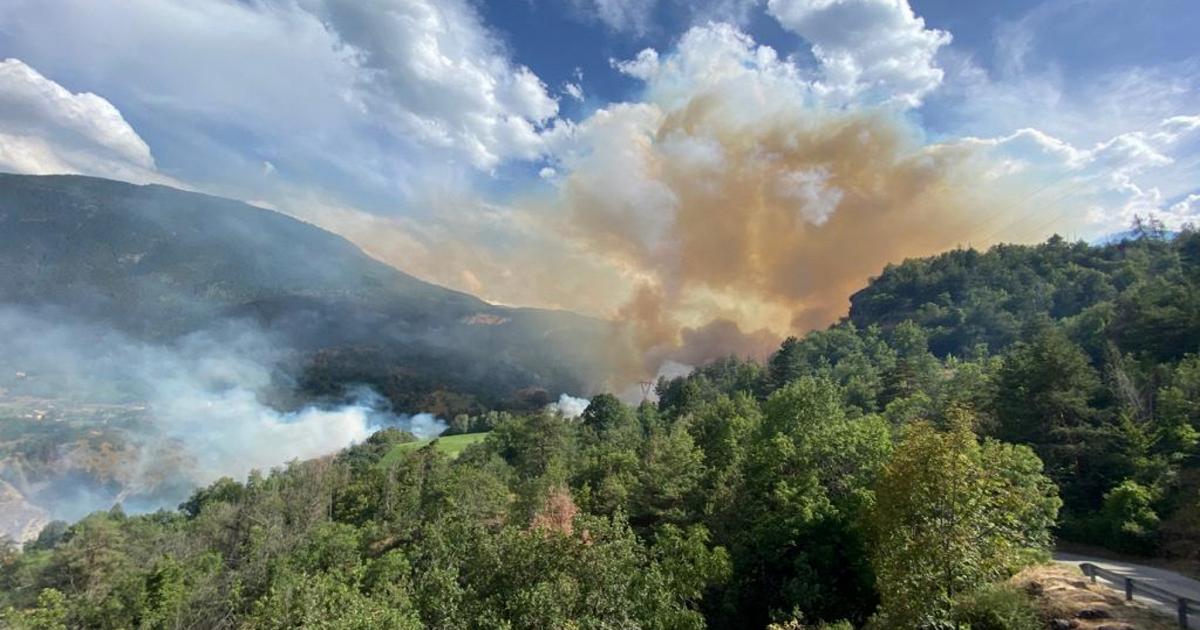
Fire in Aymavilles in the Aosta Valley in the summer of 2025. Photo: Rai News.

While much of this winter has focused on avalanche instability across the Alps, mountain regions elsewhere are facing a different but equally significant hazard: wildfire risk linked to changing climate patterns.

In the U.S. state of Colorado — particularly around high-elevation communities such as Aspen — authorities are increasingly concerned about longer fire seasons, drought stress and more extreme weather variability.

📈 A Growing Trend in Mountain Environments

Over the past two decades, Colorado has experienced:

  • Larger and more frequent wildfires
  • Fire seasons extending beyond traditional summer months
  • Increased drought and reduced snowpack
  • Stronger wind events contributing to rapid fire spread

Several of the largest wildfires in Colorado’s recorded history have occurred since 2000 — a shift widely linked to warmer temperatures and drier forest conditions.

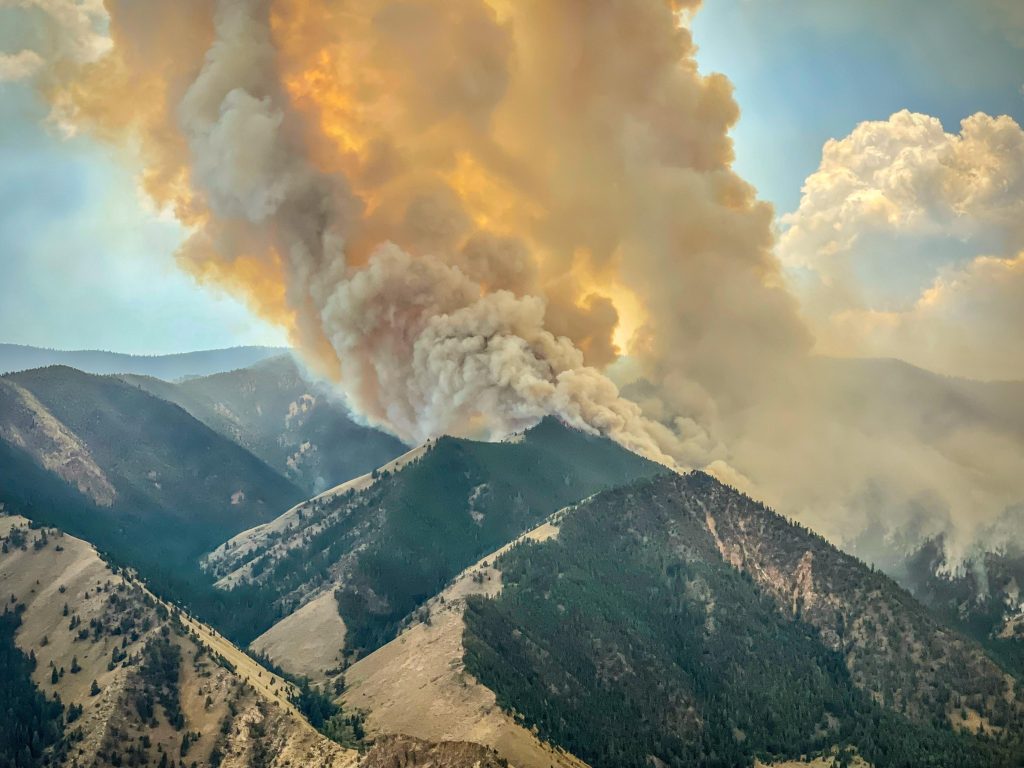
Moose Fire Idaho. July 2022. Sheena Waters/Aspen Public Radio photo. Wildfire risk in mountain regions.

🧠 Technology as Adaptation

In response, some mountain towns are now trialling AI-assisted camera and drone systems designed to detect wildfire smoke at a very early stage.

Continue reading “Mountain Wildfires: Rising Risk in Colorado & the Alps”

Avalanche Activity Across the Alps & Pyrenees: Widespread Instability Raises Concerns (11–12 January 2026)

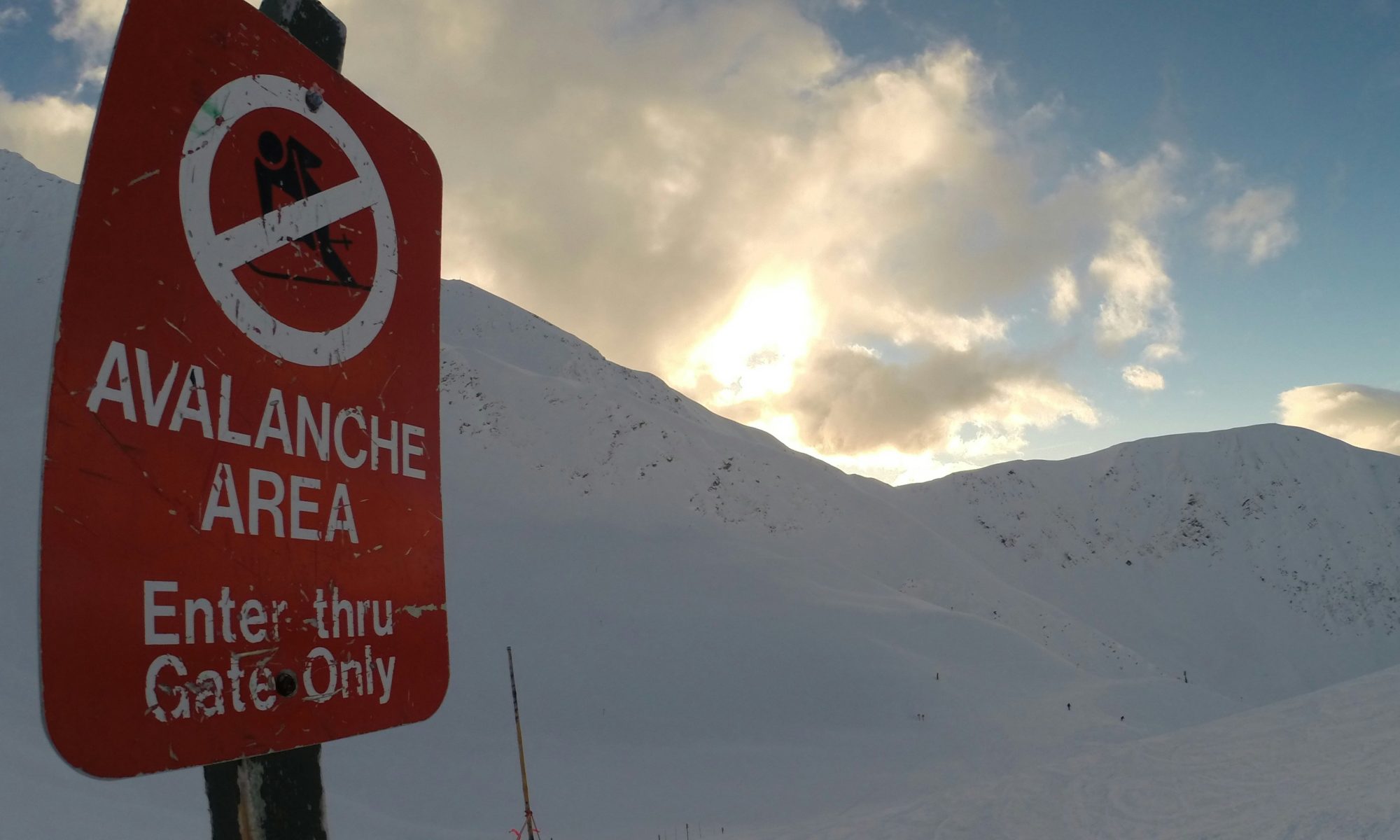
Avalanche danger sign. Photo: Bruce Warrington- Unsplash. Avalanche Activity Across the Alps & Pyrenees: Widespread Instability Raises Concerns (11–12 January 2026).

⚠️ A Concerning Weekend for Avalanche Safety in Europe’s Mountains

The weekend of 11–12 January 2026 saw a notable concentration of avalanche incidents and heightened warningsacross the Alps and the Pyrenees, affecting France, Italy, Switzerland and Austria.

Several skier-triggered avalanches, alongside spontaneous releases, confirm that snowpack instability remains widespread, particularly at higher elevations and on wind-loaded aspects.

This comes just days after fatal and serious avalanche incidents in the Aosta Valley, reinforcing the need for continued vigilance across all Alpine regions.

Continue reading “Avalanche Activity Across the Alps & Pyrenees: Widespread Instability Raises Concerns (11–12 January 2026)”

Foehn Winds and Rising Avalanche Risk in the Alps: What Skiers Need to Know

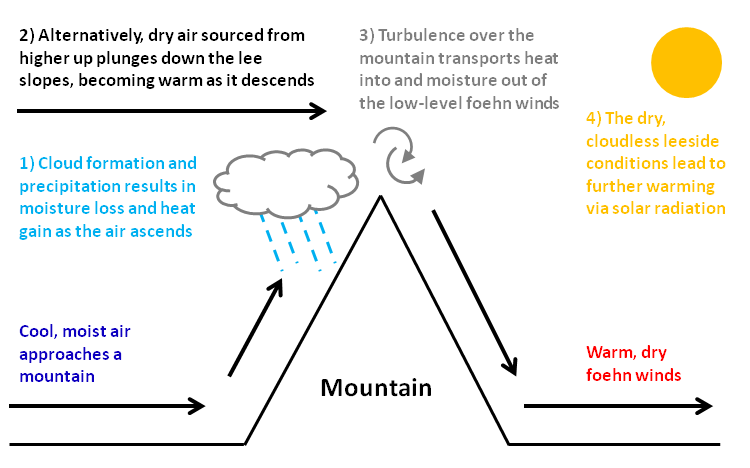
Foehn Wind graphic. Wikipedia. Foehn Winds and Rising Avalanche Risk in the Alps: What Skiers Need to Know.

🌬️ Why Foehn Winds Matter for Avalanche Safety

Foehn winds are a well-known meteorological phenomenon in the Alps, but their impact on avalanche risk is often underestimated by skiers and snowboarders.

While foehn conditions are sometimes associated with clear skies and warmer temperatures, they can significantly destabilise the snowpack, increasing the likelihood of dangerous slab avalanches, especially in off-piste and backcountry terrain.


What Are Foehn Winds?

Foehn winds are strong, dry downslope winds that occur when air masses cross the Alps and descend on the leeward side, warming rapidly as they lose moisture.

They are common across:

  • Italian Alps
  • Swiss Alps
  • Austrian Alps
  • French Alps

In Italy, foehn is often referred to as favonio, while in Austria and Germany it is known as Föhn.


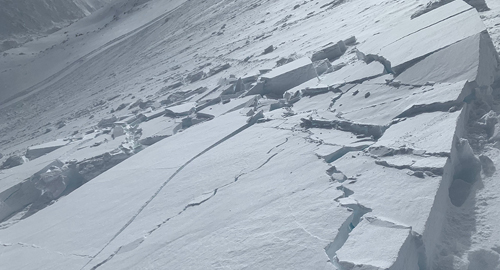
Wind slab. Scottish Avalanche Information Service. Sais.gov. Foehn Winds and Rising Avalanche Risk in the Alps: What Skiers Need to Know.

Continue reading “Foehn Winds and Rising Avalanche Risk in the Alps: What Skiers Need to Know”

Switzerland’s Alps Face a Hotter, Wilder Future

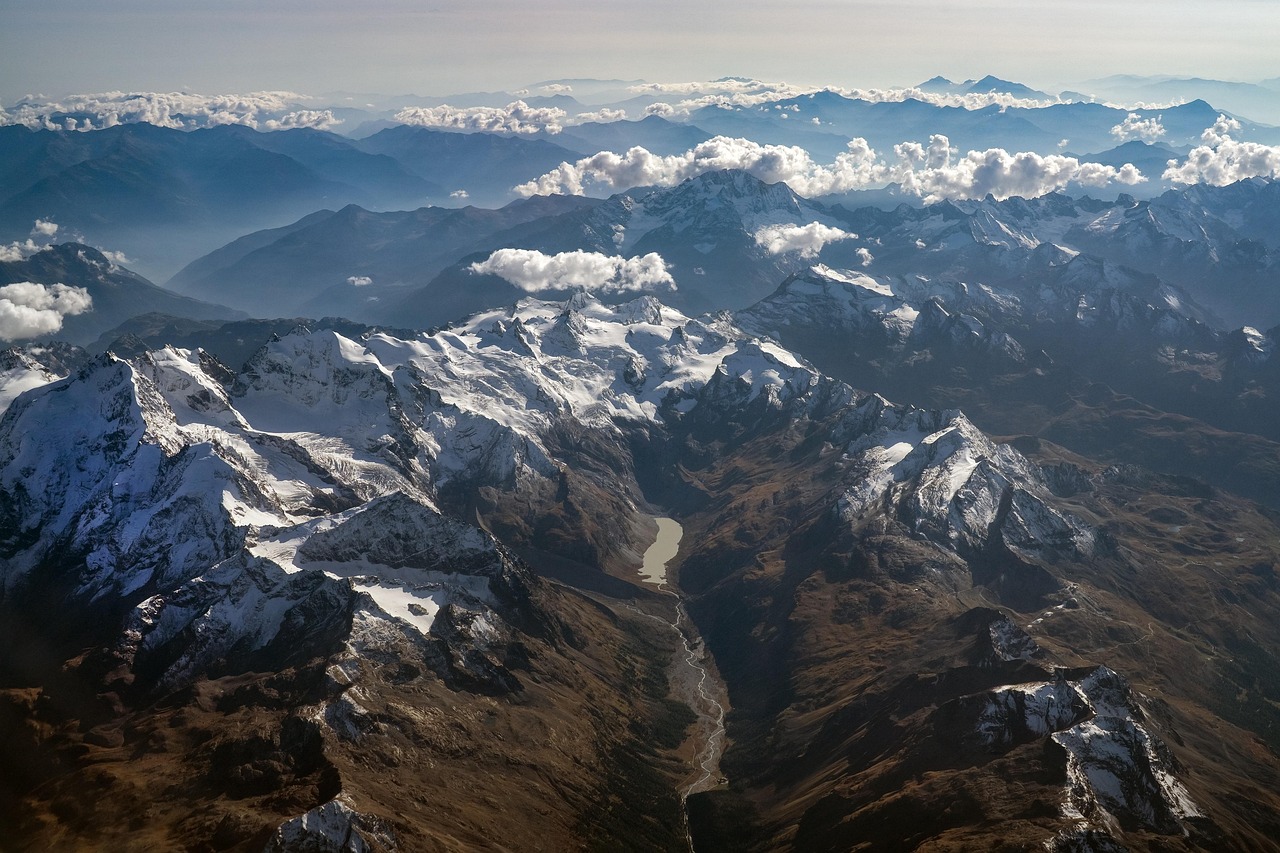
Switzerland’s Alps Face a Hotter, Wilder Future. Photo: Pixabay Markus Kammermann.

Switzerland Braces for a Hotter, Wilder Future — What It Means for the Alps

Switzerland’s Alps are heating up nearly twice as fast as the global average. The new CH2025 Climate Report by MeteoSwiss and ETH Zurich reveals what this means for our mountains — and for those who love them.


🇨🇭 A Country Warming Twice as Fast

Switzerland — famous for its snow-covered peaks and pristine valleys — has already warmed by 2.9°C since pre-industrial times, compared with around 1.3°C globally. According to the CH2025 Climate Report, the country faces a future of hotter summers, heavier storms, and rising snowlines that could reshape mountain life and tourism.

☀️ More Heatwaves — Even in the Mountains

Extreme heat events have become far more common in the past 25 years, and this trend is accelerating. The report warns that a day as hot as those that used to occur once every 50 years could now happen every three years or more. Cities like Zurich, Geneva, Basel and Lugano are expected to see far more “tropical nights,” when temperatures never drop below 20°C. Even Alpine valleys will experience unprecedented heat stress.

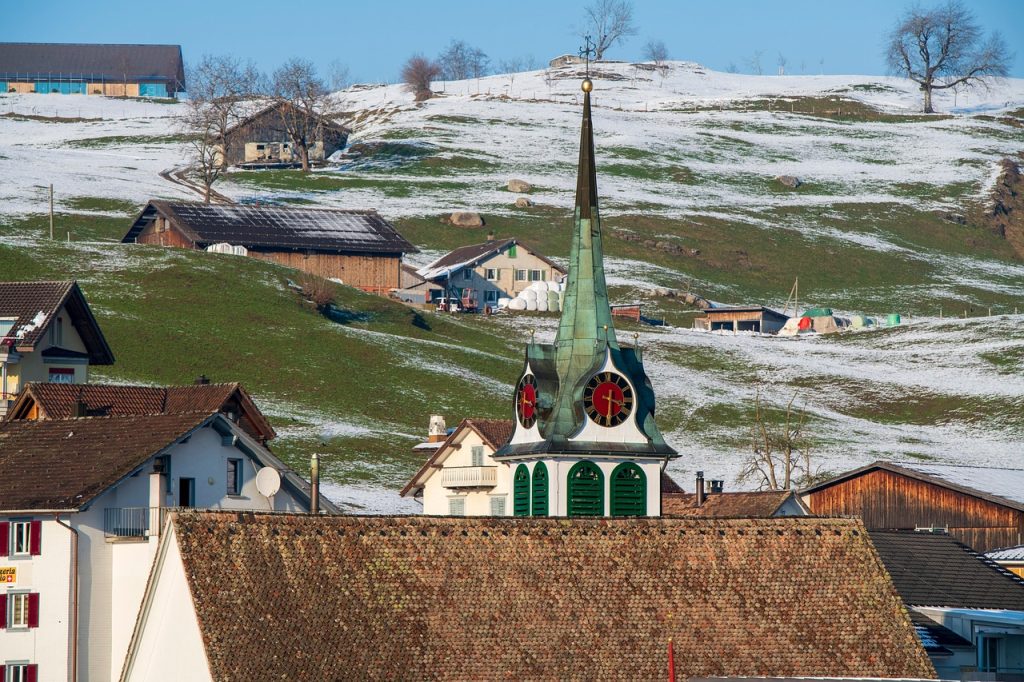
Lower elevations in Switzerland are destined to not have more snowy winters. Photo: Josef Farago. Pixabay. Switzerland’s Alps Face a Hotter, Wilder Future

🌾 Drier Summers Ahead

Summers are projected to become significantly drier due to increased evaporation and reduced rainfall. A drought that once happened once a decade could strike three times as often and with 44% greater intensity. Forest fire risk is rising sharply, particularly in Valais, Ticino, and parts of Graubünden.

Continue reading “Switzerland’s Alps Face a Hotter, Wilder Future”

Summer in the Mountains? Yes, please!

The views from a Sentiero up from Chabodey, up from La Salle in the Aosta Valley. Photo: The-Ski-Guru

Our account of our summer in the mountains

This article may contain affiliate/compensated links. For full information, please see our disclaimer here. 

 
School was off, and we were ready to leave! But then my husband got the Covid bug, so we needed to postpone… Bummer! But it was the weekend of chaos at the Port of Dover and Eurotunnel- maybe it was a blessing in disguise….. Our summer in the mountains was going to be postponed for five days.
 
Five days later, we left early to get in the road- thinking it could be difficult to get to the Eurotunnel on the M20. Plus, when I’ve changed the ticket for the Tuesday, it was so late, that all was sold out. I have to conform myself with a 2.20 PM departure. Not the best, as if there are any problems, they tend to accumulate during the day!

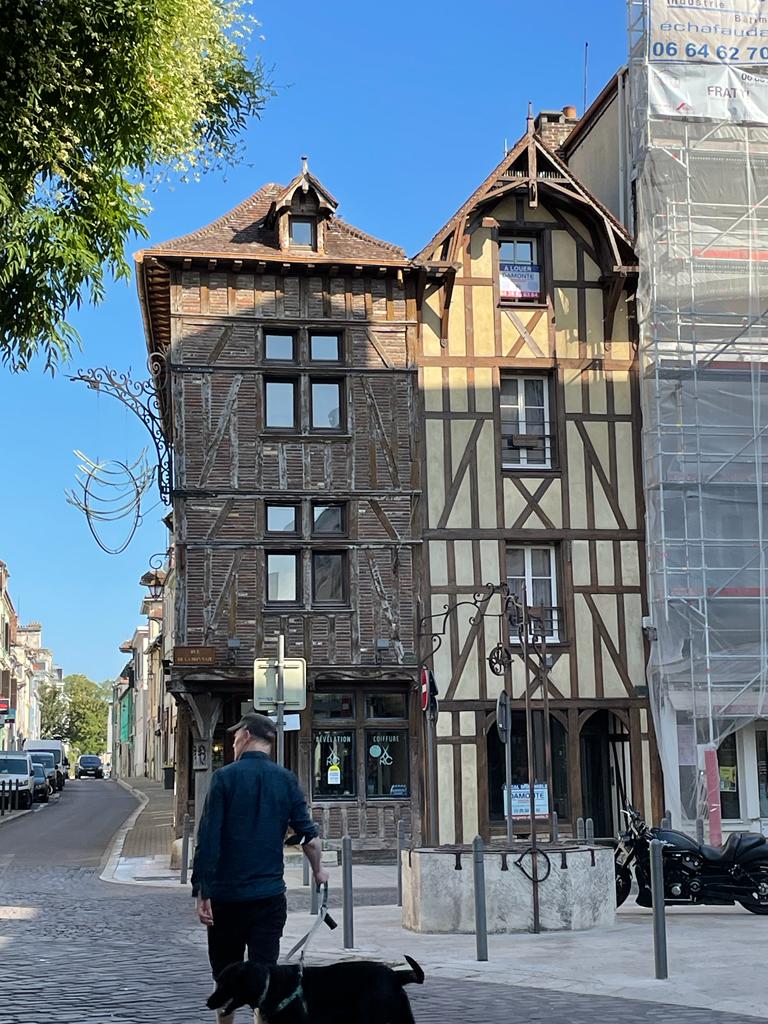
Troyes is a lovely medieval town, a great spot for a night over on route to the mountains. We've stayed at the Brit Hotel Comte de Champagne. Book your room at the Brit Hotel Comte de Champagne here Photo: The-Ski-Guru.
Troyes is a lovely medieval town, a great spot for a night over on route to the mountains. We’ve stayed at the Brit Hotel Comtes de Champagne. Book your room at the Brit Hotel Comtes de Champagne here Photo: The-Ski-Guru. Summer in the Mountains? Yes, please!

 
As we were leaving a bit late, and estimating that we could take for ever to cross the Channel, we aimed to make it to Troyes. Normally, we go to Chaumont, which we are doing in a good time, have a nap and a lovely afternoon and evening in this lovely city.

Continue reading “Summer in the Mountains? Yes, please!”

Comparing the Maps of the Alps.

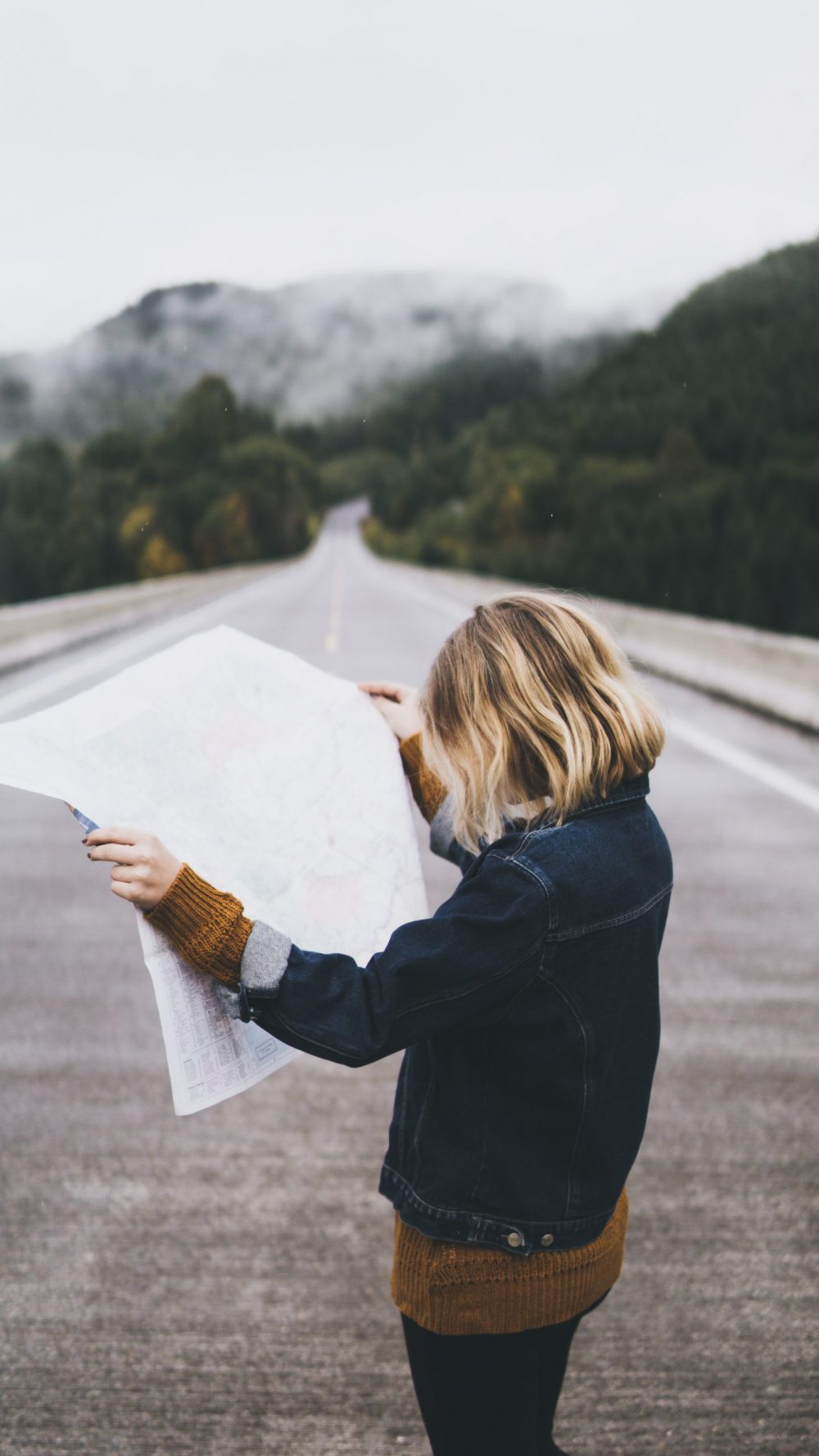
Comparing the Maps of the Alps.Photo by Alice Donovan Rouse. Unsplash.

Comparing the Maps of the Alps.

This article may contain affiliate/compensated links. For full information, please see our disclaimer here.

Now that the weather is nicer, maybe it is time to plan your next mountain adventure. You can sit in your garden, enjoying the sunny days we are having (at least in Britain) during this Covid19 epidemic and start taking your time, as a hobby, of thinking where your next road trip will be.

For me, it will always be to a mountain, and it will mostly be by car. Unless I travel to America (both North and South), I prefer, if possible, to take the car as driving to the mountains, is part of the trip.

Comparing the Maps of the Alps. Photo by Daniel Gonzalez. Unsplash.

So, I always like opening some maps and guides and see what I want to do. I just measure with my fingers the driving we’ll do as a family on one day- actually, the driving my husband will do, as for me it is too traumatising to change sides of the road again. I did it once from Argentina to the UK and I still have to think each time I drive, which side of the road I have to get in, and what side of the car I have to mount to! But I am a great co-pilot, and enjoy the planning of the trip, as much as the guiding.

Here is a selection of maps, many of which I have already bought- (you cannot ever have enough maps, right?) I might not spend too much in shoes, but I do like my maps, and some travel guides as well!

Continue reading “Comparing the Maps of the Alps.”

Driving to the Mountains

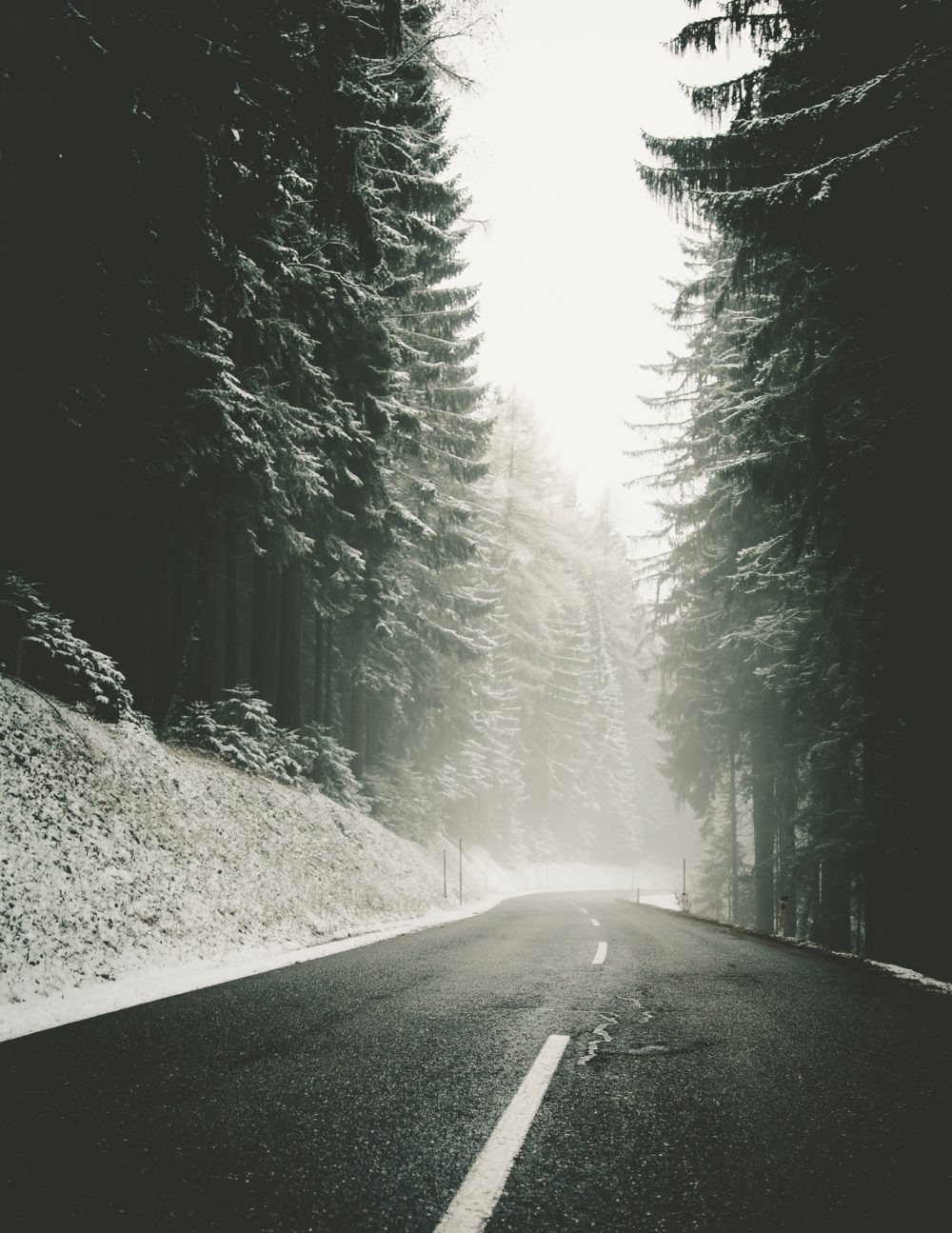
Snowy landscape - Photo by Khurt Williams - Unsplash. Driving to the mountains.

Driving to the mountains, in this case to the Alps from the UK is a very good option if you are carrying your family and you do not want to break your bank account to go skiing.

Driving to the mountains - Daniel Kainz photography - Unspalsh.com
Driving to the mountains – Daniel Kainz photography – Unspalsh.com

There are two ways to cross the channel – via a ferry or using the Eurotunnel- the Eurotunnel is great as it only takes 35 minutes to get to Calais from Folkestone.

Continue reading “Driving to the Mountains”