High above the famous French ski resort of Courchevel, a giant artificial water reservoir built to support snowmaking operations is now raising serious concerns about Alpine infrastructure stability in a warming climate.
The reservoir, located above the village of La Tania at around 2,270 metres altitude, was constructed to supply artificial snow for the new Éclipse piste, developed for the 2023 Alpine World Ski Championships and linked to preparations for future international winter sports events. But according to recent investigations by Le Monde, the structure is now subsiding at an alarming rate.
A recent filing showing that investment firm MSA Advisors sold its entire position in Vail Resorts may not be major news on its own. Institutional investors buy and sell shares every day. But in the context of the current ski industry landscape, the move raises broader questions about whether Wall Street is becoming more cautious about the future of the large destination ski resort model.
Over the past decade, Vail Resorts became one of the defining success stories of the modern ski industry. Through the growth of the Epic Pass, aggressive acquisitions, and expansion into Europe, the company transformed skiing into a subscription-style global business. Investors rewarded that strategy for years, helping turn Vail into one of the most valuable ski companies in the world.
But the environment facing ski resort operators in 2026 looks very different from the one that fuelled that expansion.
Across the Alps, a growing number of ski destinations are facing the same difficult question: can smaller mountain municipalities still afford to develop and modernise ski infrastructure on their own?
Two recent stories from northern Italy suggest the Alpine ski industry may be entering a new phase — one defined less by endless expansion and more by consolidation, selective investment and regional cooperation.
In Lombardy, the municipality of Valfurva recently abandoned plans for a new lift connection linking the valley more directly to Bormio’s ski area. The proposed project, intended to connect the S. Antonio/S. Nicolò area with the Bormio slopes, had already secured part of its public funding but ultimately failed to move forward because the remaining financing and permitting timelines proved too difficult to complete. Local officials described the decision as “painful, but inevitable.”
Mountain Capital Partners has announced plans for a major US$17.5 million investment aimed at modernising Chilean ski resorts La Parva and Valle Nevado, in what could become one of the most significant ski infrastructure projects in South America in recent years.
This is as part of a wider US$37.5 million capital-improvement programme across its portfolio.
Correction: An earlier version of this article stated that the planned investment was US$175 million. The correct figure is more than US$17.5 million for Valle Nevado and La Parva, as part of MCP’s wider 2026 capital-improvement programme.
The investment is designed to strengthen the connection and operational integration between the two resorts, creating a larger and more internationally competitive ski domain in the Andes above Santiago. The project reflects a broader global trend already visible across North America and parts of Europe, where ski operators are increasingly investing in interconnected terrain, upgraded lift systems, snowmaking infrastructure, and year-round destination appeal.
What Overcrowded Slopes, High-Speed Lifts & Artificial Snow Mean for Your Safety
Too Many Skiers on the Slopes? Crowding, Speed & Safety Explained
If you’ve skied during peak weeks in recent seasons, you’ve probably felt it: busier slopes, faster lifts, more people moving at very different speeds — all at once.
While skiing has always involved risk, many skiers are now asking a valid question:
Are modern ski resorts becoming less safe — not because of the mountains, but because of how many of us are on them at the same time?
Let’s break this down in a realistic, skier-to-skier way, without panic — just facts, context, and common sense.
Snowstorm Arrives as the Aosta Valley Prepares First Ski Openings
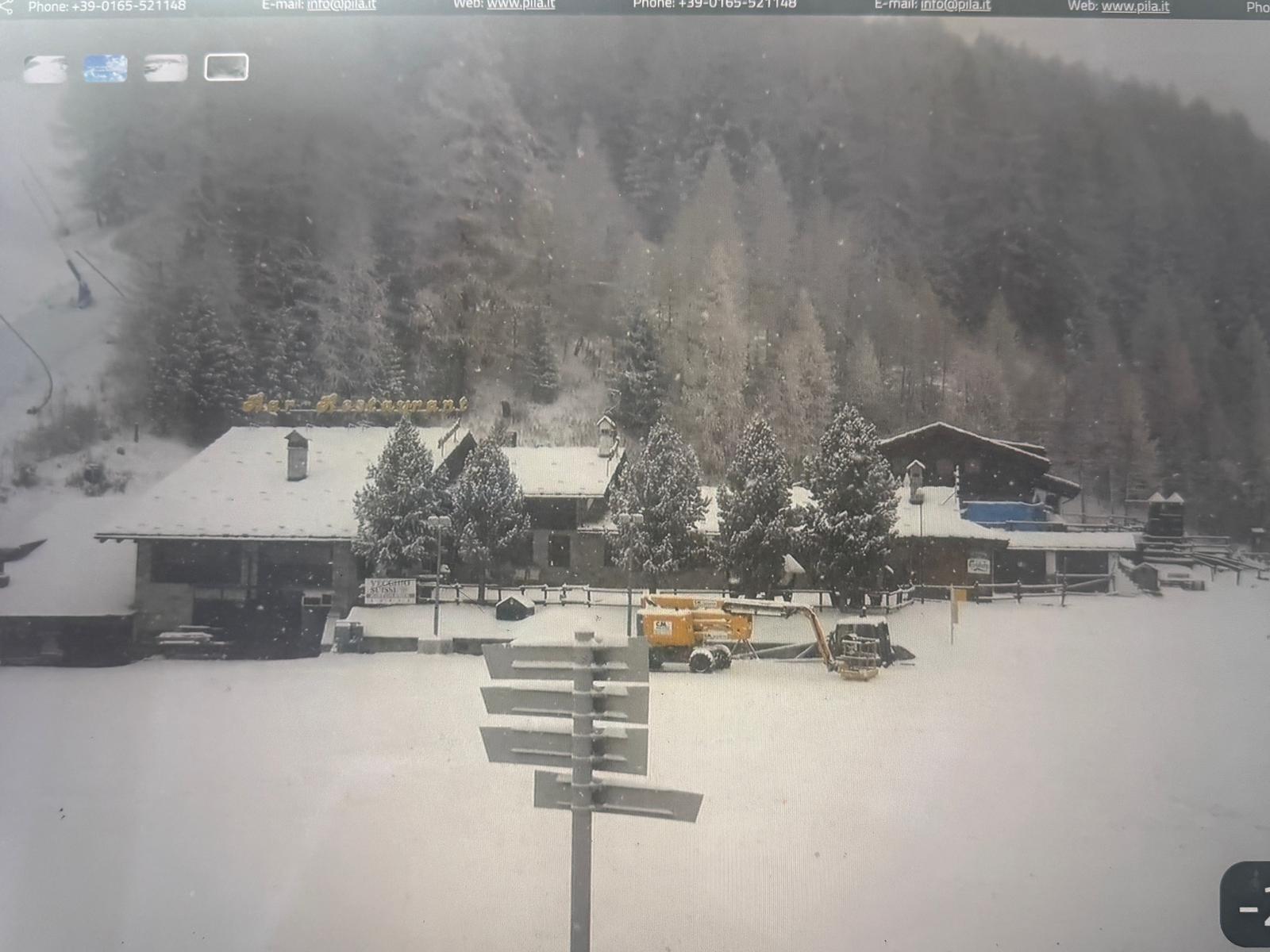
Last week, the Aosta Valley still carried traces of autumn. From the villages, you could see the mix: white stripes of freshly prepared pistes, surrounded by brown slopes that hadn’t yet received any snowmaking. But as soon as temperatures dropped, every resort across the valley switched on its snow-guns at full power.
For days, the mountains echoed with the soft hum of snowmaking, and little by little the ski runs began to glow. By the weekend, the prepared areas looked like a true winter paradise — brilliant white ribbons winding down the mountains. The higher ridges and ungroomed sections, still untouched, remained brown… but that contrast might disappear very soon.
Because today, a major snowstorm is forecast.
And with the man-made base already in place, this natural snowfall could be the moment the entire valley slips into full winter mode.
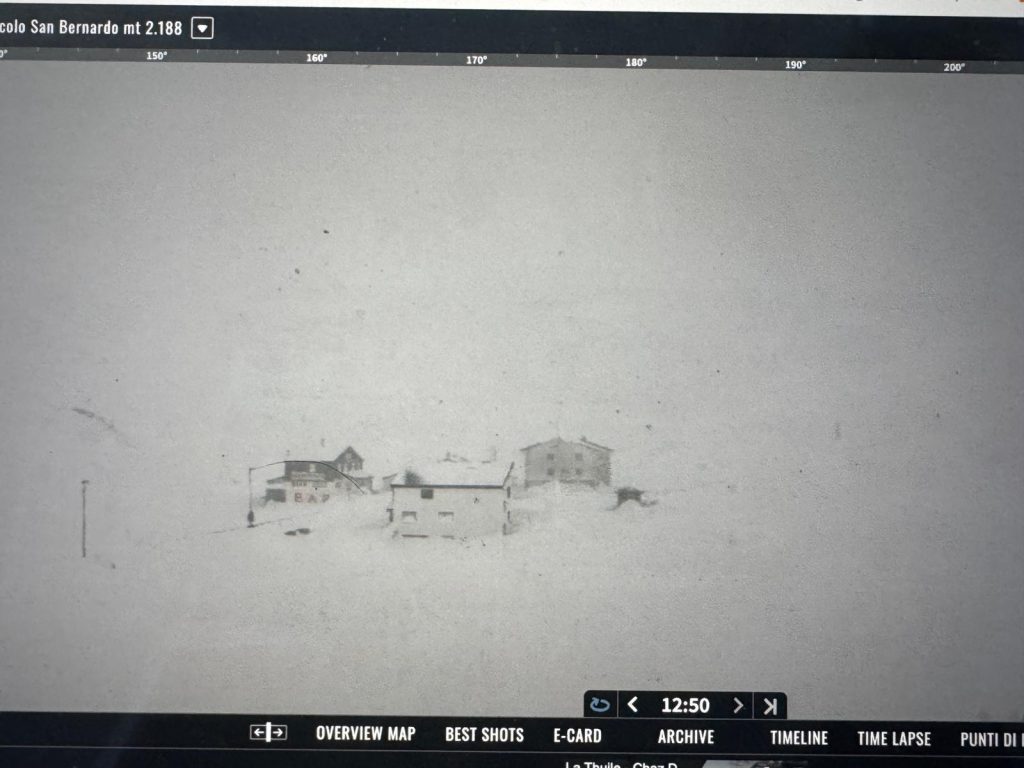
The Petit St Bernard Pass today 24 Nov. La Thuile webcam. A Snowstorm Is Rolling Into the Aosta Valley — and Winter Is Finally Taking Over.
What’s Opening and When
The storm also arrives just as resorts begin to announce their first official openings:
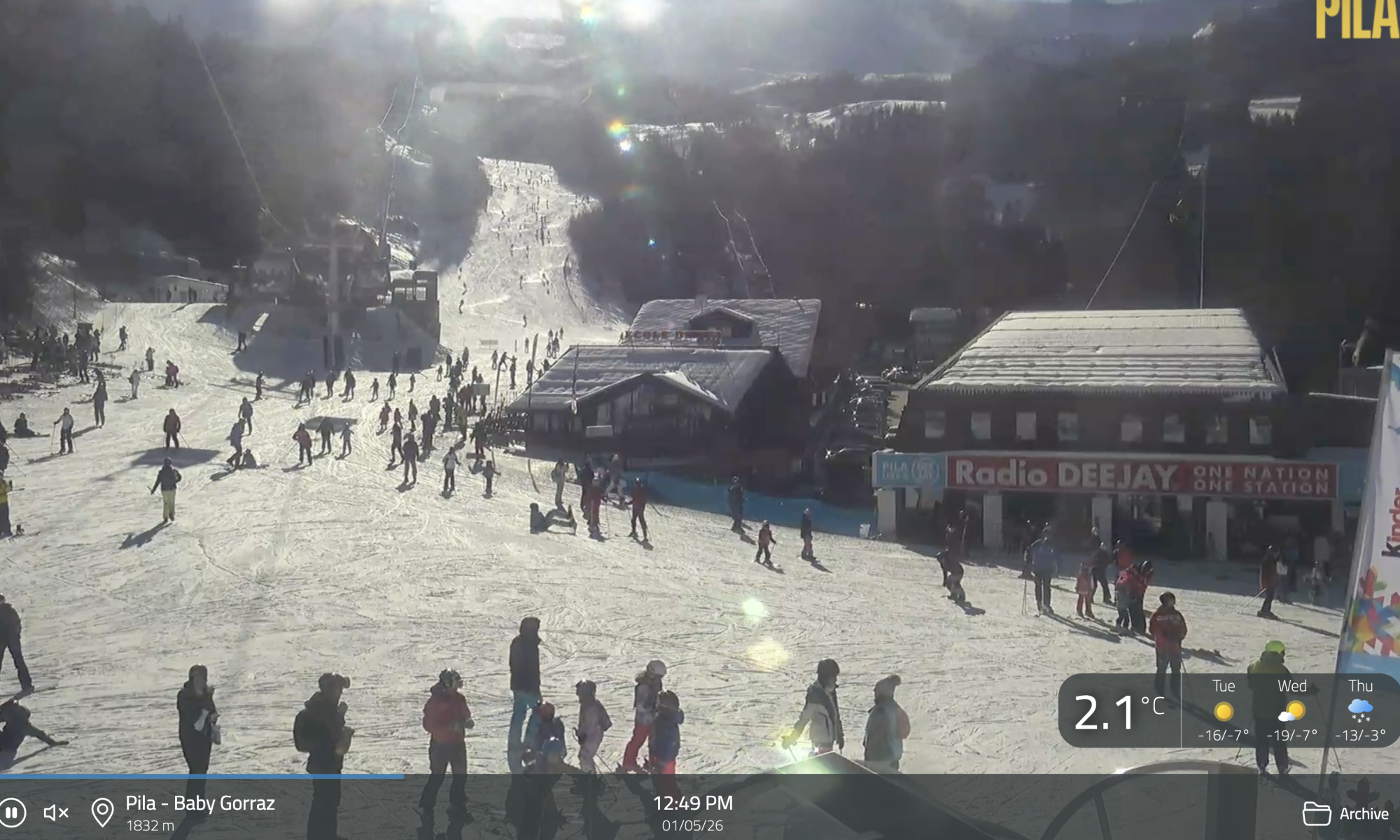
Pila is planning to open Friday, 28 November.
La Thuile and Courmayeur are set to follow on Saturday, 29 November.
With snow already covering the pistes thanks to last week’s snowmaking, and more snow arriving today, the timing couldn’t be better.
You can expect ski patrol, snowcat groomers and mountain crews to be working around the clock — compacting the new snow, adding more artificial snow on top, and building a strong, durable base that will hold through the season.
How Fast Can Ski Resorts Make Snow? Modern Snowmaking, Temperatures and Costs Explained
Warm starts to winter are becoming the norm, not the exception. Yet every autumn, some ski resorts still manage to open with a decent snow base and a white ribbon of snow, even when the surrounding hillsides are brown.
So: how fast can a modern ski area actually build a skiable base when there’s no natural snow? What temperatures do they need, how much water and energy does it take, and what happens when it’s too warm even for snow guns?
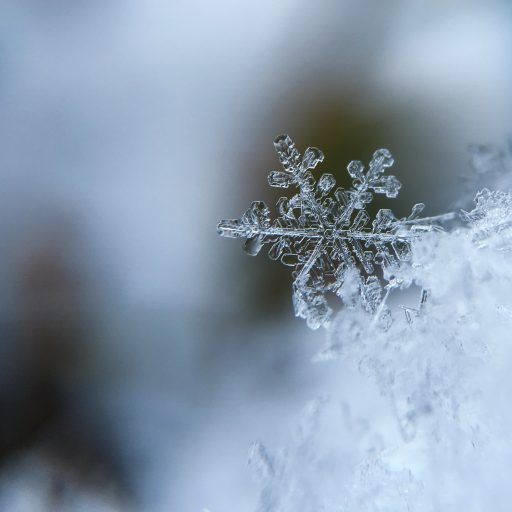
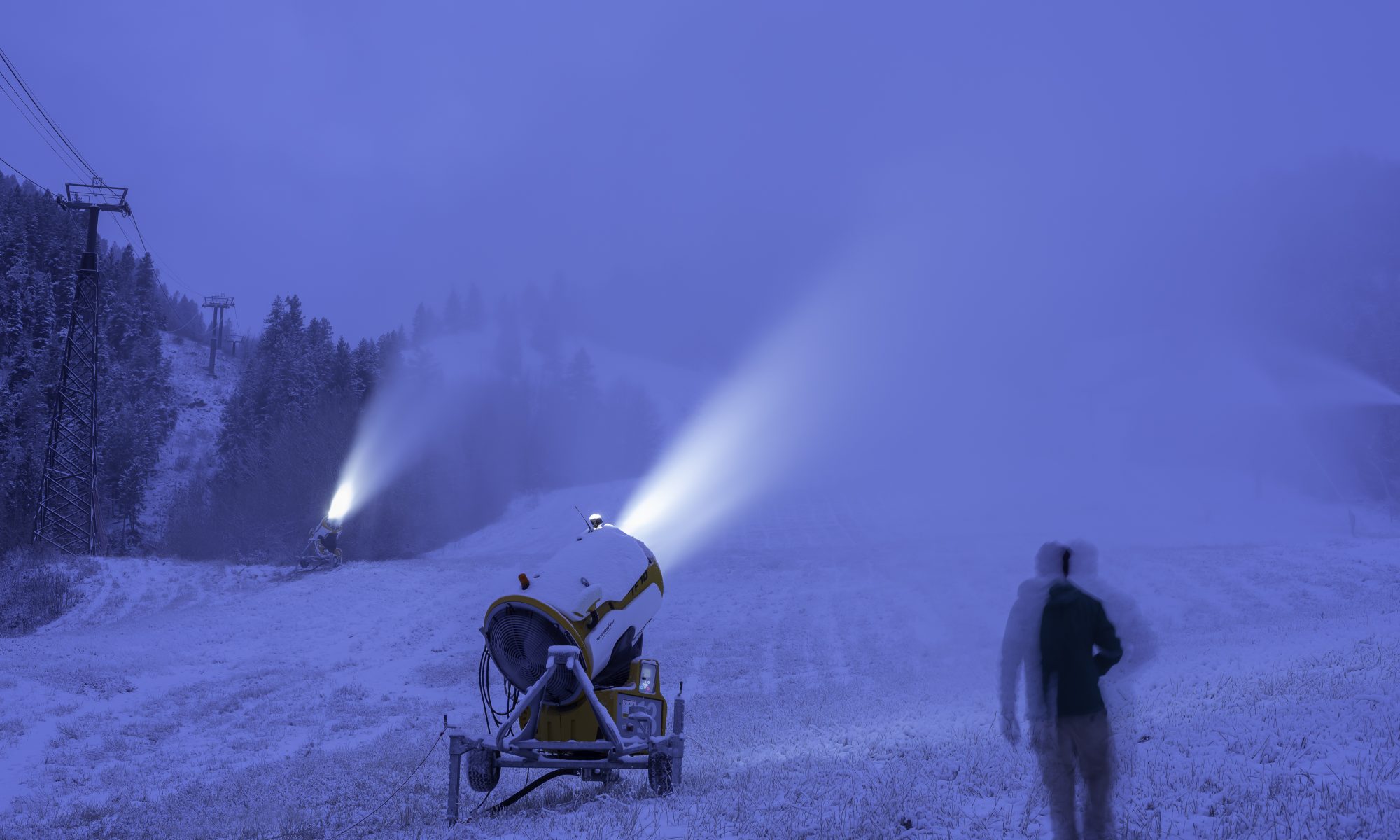
The art of snow making. Photo: Aaron Burden. Unsplash. ❄️ How Fast Can Ski Resorts Build a Snow Base When Nature Fails?
In this post I’ll look at:
How conventional snowmaking works
Rough timeframes to build a base on key slopes
The temperature window you need
All-weather (temperature-independent) snowmaking for warm conditions
Real examples from North America, South America, Europe and Asia
Why the Best Snow Isn’t Always Natural: How Lifts, Carving Skis & Smart Snowmaking Shape Your Ski Holiday
Every skier dreams of that perfect ski day: soft snow underfoot, crisp winter air, freshly groomed pistes, and wide-open carving turns.
But the truth behind why snow feels good or bad under your skis has changed dramatically over the past 20 years — and most holiday skiers have no idea why.
Two recent Nevasport articles explain this brilliantly:
Double chairlift with safety bar- this one you need to look out to grab the bar, it is a different model (a bit more modern maybe). Why the Best Snow Isn’t Always Where You Think: How Lifts, Carving Skis & Smart Snowmaking Shape Your Next Ski Holiday.
They highlight something both simple and surprising:
The snow you ski today is shaped by technology and skier behaviour as much as by weather.
Let’s unpack the story behind truly great snow — the kind your skis glide on effortlessly.
In one Nevasport article, the author makes an amusing but very true observation:
if you want to find the best snow on the mountain, look for the old two-seater chairlift.
Why?
Because modern 6- and 8-seaters unload thousands of skiers per hour on the same slope. That much traffic simply erodes the snow faster.
A piste that once stayed soft until the afternoon can now be scraped, bumpy, or piled up by 11:00 a.m.
Why Ski Resorts Are Turning to Four-Season Tourism
For decades, mountain resorts lived by the rhythm of winter — snow, skiing, après-ski, repeat. That rhythm is changing. Climate variability, shifting travel habits, and a growing love for outdoor experiences are pushing ski areas to think beyond the slopes. Across the Alps and the Rockies, destinations are embracing a four-season model, turning themselves into year-round playgrounds for adventure, wellness, and culture.
Beaver Creek Gold Dust Trail Snowmaking- Photo: Vail Resorts.
❄️ The Challenge: Unpredictable Winters
Winters aren’t what they used to be. National climate scenarios for Alpine countries (as the report I’ve just written about that was for Switzerland) show a steady rise in temperatures, more frequent warm spells, heavier rainfalls, and a snowline that keeps creeping uphill. Lower resorts can no longer rely on consistent snowfall. Even higher ones are investing heavily in snowmaking — which adds pressure on energy, water, and budgets if not managed smartly.
Valle Nevado Ski Resort Guide 2026: Hotels, Terrain & New Developments
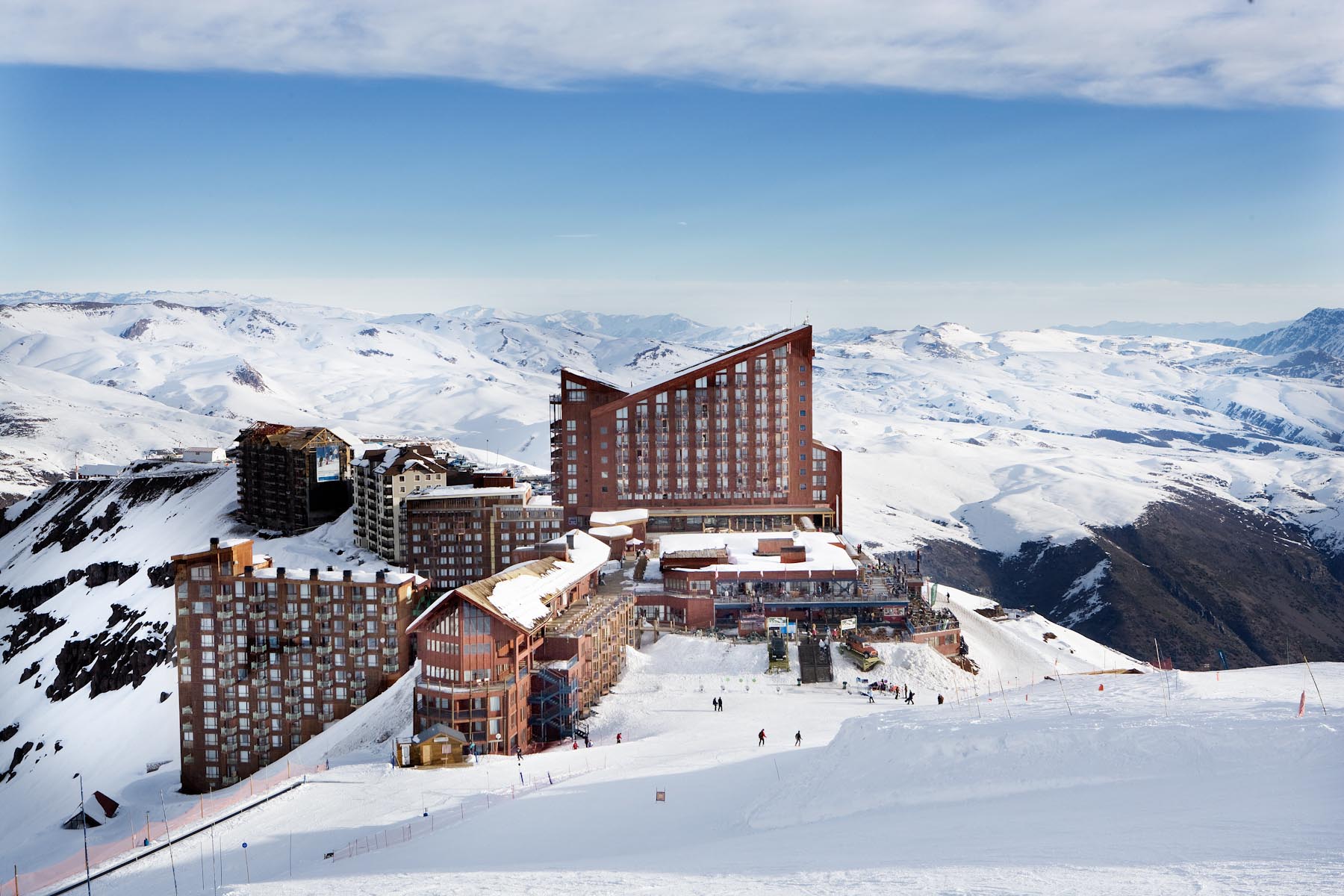
Valle Nevado is one of those ski resorts that you should go and visit. That is why I have put together this must-read guide to Valle Nevado. Located high in the Chilean Andes, to the west of Santiago, this is the centre of the Tres Valles de Chile (the 3 Valleys of Chile). Here you feel that you are definitely skiing in high mountain.
Updated for the 2026 winter season with details about the new Valle Nevado–La Parva interconnected ski domain, Aconcagua Ski Residences, snowmaking expansion, lift upgrades and new dining developments.
The ski season runs from late June till early October, but it can be movable depending on snowing conditions.
The Andes are majestic, from whichever side you see them. Valle Nevado counts with the best sunsets you will ever see on the mountains. The pinks, oranges and yellows of the sky are jaw-dropping. This is caused by the smog in Santiago (believe it or not!), but even if smog is awful, up in Valle Nevado you have a spectacle of light. Plus the smog gets stuck down in the valley!
Endless possibilities in Valle Nevado. Photo courtesy of Valle Nevado.
Location – The Must Read Guide to Valle Nevado
Valle Nevado is located 46 km west of Santiago. You need to take the road out of Santiago and the paved road to Farellones for 32 km until the diversion the last portion to Valle Nevado.
How to Get There – The Must Read Guide to Valle Nevado
You do have to be careful driving up (and down!)- the 59 hairpin turns to get to the resort. Read beforehand the timing of going up and down the road, as depending on the time of the year, and during all weekends during the ski season, there are early hours to go up and hours in the day to go down. The road is a bit thin, and when there is heavy traffic, when people finish their ski week, it could be too tricky to have traffic both ways.
As you will not be driving while in Valle Nevado, you might be better off taking a shared or private transfer to get up the mountain and back.
Aiguilles des Drus et Aiguille Verte. Soft Pastels, pan pastels and charcoal on La Carte Pastel. 65×50 cm (20″x26″) in my shop here.
Enjoyed this post? Get my latest ski guides, weather insights, resort updates and travel tips directly in your inbox. Subscribe to The-Ski-Guru here.
Manage Cookie Consent
To provide the best experiences, we use technologies like cookies to store and/or access device information. Consenting to these technologies will allow us to process data such as browsing behavior or unique IDs on this site. Not consenting or withdrawing consent, may adversely affect certain features and functions.
Functional
Always active
The technical storage or access is strictly necessary for the legitimate purpose of enabling the use of a specific service explicitly requested by the subscriber or user, or for the sole purpose of carrying out the transmission of a communication over an electronic communications network.
Preferences
The technical storage or access is necessary for the legitimate purpose of storing preferences that are not requested by the subscriber or user.
Statistics
The technical storage or access that is used exclusively for statistical purposes.The technical storage or access that is used exclusively for anonymous statistical purposes. Without a subpoena, voluntary compliance on the part of your Internet Service Provider, or additional records from a third party, information stored or retrieved for this purpose alone cannot usually be used to identify you.
Marketing
The technical storage or access is required to create user profiles to send advertising, or to track the user on a website or across several websites for similar marketing purposes.






 Subscribe to The-Ski-Guru here.
You must be logged in to post a comment.