Are Investors Losing Faith in the Mega-Resort Ski Model?

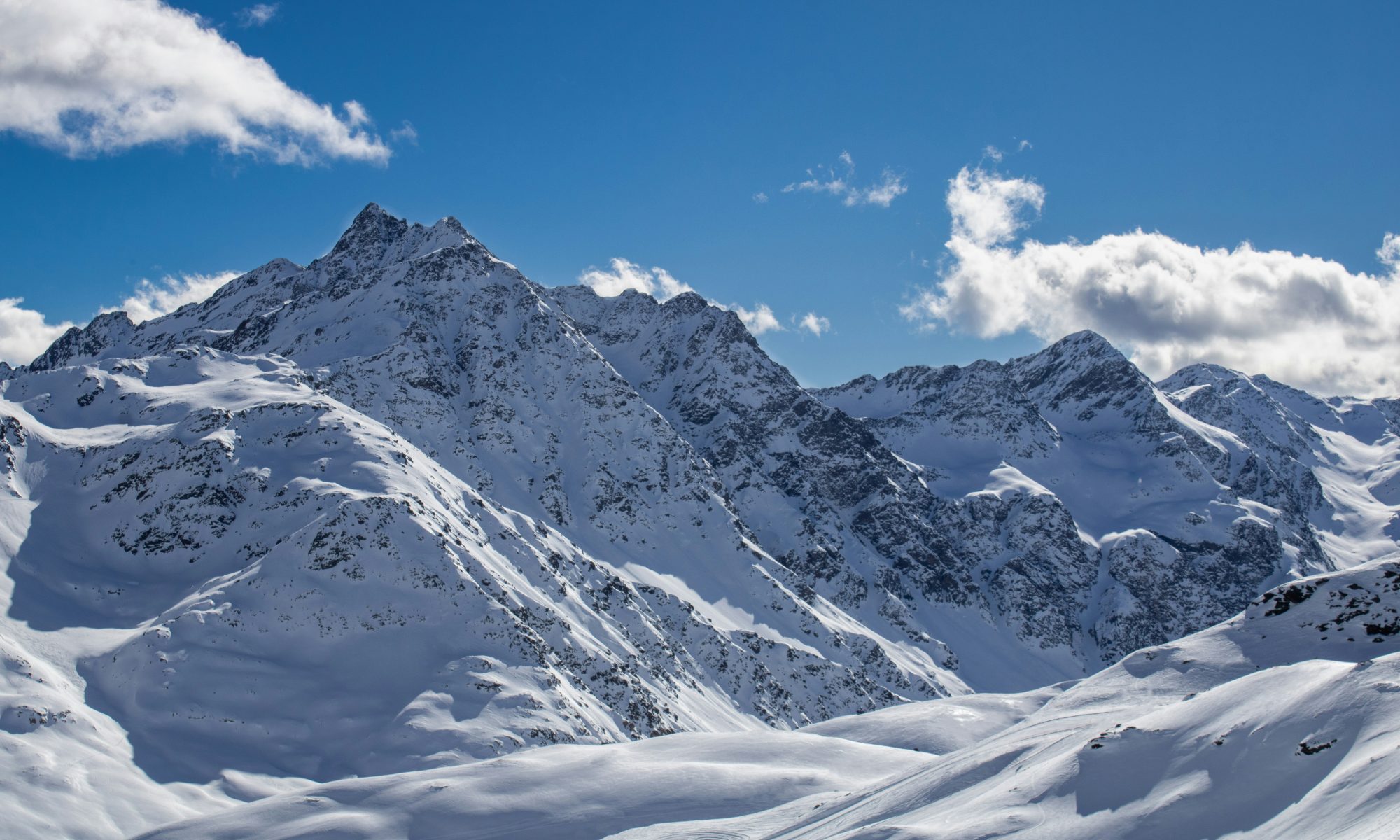
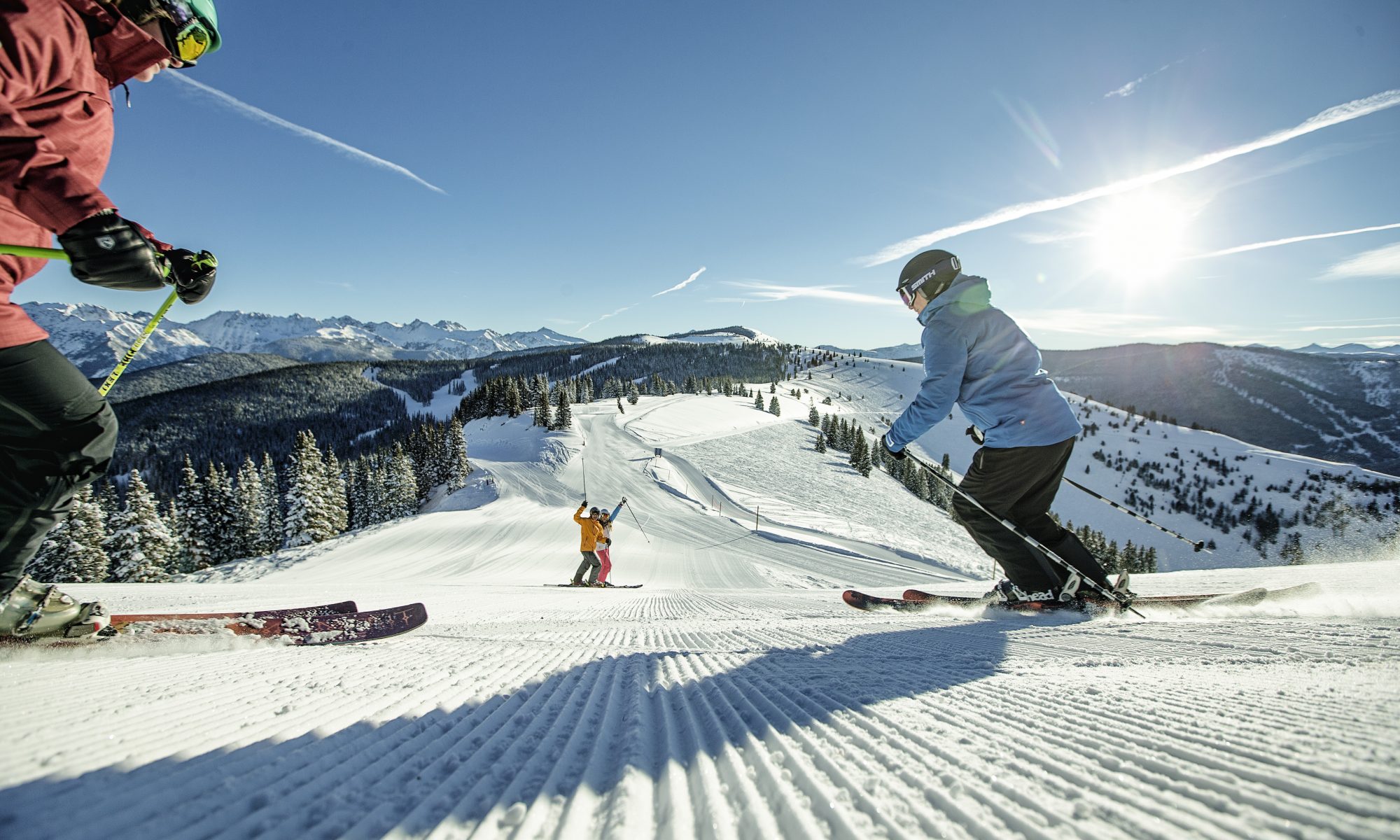
Friends Skiing Groomed Terrain in Vail, CO.. Photo: Daniel Milchev. Vail Resorts.

A recent filing showing that investment firm MSA Advisors sold its entire position in Vail Resorts may not be major news on its own. Institutional investors buy and sell shares every day. But in the context of the current ski industry landscape, the move raises broader questions about whether Wall Street is becoming more cautious about the future of the large destination ski resort model.

Over the past decade, Vail Resorts became one of the defining success stories of the modern ski industry. Through the growth of the Epic Pass, aggressive acquisitions, and expansion into Europe, the company transformed skiing into a subscription-style global business. Investors rewarded that strategy for years, helping turn Vail into one of the most valuable ski companies in the world.

But the environment facing ski resort operators in 2026 looks very different from the one that fuelled that expansion.

Continue reading “Are Investors Losing Faith in the Mega-Resort Ski Model?”
Are Fragmented Alpine Ski Resorts Becoming Unsustainable?

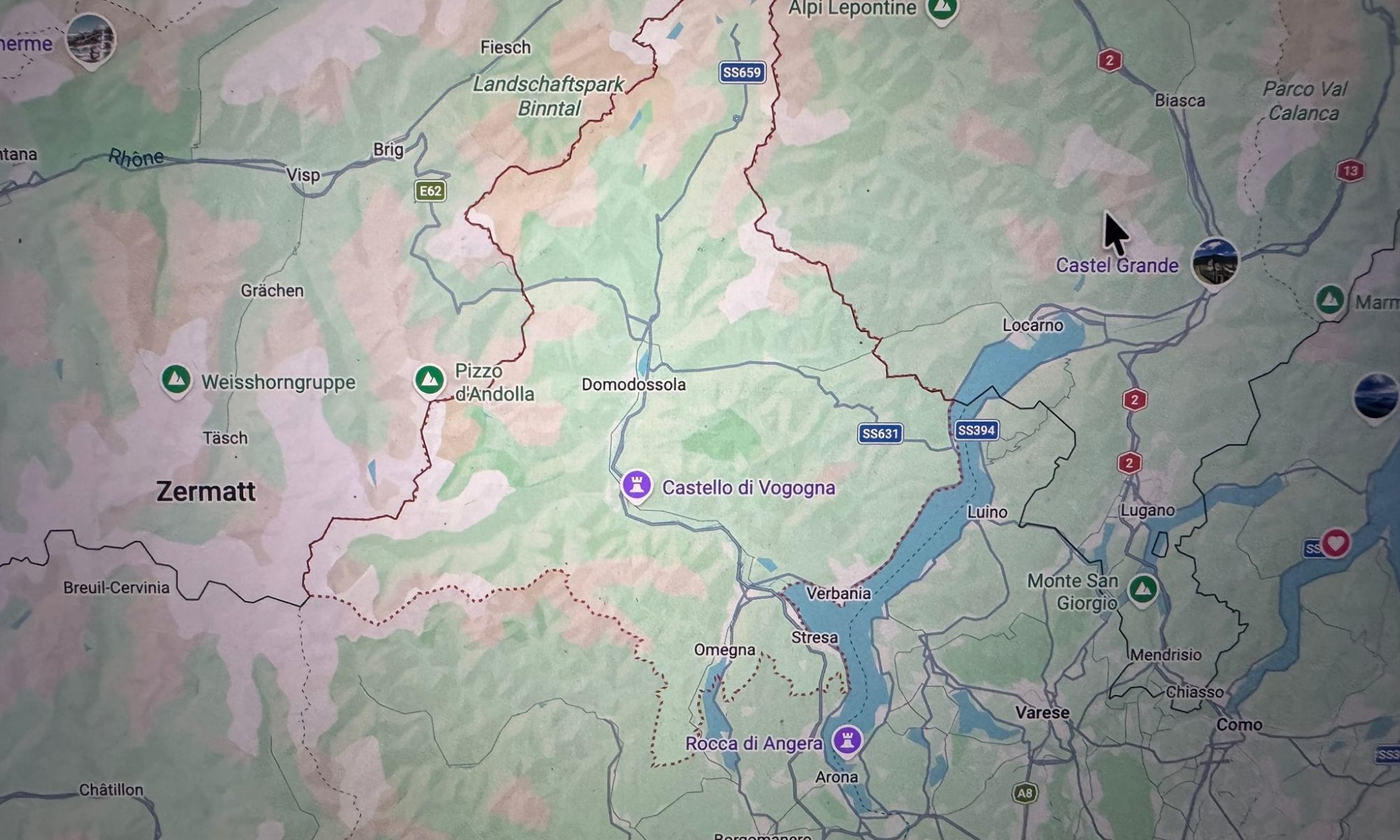
Verbano-Cusio-Ossola. Google Maps.

Across the Alps, a growing number of ski destinations are facing the same difficult question: can smaller mountain municipalities still afford to develop and modernise ski infrastructure on their own?

Two recent stories from northern Italy suggest the Alpine ski industry may be entering a new phase — one defined less by endless expansion and more by consolidation, selective investment and regional cooperation.

In Lombardy, the municipality of Valfurva recently abandoned plans for a new lift connection linking the valley more directly to Bormio’s ski area. The proposed project, intended to connect the S. Antonio/S. Nicolò area with the Bormio slopes, had already secured part of its public funding but ultimately failed to move forward because the remaining financing and permitting timelines proved too difficult to complete. Local officials described the decision as “painful, but inevitable.”

Continue reading “Are Fragmented Alpine Ski Resorts Becoming Unsustainable?”

Valfurva Abandons Planned Lift Connection to Bormio Ahead of Milan-Cortina 2026

Santa Caterina. Province of Sondrio. Photo: Jan Jirasek. Unsplash.

Not every Alpine resort is rushing into new ski lift expansion ahead of the Milan-Cortina 2026 Winter Olympics. In Alta Valtellina, the municipality of Valfurva has officially abandoned plans for a new lift connection that would have provided direct access from the lower Valfurva valley to the Bormio ski area. 

The proposed “S. Antonio/S. Nicolò – Località Cimino” lift and return piste would have linked Valfurva more directly to Bormio’s slopes, in what had been presented as part of a broader vision of greater integration between the ski areas of Alta Valtellina. 

According to local reports and comments from Valfurva mayor Luca Bellotti, the decision was ultimately driven by a combination of timing, financing and permitting issues. The project, valued at more than €9 million, had already secured approximately €4.5 million in public funding through Italy’s Fondo Comuni Confinanti, but the remaining financing was never fully secured. The municipality also faced extremely tight deadlines tied to the funding programme, requiring feasibility documentation to be completed by September. 

Continue reading “Valfurva Abandons Planned Lift Connection to Bormio Ahead of Milan-Cortina 2026”

Giro d’Italia Returns to Val d’Aosta With Major Summit Finish in Pila

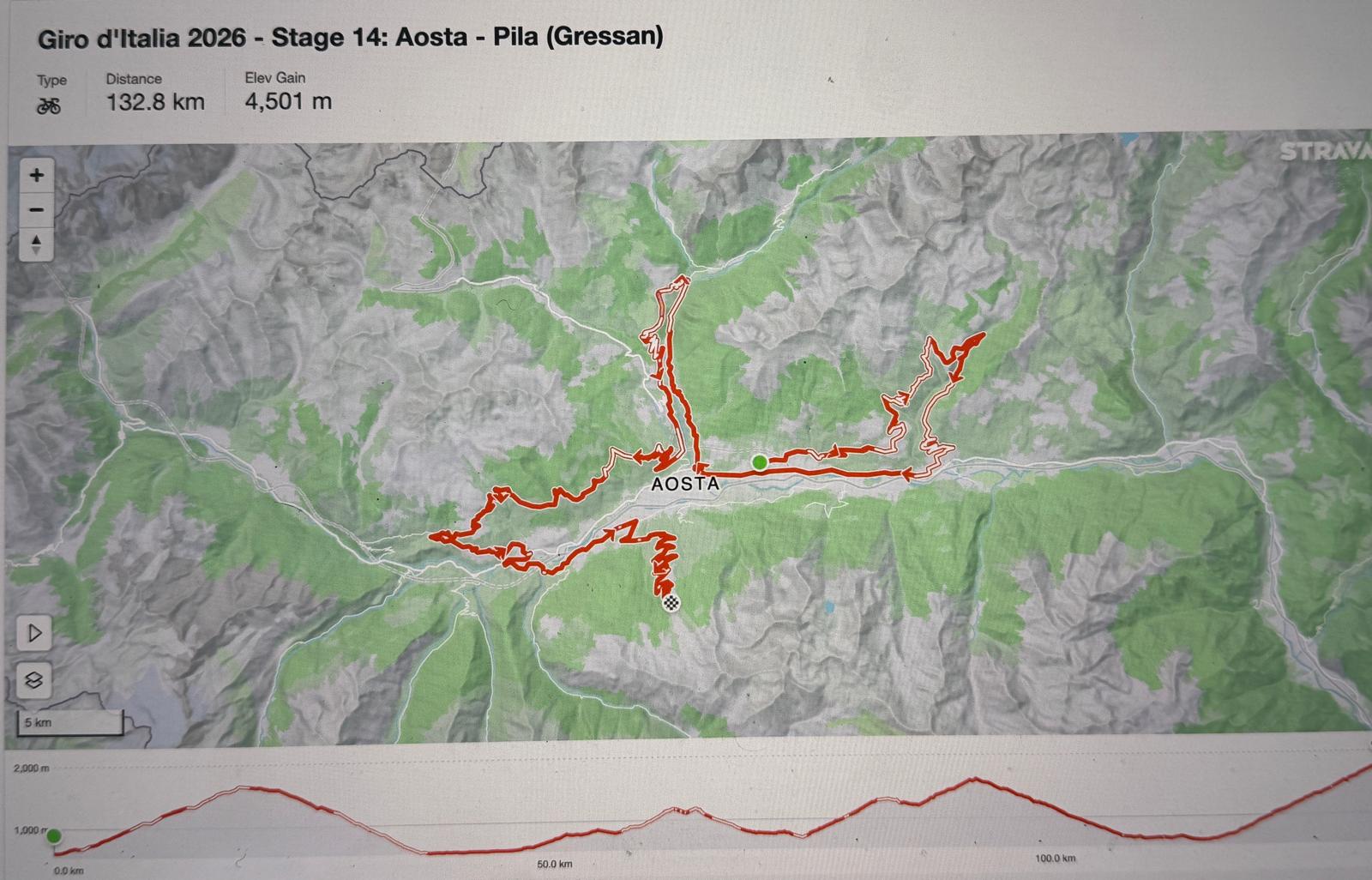
Etape of the Giro d'Italia. Strava.

The Giro d’Italia 2026 is returning to the Aosta Valley this May with one of the most important Alpine stages of the race, as Stage 14 finishes in Pila on Saturday 23 May.

The stage, officially running from Aosta to Pila (Gressan), is already being described as one of the decisive mountain stages of the 2026 Giro. The route packs more than 4,000 metres of climbing into just 133km, with the final ascent to Pila expected to create major time gaps between the race favourites. 

According to the official race route, riders will tackle a series of climbs across the Aosta Valley before the final ascent from Gressan to Pila, a climb measuring approximately 16.5km at an average gradient above 7%. The finish line will sit high above the valley with views toward Mont Blanc, Monte Rosa, the Matterhorn and Gran Paradiso. 

Continue reading “Giro d’Italia Returns to Val d’Aosta With Major Summit Finish in Pila”

Housing the Workforce: The Growing Constraint on Mountain Tourism from Aspen to the Alps

Homes built by Habitat for Humanity Vail Valley. Stratton Flats Neighborhood in Gypsum Photo: Ben Roof/Special to the Summit Daily

The conversation around ski destinations has long focused on snow, infrastructure, and demand. Yet across North America and Europe, a different constraint is becoming increasingly visible: whether the people who operate these destinations can still afford to live within reach of them.

What appears at first as a local issue in individual resorts is, in reality, a structural challenge affecting mountain tourism globally. From Aspen to Zermatt, from Whistler to Cortina d’Ampezzo, the same question is emerging in different forms: who can still afford to live where tourism takes place, and how far can they be pushed away before the system begins to strain.

In North America, the issue is often framed directly as workforce housing. In Aspen, one of the most developed housing systems in ski tourism has been in place for decades, yet demand continues to exceed supply. Access to subsidised housing remains competitive, with strict qualification systems and long waiting lists. The conclusion is difficult to avoid: even a mature, highly structured model does not fully resolve the imbalance between housing supply and workforce demand.

Continue reading “Housing the Workforce: The Growing Constraint on Mountain Tourism from Aspen to the Alps”

Adventure Travel in 2026: Growth Slows as the Industry Shifts from Volume to Value

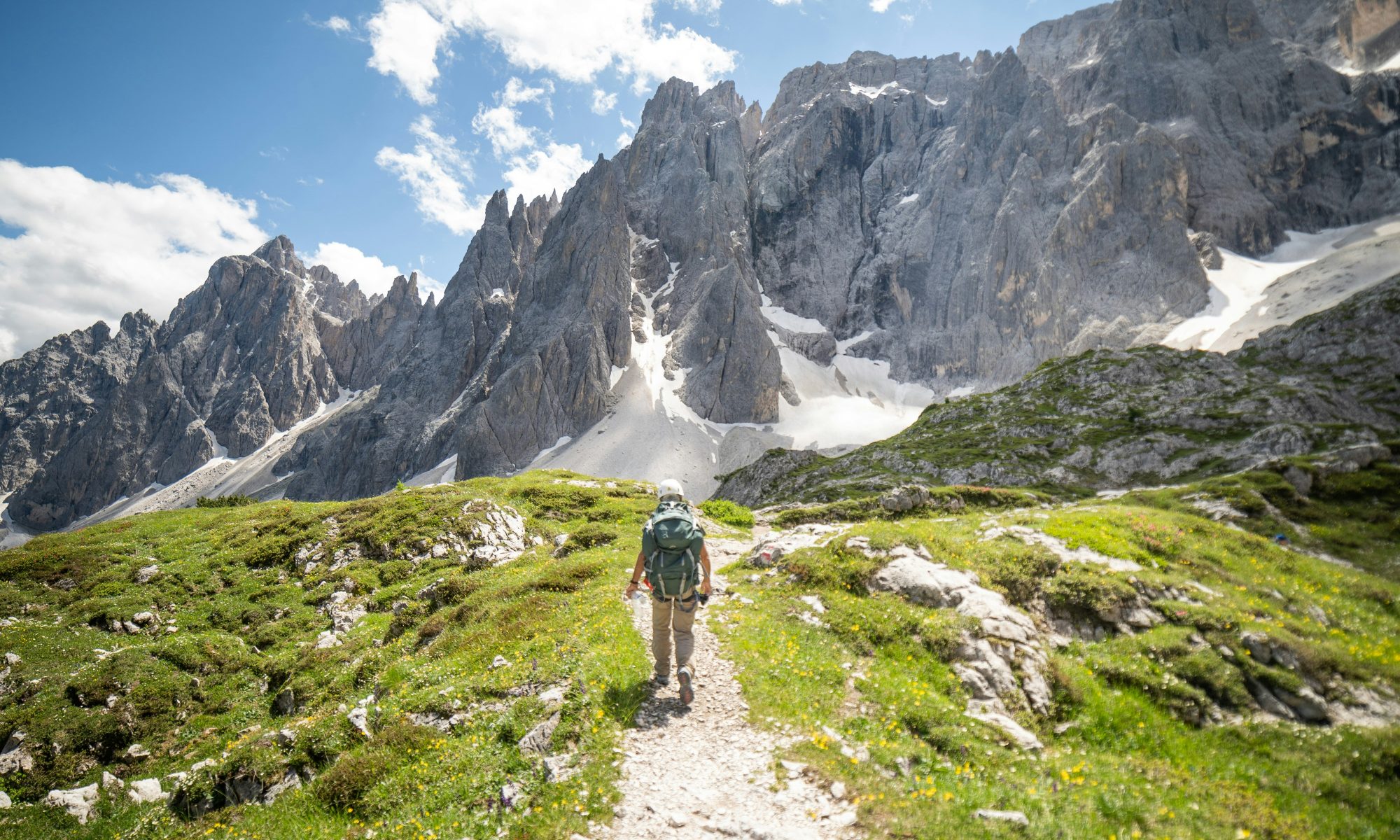
Hiking in the Dolomites. Photo: Hikerwise. Unsplash.

Introduction

The latest data from the Adventure Travel Trade Association offers one of the clearest signals yet of where global travel demand is heading.

The 2026 Adventure Travel Trends & Insights report shows an industry that is still growing, but no longer at the pace seen in the immediate post-pandemic rebound. Instead, adventure travel is entering a more complex phase, where growth is slower, more selective, and increasingly driven by value rather than volume.


Growth Continues — But the Model Is Changing

Most tour operators reported revenue increases in 2025, but these gains were generally incremental rather than dramatic. At the same time, a larger share of businesses reported declines, and overall trip volumes softened slightly.

This combination marks a clear turning point.

Continue reading “Adventure Travel in 2026: Growth Slows as the Industry Shifts from Volume to Value”

Are Lower-Elevation Ski Resorts Becoming Unviable?

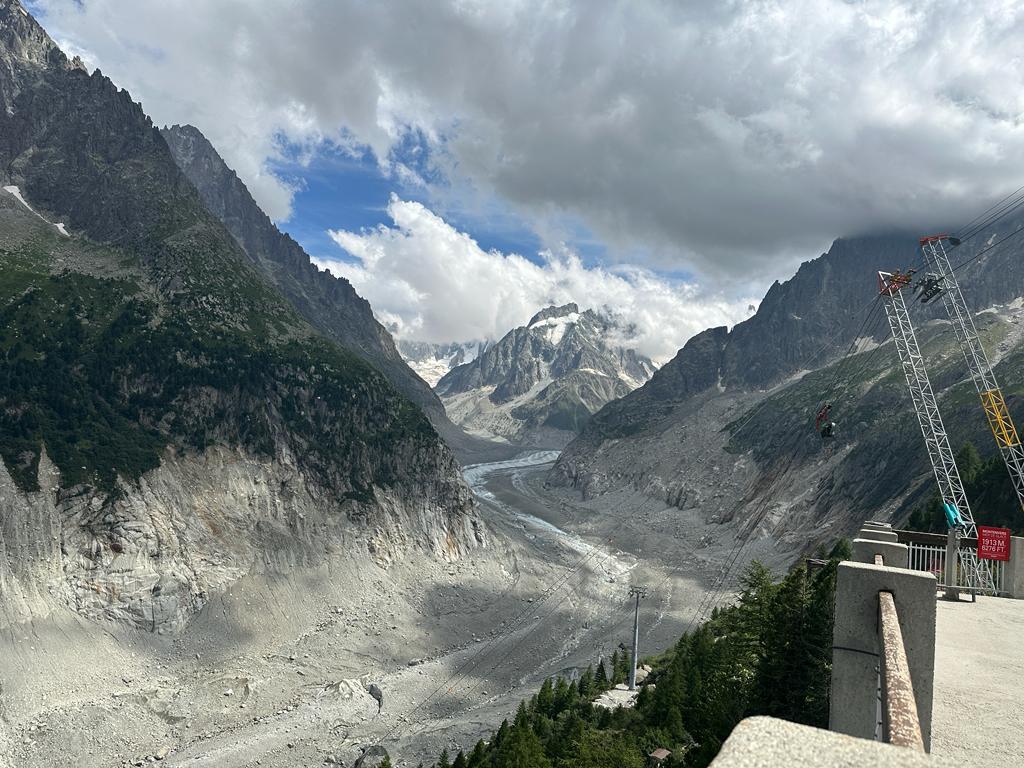
Resorts are adapting from depending only on snow-availability, to four seasons activities. Photo: Montenvers Glacier in Chamonix. The-Ski-Guru.

The question of whether lower-elevation ski resorts in the Alps can remain viable is no longer theoretical. It is already being tested in real time.

Following a winter that, despite perception, failed to deliver consistent snowpack across much of the range, the structural weaknesses of lower-altitude skiing are becoming harder to ignore. As explored in The Alps Did Not Have a Snow-Rich Winter: Why 2026 Resembles 2022 for Glaciers, the idea of a snow-rich season does not reflect the underlying reality of increasingly uneven snowfall and reduced snow retention.

What matters now is not just how much snow falls, but where—and how long it lasts.


The Altitude Problem Is Becoming Structural

For decades, ski resort viability in the Alps was closely tied to a relatively stable threshold. Resorts above roughly 1200 metres could expect reliable snow seasons, while those below faced more variability.

That line is shifting.

Continue reading “Are Lower-Elevation Ski Resorts Becoming Unviable?”

Europe’s Summer 2026 Tourism Paradox: Record Demand, But a Weaker Season?

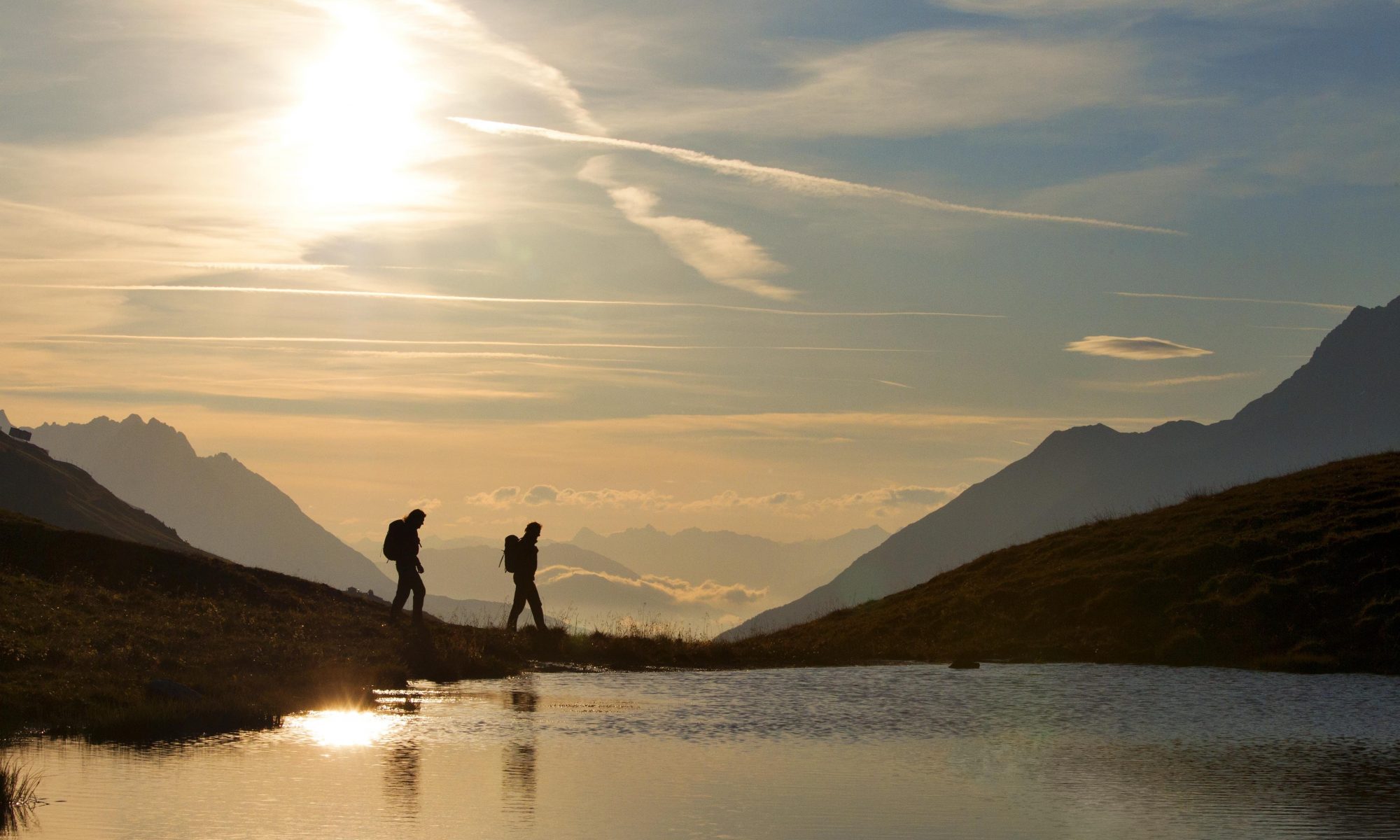
Wanderszene auf Galzig bei St. Anton, Lechtaler Alpen, Tirol, Österreich.

Europe’s Summer 2026 Tourism Paradox: Record Demand, But a Weaker Season?

The European tourism sector is heading into the summer of 2026 with what appears, at first glance, to be a strong tailwind. Travel intent is at record levels, international demand remains resilient, and key destinations continue to attract global visitors. Yet beneath those headline figures, a more complex and uneven reality is emerging.

Early signals from Switzerland suggest that the season ahead may be far less robust than expected. According to Swissinfo, parts of the hotel sector are already reporting a slowdown in bookings, an increase in cancellations, and a shift towards last-minute reservations. The outlook has been described as “clearly clouded,” with operators pointing to geopolitical instability, particularly in the Middle East, as a factor disrupting travel flows and air connectivity.

This tension between strong demand and weakening booking quality is increasingly visible across Europe, and it reflects a broader structural shift in how travel demand is behaving in 2026.

Continue reading “Europe’s Summer 2026 Tourism Paradox: Record Demand, But a Weaker Season?”

Mountain Planet 2026: Innovation, Infrastructure, and the Future of Mountain Tourism

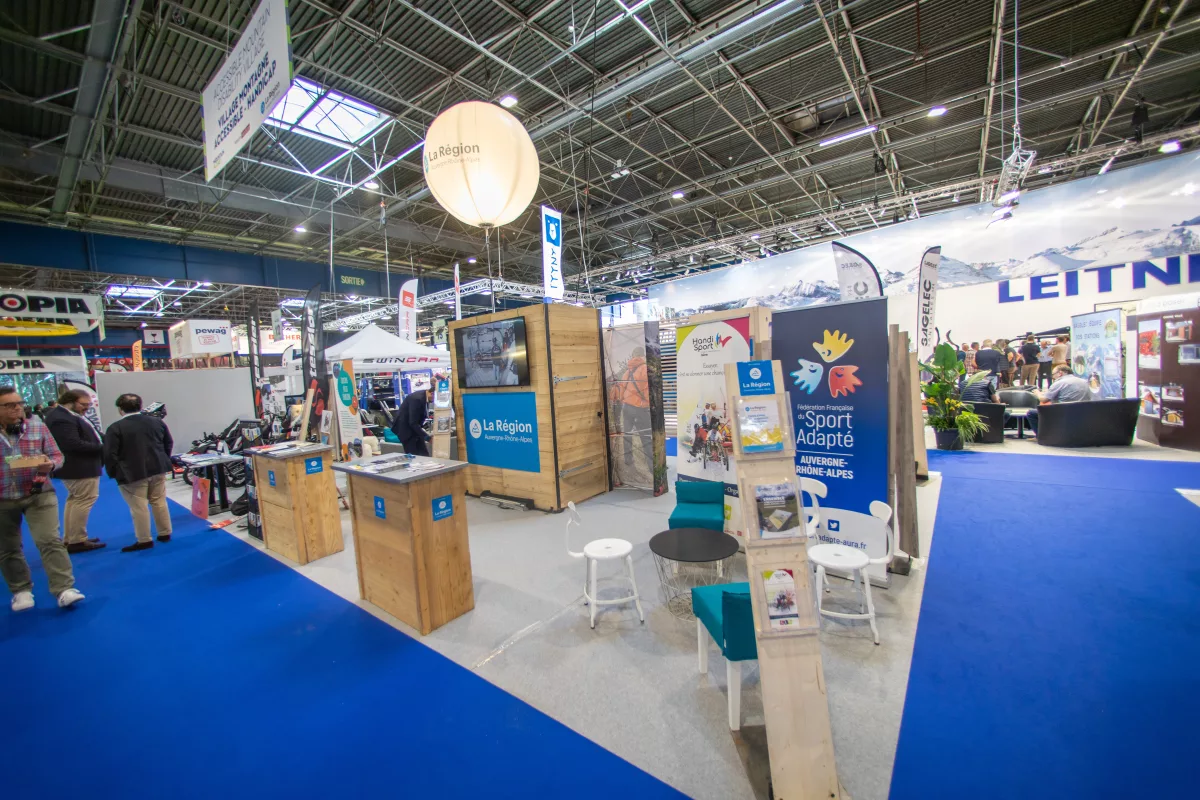
Mountain Planet 2026 show photo.

The 2026 edition of Mountain Planet 2026 has confirmed its position as one of the key global gatherings for the mountain industry, bringing together operators, manufacturers, policymakers and technology providers at a time when the sector is undergoing significant change.

Held in Grenoble, the event highlighted a clear shift in priorities across the industry. While innovation remains central, the focus is increasingly on resilience, energy transition, and the diversification of mountain tourism models.

This year’s edition recorded a 4.5% increase in visitors, underlining continued engagement from across the sector despite a winter season marked by uneven snow conditions in many regions.

Continue reading “Mountain Planet 2026: Innovation, Infrastructure, and the Future of Mountain Tourism”

Accessibility in Mountain Tourism: Why Inclusive Design Is Becoming a Strategic Priority

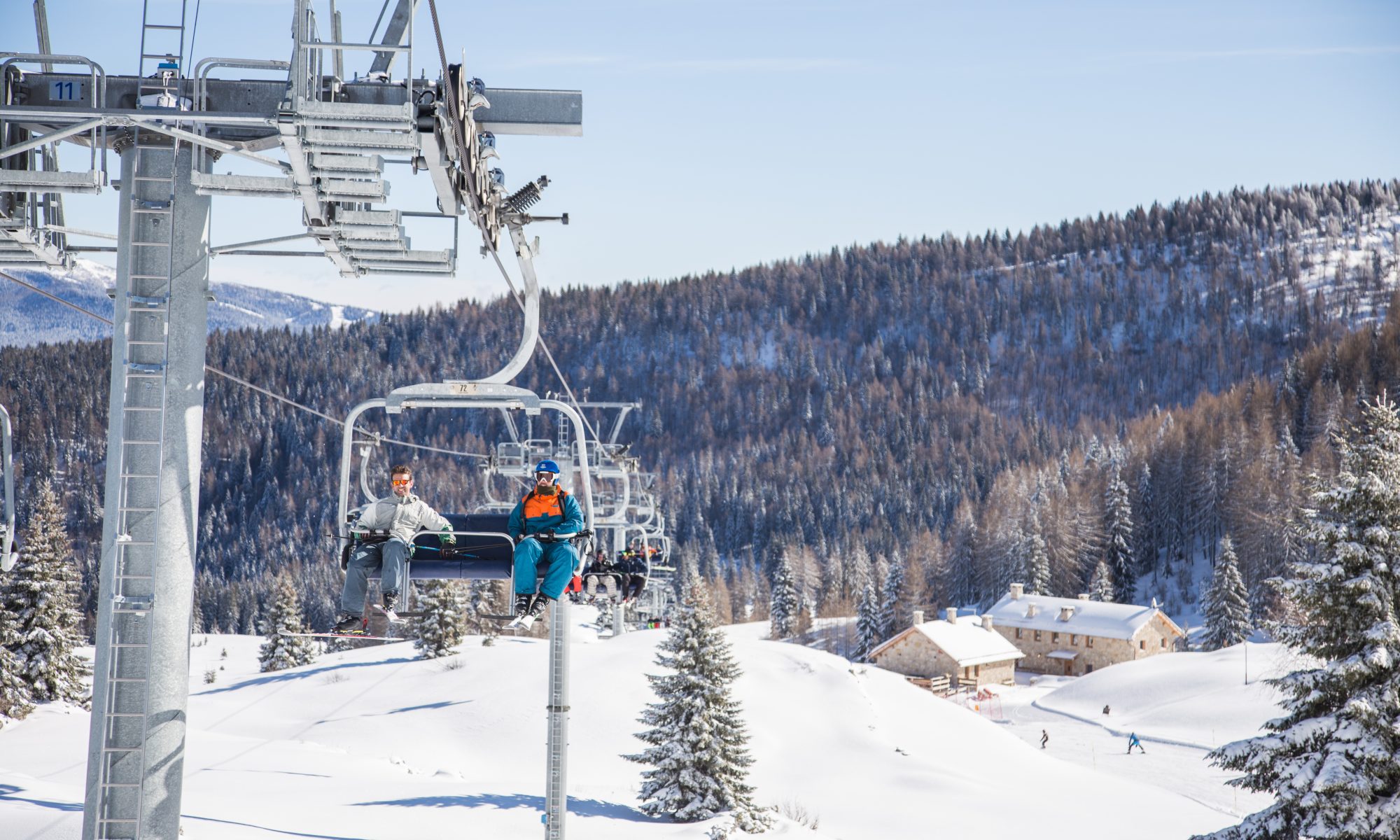
Photo: Alpe Cimbra ski resort.

A growing number of mountain destinations are rethinking what it means to be truly accessible — not just as a social responsibility, but as a core driver of tourism development.

A recent example comes from Alpe Cimbra in Trentino, which has received international recognition for its long-term commitment to inclusive mountain tourism.


🏆 International Recognition for Alpe Cimbra

The destination was awarded a Special Mention for Innovation in the Development of Sports Tourism at the first edition of the UN Tourism Awards for Excellence in Sustainable Sports Tourism, promoted by UN Tourism in collaboration with FIA.

The recognition highlights the project:

👉 “Alpe Cimbra 4 All”

An initiative that has transformed accessibility from a niche offering into a fully integrated tourism strategy.

Continue reading “Accessibility in Mountain Tourism: Why Inclusive Design Is Becoming a Strategic Priority”