Courmayeur’s New Gondolas Signal a Deeper Shift in Alpine Ski Infrastructure

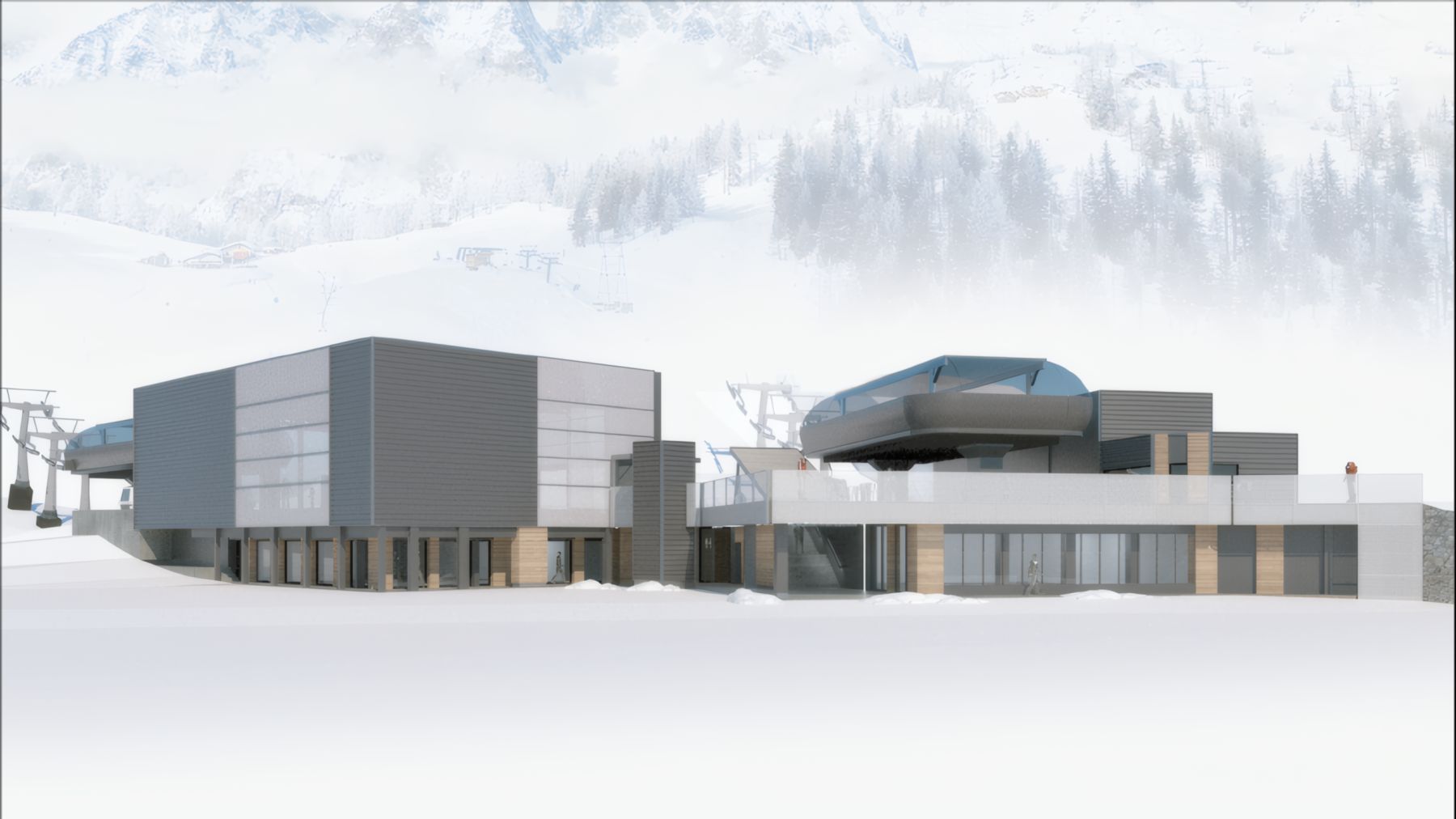
Rendering Courmayeur. Neveitalia.

Courmayeur is preparing a significant lift upgrade, with two new gondolas scheduled to open for the winter 2026–2027 season. On the surface, the project follows a familiar Alpine pattern of replacing ageing infrastructure. But looked at more closely, it reflects a deeper shift in how resorts are adapting to operational pressure, changing demand, and increasingly compressed winter seasons.

The project focuses on the core Plan Chécrouit sector, where one of the new gondolas will replace the existing Chécrouit lift. The upgrade to modern 10-seater cabins is expected to increase uphill capacity and reduce congestion on one of the resort’s main arteries. At the same time, the long-standing Maison Vieille chairlift will be removed and replaced with a gondola along the same alignment, fundamentally changing access to that side of the mountain.

While the manufacturer has not yet been officially confirmed, the renderings published with the project strongly resemble recent Leitner gondola designs. That said, in the Aosta Valley both Leitner and Doppelmayr regularly deliver installations of this scale, so formal confirmation will likely only come once contracts are finalised.

Continue reading “Courmayeur’s New Gondolas Signal a Deeper Shift in Alpine Ski Infrastructure”
The Alps in a Wilder Weather Era: Climate Extremes, Pollution and Adaptation

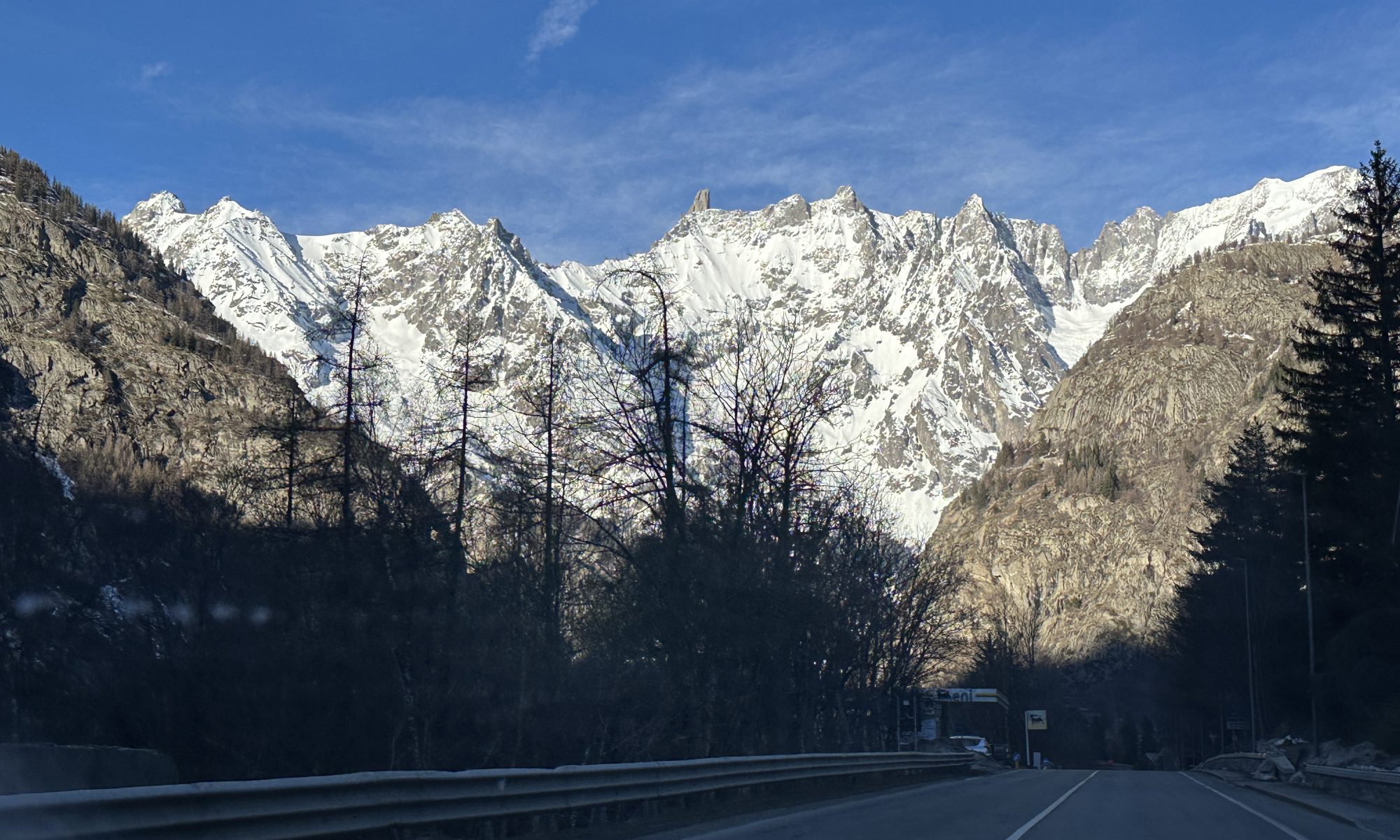
SS26 towards the Mont Blanc Tunnel with the Catena de Monte Bianco on the background. Photo: The-Ski-Guru.

Introduction

Weather patterns are becoming more volatile worldwide, with scientists increasingly pointing to sharper swings, clustered extremes, and less predictable seasons as a key signal of climate change.

In the Alps, however, these changes are not just visible — they are amplified by geography, altitude, and human infrastructure.

From pollution trapped in valleys like Chamonix to increasing avalanche cycles and rockfall risks, the region offers a clear picture of how global climate signals translate into real-world mountain impacts — and how Alpine regions are beginning to adapt.


A Global Signal — With Alpine Consequences

Recent climate analysis points to a shift away from stable seasonal patterns toward more erratic and extreme weather behaviour.

Continue reading “The Alps in a Wilder Weather Era: Climate Extremes, Pollution and Adaptation”

Investment as “Multi-Risk Insurance”: How Ski Resorts Are Reinventing Infrastructure Across the Alps and North America

A chairlift in Grandvalira full of snow. Photo Grandvalira. Grandvalira, Pal Arinsal and Ordino Arcalis have opened thanks to the latest snowstorm.

The global ski industry is entering a new phase of infrastructure investment. Across the Alps and North America, ski resort investment is accelerating as operators modernise lifts, expand snowmaking systems and adopt new digital technologies.

While modernisation has always been part of the ski resort business model, the nature of investment is changing. Resorts are no longer investing solely to improve comfort or capacity. Increasingly, infrastructure spending is designed to manage a combination of risks: climate variability, visitor flow management, regulatory pressure and rising operating costs.

In France, where investment data is closely monitored through an industry barometer conducted by Montagne Leaders in partnership with Atout France and Domaines Skiables de France (DSF), ski areas invested €555 million in 2025, roughly 32% of pre-tax turnover. This level of reinvestment is significantly above the long-term average and illustrates the structural importance of infrastructure investment in mountain economies.

Across the Alpine region and North America, similar patterns are emerging.

Continue reading “Investment as “Multi-Risk Insurance”: How Ski Resorts Are Reinventing Infrastructure Across the Alps and North America”

Cervinia–Monterosa Ski Link Through Cime Bianche: Project Details Revive Alpine Debate

Skiers in the chairlift in Breuil Cervinia. Photo: Enrico Romanzi. Cervino Ski Paradise. Cervinia–Monterosa Ski Link Through Cime Bianche: Project Details Revive Alpine Debate.

A long-debated proposal to connect the ski areas of Cervinia–Valtournenche and Monterosa Ski (Val d’Ayas) through the Vallone delle Cime Bianche has returned to the spotlight, after new technical details about the potential infrastructure emerged in local media.

The project, commonly referred to as the Cime Bianche ski link, would connect two major ski domains in the western Alps and could create one of the largest interconnected ski areas in Europe.

If realised, the project would create a connection between two of the largest ski domains in the western Alps, potentially forming one of the biggest interconnected ski areas in Europe.

The proposal has existed for years, but the latest discussions highlight how the idea continues to shape the debate about the future of ski infrastructure in the Aosta Valley.

Continue reading “Cervinia–Monterosa Ski Link Through Cime Bianche: Project Details Revive Alpine Debate”

Mountain Infrastructure Risk in the Alps & Pyrenees

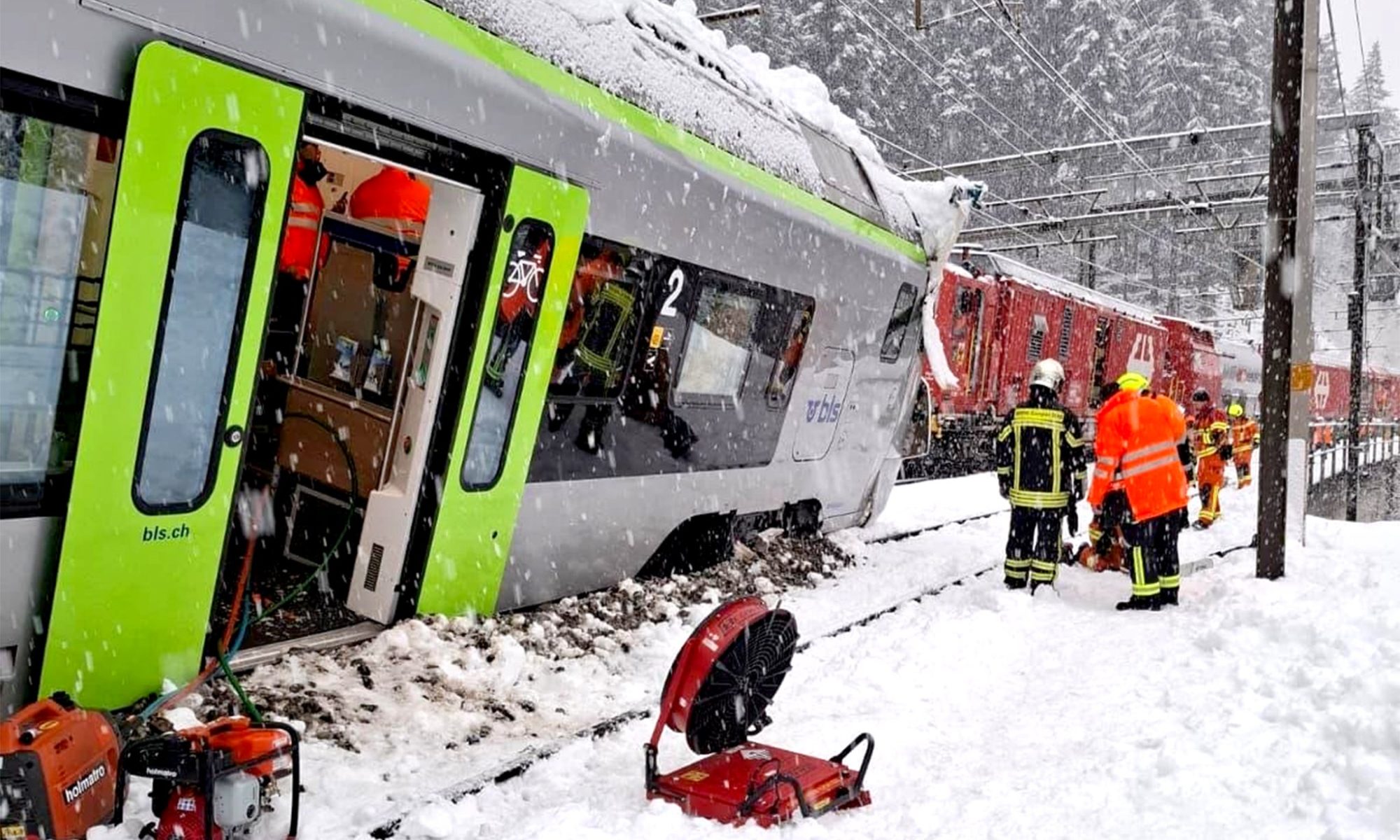
Mountain Infrastructure Risk in the Alps and Pyrenees – transport corridor vulnerability. Photo: Swiss Rail

Transport Disruptions, Climate Pressure & Cross-Border Vulnerability

Why Mountain Infrastructure Now Matters More Than Ever

Mountain Infrastructure Risk in the Alps and Pyrenees is becoming a defining issue for winter tourism, transport planning and climate adaptation. Road closures, rail disruption, avalanche cycles and Olympic logistics pressure are no longer isolated events — they are part of a structural pattern affecting mountain regions.

Mountain Infrastructure Risk in the Alps and Pyrenees is becoming a defining issue for winter tourism, transport planning and climate adaptation. Road closures, rail disruption, avalanche cycles and Olympic logistics pressure are no longer isolated events — they are part of a structural pattern affecting mountain regions, with growing implications for long-term demand dynamics within Alpine ski markets.
  • Rockfall and slope instability
  • Avalanche cycles
  • Freeze–thaw stress
  • Extreme precipitation events
  • Concentrated cross-border traffic dependency

Winter tourism economies rely on a limited number of valleys, passes and rail lines. When one corridor fails, the impact is immediate — economically, logistically and politically.

This hub consolidates coverage across these interconnected risks.

Many of these risks are linked to extreme weather in the Alps, where freeze–thaw cycles and heavy precipitation are increasing.

Continue reading “Mountain Infrastructure Risk in the Alps & Pyrenees”

RN20 France–Andorra Corridor Severed by Rockfall: Official Response, Rail Disruption & Reopening Timeline (2026)

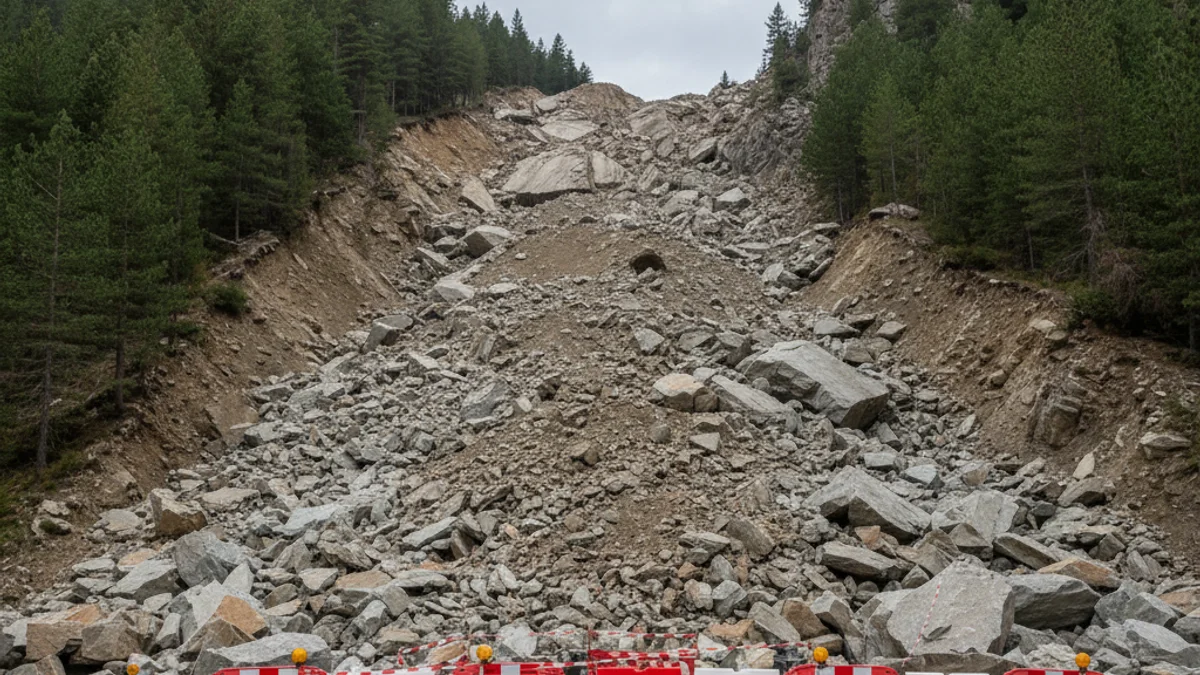
Photo: Diari Catalunya: RN20 road closure

A Strategic Mountain Corridor Cut Off

The RN20 France Andorra rockfall 2026 has exposed the vulnerability of one of the most important mountain corridors in southern Europe.

On 31 January 2026, a significant rockfall struck the RN20 national road between Ax-les-Thermes and Mérens-les-Vals, in the French department of Ariège.

This is not a secondary alpine road. The RN20 is the principal northern gateway between France and the Principality of Andorra — a corridor that feeds winter tourism traffic toward Pas de la Casa, cross-border workers, and heavy goods transport.

The rockfall destroyed part of the carriageway and destabilised the slope above it. Authorities immediately closed the route in both directions.


Official Position: Safety Before Reopening

The Prefecture of Ariège and regional authorities in Occitanie confirmed that the closure would remain in place until geological stability could be guaranteed.

According to official communications, stabilisation works included:

Continue reading “RN20 France–Andorra Corridor Severed by Rockfall: Official Response, Rail Disruption & Reopening Timeline (2026)”