Telluride Strike: Documents Reveal Resort Had Contingency Plan During Ski Patrol Walkout

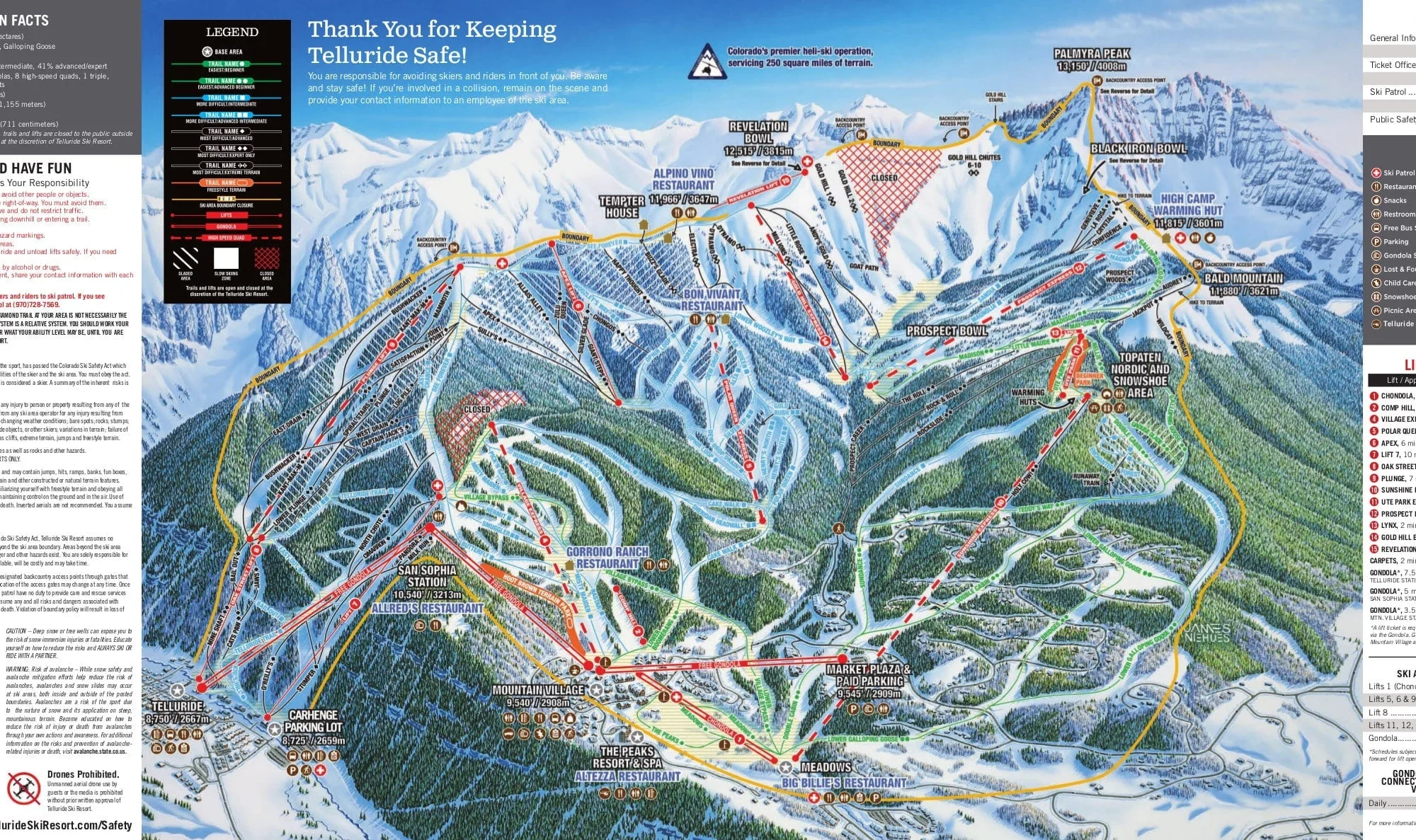
Telluride Ski Map.

Newly released documents suggest that Telluride Ski Resort had secured federal approval for a contingency plan allowing limited operations during the ski patrol strike earlier this season.

The documents, obtained through a public-records request, indicate that the resort could have continued operating a restricted section of the mountain even while the labour dispute was ongoing.

The revelations add a new dimension to the conflict that shook the ski industry during the busy holiday period and exposed deeper tensions between resort management, workers, and the local community in Telluride.

Telluride Resort Conflict – Full Coverage

Related articles:


Federal Approval for Limited Operations

Because the resort operates largely on federal land, operational plans must be approved by the United States Forest Service.

Documents indicate that a contingency plan had been authorised in late December outlining how the resort could operate at limited capacity during a labour disruption.
Continue reading “Telluride Strike: Documents Reveal Resort Had Contingency Plan During Ski Patrol Walkout”

Cervinia–Monterosa Ski Link Through Cime Bianche: Project Details Revive Alpine Debate

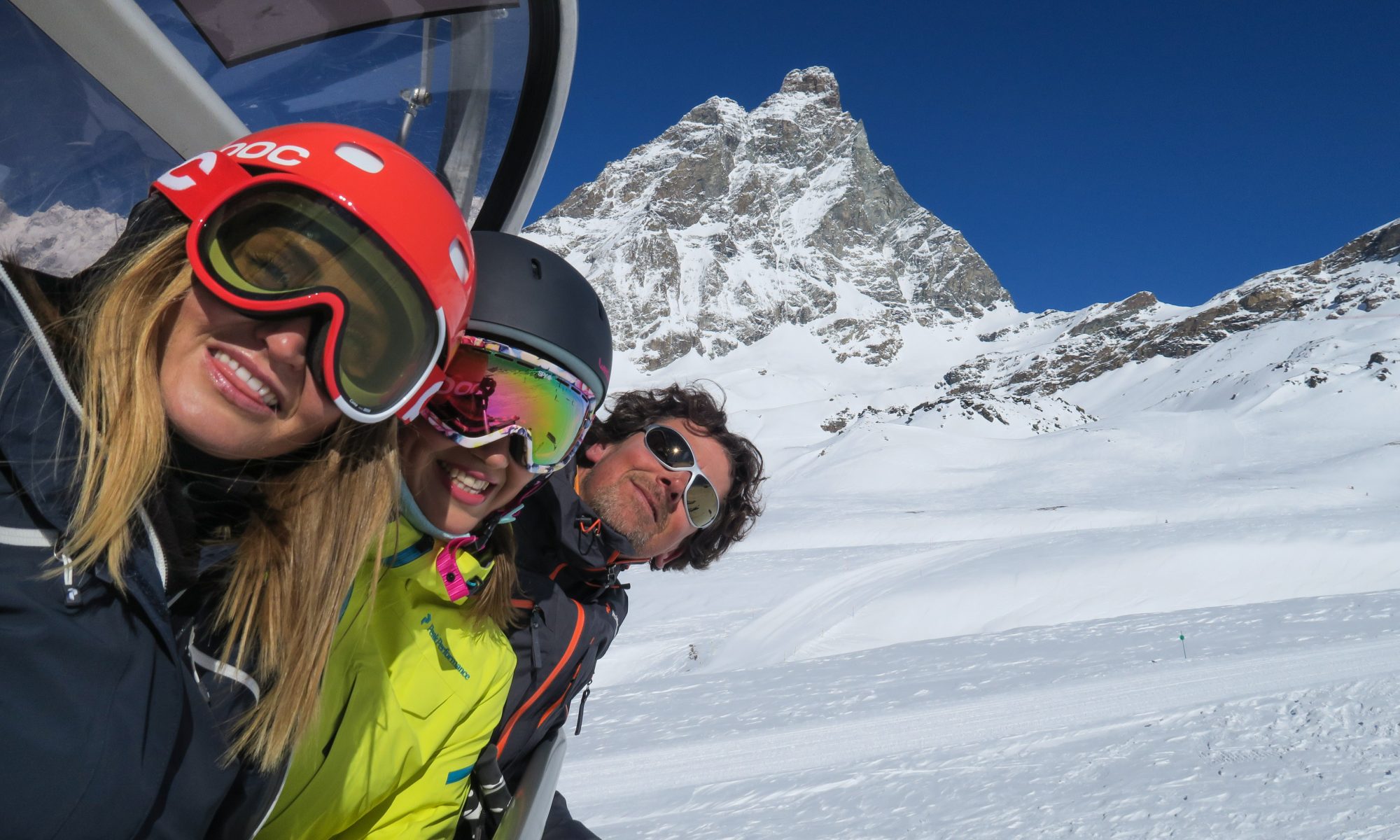
Skiers in the chairlift in Breuil Cervinia. Photo: Enrico Romanzi. Cervino Ski Paradise. Cervinia–Monterosa Ski Link Through Cime Bianche: Project Details Revive Alpine Debate.

A long-debated proposal to connect the ski areas of Cervinia–Valtournenche and Monterosa Ski (Val d’Ayas) through the Vallone delle Cime Bianche has returned to the spotlight, after new technical details about the potential infrastructure emerged in local media.

The project, commonly referred to as the Cime Bianche ski link, would connect two major ski domains in the western Alps and could create one of the largest interconnected ski areas in Europe.

If realised, the project would create a connection between two of the largest ski domains in the western Alps, potentially forming one of the biggest interconnected ski areas in Europe.

The proposal has existed for years, but the latest discussions highlight how the idea continues to shape the debate about the future of ski infrastructure in the Aosta Valley.

Continue reading “Cervinia–Monterosa Ski Link Through Cime Bianche: Project Details Revive Alpine Debate”

Milano–Cortina 2026 Paralympics: The Alpine Infrastructure Test Behind the Competition

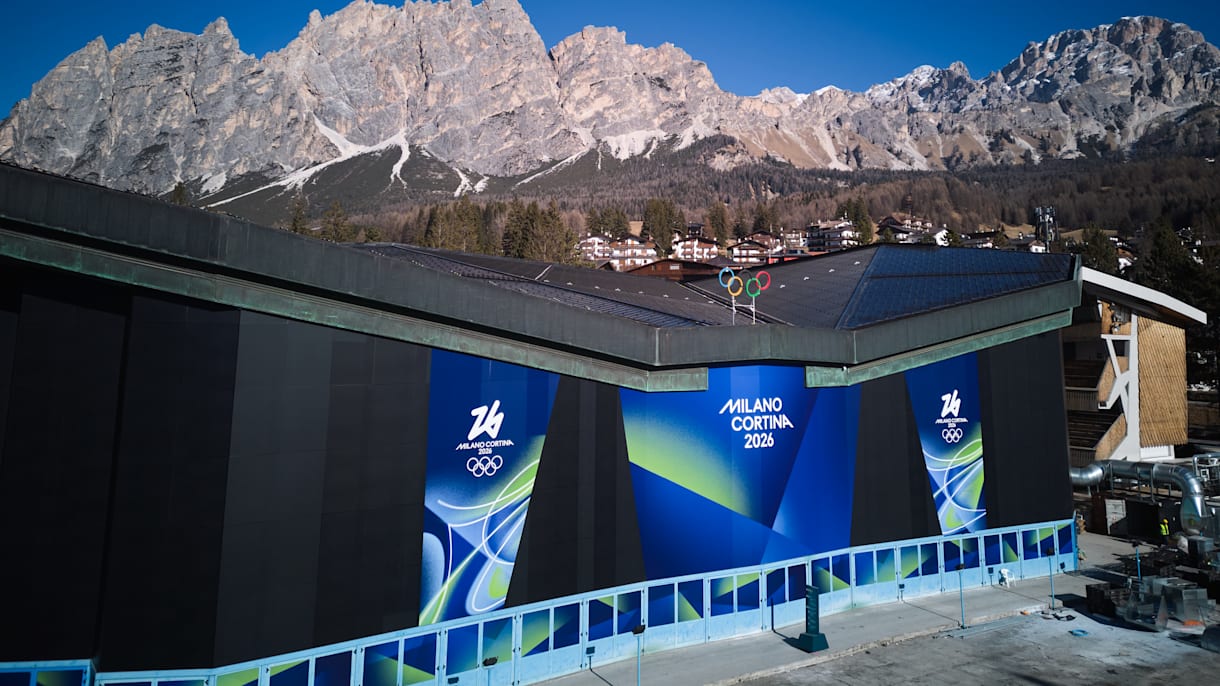
Milano Cortina Paralympics photo.

By The-Ski-Guru | March 2026

When the Paralympic Winter Games arrive in Italy, coverage will rightly focus on athletes and competition.

Yet in alpine terrain, another test unfolds quietly in parallel.

Hosting the Milano Cortina 2026 Winter Paralympics is not simply about staging races. It is a large-scale assessment of whether mountain infrastructure in the Alps — developed over decades around traditional ski tourism — can operate effectively, safely and inclusively under different mobility realities.

Unlike indoor arenas or urban venues, alpine resorts function within environmental constraints. Snow conditions evolve daily. Wind affects lift systems. Roads narrow under winter pressure. Vertical circulation is inherent, not optional.

Accessibility here is not a design layer added at the end. It interacts with terrain itself.

Continue reading “Milano–Cortina 2026 Paralympics: The Alpine Infrastructure Test Behind the Competition”

Is Global Ski Consolidation Reshaping Europe’s Alpine Model?

Piste at Brides-les-Bains-Les-Trois-Vallées domain. Photo courtesy of Brides-les-Bains Tourism Office.

Introduction

Global ski consolidation in Europe is entering a new structural phase.

In a recent Wall Street Journal interview, Rob Katz of Vail Resorts outlined the long-term logic behind scale: diversified geography, predictable pass revenue, and integrated destination networks under the Epic Pass model.

But Europe is not North America.

As consolidation expands through Epic, the Ikon Pass operated by Alterra Mountain Company, and the partnership-driven Indy Pass, the question is no longer whether integration is happening.

The question is whether Europe’s Alpine economic, governance and experiential model is being reshaped by it.

Continue reading “Is Global Ski Consolidation Reshaping Europe’s Alpine Model?”

Mountain Infrastructure Risk in the Alps & Pyrenees

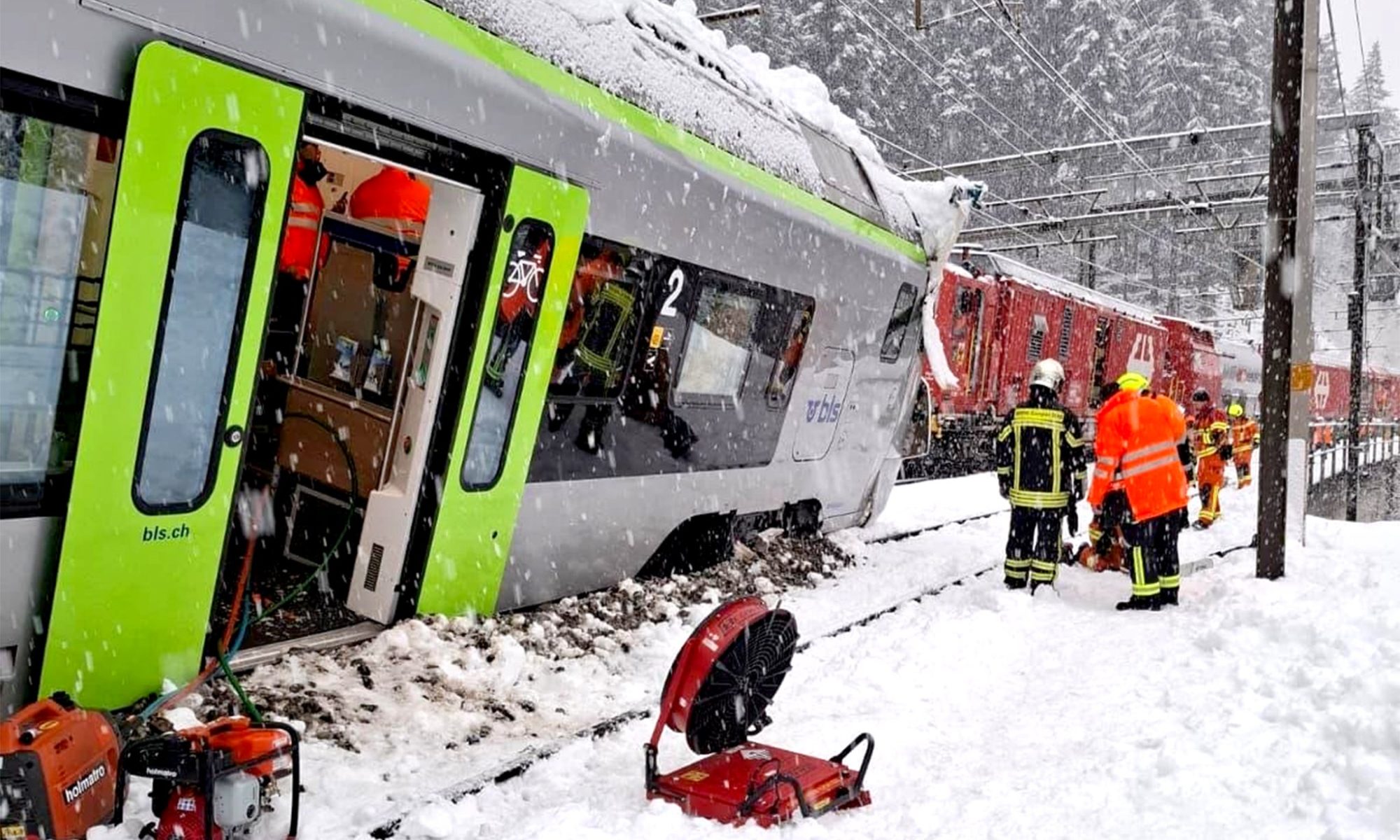
Mountain Infrastructure Risk in the Alps and Pyrenees – transport corridor vulnerability. Photo: Swiss Rail

Transport Disruptions, Climate Pressure & Cross-Border Vulnerability

Why Mountain Infrastructure Now Matters More Than Ever

Mountain Infrastructure Risk in the Alps and Pyrenees is becoming a defining issue for winter tourism, transport planning and climate adaptation. Road closures, rail disruption, avalanche cycles and Olympic logistics pressure are no longer isolated events — they are part of a structural pattern affecting mountain regions.

Mountain Infrastructure Risk in the Alps and Pyrenees is becoming a defining issue for winter tourism, transport planning and climate adaptation. Road closures, rail disruption, avalanche cycles and Olympic logistics pressure are no longer isolated events — they are part of a structural pattern affecting mountain regions, with growing implications for long-term demand dynamics within Alpine ski markets.
  • Rockfall and slope instability
  • Avalanche cycles
  • Freeze–thaw stress
  • Extreme precipitation events
  • Concentrated cross-border traffic dependency

Winter tourism economies rely on a limited number of valleys, passes and rail lines. When one corridor fails, the impact is immediate — economically, logistically and politically.

This hub consolidates coverage across these interconnected risks.

Many of these risks are linked to extreme weather in the Alps, where freeze–thaw cycles and heavy precipitation are increasing.

Continue reading “Mountain Infrastructure Risk in the Alps & Pyrenees”

Flaine Piste Director Pierre Denambride Dies During Operations

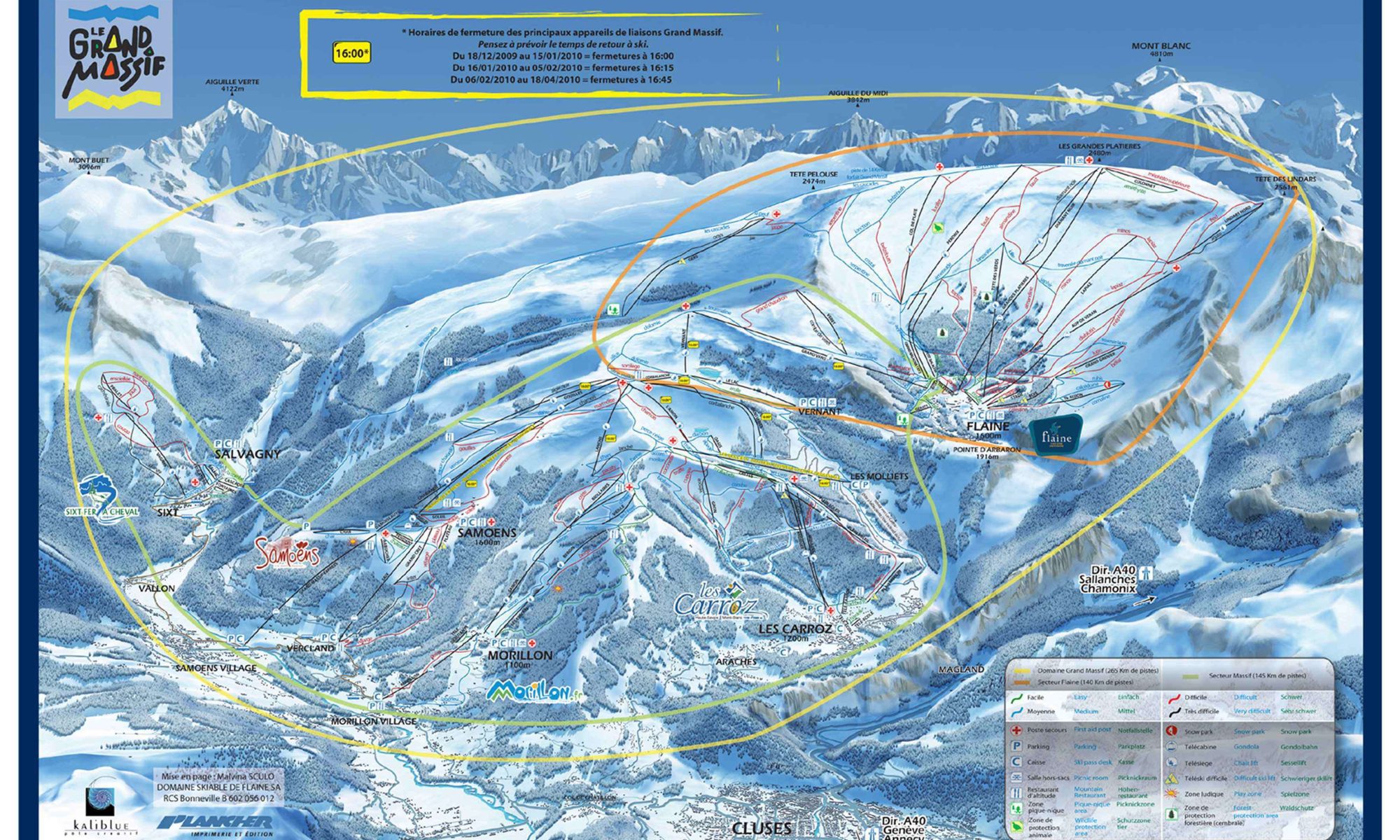
Le Grand Massif ski area. Flaine Piste Director Pierre Denambride Dies During Operations.

The French ski industry is mourning the loss of Pierre Denambride, director of pistes at Flaine in the Grand Massif, who died on 23 February 2026 during operational duties within the ski area.

This follows a series of avalanche incidents across the Alps this February. Full coverage here →February 2026 Avalanche Cycle Across the Alps

According to reporting by Le Dauphiné Libéré, Denambride was carrying out routine domain checks when the tracked quad vehicle he was using overturned. Emergency services responded, but he succumbed to his injuries. Authorities have opened an investigation into the circumstances.

He was 51.

Within Flaine and the wider Haute-Savoie mountain community, his death has been described as “une onde de choc” — a shockwave through the station.

Continue reading “Flaine Piste Director Pierre Denambride Dies During Operations”

Avalanche Control on Ski Slopes: The System Behind “Safe In-Bounds Skiing”

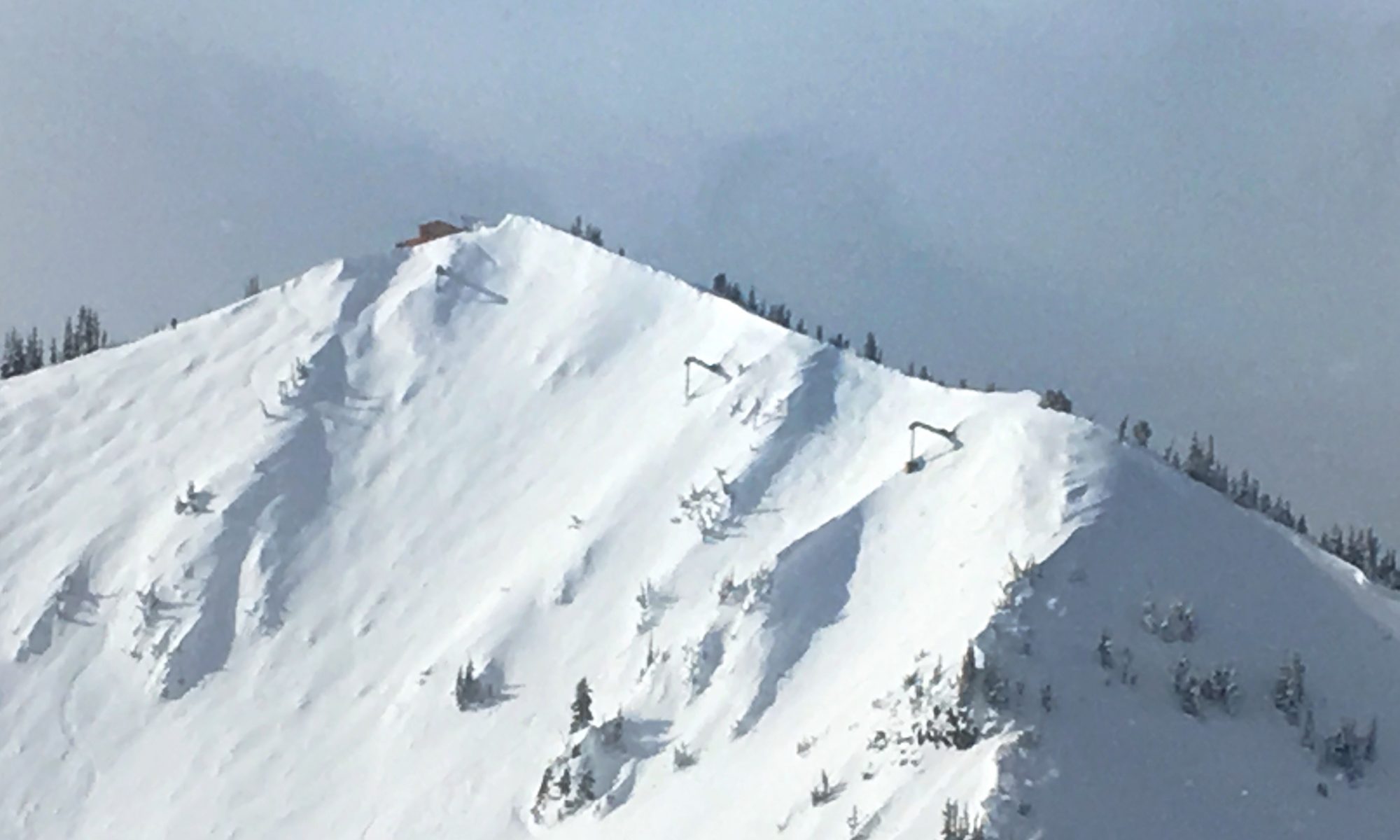
Detail of the Gaz-ex installed at Powder Bowl - photos by Kim Kirchner. High prone avalanche terrain

Most skiers assume that if a run is open, it is avalanche-proof. In reality, ski resorts reduce avalanche risk dramatically — but they cannot eliminate it completely, especially during Level 4 (Strong) and Level 5 (Very Strong) danger periods on the European avalanche danger scale.

During recent Alpine storm cycles, including February 2026, several incidents raised an important operational question: how can an avalanche reach or cross an open piste — and what systems are supposed to prevent that?

This explainer walks through the real-world avalanche control toolkit used by Alpine resorts, and what “extreme conditions” mean for in-bounds safety.


What Is PIDA?

In France, avalanche control on or near ski slopes is typically organised under a PIDA:

Continue reading “Avalanche Control on Ski Slopes: The System Behind “Safe In-Bounds Skiing””

Which Ski Resorts Are Truly Leading Sustainability? A Top 20 Global List

Sôlden. Photo: Vsevolod Belousov. Unsplash. Which Ski Resorts Are Truly Leading Sustainability? A Top 20 Global List

Top 20 Sustainable Ski Resorts: Who’s Leading the Future of Green Skiing

Ski resorts across the world are facing the same challenge: warming winters, unpredictable snow, rising energy costs, and a growing demand for climate responsibility. But some destinations are stepping up with real, measurable initiatives — far beyond “eco-friendly” marketing slogans.

This list highlights 20 ski resorts worldwide that are genuinely leading in sustainability through renewable energy, low-carbon transport, biodiversity protection, efficient snowmaking, and community policies.

These are resorts taking action, not just talking about it.

This article may contain affiliate/compensated links. For full information, please see our disclaimer here. Some links on my website may not function properly if ad blocker is enabled.

Laax between the clouds. Photo: Jorg Angeli. Unsplash. Which Ski Resorts Are Truly Leading Sustainability? A Top 20 Global List.
Laax between the clouds. Photo: Jorg Angeli. Unsplash. Which Ski Resorts Are Truly Leading Sustainability? A Top 20 Global List.. Books your stay at Laax here.


🌿 1. Laax (Switzerland)

Why it leads: One of the world’s most ambitious sustainability programs (“Greenstyle”). Renewable energy, solar panels on lift stations, biodiversity goals, zero-waste projects, circular-economy strategy, and full sustainability reporting.

Book your stay in Laax here.


🌿 2. Zermatt (Switzerland)

Car-free village, electric taxis only, hydro-powered lifts, strong public transport links, and major investment in energy efficiency.

Book your stay in Zermatt here. 


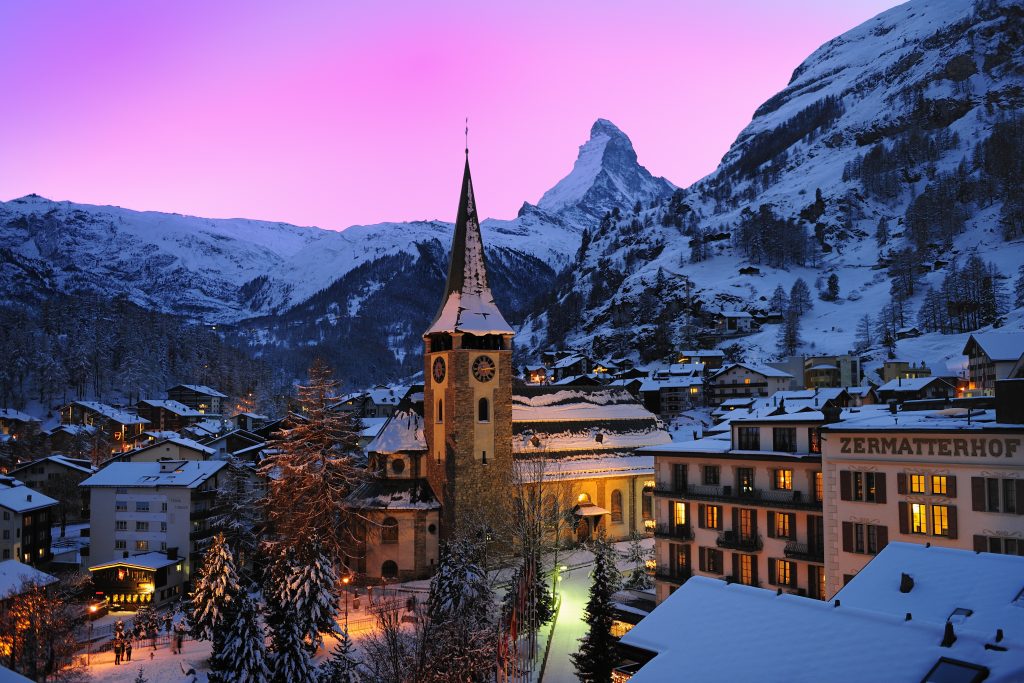
Zermatt Village photo: Leander Wenger- Zermatt Tourism Office. Quarantine Rules Removed in Switzerland as of 4 December
Zermatt Village photo: Leander Wenger- Zermatt Tourism Office. Which Ski Resorts Are Truly Leading Sustainability? A Top 20 Global List. Book your stay in Zermatt here. 

Continue reading “Which Ski Resorts Are Truly Leading Sustainability? A Top 20 Global List”

🏔️ How Mega-Passes Like Epic, Ikon & Dolomiti Superski Influence Skipass Prices: Are They Driving Ski Holiday Inflation?

Family Ski School Instruction in Vail, CO. Photo: Jack Affleck. Vail Resorts.

Do Mega-Passes Like Epic & Ikon Increase Skipass Prices? Understanding Ski Pass Inflation

For years we’ve heard that the price of skiing is going up — but is part of that increase linked to the rise of mega-passes such as Epic, Ikon, Dolomiti Superski, Les 3 Vallées or Grandvalira?

Piste at Brides-les-Bains-Les-Trois-Vallées domain. Photo courtesy of Brides-les-Bains Tourism Office.
Piste at Brides-les-Bains-Les-Trois-Vallées domain. Photo courtesy of Brides-les-Bains Tourism Office. 🏔️ How Mega-Passes Like Epic, Ikon & Dolomiti Superski Influence Skipass Prices: Are They Driving Ski Holiday Inflation?

These multi-resort passes have changed the ski industry dramatically. Millions of skiers around the world now buy a single pass that gives them access to multiple destinations. But behind the convenience, the economics are complex — and often misunderstood.

These multi-resort passes have changed the ski industry dramatically. Millions of skiers around the world now buy a single pass that gives them access to multiple destinations. But behind the convenience, the economics are complex — and often misunderstood.

These pricing dynamics are now central to the debate around the industry, including the Vail and Alterra lawsuit over ski pass pricing.

These mechanisms are not just financial details; they are influencing broader structural shifts in Alpine ski pass demand, particularly as global pass networks expand into traditionally independent European markets.

At the same time, real-world data suggests that this model can stabilise revenues even when skier visits decline.

In this post, I break down how revenue-sharing works, how much resorts may be receiving per skier-day, and whether these systems are pushing skipass prices higher.

Continue reading “🏔️ How Mega-Passes Like Epic, Ikon & Dolomiti Superski Influence Skipass Prices: Are They Driving Ski Holiday Inflation?”