Aspen Snowmass Introduces Flex Pass Model After Challenging Season

The town of Aspen seen from Aspen Mountain, with the recognised Silver Queen Gondola. Photo: Jordan Curet. Courtesy: Aspen Snowmass. The Must-Read Guide to Aspen Snowmass.

Aspen Snowmass has introduced a more flexible season pass structure, offering skiers additional options after a winter marked by inconsistent snow conditions across parts of Colorado.

The move reflects a broader shift within the ski industry, as operators respond to increasing variability in winter conditions and changing consumer behaviour.


A response to an uneven winter

The 2025–26 season has been defined by contrasts. While some periods delivered strong snowfall, others were marked by warmth, low snowpack, and early melt, particularly in parts of the western United States.

For a detailed overview of the resort, terrain, and how to plan a trip, see the Must-Read Guide to Aspen Snowmass.

In this context, flexibility becomes a key selling point. Traditional season passes assume a relatively stable winter, where skiers can plan multiple visits across consistent conditions. That assumption is becoming less reliable.

👉Early Melt Forces Ski Resort Closures Across Colorado & Utah


Continue reading “Aspen Snowmass Introduces Flex Pass Model After Challenging Season”

Global Skier Visits Hit Record 399 Million in 2024–25 Season

Sierra Nevada- Abdiel Mejia. Unsplash.

Global skier visits reached a new all-time high of 399 million during the 2024–25 winter season, surpassing the previous record of 392 million set in 2018–19. The figures come from the latest edition of the International Report on Snow & Mountain Tourism, compiled by Laurent Vanat and presented at the Mountain Planet conference.

The data confirms that global demand for skiing remains resilient, even as the industry faces growing pressure from climate variability, rising costs, and infrastructure constraints.

Continue reading “Global Skier Visits Hit Record 399 Million in 2024–25 Season”

Record Skier Visits vs. Snow Deficit: What 2025 Reveals About the Future of Alpine Skiing

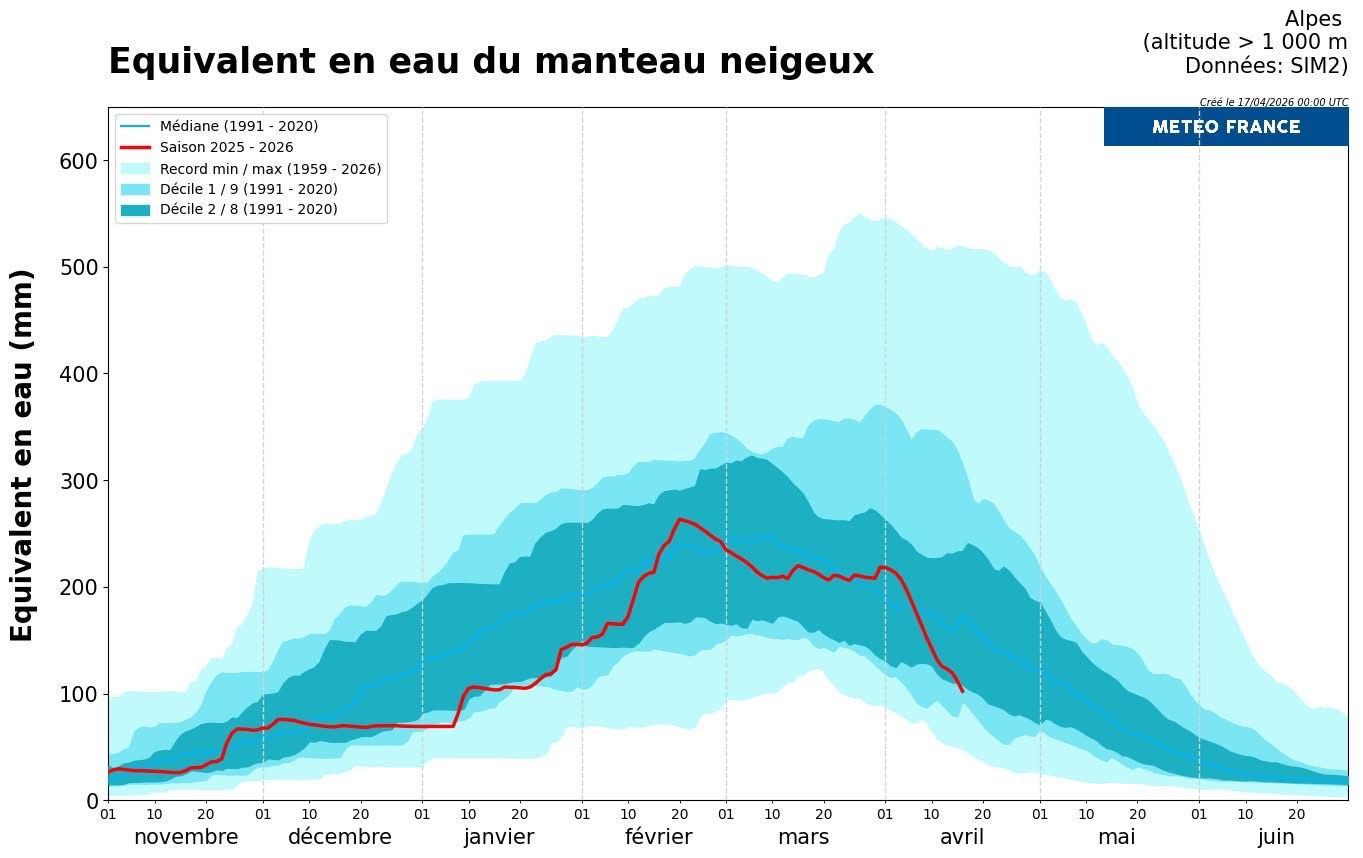
Méteo-France: Equivalent Eau Manteau Neigeux.

The global ski industry has just recorded its strongest season ever, with 399 million skier visits in 2024–25 according to Laurent Vanat. At the same time, snow conditions across large parts of the Alps are showing a very different reality.

As April progresses, data from national weather and avalanche agencies including Météo-France, AINEVA and MeteoSwiss points to a growing snow deficit, particularly across the Southern Alps, where snowpack is now significantly below seasonal norms.

The contrast between record demand and weakening snow reliability is becoming one of the defining features of modern Alpine skiing.

Continue reading “Record Skier Visits vs. Snow Deficit: What 2025 Reveals About the Future of Alpine Skiing”

EU Entry Rules for UK Travellers in 2026: EES Delays, ETIAS Confusion, and What It Means This Summer

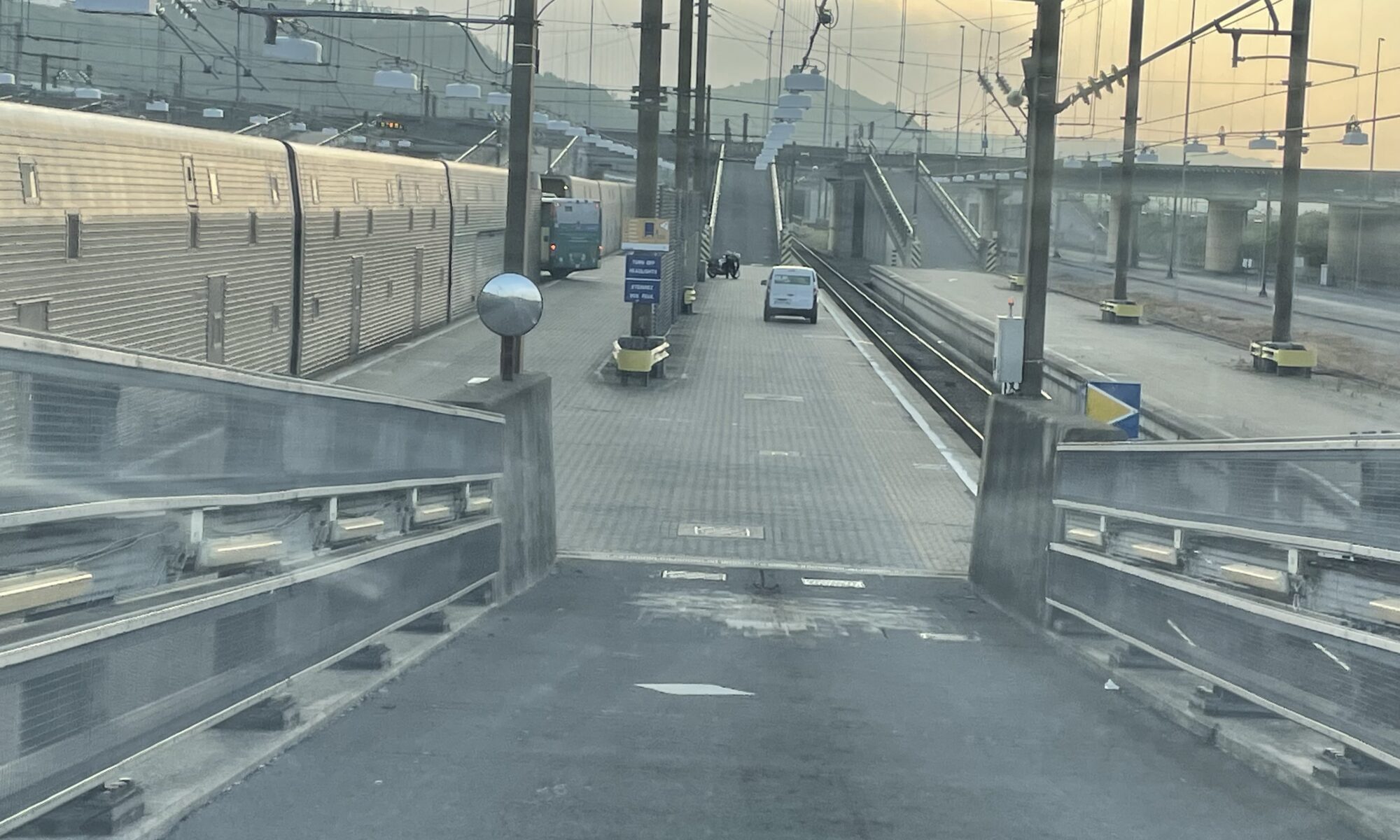
Getting onboard the Eurotunnel from Folkestone to Calais.

Excerpt

UK travellers do not yet need an EU travel authorisation in 2026, but a new biometric border system is already causing delays — and confusion is growing ahead of summer.


Introduction

UK travellers heading to Europe in 2026 are facing a confusing mix of new rules, rumours and partial changes at the border. While many believe a new “EU visa” is already required, the reality is more nuanced — and, in some ways, more disruptive.

There is currently no pre-travel authorisation required for British passport holders entering the Schengen Area. However, a new biometric system is now being implemented at EU borders, and early signs suggest it could significantly affect travel during peak periods.

Continue reading “EU Entry Rules for UK Travellers in 2026: EES Delays, ETIAS Confusion, and What It Means This Summer”

📰 How Much Does an Animal Health Certificate Cost for UK Ski Travellers in 2026?

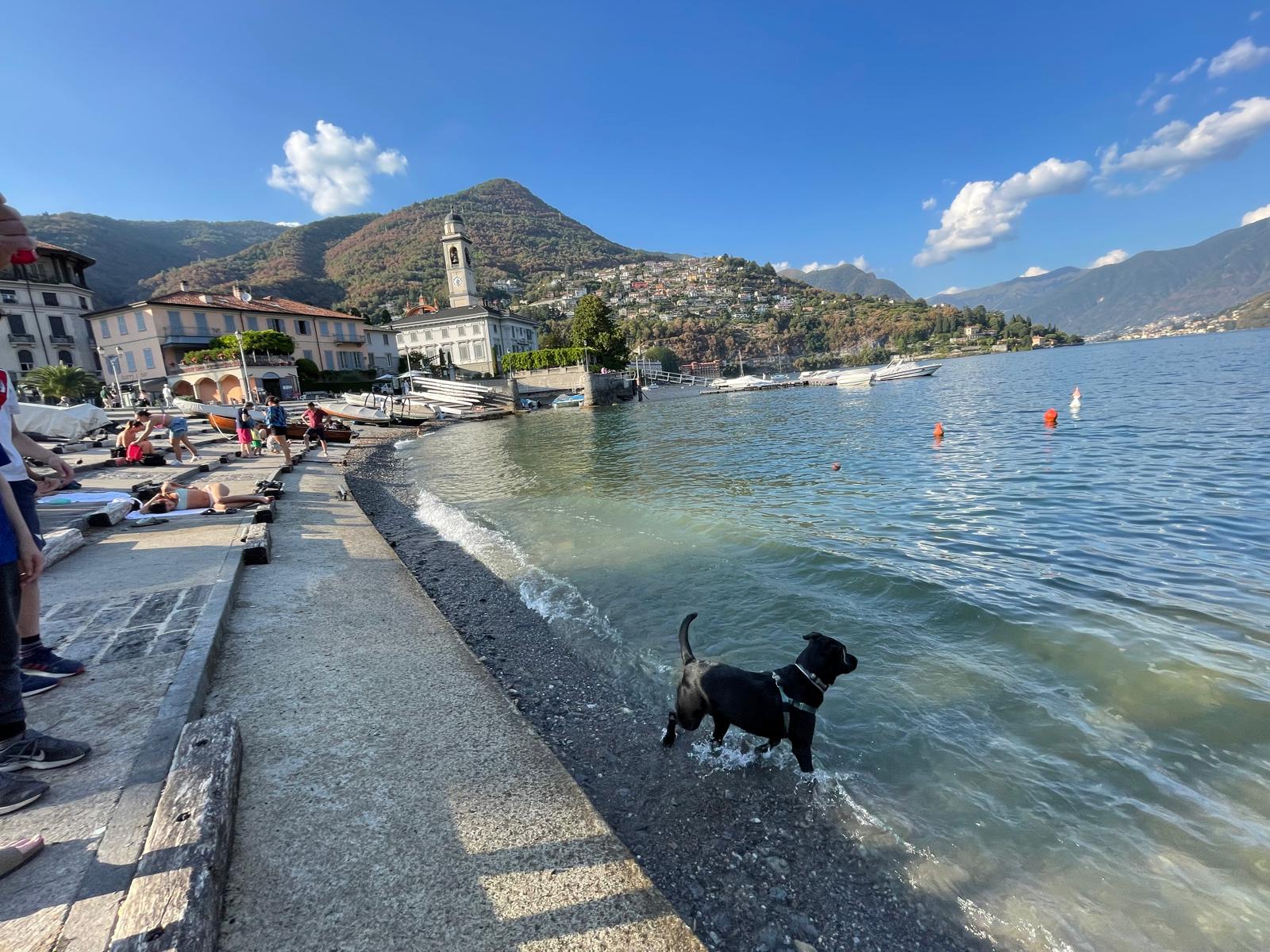
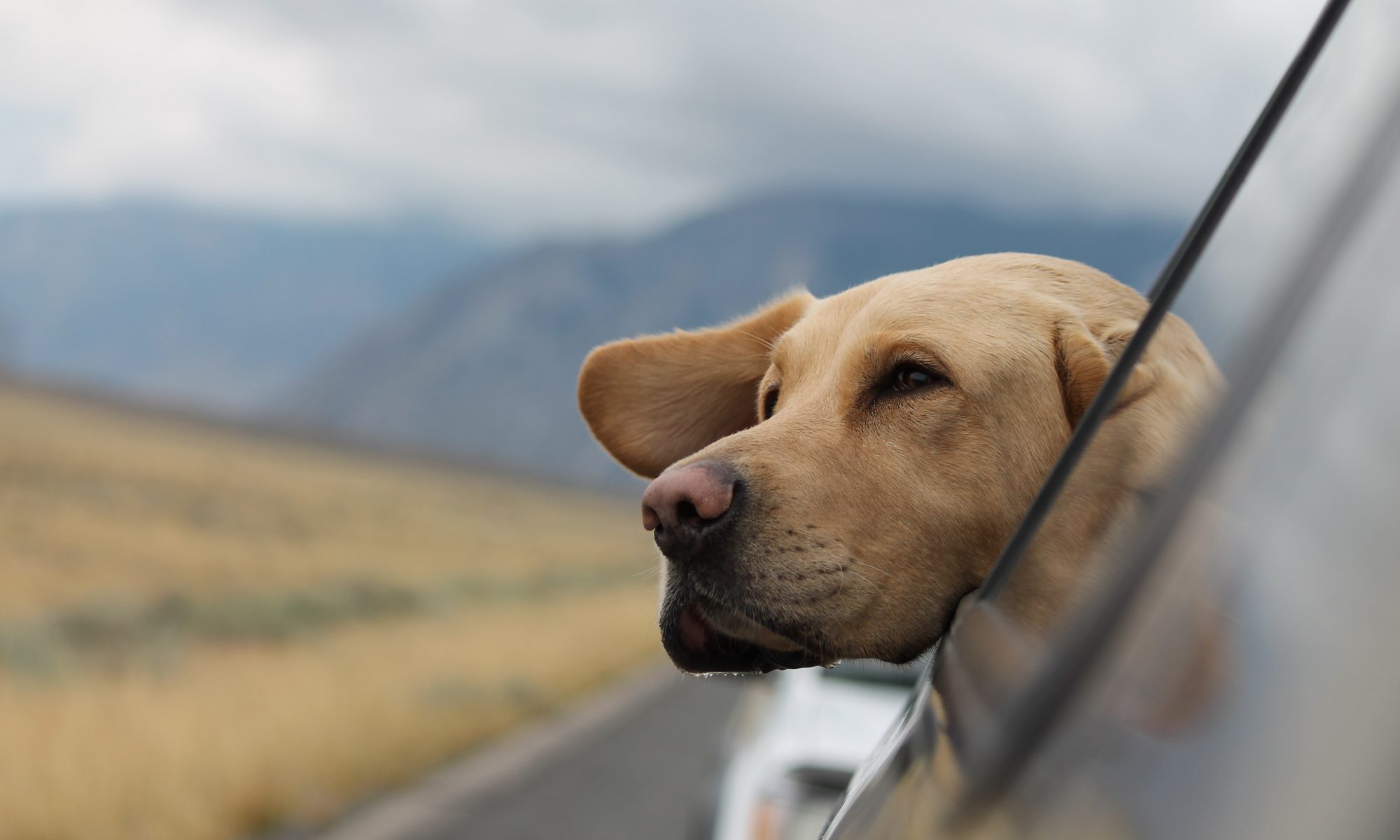
Taking your pup abroad requires now you issue an AHC. Photo: The-Ski-Guru. Ozzy in Cernobbio, Lago di Como.

A New Cost for Travelling to the Alps with a Dog

From April 2026, the cost of travelling to the Alps with a dog from the UK has changed in a very tangible way. With EU pet passports no longer valid for UK residents, each trip into Europe now requires an Animal Health Certificate, issued by a vet shortly before departure.

This introduces a recurring expense that did not previously exist for frequent travellers. For those driving regularly to destinations such as Chamonix or Courmayeur, the impact is immediate and practical.

For a full overview of the rule change, see UK Dog Travel to the Alps Changes from April 2026

Continue reading “📰 How Much Does an Animal Health Certificate Cost for UK Ski Travellers in 2026?”

📰 Can UK Dog Owners Still Use an EU Pet Passport in 2026?

Travelling into Europe with your pet post-Brexit. Photo: Lauren Guardala. Unsplash.

The Short Answer Has Changed

From 22 April 2026, UK-based dog owners can no longer rely on an EU pet passport to travel into the European Union. Even if the passport was issued in an EU country, it is no longer valid where the owner is resident in Great Britain.

This marks the end of a workaround that many travellers continued to use in the years following Brexit. The rule itself is not entirely new, but enforcement is now clear and consistent.

For those regularly driving to Alpine destinations such as Chamonix or Courmayeur, this is a practical change that directly affects how trips are planned.

For a full breakdown of how these changes affect Alpine travel, see: UK Dog Owners Face New Travel Rules to the Alps from April 2026

Continue reading “📰 Can UK Dog Owners Still Use an EU Pet Passport in 2026?”

📰 UK Dog Owners Face New Travel Rules to the Alps from April 2026

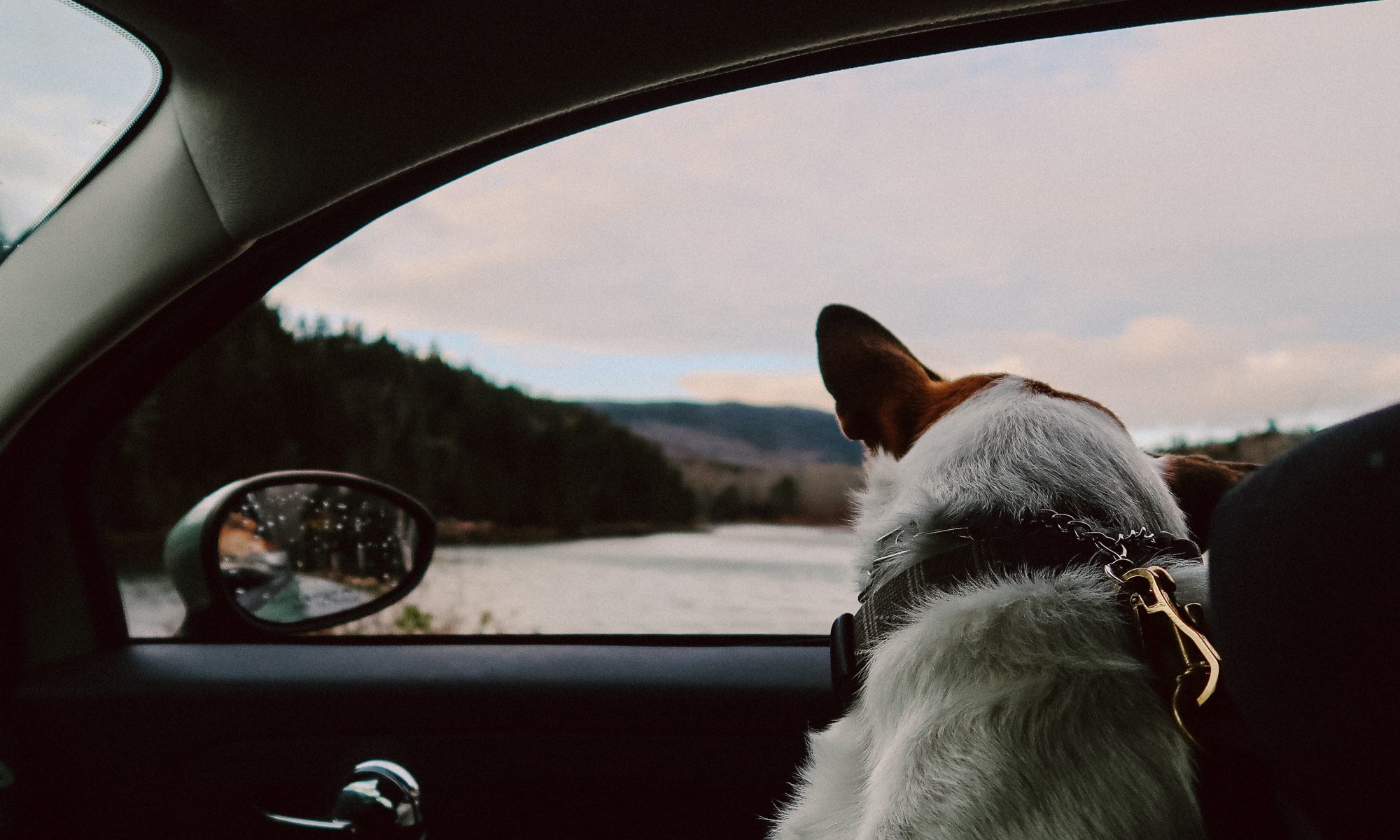
Taking your pet in your car. Photo by Emerson Peters. Unsplash. UK Dog Owners Face New Travel Rules to the Alps from April 2026

The End of EU Pet Passports for UK Residents

From 22 April 2026, UK-based dog owners travelling to the Alps will face a significant change: EU pet passports will no longer be accepted for entry into the European Union if the owner is resident in Great Britain.

This closes a long-used workaround where UK travellers obtained EU-issued pet passports abroad to avoid repeated paperwork. From this date, the rule is clear. UK residents must travel under third-country rules, and that means using an Animal Health Certificate for every trip.

For those driving regularly to resorts such as Chamonix or crossing into Italy via Courmayeur, the impact is immediate and practical rather than theoretical.

For a quick answer to the most common question, see 

Can UK dog owners still use an EU pet passport in 2026?.

Continue reading “📰 UK Dog Owners Face New Travel Rules to the Alps from April 2026”

The Future of Ski Resorts: What the 2026 Mountain Planet’s Innovation Book Reveals

The Future of Ski Resorts: What the 2026 Mountain Planet's Innovation Book Reveals

The latest edition of the Innovation Book, released alongside the Mountain Planet trade show, offers a detailed snapshot of how the ski industry is attempting to adapt to a rapidly changing environment. Rather than simply showcasing new products, it provides insight into the direction of travel for ski resorts facing increasing pressure from climate variability, operational costs and shifting visitor expectations.

What emerges is not a single breakthrough, but a pattern. Across snowmaking, infrastructure, digital systems and mobility, the focus is on optimisation, efficiency and resilience rather than expansion.

Snowmaking Becomes Precision Infrastructure

One of the clearest themes running through the Innovation Book is the continued evolution of snowmaking. The emphasis is no longer on producing more snow, but on producing it more efficiently, using less water and energy while adapting to narrower temperature windows.

This reflects a structural shift already visible across the Alps. Resorts are increasingly dependent on artificial snow not as a supplement, but as a core layer of their operating model. The innovations presented focus on automation, real-time monitoring and improved targeting of snow production, allowing operators to respond quickly to changing conditions.

👉 You can read more about the broader context in Snow Conditions in a Warming Alpine Climate 

Digitalisation Moves to the Core of Operations

Another dominant trend is the integration of digital tools into daily resort management. From predictive maintenance of lift systems to data-driven crowd management and real-time operational dashboards, resorts are becoming increasingly reliant on data.

Continue reading “The Future of Ski Resorts: What the 2026 Mountain Planet’s Innovation Book Reveals”

France Fines ESF Instructor Union €3.4M in Competition Ruling — What It Means for Ski Schools and Tour Operators

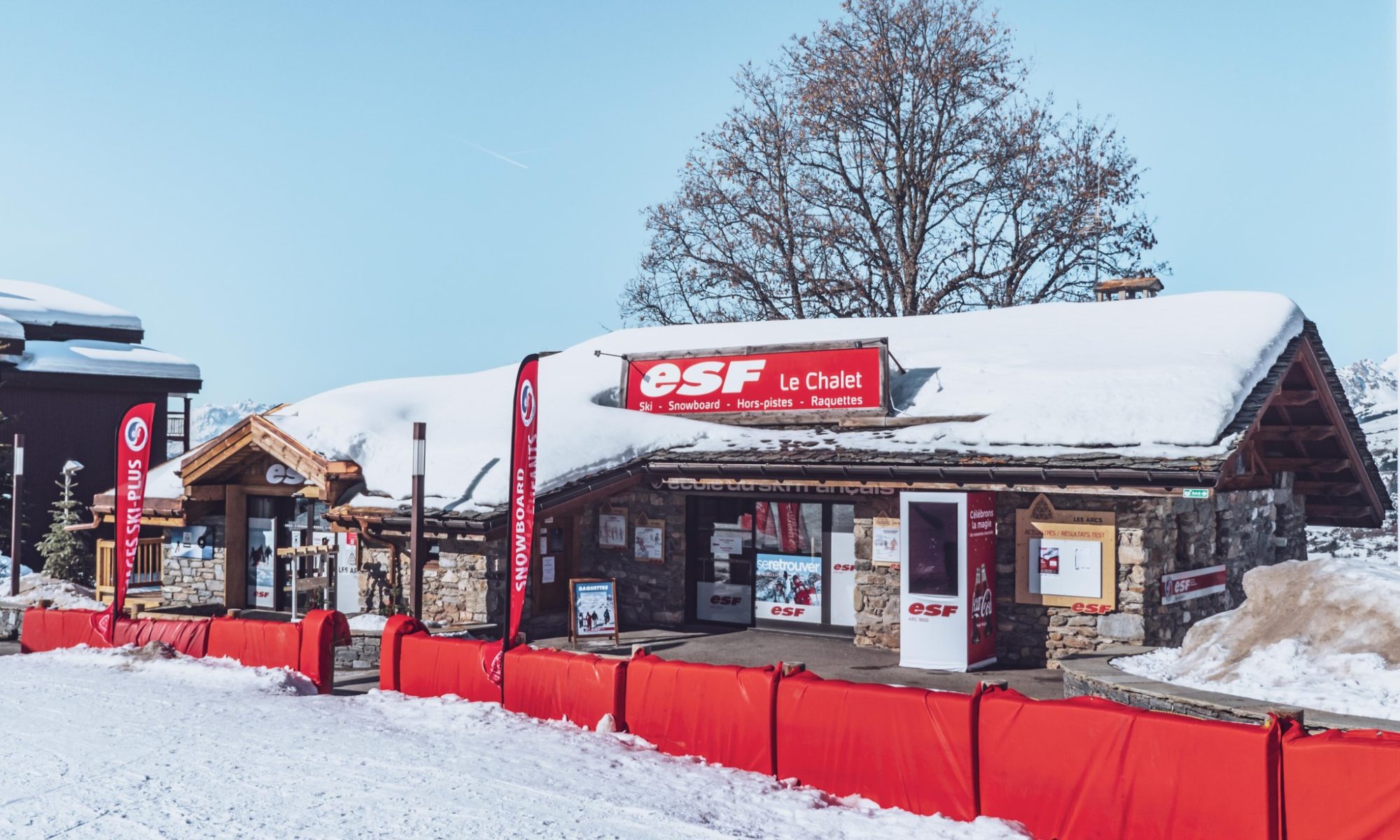
Photo: ESF Val Thorens Facebook page.

A €3.4 Million Fine That Challenges the French Ski School Model

France’s Autorité de la concurrence has fined the Syndicat national des moniteurs du ski français €3.4 million, in a decision that could have far-reaching implications for how ski instruction operates across the Alps.

At the centre of the ruling is the long-standing structure of the École du ski français, which dominates ski lessons in most French resorts.

The authority concluded that rules governing instructors’ affiliation with ESF restricted their ability to work independently or with competing schools, effectively limiting competition in the market.

Continue reading “France Fines ESF Instructor Union €3.4M in Competition Ruling — What It Means for Ski Schools and Tour Operators”

Snowmaking in the Alps: Solution, Illusion, or Escalating Cost?

Photo: Technoalpin - Carezza Resort.

Introduction

As explored in our analysis of low altitude Alps snow conditions in March 2026, natural snow is becoming increasingly variable and unreliable, particularly below 1,800 metres.

In response, Alpine resorts have turned to snowmaking as a critical tool to maintain operations and ensure continuity across the ski season.

This raises a fundamental question. Can snowmaking truly replace natural snow reliability, or does it introduce a new set of limits and dependencies?


The Rise of Snowmaking Dependency

Across much of the Alps, snowmaking has moved from being a supplementary tool to a central component of resort operations. It is now used to secure key pistes, maintain connections between ski areas, and guarantee early-season openings. In some destinations, skiing during certain periods would not be possible without artificial snow. This shift reflects a growing dependence on controlled snow production as natural conditions become less predictable.

Continue reading “Snowmaking in the Alps: Solution, Illusion, or Escalating Cost?”