Vallorcine Avalanche Kills Ski Patroller as Deadly Alpine Weekend Unfolds

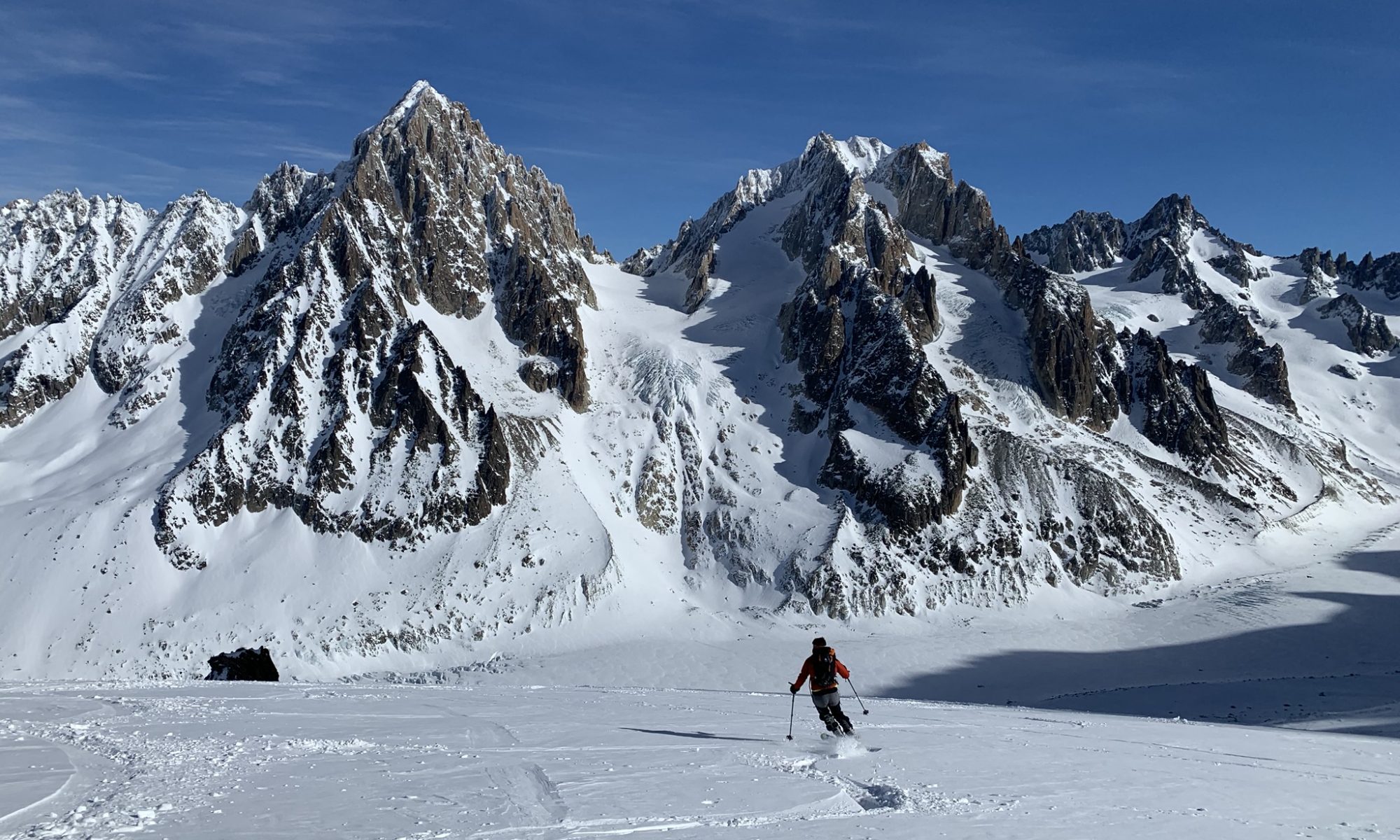
Ski de Randonnée in Chamonix. Photo: Christophe Raylat. OT Chamonix. Best ski resorts for a weekend trip

Vallorcine Avalanche Kills Ski Patroller Amid Deadly Alpine Weekend

A fatal avalanche in Vallorcine has claimed the life of a ski patroller working in the La Flégère sector of the Chamonix-Mont-Blanc domain.
The tragedy occurred on Sunday and has since been confirmed as part of a deadly avalanche weekend across the French Alps, with at least six fatalities reported nationwide.

According to updated reporting, the victim was a 32-year-old pisteur-secouriste, a father of young children, who was working on the mountain at the time of the avalanche. Despite a rapid response, he did not survive his injuries.

Continue reading “Vallorcine Avalanche Kills Ski Patroller as Deadly Alpine Weekend Unfolds”
Avalanche Activity Across the Alps & Pyrenees: Widespread Instability Raises Concerns (11–12 January 2026)

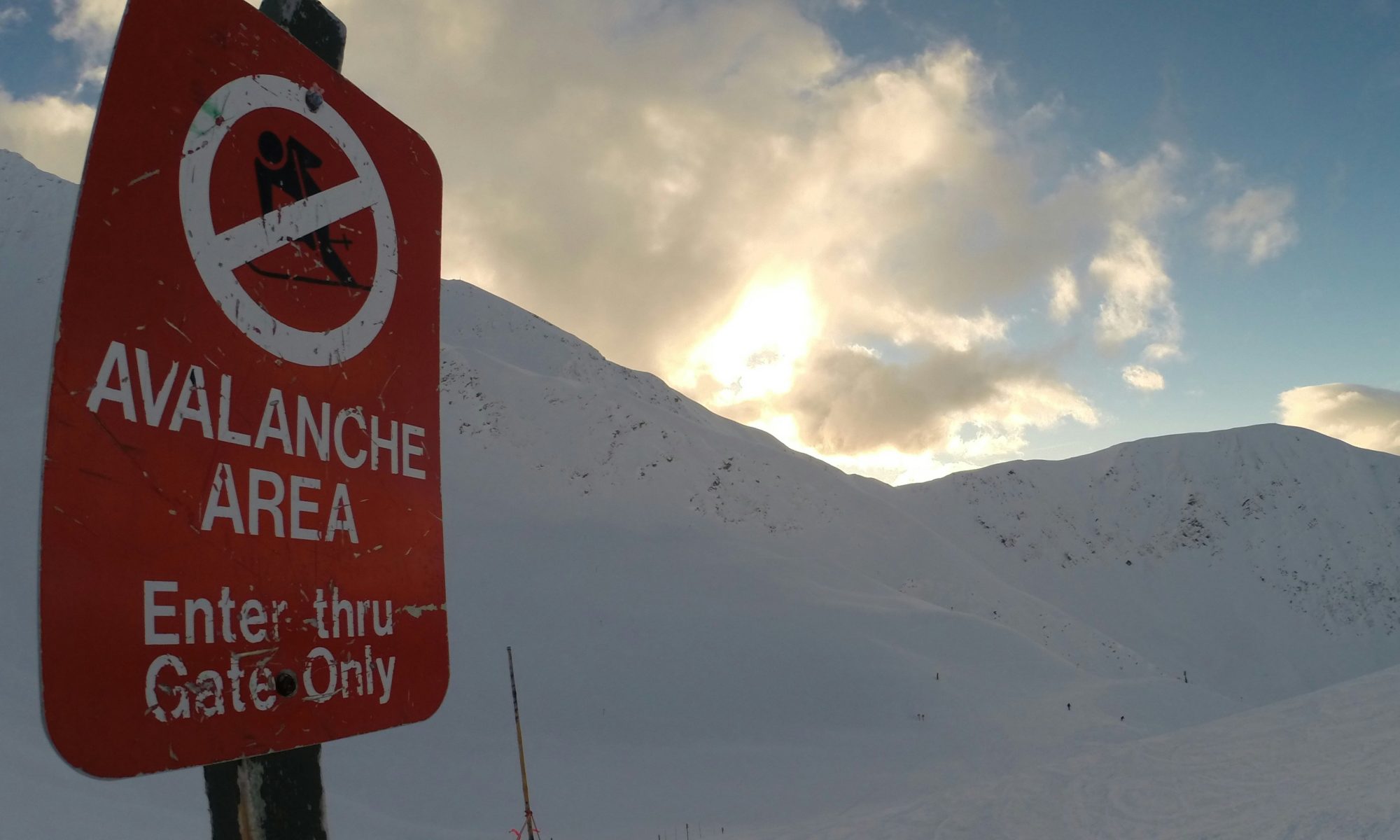
Avalanche danger sign. Photo: Bruce Warrington- Unsplash. Avalanche Activity Across the Alps & Pyrenees: Widespread Instability Raises Concerns (11–12 January 2026).

⚠️ A Concerning Weekend for Avalanche Safety in Europe’s Mountains

The weekend of 11–12 January 2026 saw a notable concentration of avalanche incidents and heightened warningsacross the Alps and the Pyrenees, affecting France, Italy, Switzerland and Austria.

Several skier-triggered avalanches, alongside spontaneous releases, confirm that snowpack instability remains widespread, particularly at higher elevations and on wind-loaded aspects.

This comes just days after fatal and serious avalanche incidents in the Aosta Valley, reinforcing the need for continued vigilance across all Alpine regions.

Continue reading “Avalanche Activity Across the Alps & Pyrenees: Widespread Instability Raises Concerns (11–12 January 2026)”

Foehn Winds and Rising Avalanche Risk in the Alps: What Skiers Need to Know

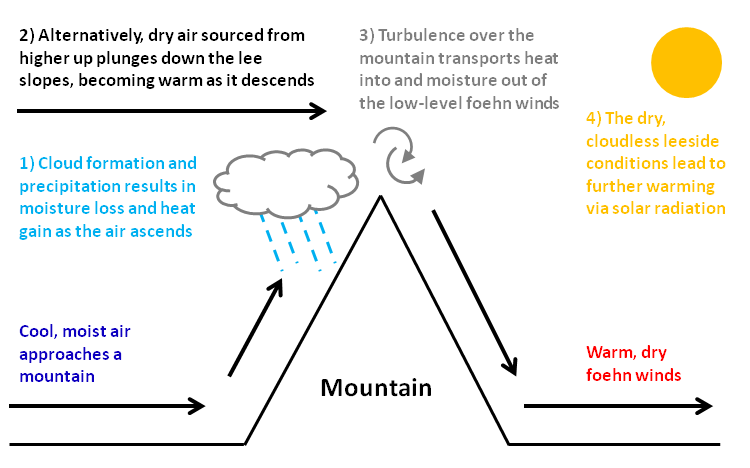
Foehn Wind graphic. Wikipedia. Foehn Winds and Rising Avalanche Risk in the Alps: What Skiers Need to Know.

🌬️ Why Foehn Winds Matter for Avalanche Safety

Foehn winds are a well-known meteorological phenomenon in the Alps, but their impact on avalanche risk is often underestimated by skiers and snowboarders.

While foehn conditions are sometimes associated with clear skies and warmer temperatures, they can significantly destabilise the snowpack, increasing the likelihood of dangerous slab avalanches, especially in off-piste and backcountry terrain.


What Are Foehn Winds?

Foehn winds are strong, dry downslope winds that occur when air masses cross the Alps and descend on the leeward side, warming rapidly as they lose moisture.

They are common across:

  • Italian Alps
  • Swiss Alps
  • Austrian Alps
  • French Alps

In Italy, foehn is often referred to as favonio, while in Austria and Germany it is known as Föhn.


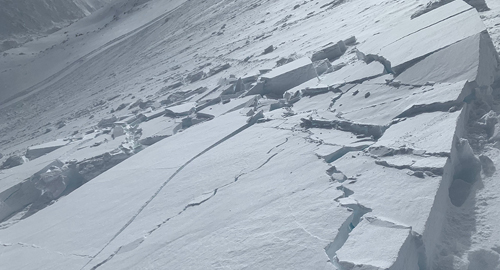
Wind slab. Scottish Avalanche Information Service. Sais.gov. Foehn Winds and Rising Avalanche Risk in the Alps: What Skiers Need to Know.

Continue reading “Foehn Winds and Rising Avalanche Risk in the Alps: What Skiers Need to Know”

Why Wind Is One of the Most Dangerous Avalanche Triggers

A wind slab- photo: Avalanche.org. Why Wind Is One of the Most Dangerous Avalanche Triggers.

🌬️ The Hidden Role of Wind in Avalanche Accidents

When people think about avalanches, they often focus on heavy snowfall. In reality, wind is one of the most powerful — and underestimated — avalanche triggers in the mountains.

Wind can rapidly transform otherwise manageable snow conditions into high-risk terrain, often within hours, and frequently during periods of good weather and visibility when more people are on the mountain.


How Wind Affects the Snowpack

❄️ Snow Transport: Moving the Problem Elsewhere

Wind does not simply remove snow — it redistributes it.

  • Snow is stripped from wind-exposed ridges and faces
  • It is deposited on lee slopes, gullies, bowls and rollovers
  • Dense slabs form over weaker underlying layers

These slabs can be triggered by:

  • A single skier
  • A small additional load
  • Sometimes days after the wind event


Continue reading “Why Wind Is One of the Most Dangerous Avalanche Triggers”