

What’s confirmed — and what isn’t — in Colorado and California
Introduction
In recent days, rumors of immigration enforcement activity in Vail, Colorado, have triggered fear and uncertainty across the local community — particularly among Latino and immigrant workers who form a vital part of the ski resort workforce.
Unverified reports circulating on social media suggested the presence of U.S. Immigration and Customs Enforcement (ICE) in the area, prompting anxiety among residents and leading some businesses to close early, despite a lack of official confirmation from authorities.
What happened in Vail, Colorado?
According to reporting by the Vail Daily, rumors of ICE activity spread rapidly through messaging apps and local social media channels, creating alarm among workers and families in the Vail Valley.
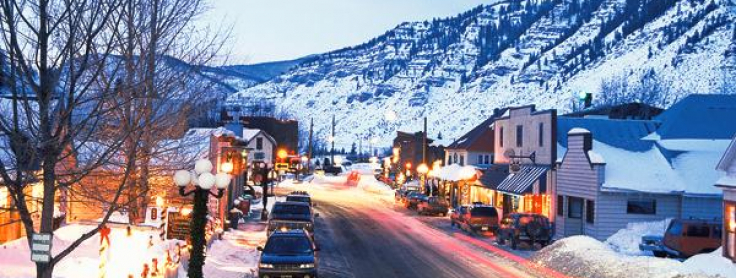
Local officials later stated they were not aware of any coordinated ICE operation in Vail at the time, highlighting how quickly fear can escalate in resort towns where a significant portion of the workforce is immigrant or from mixed-status families.
👉 Source:
https://www.vaildaily.com/news/rumored-ice-activity-strikes-fear-in-vail/
The incident underscores how rumors alone can disrupt daily life and local businesses, even in the absence of verified enforcement actions.
Is this happening elsewhere in Colorado ski country?
Concerns are not limited to Vail. Similar fears have been reported in other Colorado mountain communities tied closely to the ski industry.
A report by Denver7 confirmed that ICE activity has taken place in some Colorado mountain towns, including Summit County. However, the report also clarified several important points:
- ICE actions were not publicly announced in advance
- Local police departments said they were not coordinating with federal immigration enforcement
- No confirmed workplace raids at ski resorts were reported
- Much of the concern stemmed from rumors and circulating videos, rather than verified operations
👉 Denver7 report:
https://www.denver7.com/news/mountains/ice-activity-reported-in-colorado-mountain-towns-sparking-community-concerns
While immigration enforcement in mountain regions is real, there is currently no public evidence that ski resorts themselves are being targeted as worksites.
What about California ski resorts?
In California, immigration enforcement has historically focused on sectors such as agriculture, logistics, and manufacturing. At present, there are no credible reports of ICE activity targeting ski resorts or resort employees.
Major ski areas in Lake Tahoe and Mammoth Mountain depend heavily on Latino and immigrant labor, yet no verified news coverage indicates raids or enforcement actions occurring on resort property during the current winter season.
That said, worker advocates note that fear often spreads faster than facts, particularly in seasonal economies where housing is shared and information circulates informally.
Why rumors hit ski resort towns especially hard
Ski resort communities are uniquely vulnerable to this type of fear because they:
- rely heavily on Latino and immigrant workers in hospitality, lifts, food service, housekeeping, and maintenance
- operate in small, tightly connected towns, where misinformation spreads quickly
- already face pressure from housing shortages and seasonal employment insecurity
Even unconfirmed reports of ICE activity can cause workers to stay home, disrupt operations, and heighten stress during the peak winter tourism season.
Bottom line
- ✔ Confirmed: ICE activity has occurred in some Colorado mountain towns
- ❌ Not confirmed: targeted ICE raids at ski resorts or resort workplaces
- ⚠️ Very real: fear and anxiety among Latino and immigrant workers in ski communities
As of now, the situation in Vail appears to be driven by rumor rather than an announced enforcement operation, but it highlights how fragile resort economies can be when uncertainty takes hold.
What ICE can — and cannot — legally do at workplaces (U.S.)
U.S. Immigration and Customs Enforcement (ICE) has the authority to enforce federal immigration law, but its powers at workplaces are not unlimited.
In general:
- ICE may enter public areas of a workplace (such as a reception area or shop floor open to the public) without a warrant.
- ICE cannot enter private or restricted areas (offices, staff-only areas, kitchens, back-of-house spaces, staff housing) without consent or a valid judicial warrant.
- Administrative warrants issued by ICE do not automatically grant access to non-public areas.
- Employers and employees have the right to ask to see a warrant and verify its scope.
Importantly:
- ICE actions are governed by federal law, but local police and municipalities are not required to assist, depending on state and local policies.
- Rumors of enforcement activity can circulate even when no active operation is taking place, which is why verified information from official sources is critical.
This explainer is provided for general information only and does not constitute legal advice.
U.S. Immigration and Customs Enforcement (ICE) can enforce federal immigration law at workplaces, but its powers are limited. ICE may enter public areas of a workplace without a warrant, but it cannot access private or staff-only areas without consent or a valid judicial warrant.
No. ICE cannot enter private or restricted areas such as offices, kitchens, back-of-house spaces, or staff housing without consent or a valid judicial warrant.
Yes. Employers and employees have the right to ask to see a warrant and verify what areas it authorizes ICE to access.
ICE actions are governed by federal law, but local police and municipalities are not required to assist, depending on state and local policies.
No. Rumors of enforcement activity can circulate even when no active ICE operation is taking place. This is why relying on verified information from official sources is important.
📚 More reading
To better understand the broader context behind workforce vulnerability in ski towns, you may also want to read:
👉 Who Keeps Ski Resorts Running? Labour, Housing, and Staffing Challenges in U.S. Mountain Towns
A deep dive into why ski resorts across Colorado, California, and other U.S. mountain regions are struggling to recruit and retain workers — and how housing shortages and labour pressures are reshaping winter tourism.
 Planning your next trip to the Italian Alps?
 Planning your next trip to the Italian Alps?
If you’re heading to the Aosta Valley, take a look at Il Cuore della Valdigne, our family-owned apartment in Morgex, available for rent when we’re not using it ourselves.
It’s an ideal base to:
- Ski in Courmayeur, La Thuile and Pila
- Enjoy the mountains in summer (hiking, biking, nature)
- Explore the Mont Blanc valley in a quieter, more authentic setting.
 Ski in Courmayeur,
 Enjoy the mountains in summer (hiking, biking, nature)
Check my Mountain Art on my Shop
You can go to my shop and see what have been inspiring me lately, lots mountain landscapes in soft pastels, and now in oils too. Go here to check my latest works!

Featured Image: Vail front of mountain ski map. Rumored ICE Activity Sparks Fear in Colorado Ski Towns.


Discover more from The-Ski-Guru
Subscribe to get the latest posts sent to your email.
 Subscribe to The-Ski-Guru here.
You must be logged in to post a comment.