


I tested the RS2 ski goggles from Panda Optics during my Christmas holidays skiing in Pila (Aosta Valley) — and they genuinely ended up saving my ski day.
I’ll be honest from the start: at first, I didn’t immediately understand how the lens-change system worked. You need to open a small side tab to release the lens. Once I realised that, the whole system made sense. The lenses are held in place by very strong magnets, and once fitted, they feel solid and secure.
Flat Light, Snowfall… and Why These Goggles Mattered
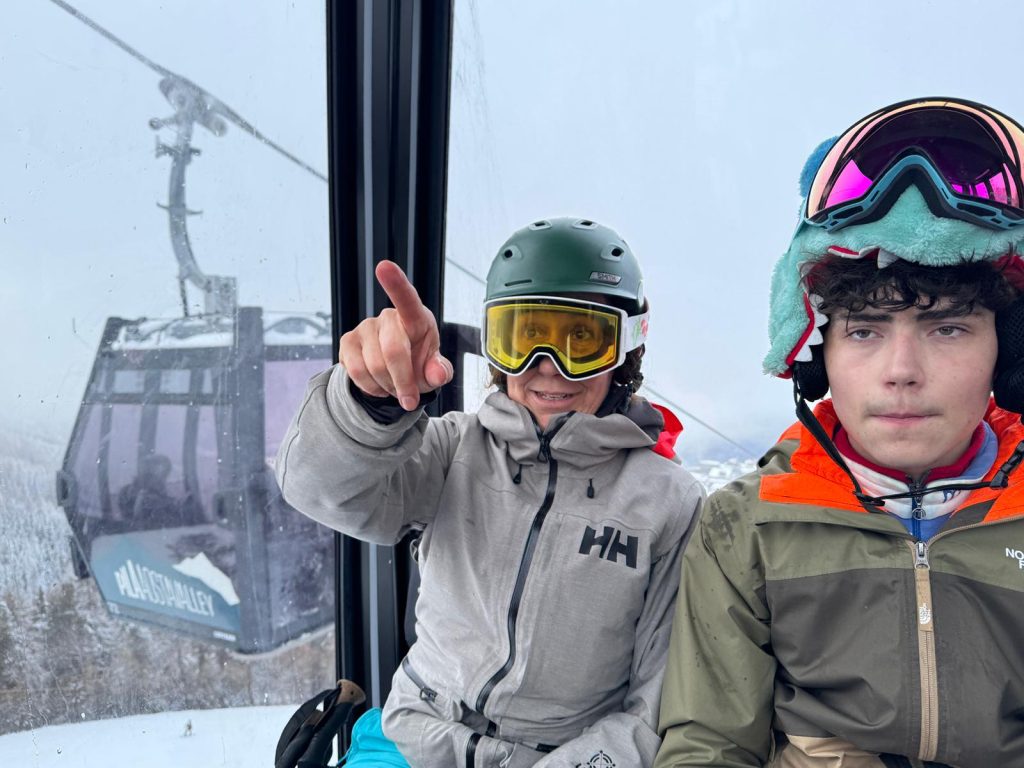
The first day I used the RS2 goggles, visibility was really poor. Heavy snowfall combined with flat light meant the slope almost disappeared — that classic white-on-white situation where depth perception vanishes.
I normally ski with sunglasses, switching to goggles only when it’s actively snowing. On sunny days, this is simply a personal preference. I also use an older pair of Panda sunglasses with interchangeable lenses, which I’m very comfortable with in good visibility.
That day in Pila, sunglasses were not an option.
The RS2 goggles allowed me to:
- Distinguish the texture of the snow
- Read subtle changes in the surface
- Keep skiing safely and confidently, even when the light was completely flat
Without them, I would very likely have stopped skiing.
A Familiar Test: Skiing “Blind”
This experience brought back memories of skiing in Las Leñas, Argentina. Anyone who has skied there knows that when it snows, visibility can be brutal — no trees, no reference points, just white everywhere. You learn to ski almost “blind”, relying on balance, rhythm, and feel.
That day in Pila felt similar. The clarity through the RS2 goggles didn’t magically create contrast where none existed, but it gave me enough definition to read the terrain and keep skiing in control — which, in flat-light conditions, is exactly what matters.
Everyday Use vs Personal Preference
With the regular polarised lens, the Panda Optics RS2 goggles are perfectly suitable for everyday skiing, including sunny days. Optical clarity is good enough to use them as your main goggles throughout the season.
That said, this really comes down to personal preference. On bright, sunny days I still prefer skiing with sunglasses. This isn’t a limitation of the goggles — it’s simply how I like to ski.
When snowfall starts or the light goes flat, the RS2 goggles immediately become the better — and safer — option.
Lens System and Practical Use on Snow
Once I understood the side-release mechanism:
- Lens changes were quick and intuitive
- The magnetic hold felt reassuringly strong
- The lens stayed firmly in place, even in difficult conditions
This is especially important when visibility is poor and temperatures are low — you don’t want fiddly gear when standing on a windy slope wearing gloves.
Who These Goggles Are For
Based on real use, the Panda Optics RS2 goggles are a good fit if you:
- Ski in variable weather
- Often encounter flat light or snowfall
- Want a secure magnetic lens system
- Prefer goggles when conditions really demand them
They’re not just about comfort — in challenging conditions, they become a safety tool.
Pros and Considerations (Real-World Use)
✔ Pros
- Very strong magnetic lens system
- Clear vision in flat light and snowfall
- Secure fit with no lens movement
- Suitable for everyday skiing with the polarised lens
- Particularly useful in poor visibility
⚠ Considerations
- Lens release requires using the side tab (not immediately obvious at first)
- If you strongly prefer sunglasses in bright sun, you may not use them every day
- As with any goggles, lens choice matters depending on conditions
Final Thoughts
Compared with entry-level goggles or older models with basic lenses, the RS2 offers noticeably better clarity and lens stability in poor visibility.
The Panda Optics RS2 goggles didn’t just improve comfort — they kept me skiing when visibility was at its worst. For anyone who has hesitated at the top of a run because they couldn’t properly see the snow surface, that alone is a strong reason to consider them.
They are now firmly part of my kit for snowy and flat-light days.
If you want to see the exact model I tested, you can find it here.
Disclosure: The Panda Optics RS2 goggles were provided to me as a gift. This review reflects my own experience and honest opinion.
 Planning your next trip to the Italian Alps?
 Planning your next trip to the Italian Alps?
If you’re heading to the Aosta Valley, take a look at Il Cuore della Valdigne, our family-owned apartment in Morgex, available for rent when we’re not using it ourselves.
It’s an ideal base to:
 Ski in Courmayeur,
 Enjoy the mountains in summer (hiking, biking, nature)
Check my Mountain Art on my Shop
You can go to my shop and see what have been inspiring me lately, lots mountain landscapes in soft pastels, and now in oils too. Go here to check my latest works!

Featured Image: Wearing my Panda Optics Goggles in the gondola, ready to get out to ski in a very bad visibility day. Photo: The-Ski-Guru. Panda Optics RS2 Goggles Review: Tested in Flat Light and Snowfall.


Discover more from The-Ski-Guru
Subscribe to get the latest posts sent to your email.
 Subscribe to The-Ski-Guru here.
You must be logged in to post a comment.