


Introduction
As explored in our analysis of low altitude Alps snow conditions in March 2026, natural snow is becoming increasingly variable and unreliable, particularly below 1,800 metres.
In response, Alpine resorts have turned to snowmaking as a critical tool to maintain operations and ensure continuity across the ski season.
This raises a fundamental question. Can snowmaking truly replace natural snow reliability, or does it introduce a new set of limits and dependencies?
The Rise of Snowmaking Dependency
Across much of the Alps, snowmaking has moved from being a supplementary tool to a central component of resort operations. It is now used to secure key pistes, maintain connections between ski areas, and guarantee early-season openings. In some destinations, skiing during certain periods would not be possible without artificial snow. This shift reflects a growing dependence on controlled snow production as natural conditions become less predictable.
The Temperature Constraint
Despite its importance, snowmaking is not a universal solution. It depends on sufficiently low temperatures and favourable atmospheric conditions. As winters warm, the window for producing artificial snow becomes narrower. This creates a structural paradox. Resorts increasingly rely on snowmaking, yet the conditions required to produce it are becoming less frequent. This tension is likely to shape future investment and operational decisions across the industry.
Water and Energy: The Hidden Costs
Snowmaking requires substantial resources, particularly water and energy, as well as extensive infrastructure such as reservoirs, pipelines, and pumping systems. In an environment where water availability can fluctuate and energy costs remain uncertain, these requirements translate into increasing operational expenses. What was once an investment in resilience is becoming a significant and ongoing cost base.
Not All Resorts Are Equal
The ability to expand and sustain snowmaking varies significantly between resorts. Larger destinations with strong financial backing can invest in infrastructure, secure water resources, and absorb higher operating costs. Smaller resorts, particularly those at lower elevations, often face tighter constraints. Limited capital, environmental regulations, and uncertain returns make large-scale investment more difficult. As a result, snowmaking is contributing to a growing divide within the Alpine ski market.
Snow Quality and Skier Experience
Artificial snow differs from natural snowfall in both structure and performance. It is typically denser and more resistant to melting, which makes it effective for maintaining coverage. However, it does not fully replicate the variability and feel of natural snow. While it supports operations, it does not entirely replace the experience that skiers associate with fresh snowfall.
The Tour Operator Perspective
From a commercial perspective, snowmaking has become essential in maintaining destination reliability. Tour operators increasingly prioritise resorts that can guarantee open terrain and consistent conditions. However, this reliability comes at a cost. Higher operating expenses can translate into higher prices, while inconsistent snow conditions may still affect customer satisfaction. The balance between reliability and value is becoming more complex.
A Structural Shift in the Alps
Snowmaking is no longer simply a technical solution to poor snowfall. It has become a structural pillar of Alpine skiing. At the same time, it cannot fully offset the broader trends affecting mountain climates, including rising temperatures and shorter cold periods. Its role is therefore both essential and limited.
Conclusion
Snowmaking can stabilise ski operations in the short term, but it does not eliminate the underlying challenges. Instead, it shifts the problem from natural variability to economic, environmental, and operational constraints. As lower-altitude snow becomes less reliable, the key question is no longer whether resorts will rely on snowmaking, but how far it can realistically extend the viability of ski seasons.

 Planning your next trip to the Italian Alps?
 Planning your next trip to the Italian Alps?
If you’re heading to the Aosta Valley, take a look at Il Cuore della Valdigne, our family-owned apartment in Morgex, available for rent when we’re not using it ourselves.
It’s an ideal base to:
- Ski in Courmayeur, La Thuile and Pila
- Enjoy the mountains in summer (hiking, biking, nature)
- Explore the Mont Blanc valley in a quieter, more authentic setting.
 Ski in Courmayeur,
 Enjoy the mountains in summer (hiking, biking, nature)
Check my Mountain Art on my Shop
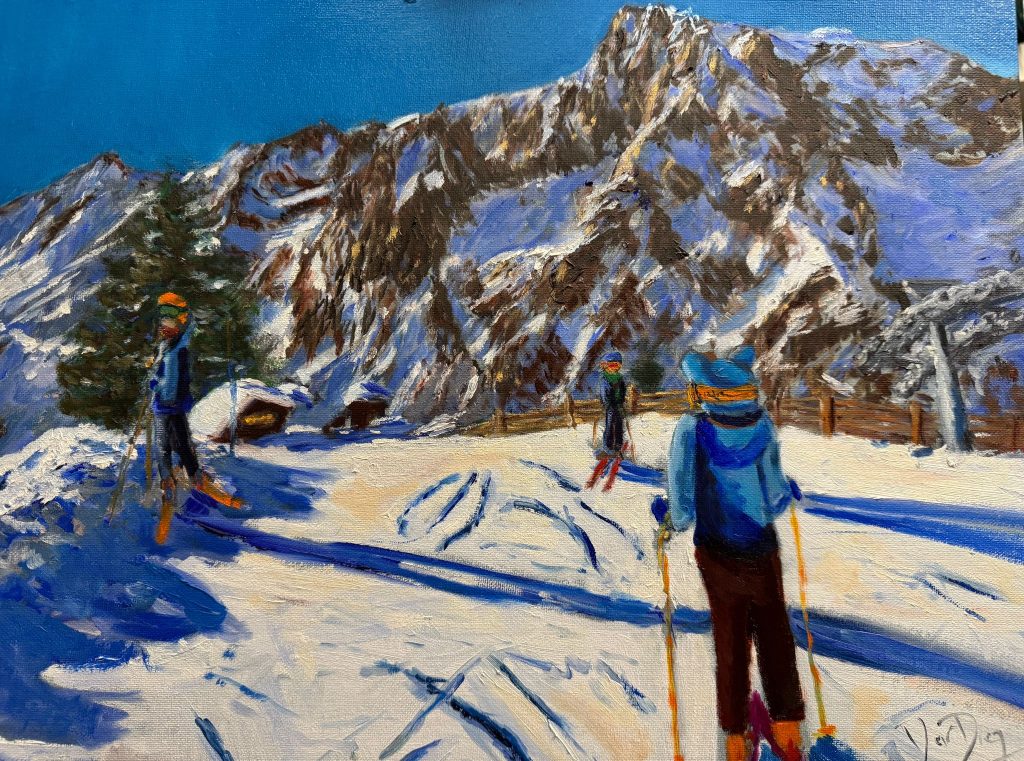
You can go to my shop and see what have been inspiring me lately, lots mountain landscapes in soft pastels, and now in oils too. Go here to check my latest works!
Featured Image: Technoalpin – Carezza Resort.


Discover more from The-Ski-Guru
Subscribe to get the latest posts sent to your email.
 Subscribe to The-Ski-Guru here.