

A powerful series of winter storms has dramatically changed the outlook for the 2026 South American ski season, delivering exceptional accumulations to the Central Andes and fresh snow across resorts in Argentina and Chile. The snowfall marks a major turnaround from the uneven beginning of the season described in our recent South America Ski Season 2026 opening and conditions update.
The most extraordinary totals were recorded in the high mountains around Santiago and Mendoza, where some resorts received several metres of snow. Farther south, the snowfall was less extreme but still highly significant, helping ski areas expand their operations and improve coverage ahead of August.
From Portillo and Valle Nevado in Chile to Las Leñas, Catedral, Chapelco and Cerro Bayo in Argentina, winter has finally established itself across much of the Andes.
Portillo receives more than five metres of snow
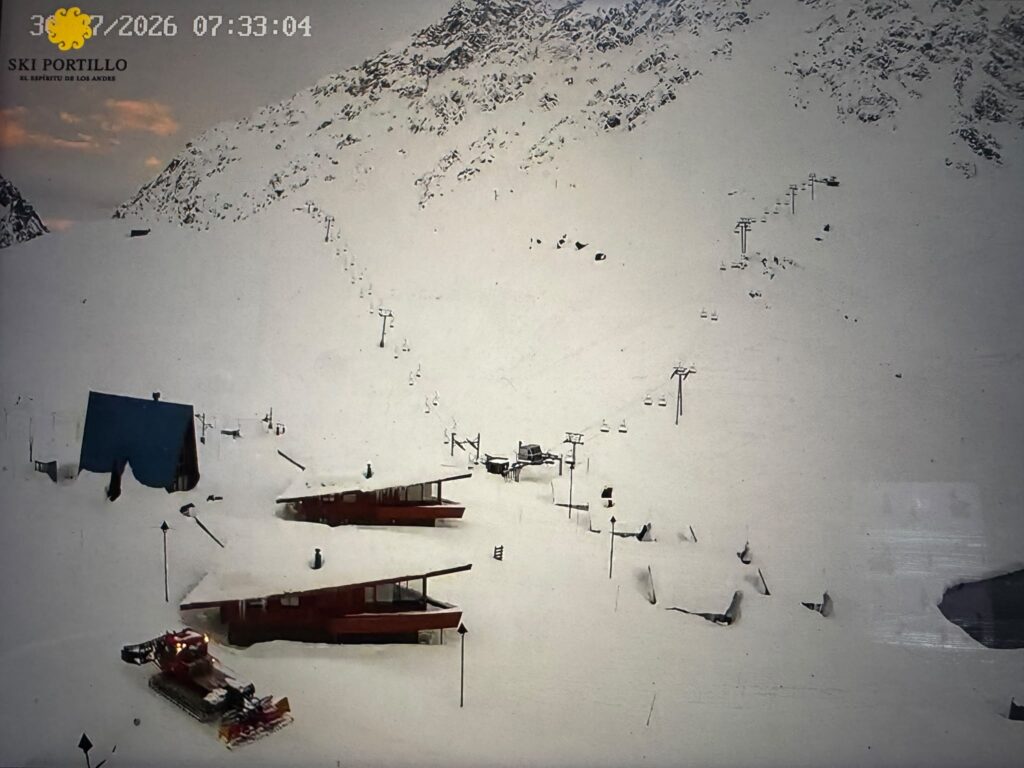
Ski Portillo became the international headline of the storm cycle after receiving more than five metres—or over 16 feet—of snow by July 23.
For information about travelling to the resort, its terrain, accommodation and unique ski-week format, read our complete Must-Read Guide to Ski Portillo, Chile.
The accumulation was so intense that access to the resort remained closed for safety reasons, preventing guests from travelling up or down the mountain. Portillo had already delayed part of its season because of limited early snow, making the transformation particularly dramatic.
American ski publication Powder reported that Portillo received approximately 466 centimetres, or 15 feet, during one seven-day period. Rather than immediately celebrating a powder day, the resort first had to deal with road closures, extensive snow-clearing work and the operational challenges created by so much snow arriving at once.
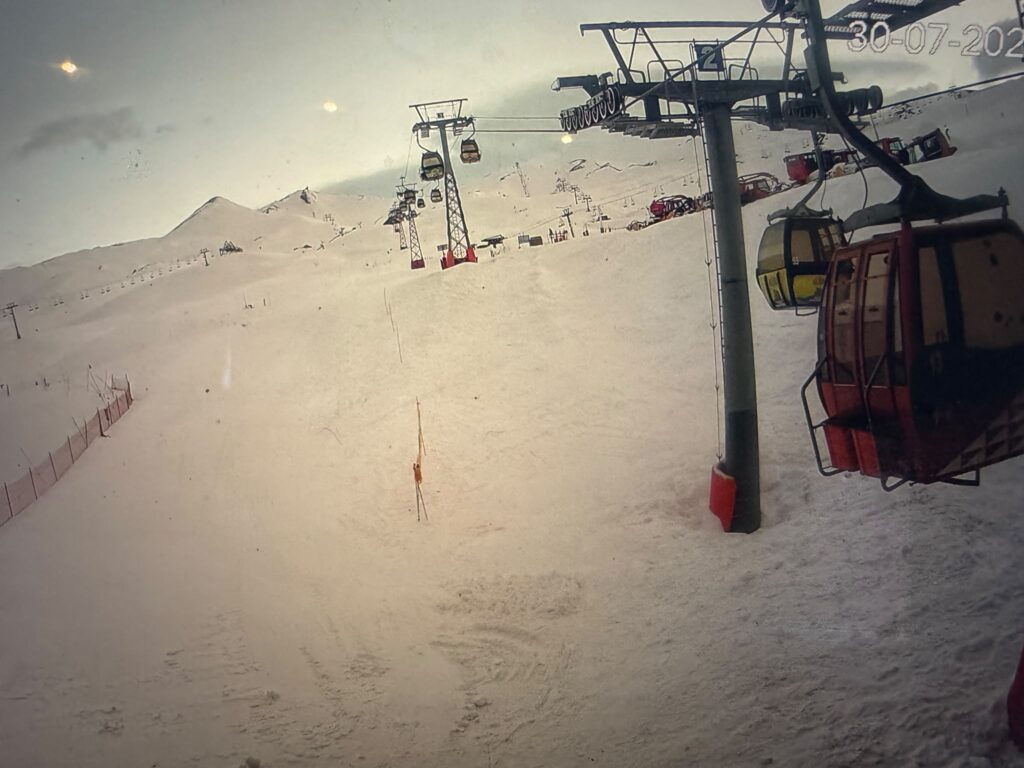
The latest official report on July 30 listed 611 centimetres of cumulative snowfall for the season, with a snow depth of 270 centimetres on the Plateau run and 229 centimetres at the hotel.
It is an extraordinary reversal for a resort that entered July waiting for winter to properly begin.
Valle Nevado approaches full operation after 62 inches
Valle Nevado also emerged as one of the major beneficiaries of the storm cycle.
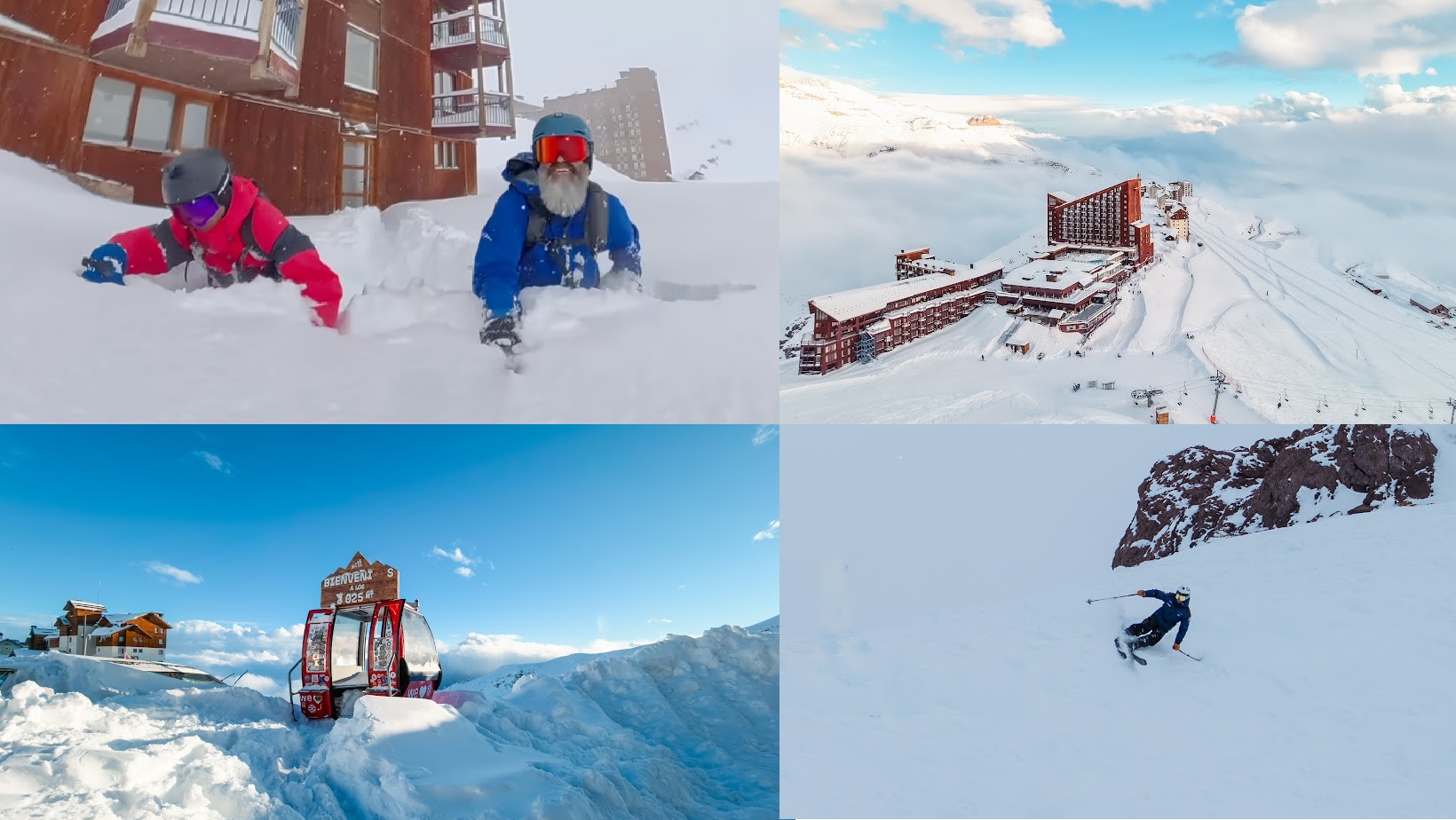
According to a press release issued by the resort on July 29, Valle Nevado received 62 inches—approximately 157 centimetres—of snow over the previous week.
The new snow allowed the resort to operate all 13 lifts and open 44 of its 45 trails, bringing the mountain close to 100 per cent operation.
Skiers planning a visit can find practical information about the terrain, accommodation, access from Santiago and the wider Three Valleys ski area in our Must-Read Guide to Valle Nevado.
“This storm cycle has transformed the mountain,” said Valle Nevado General Manager Dominique Rudloff. “The extraordinary snowfall Valle Nevado has received in recent days has created some of the best conditions of the season.”
More storms were forecast over the following two weeks, potentially further strengthening the snowpack into August.
The resort is also promoting its newest dining venue, Suki Nikkei, which serves a combination of Peruvian and Japanese cuisine at Bar Puerta del Sol.
For international travellers, Valle Nevado remains particularly accessible through its proximity to Santiago and through reciprocal access for eligible Ikon Pass, Mountain Collective and Power Pass holders.
Las Leñas leads the snowfall story in Argentina
Across the border in Argentina, Las Leñas appears to have received the strongest impact from the Central Andes storm pattern.
As of July 30, the resort was reporting 80 centimetres at the base, 1.20 metres at mid-mountain and 2.30 metres at the summit.
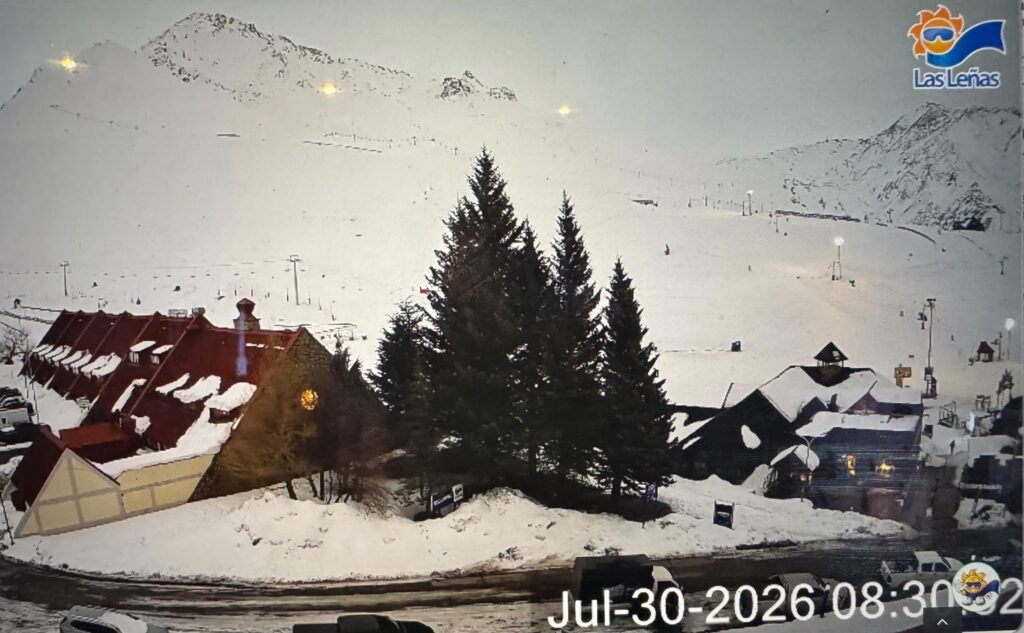
The snowfall allowed Las Leñas to progressively add terrain, including the Neptuno and Minerva pistes, accessed through the Caris chairlift. These joined previously operating areas including Eros, Venus and the children’s and adventure parks.
Las Leñas is renowned for its steep terrain, vast off-piste sectors and high-alpine skiing. The deep summit accumulation is therefore particularly important, although additional terrain openings remain dependent on avalanche control, visibility, wind and other safety considerations.
The figures also demonstrate how differently the storm affected each part of the Andes. Resorts in the central section of the range received the deepest accumulations, while Patagonia generally recorded more moderate but still valuable snowfall.
Fresh snow reaches Catedral and Cerro Bayo
The storm activity also reached northern Patagonia, improving conditions at Cerro Catedral in Bariloche.
Catedral reported seven centimetres of fresh snow in one recent update, while subsequent reports from the mountain indicated approximately 30 to 40 centimetres of new snow in its upper sectors.
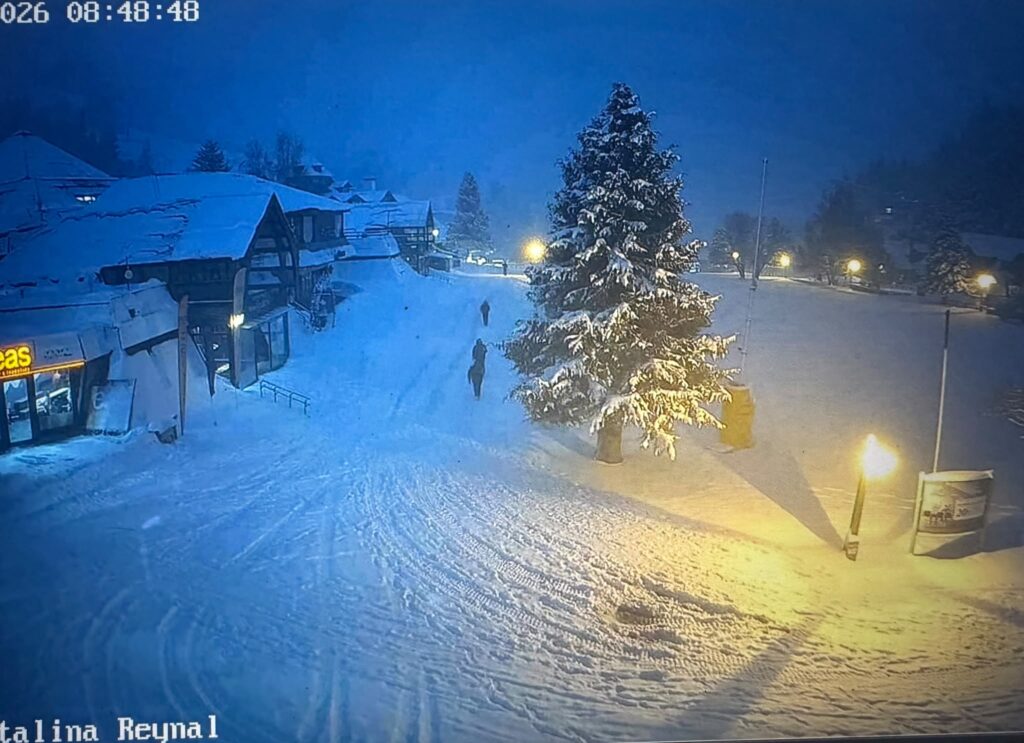
This was important for a resort that had initially relied heavily on snowmaking to operate its principal learning areas and connecting pistes. Catedral has 40 snow guns distributed mainly around the base and priority sectors, but natural snow remains essential for expanding access across its much larger mountain domain.
Farther north in Villa La Angostura, Cerro Bayo has also gradually expanded its ski offering. Its July 30 report confirmed that both the intermediate and upper mountain were open, with further snow expected during the day. The resort advised visitors to travel with chains because of difficult road conditions.
Recent social posts from Cerro Bayo have focused on the opening of additional pistes and progressively better skiing, reflecting a season that has improved considerably since its more limited start.
Chapelco, Laderas and Cerro Castor continue operating
At Chapelco, near San Martín de los Andes, the latest mountain report showed additional snowfall and an operating surface that continued to vary considerably by elevation.
The resort reported two centimetres during the previous 24 hours in its latest update, with wetter snow around the lower and intermediate sectors.
The new precipitation was not comparable with the huge totals in the Central Andes, but every snowfall helps improve natural coverage and connect terrain during a season that began slowly in several Patagonian destinations.
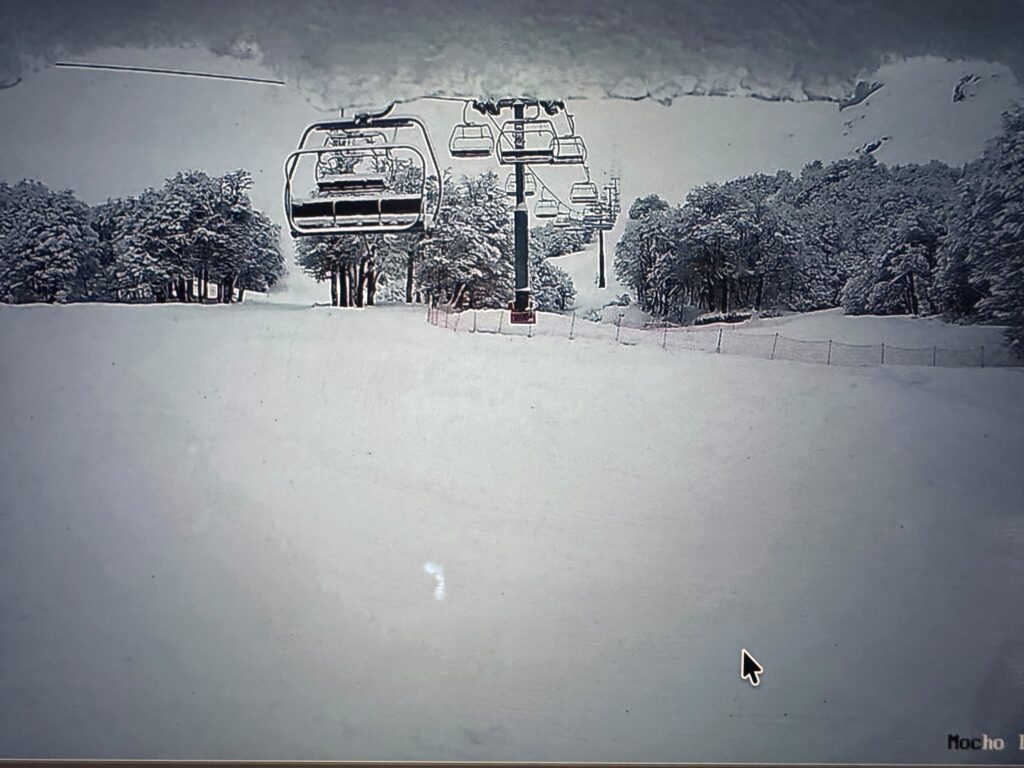
At Laderas Cerro Perito Moreno, near El Bolsón, natural snowfall has supported what local reports describe as one of the area’s strongest winter seasons. The resort has been operating ski terrain and recently hosted the Argentine Freeride Championship, an indication that snow conditions have become sufficiently established in its higher sectors.
Farther south, Cerro Castor continues to offer one of the most extensive and reliable operations in Argentina. Its latest report showed a substantial selection of open terrain, including pistes for beginners, intermediates and advanced skiers, as well as its snowpark.
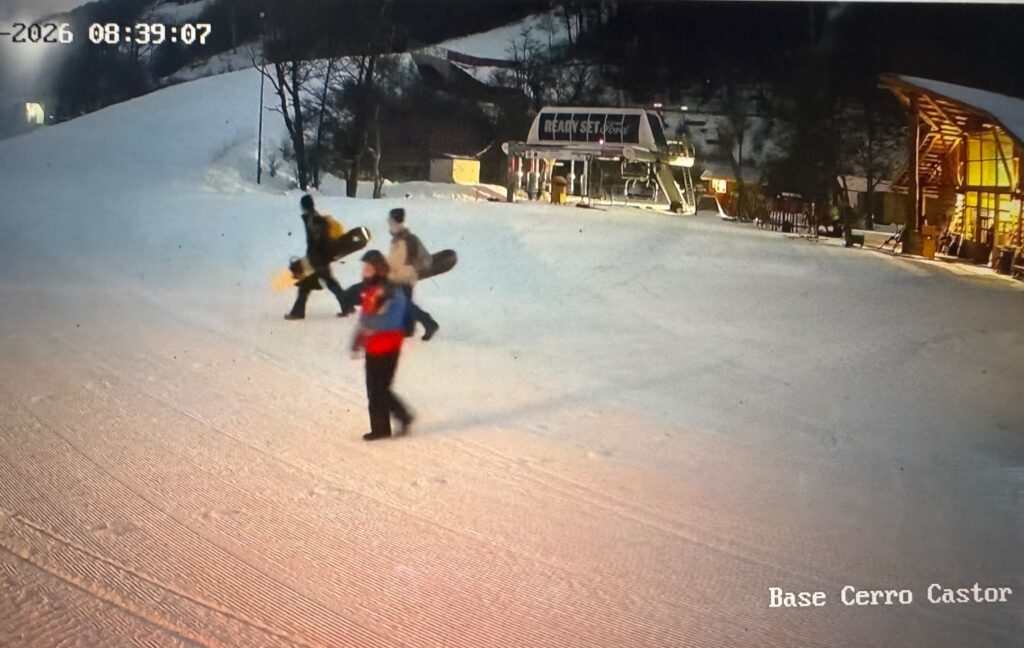
Because of its location near Ushuaia, Cerro Castor has colder and generally more stable snow preservation than many resorts farther north. It was not at the centre of this particular storm, but it remains an important part of the broader picture: skiers can now find operating terrain across a long stretch of Argentina, from Mendoza to Tierra del Fuego.
Snow also strengthens southern Chile
The storm cycle was not limited to the Santiago region.
At Nevados de Chillán, intense snowfall allowed the resort to begin its main winter operation on July 18. Its latest mountain report confirmed continued ski-area operations at the end of July, with events including junior freeride competitions and night skiing added to the programme.
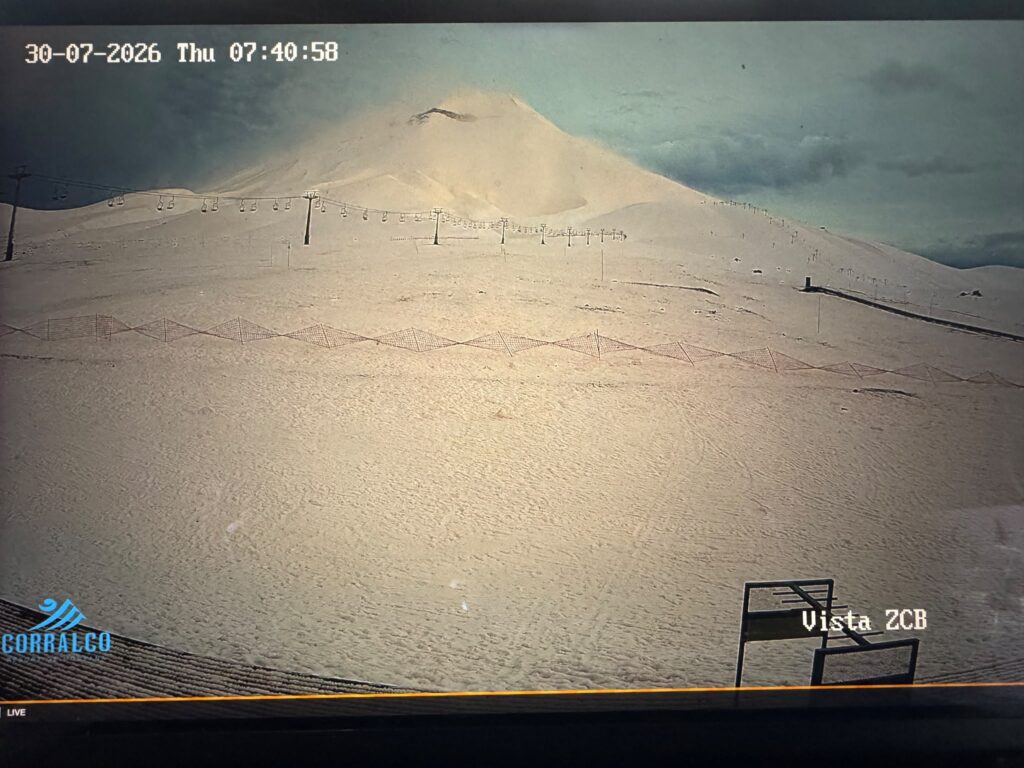
Corralco, located within the Malalcahuello National Reserve, has also benefited from the return of winter conditions. The resort offers 29 pistes and a large freeride domain on the slopes of Lonquimay volcano, making fresh natural snow especially valuable beyond its groomed terrain.
Accumulation totals published by ski areas are not always directly comparable. Some resorts report new snowfall, others give settled or groomed depths, while figures can also relate to very different elevations.
Nevertheless, the overall picture is unmistakable.
A transformed outlook for August
The Central Andes received the truly exceptional totals, with Portillo, Valle Nevado and Las Leñas standing out from the rest of the region.
But the wider importance of the storm cycle is that snow has now reached almost every major ski destination covered here. Catedral and Cerro Bayo have expanded their terrain, Laderas is enjoying strong natural coverage, Nevados de Chillán is operating, and Cerro Castor continues its season in the far south.
For skiers in the Northern Hemisphere considering a late-summer trip, the timing could hardly be better. After an uncertain beginning to winter in several parts of South America, the Andes are entering August with deeper bases, more open terrain and further snowfall still possible.
The season has not developed equally everywhere—but winter has finally arrived across the mountains.
Related Reading
- South America Ski Season 2026: Resort Openings and Updates
- The Must-Read Guide to Valle Nevado
- The Must-Read Guide to Portillo, Chile
Sources
- Valle Nevado – Official Mountain Report
https://www.vallenevado.com/en/mountain/mountain-report/
Snowfall, lift and trail operations. - Valle Nevado – Official Website
https://www.vallenevado.com/en/
Resort information, lodging and mountain updates. - Ski Portillo – Official Snow Report and Mountain Conditions
https://skiportillo.com/en/our-mountain/portillo-snow-forecast-conditions/
Official snowfall totals, snow depths and operational information. - Ski Portillo – Official Instagram
https://www.instagram.com/skiportillo/
Portillo reported 466 centimetres, or 15 feet, of snow over seven days. - POWDER – Ski Portillo Coverage
https://www.powder.com/news/ski-portillo-stop-snow-dances-blizzard
Coverage of the exceptional storm, access closures and operational challenges at Portillo. - Las Leñas – Official Website and Mountain Report
https://laslenas.com/
Official snow conditions, lift status and open terrain. - Cerro Catedral – Official Mountain Report
https://www.catedralaltapatagonia.com/parte-diario/
Daily information on lifts, trails, weather and mountain conditions. - Cerro Catedral – Official Instagram
https://www.instagram.com/cerrocatedralok/
Recent images and videos of the snowfall and mountain operations. - Cerro Bayo – Official Mountain Status
https://www.cerrobayo.com.ar/montana/estado/
Current lift, trail and access-road information. - Cerro Bayo – Official Instagram
https://www.instagram.com/cerrobayo/
Updates showing progressively expanding terrain and new snowfall. - Chapelco – Official Snow and Weather Report
https://clima.chapelco.com.ar/
Daily snowfall, weather and operational information. - Chapelco – Additional Snow Report
https://www.skiresort.info/ski-resort/chapelco/snow-report/
Reported 115 centimetres at the summit and four centimetres at the base on July 30, 2026. - Laderas Cerro Perito Moreno – Official Daily Report
https://www.laderas.com.ar/parte-diario
Open trails, lifts and mountain conditions. - Cerro Castor – Official Trail and Lift Status
https://www.cerrocastor.com/es_ar/estado-pistas-medios.html
Current operating terrain and lift information. - Corralco – Official Mountain Information
https://corralco.com/montana/
Resort terrain, lifts and mountain information. - Corralco – Snow Report
https://www.skiresort.info/ski-resort/corralco/snow-report/
Reported 205 centimetres at the summit and 115 centimetres at the base on July 29, 2026. - Nevados de Chillán – Official Website
https://www.nevadosdechillan.com/
Mountain operations, snow conditions and resort updates. - Nevados de Chillán – Official Mountain Report
https://www.nevadosdechillan.com/reporte-de-montana
Daily lift, trail, weather and snow information.
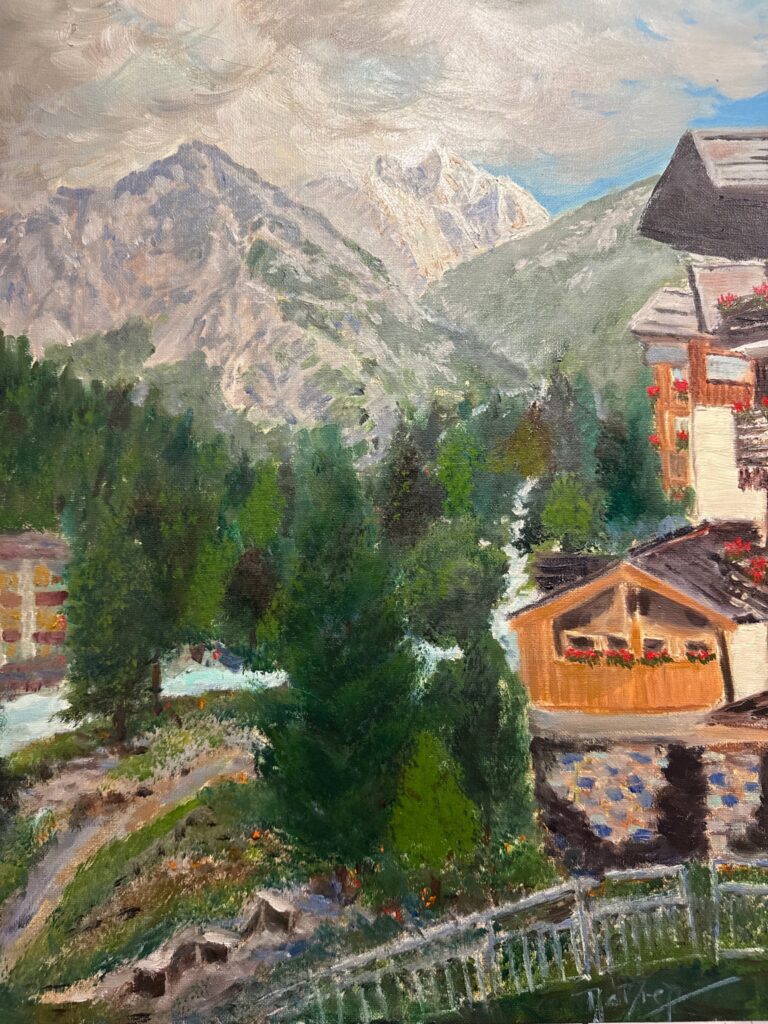
Madonna di Campiglio – after the storm. See the painting in my shop here.Changing seasons in Courmayeur. Oil on board. In my shop here.
Planning your next trip to the Italian Alps?
If you’re heading to the Aosta Valley, take a look at Il Cuore della Valdigne, our family-owned apartment in Morgex, available for rent when we’re not using it ourselves.
It’s an ideal base to:
- Ski in Courmayeur, La Thuile and Pila
- Enjoy the mountains in summer (hiking, biking, nature)
- Explore the Mont Blanc valley in a quieter, more authentic setting.
Check my Mountain Art on my Shop
You can go to my shop and see what have been inspiring me lately, lots mountain landscapes in soft pastels, and now in oils too. Go here to check my latest works!
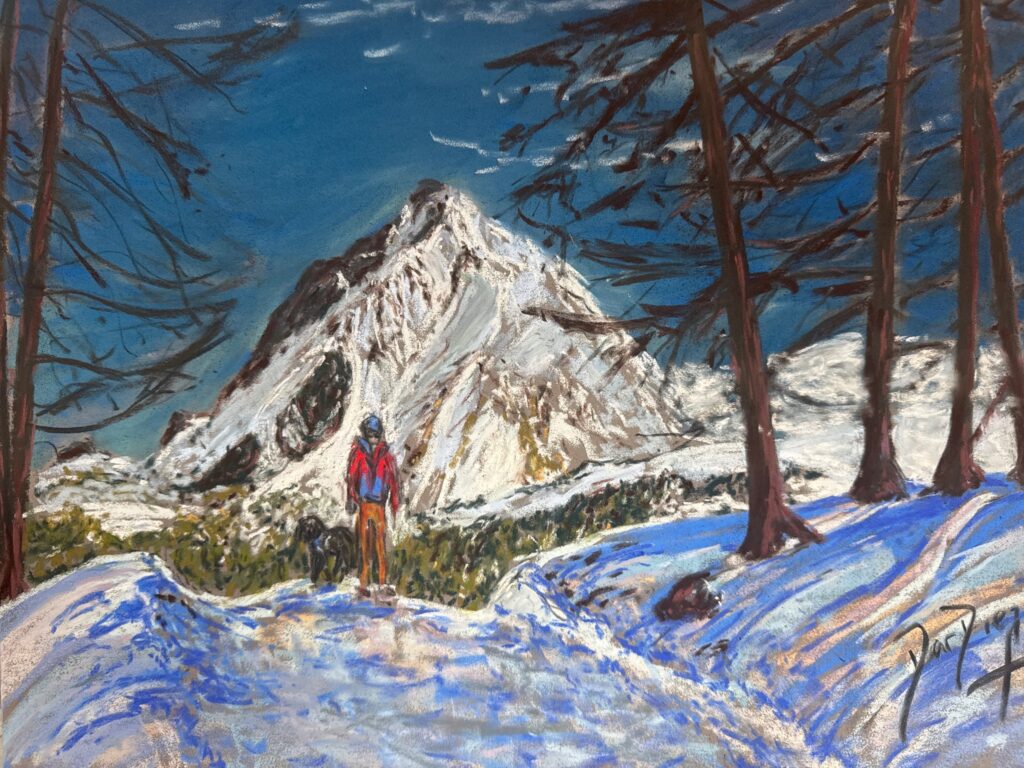
Featured Image: Valle Nevado snowfall – 29 July 2026. Photo: Valle Nevado. Valle Nevado received 62 inches of snow over seven days, allowing almost the entire ski area to open.


Discover more from The-Ski-Guru
Subscribe to get the latest posts sent to your email.
 Subscribe to The-Ski-Guru here.
You must be logged in to post a comment.