Why Ski Resorts Close Terrain After Heavy Snowfall — And Why That’s a Safety Decision

Avalanche control methods graphic. Copyright: The-Ski-Guru. Why Ski Resorts Close Terrain After Heavy Snowfall — And Why That’s a Safety Decision.

Why Ski Resorts Close Terrain After Heavy Snowfall

Introduction

Ski resorts often close terrain after heavy snowfall because fresh snow can increase avalanche risk, reduce visibility, overload lifts and make rescue access harder. Closures are not usually a sign that the resort is disorganised; they are a safety decision made while ski patrol, lift teams and avalanche-control crews work to reopen terrain safely.

After major snowstorms, skiers and snowboarders often arrive expecting perfect powder conditions — only to find lifts closed, terrain restricted, or entire sectors shut down. Frustration is common, especially during short holidays or peak winter weeks.

But more snow does not automatically mean safer skiing. In fact, the period immediately after heavy snowfall is often when avalanche risk is highest. Terrain closures following big storms are not a failure to open — they are a deliberate risk-management decision designed to protect lives.


Heavy snowfall doesn’t automatically mean safe skiing

Large snowfalls can dramatically increase instability in the snowpack. Factors that contribute to heightened risk include:

  • rapid accumulation of fresh snow
  • wind loading on leeward slopes
  • weak layers buried beneath new snow
  • limited visibility preventing safe assessment

In many cases, the first 24 to 72 hours after a storm are critical. During this window, ski patrol teams need time to evaluate conditions, access terrain safely, and reduce risk before opening slopes to the public.


Why resorts keep terrain closed after big snowfalls

When ski resorts close terrain after heavy snow, it is usually because avalanche control work is underway or still incomplete.
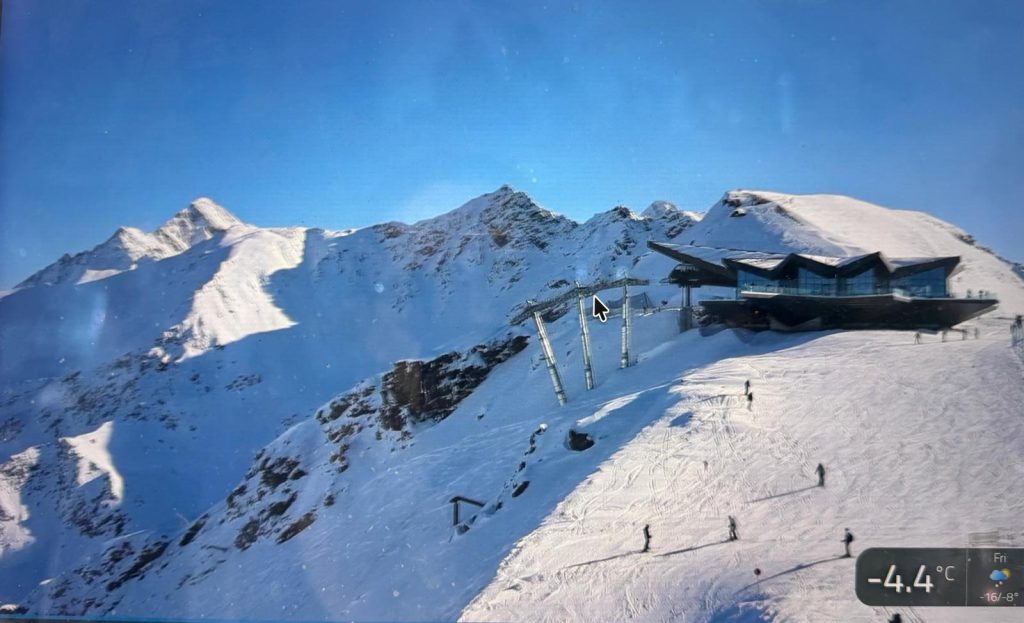
Stella di Pilla today- Notice the Gasex further down on the slope. Photo: Webcam Pila.it. Why Ski Resorts Close Terrain After Heavy Snowfall — And Why That’s a Safety Decision.

Common reasons for keeping slopes closed include:
Continue reading “Why Ski Resorts Close Terrain After Heavy Snowfall — And Why That’s a Safety Decision”

Fire at Luxury Hotel in Courchevel Forces Evacuations — No Major Injuries Reported

Corduroy piste in Courchevel. Photo: Courchevel Tourism Office.

Courchevel Hotel Fire: Evacuations at Hotel des Grandes Alpes

A significant fire broke out on the evening of January 27, 2026, at the five-star Hotel des Grandes Alpes in the upscale ski resort of Courchevel 1850 in the French Alps. The blaze began in the attic shortly before 7 p.m. local time and spread through parts of the roof, prompting an immediate response from local emergency services. 

🔥 Fire and Evacuation

Officials from the Prefecture of Savoie reported that the fire forced the evacuation of hotel guests and staff as crews worked to contain the blaze. Initial reports indicated that around 90 people were evacuated from the hotel itself, and further evacuations — including guests at the nearby Hotel Le Lana — brought the total number of people relocated to approximately 260–270 as a precaution. 

Continue reading “Fire at Luxury Hotel in Courchevel Forces Evacuations — No Major Injuries Reported”

Andorra Is Fully Open: Deep Snow, Events and One of the Best Winters in Years

Snow conditions in Grandvalira are excellent at the moment, it is the time to go. Photo: Grandvalira Resorts. Andorra Is Fully Open: Deep Snow, Events and One of the Best Winters in Years.

Skiing in Andorra: Deep Snow, Events and One of the Best Winters in Years

🎿 100% of Slopes Open Across Andorra

If you were waiting for the right moment for skiing in Andorra, this is it. 

All resorts are now fully operational, thanks to consistent snowfall over the past week. The result is one of the strongest mid-winter set-ups seen in the Pyrenees in recent seasons, with every major sector open and excellent skiing across the board.

  • Grandvalira Resorts: 215 km open
  • Pal Arinsal: 100% of slopes and lifts running
  • Ordino Arcalís: deepest snowpack in the country

Snow depths range from over one metre at lower elevations to 200 cm on upper slopes, creating ideal conditions for piste skiing, freeride and touring.


📌 Current Snow Conditions in Andorra (January 2026)

All Andorran ski resorts are now 100% open, offering a total of 308 km of slopes.
Recent snowfall has delivered up to 200 cm of snow at higher elevations, with excellent coverage across Grandvalira, Pal Arinsal and Ordino Arcalís.

👉 Read the full Andorra Snow Update here

Conditions in all resorts of Grandvalira Resorts are exceptional. Photo: Ordino Arcalis/Grandvalira Resorts. Andorra Is Fully Open: Deep Snow, Events and One of the Best Winters in Years.

🎶 Après-Ski, Music and Atmosphere on the Slopes

Beyond the snow, Andorra delivers its usual lively winter atmosphere. Grandvalira’s terraces host DJ sets and live performances throughout the week, while L’Abarset continues to be one of the Pyrenees’ most energetic après-ski venues, with international DJs and late-night sessions.

Continue reading “Andorra Is Fully Open: Deep Snow, Events and One of the Best Winters in Years”

Andorra Snow Update: 100% of Slopes Open with Up to 200 cm Base

Andorra Snow Update: 100% of Slopes Open with Up to 200 cm Base. Photo: Grandvalira Resorts.

Andorra Snow Update: 100% of Slopes Open, Up to 200 cm Base

All ski resorts in Andorra are now operating at 100% capacity, making this one of the strongest winterperiods the Pyrenees have seen in recent years.

Following a week of sustained snowfall, the country currently offers a total of 308 kilometres of open pistes, with snow depths exceeding one metre at resort level and reaching up to 200 cm at higher elevations.

The view of Ordino Arcalis. 27th January 2026. Photo: Grandvalira Resorts. Andorra Snow Update: 100% of Slopes Open with Up to 200 cm Base.

Across the main ski areas:

  • Grandvalira Resorts has all 215 km of slopes fully open
  • Pal Arinsal is operating with complete piste and lift access
  • Ordino Arcalís reports the deepest snowpack, with bases up to 200 cm

Continue reading “Andorra Snow Update: 100% of Slopes Open with Up to 200 cm Base”

Avalanche Fatalities in the French Alps: What Happened in Tignes and Across Savoie

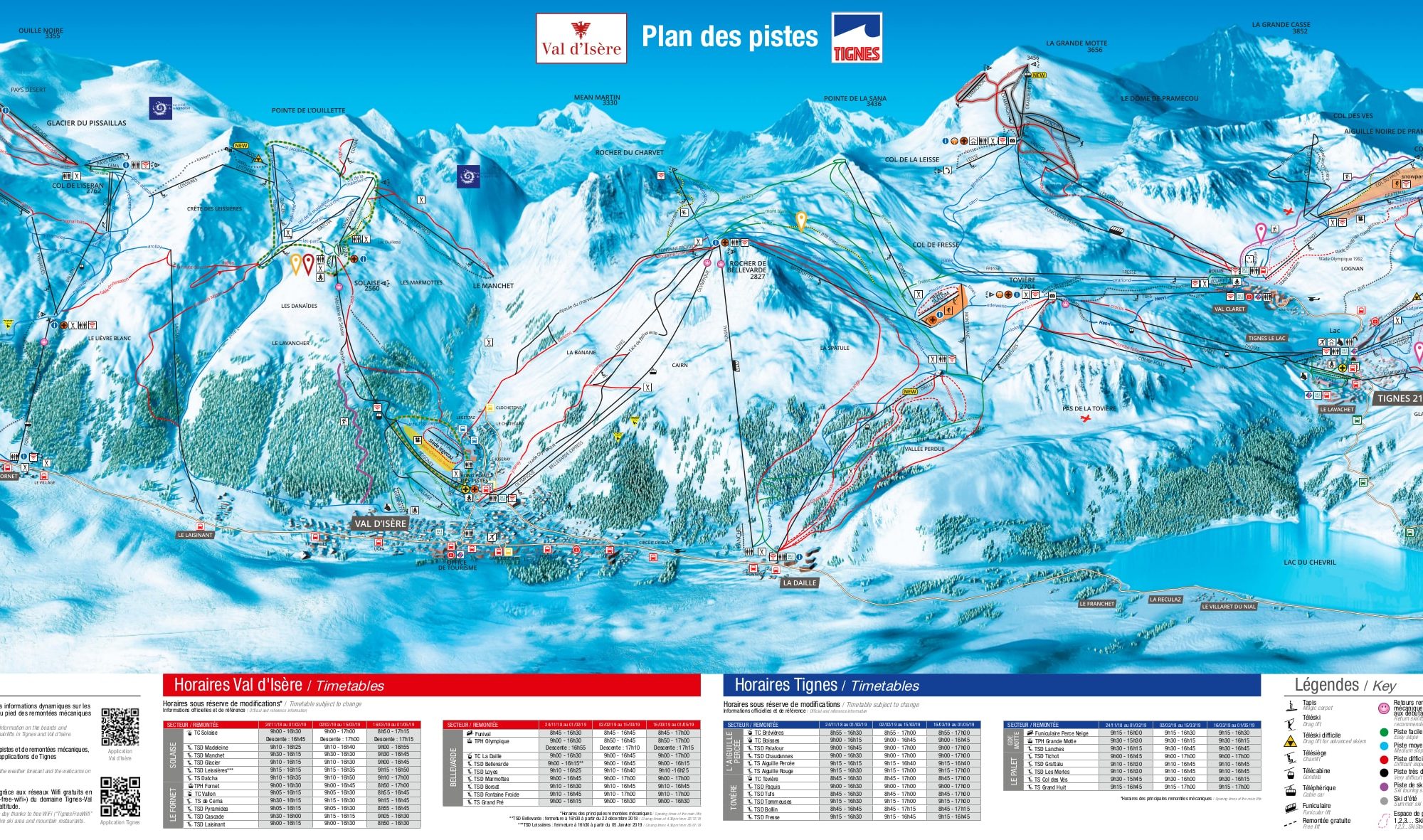
Ski map Tignes. Avalanche Fatalities in the French Alps: What Happened in Tignes and Across Savoie.

Avalanche Death in Tignes and Multiple Incidents in the Alps as Risk Remains High

A skier in his fifties, reported to be Spanish, died after being caught in an avalanche while skiing off-piste in the Tignes area (Savoie).

According to regional authorities, the avalanche occurred in a non-secured, off-piste sector of the resort. The skier was fully buried by the slide and despite the rapid intervention of mountain rescue services, he could not be revived.

If you’re unsure how to interpret avalanche bulletins and forecasts, this step-by-step guide explains how to use them properly when planning a mountain day.

The accident highlights once again the high risk currently affecting off-piste terrain, even in well-known and highly frequented ski resorts such as Tignes.

⛷️ Important: Off-piste areas, even when accessed directly from ski lifts, are not secured or controlled by ski patrols and remain subject to natural avalanche risk.

Read more: France3

Map of the area. Avalanche Fatalities in the French Alps: What Happened in Tignes and Across Savoie.


Avalanches Across the Alps: One Dead, Several Injured on the Same Day

The fatal avalanche in Tignes was not an isolated incident.

On 23 January, multiple avalanche accidents were reported across the French Alps, particularly in Savoie and neighbouring Alpine departments. According to emergency services:

Continue reading “Avalanche Fatalities in the French Alps: What Happened in Tignes and Across Savoie”

Swiss Consumer Group Denounces Hidden Ski Ticket Price Increases

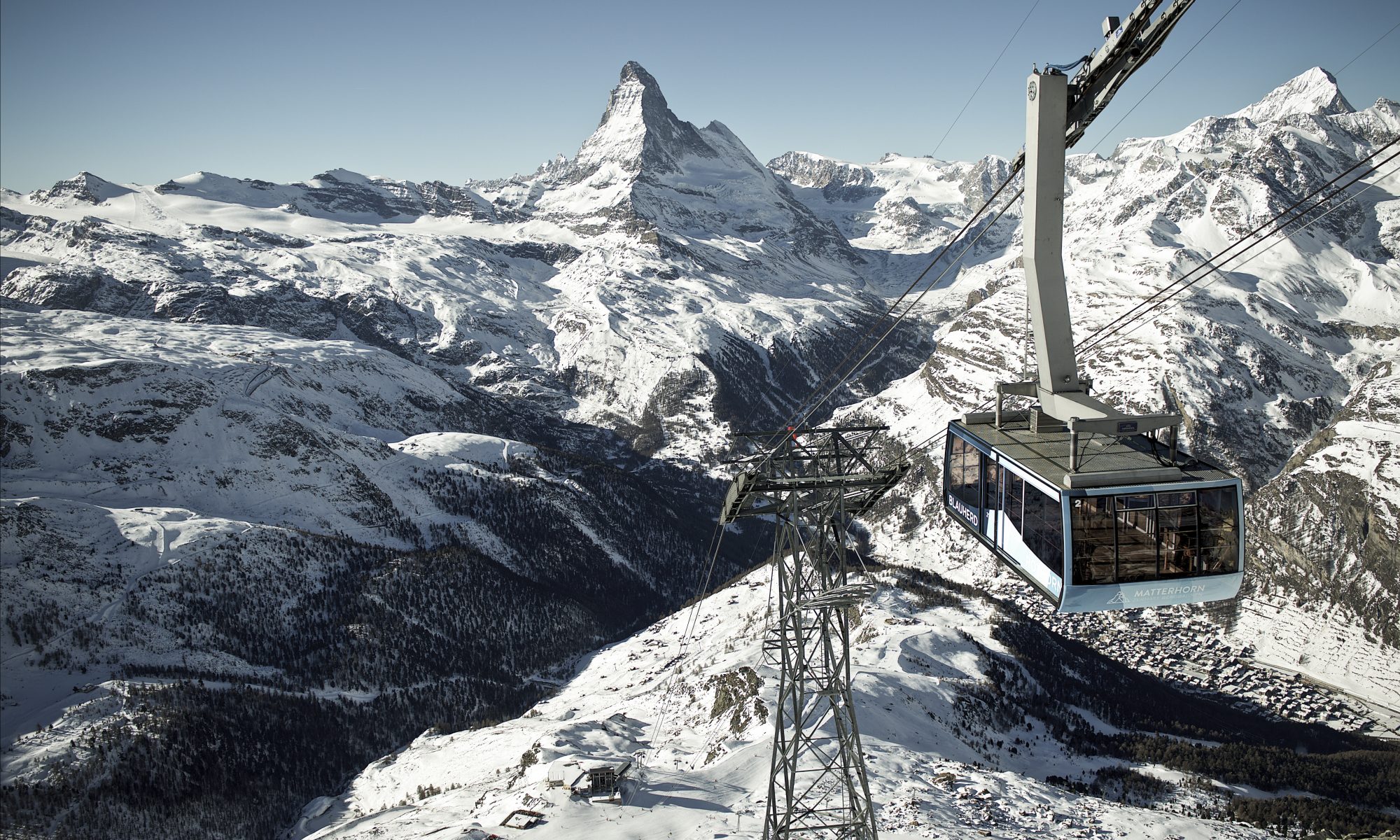
The Matterhorn, seen from Zermatt. Matterhorn Paradise photo. Rothorn. Ikon Pass to include Zermatt and Cervinia for the 2019/20 ski season.

Skiers planning a winter holiday in Switzerland may face less-transparent pricing models for lift tickets this season, according to recent reporting by Swissinfo. Consumer protection advocates are criticising the way many Swiss ski resorts sell tickets, saying that “dynamic pricing” systems can lead to hidden price increases without clear information for customers. 

Under these dynamic pricing schemes, ticket prices can vary depending on demand — meaning that on busier days or when lots of people are expected on the slopes, prices can rise sharply without clear caps or limits disclosed in advance. Critics argue that this system lacks transparency and can make it difficult for holidaymakers to know the true cost of a ski day before they book. 


Continue reading “Swiss Consumer Group Denounces Hidden Ski Ticket Price Increases”

Aosta Council Backs Inter-Valley Link Between Pila and Cogne

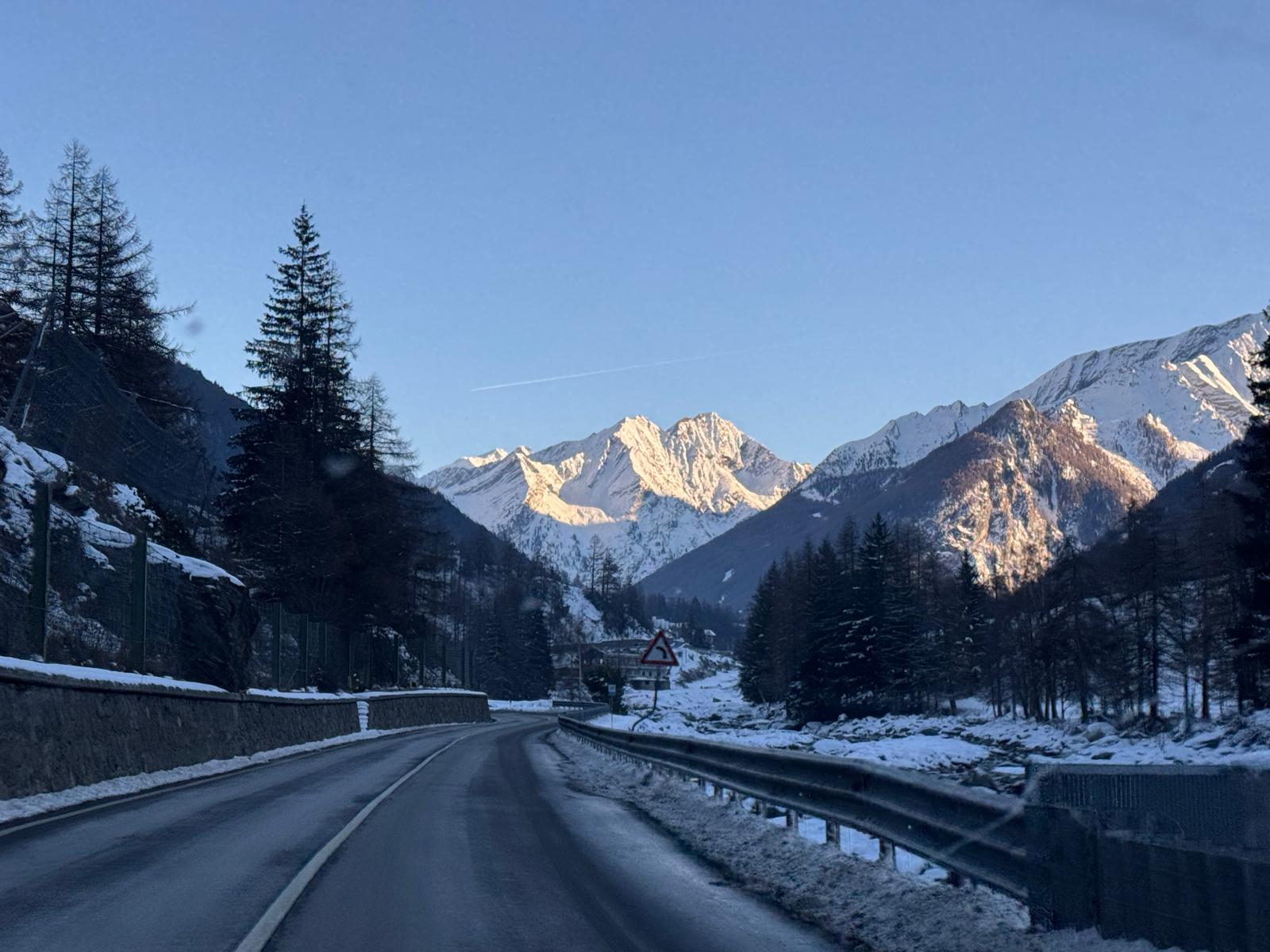
Arriving to Cogne by car. December 2025. Photo: The-Ski-Guru. Aosta Council Backs Inter-Valley Link Between Pila and Cogne.

The municipal council of Aosta has officially backed a proposal supporting the inter-valley link between the Pila ski resort and the village of Cogne — a move seen as a major step forward for regional tourism, connectivity and mountain mobility. 

The council approved the motion, presented by members of the Union Valdôtaine and Stella Alpina – Rassemblement Valdôtain, with 25 votes in favour out of 27. Two councillors voted against it, but the overall support highlights broad political and community interest in exploring the proposal further. 

The sleepy town of Cogne, which is usually much colder than Aosta as it is in altitude, it is pretty cut off from the main valley, but part of its charm is that! Renown for its cross-country skiing, it has also a smaller alpine skiing resort, which is the one that they want to join to Pila. Photo: The-Ski-Guru.

Proponents emphasised that while the council is not deciding how such a link would be built, the endorsement sends a clear message: the idea is worthy of serious examination “with method and without prejudice”. The proposal highlights the potential to bring together the ancient cultural centre of Aosta, the alpine ski terrain of Pila, and Cogne, gateway to the Gran Paradiso National Park. 

UPDATE – October 2026: The Pila–Cogne cable car project has moved forward. Nine initial alternatives have now been narrowed down to three, with Alternative 3 emerging as the preferred option and estimated costs of €150–190 million. Read our latest update on the Pila–Cogne cable car project.


Read more: Cogne has been in the spotlight this winter not only for the cable car debate, but also following a recent ice-climbing fatality on the Patrì cascade.

Continue reading “Aosta Council Backs Inter-Valley Link Between Pila and Cogne”

21-Year-Old Skier Dies After Leaving the Piste in Courmayeur

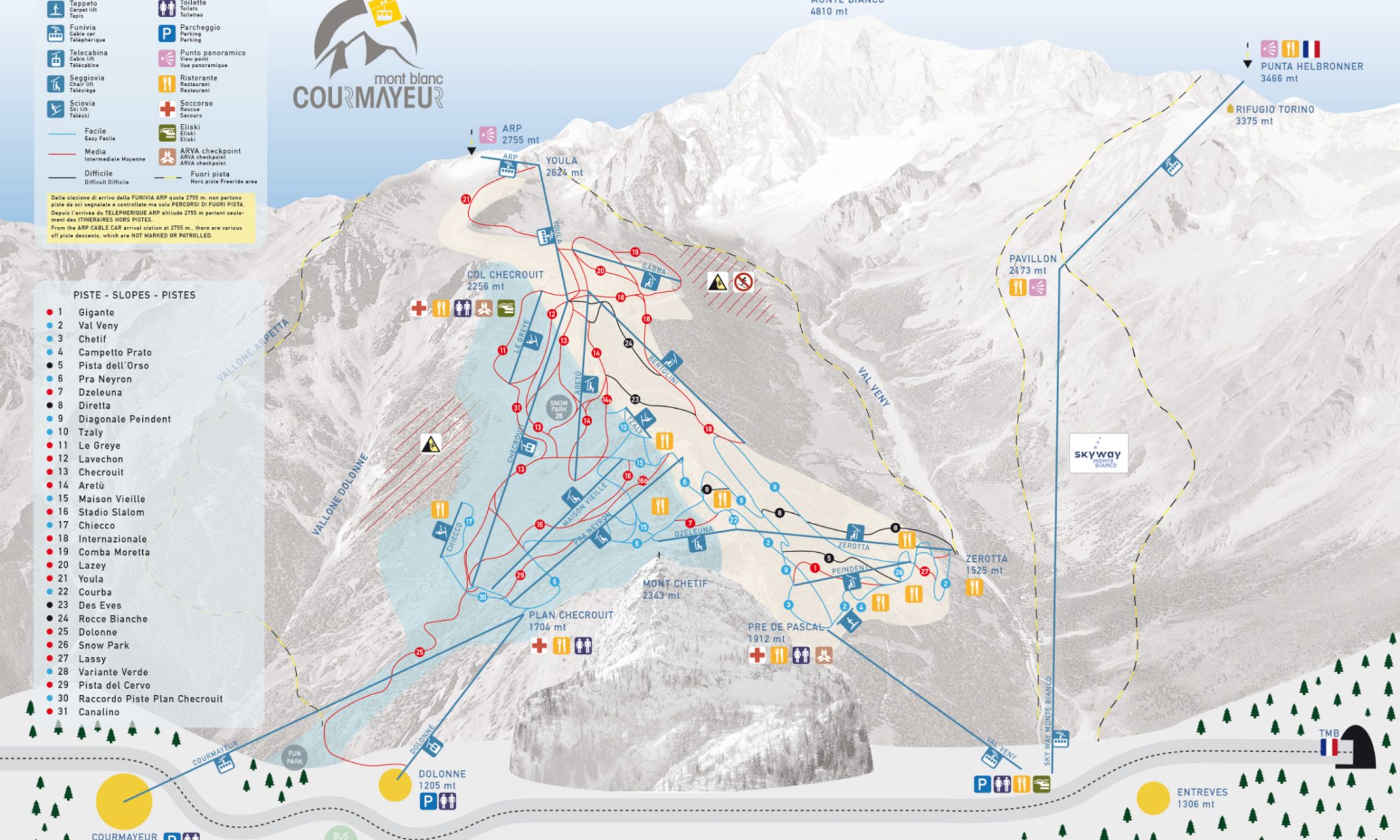
Courmayeur Ski Map. 21-Year-Old Skier Dies After Leaving the Piste in Courmayeur.

21-Year-Old Skier Dies After Leaving the Piste in Courmayeur

A tragic ski accident has claimed the life of a 21-year-old skier in Courmayeur, in Italy’s Aosta Valley, after he left a marked piste and collided with a tree.

According to reporting by Corriere Torino, the young skier was descending a return run in the Dolonne area of the Courmayeur ski domain when he lost control, exited the piste and struck a tree at high speed. The impact was fatal, and the skier died at the scene.

Emergency services, including piste patrol, local police and the Aosta Valley Mountain Rescue Service, were immediately dispatched. Despite rapid intervention, there was nothing rescuers could do to save him. Authorities carried out the necessary procedures to recover the body and investigate the circumstances of the accident.

Continue reading “21-Year-Old Skier Dies After Leaving the Piste in Courmayeur”

Avalanche in Tyrol, Austria: One Dead, No Other Victims Found as Searches Continue

The beautiful resort of Ischgl. Photo: Justus. Unsplash. Avalanche in Tyrol, Austria: One Dead, No Other Victims Found as Searches Continue.

Avalanche in Tyrol, Austria: One Dead, Searches Confirm No Other Victims

A fatal avalanche in Tyrol, Austria, has claimed the life of one skier, prompting an extensive rescue operation and renewed warnings about unstable snow conditions across the Alps.

The avalanche occurred off-piste near the Pardatschgratbahn lift area in Ischgl, one of Austria’s most popular ski resorts. The victim was reported missing after failing to return to their accommodation, triggering a search by local authorities and mountain rescue teams.

Rescuers later located the body beneath the avalanche debris. Following intensive probing and searches of the surrounding area, authorities have confirmed that no other people appear to be buried, though checks continued for several hours as a precaution.

Across the Alps, these incidents occur against a backdrop of labour and housing challenges in mountain communities, which can affect staffing levels and safety resources.

Continue reading “Avalanche in Tyrol, Austria: One Dead, No Other Victims Found as Searches Continue”

Avalanche Crosses Blue Ski Run in Savoie: What Happened?

Sainte Foy Tarentaise photo by Valdemaras Januska. Unsplash. Avalanche Crosses Blue Ski Run in Savoie: What Happened?

Savoie Avalanche Crosses Blue Piste at Sainte-Foy-Tarentaise, Four Skiers Involved

On 13 January 2026, a significant avalanche crossed a marked blue ski run at the Grand Solliet area of Sainte-Foy-Tarentaise in the French Alps (Savoie). The incident occurred during open piste hours, surprising skiers and prompting an immediate rescue response. 

This incident highlights the importance of using avalanche bulletins to plan a mountain day, even when skiing close to marked pistes.

Details of the Incident

According to reports, four people were involved when an avalanche — reportedly triggered by a skier off the marked piste — swept across the blue run. Three of those caught were knocked off balance by the force of the snow, while the fourth was briefly buried under the avalanche debris, with only their hand visible before rescuers reached them. 

Rescue teams — including piste patrol, the CRS Alpes, ski school instructors, and avalanche dogs — quickly searched the area. The buried skier was located about 50 metres below the piste and transported to hospital in Bourg-Saint-Maurice for further care. Authorities confirmed that no others were missing before ending the rescue operation later in the afternoon. 

Events like this raise questions about how ski resorts manage safety under operational pressure, particularly during busy winter periods.

Continue reading “Avalanche Crosses Blue Ski Run in Savoie: What Happened?”