

Introduction
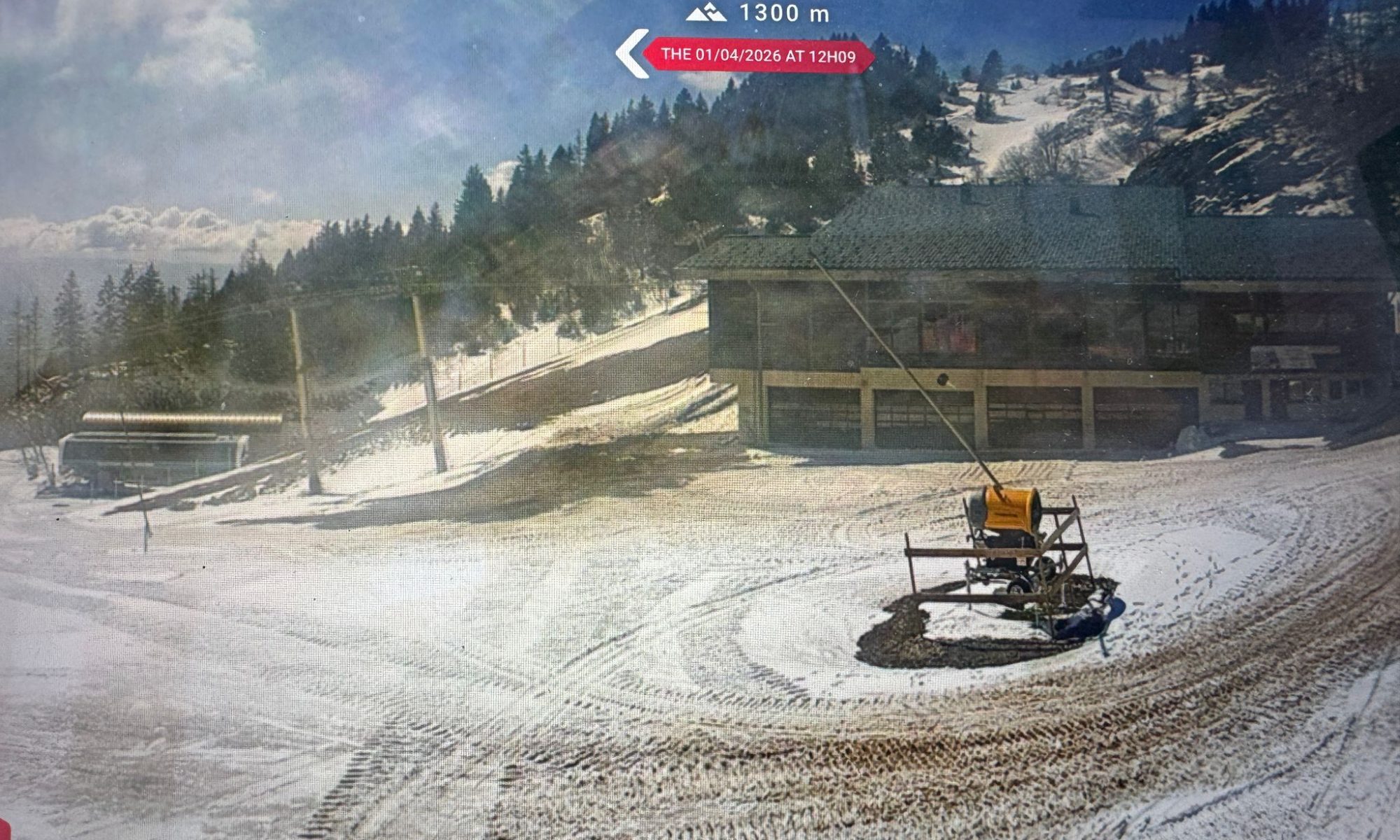
At the end of March 2026, new snow data from AINEVA offers a revealing snapshot of conditions across the Italian Alps. The picture is not one of simple snow shortage, but of increasing variability and instability, particularly at lower elevations. Across parts of the Alps, and in mountain ranges such as the Jura and Vosges, the 2025/26 winter is highlighting a pattern that has become increasingly evident in recent years: snowpack is becoming more volatile, even within a single season.
A Season of Swings: February Peak, March Melt
According to AINEVA, the maximum snow depth, measured through the HSimed index, was reached during the second half of February. What followed was not a gradual seasonal transition, but a sequence of sharp changes. Mild temperatures in early March led to a significant reduction in snow depth, pushing levels below seasonal norms. Snowfall in mid-March temporarily restored conditions closer to average, while a later drop in temperatures slowed the rate of melt. However, this cooling did not reverse the broader pattern. The result has been a highly dynamic snowpack, shaped by rapid fluctuations rather than a stable seasonal base.
 Subscribe to The-Ski-Guru here.