Are Fragmented Alpine Ski Resorts Becoming Unsustainable?

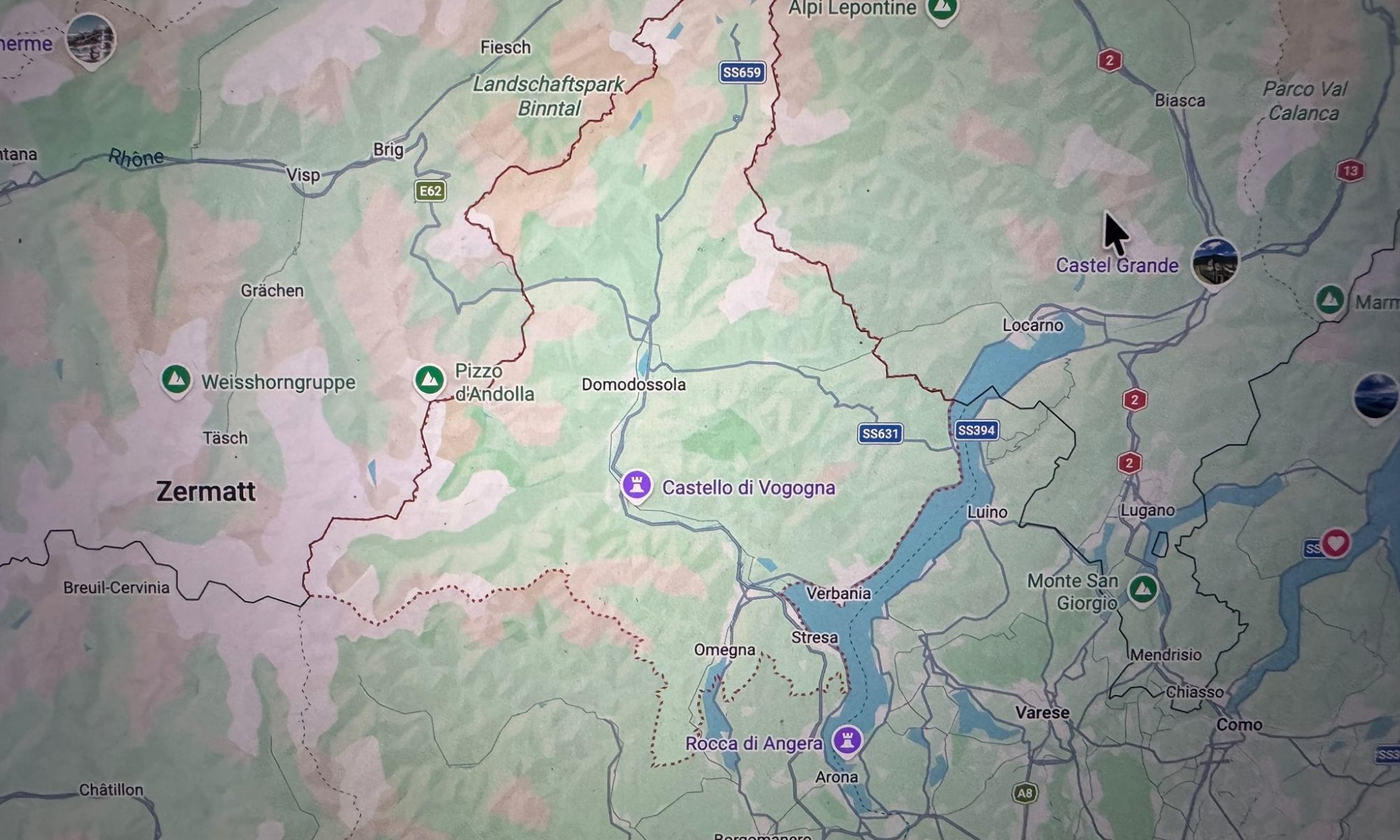
Verbano-Cusio-Ossola. Google Maps.

Across the Alps, a growing number of ski destinations are facing the same difficult question: can smaller mountain municipalities still afford to develop and modernise ski infrastructure on their own?

Two recent stories from northern Italy suggest the Alpine ski industry may be entering a new phase — one defined less by endless expansion and more by consolidation, selective investment and regional cooperation.

In Lombardy, the municipality of Valfurva recently abandoned plans for a new lift connection linking the valley more directly to Bormio’s ski area. The proposed project, intended to connect the S. Antonio/S. Nicolò area with the Bormio slopes, had already secured part of its public funding but ultimately failed to move forward because the remaining financing and permitting timelines proved too difficult to complete. Local officials described the decision as “painful, but inevitable.”

Continue reading “Are Fragmented Alpine Ski Resorts Becoming Unsustainable?”
Housing the Workforce: The Growing Constraint on Mountain Tourism from Aspen to the Alps

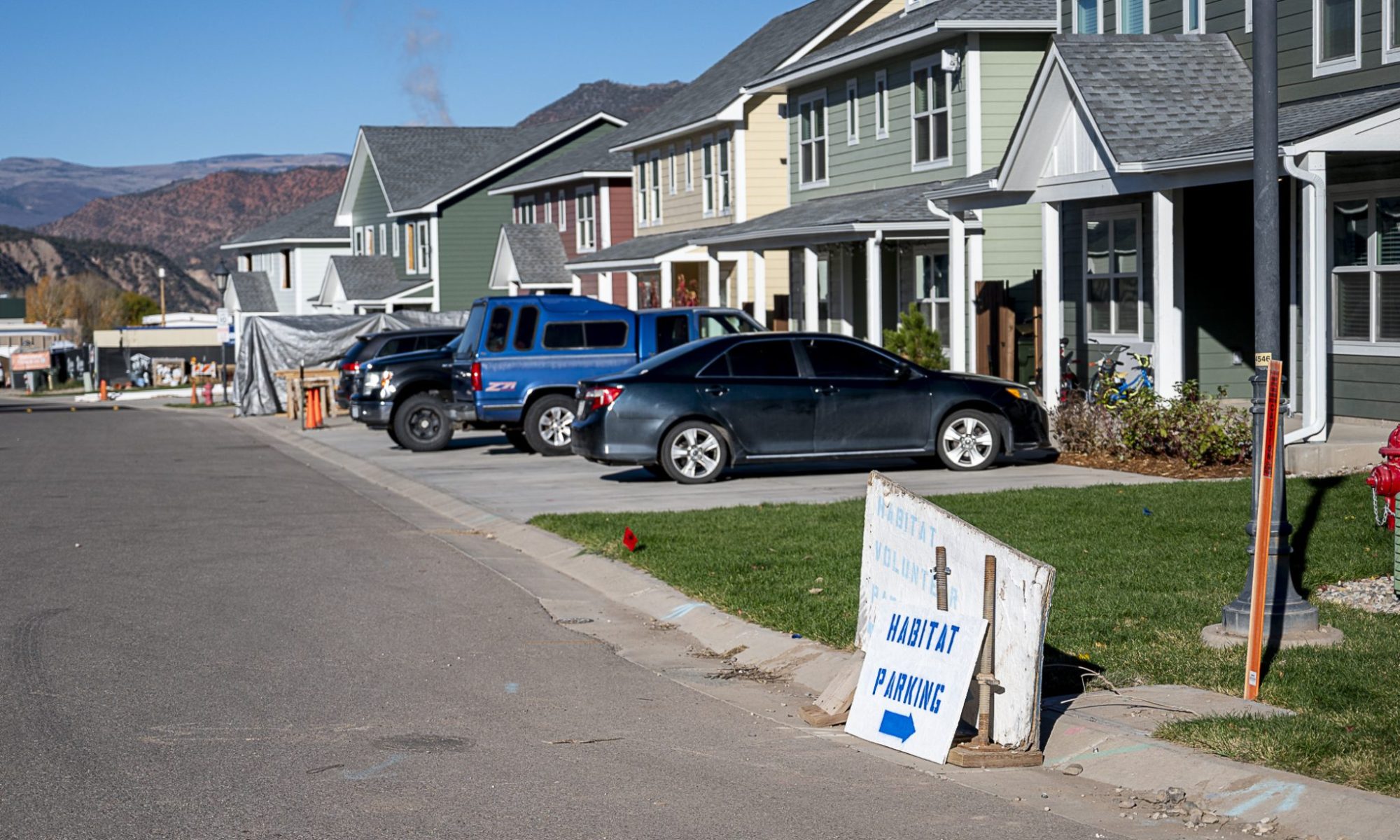
Homes built by Habitat for Humanity Vail Valley. Stratton Flats Neighborhood in Gypsum Photo: Ben Roof/Special to the Summit Daily

The conversation around ski destinations has long focused on snow, infrastructure, and demand. Yet across North America and Europe, a different constraint is becoming increasingly visible: whether the people who operate these destinations can still afford to live within reach of them.

What appears at first as a local issue in individual resorts is, in reality, a structural challenge affecting mountain tourism globally. From Aspen to Zermatt, from Whistler to Cortina d’Ampezzo, the same question is emerging in different forms: who can still afford to live where tourism takes place, and how far can they be pushed away before the system begins to strain.

In North America, the issue is often framed directly as workforce housing. In Aspen, one of the most developed housing systems in ski tourism has been in place for decades, yet demand continues to exceed supply. Access to subsidised housing remains competitive, with strict qualification systems and long waiting lists. The conclusion is difficult to avoid: even a mature, highly structured model does not fully resolve the imbalance between housing supply and workforce demand.

Continue reading “Housing the Workforce: The Growing Constraint on Mountain Tourism from Aspen to the Alps”

Global Skier Visits Hit Record 399 Million in 2024–25 Season

Sierra Nevada- Abdiel Mejia. Unsplash.

Global skier visits reached a new all-time high of 399 million during the 2024–25 winter season, surpassing the previous record of 392 million set in 2018–19. The figures come from the latest edition of the International Report on Snow & Mountain Tourism, compiled by Laurent Vanat and presented at the Mountain Planet conference.

The data confirms that global demand for skiing remains resilient, even as the industry faces growing pressure from climate variability, rising costs, and infrastructure constraints.

Continue reading “Global Skier Visits Hit Record 399 Million in 2024–25 Season”

Accessibility in Mountain Tourism: Why Inclusive Design Is Becoming a Strategic Priority

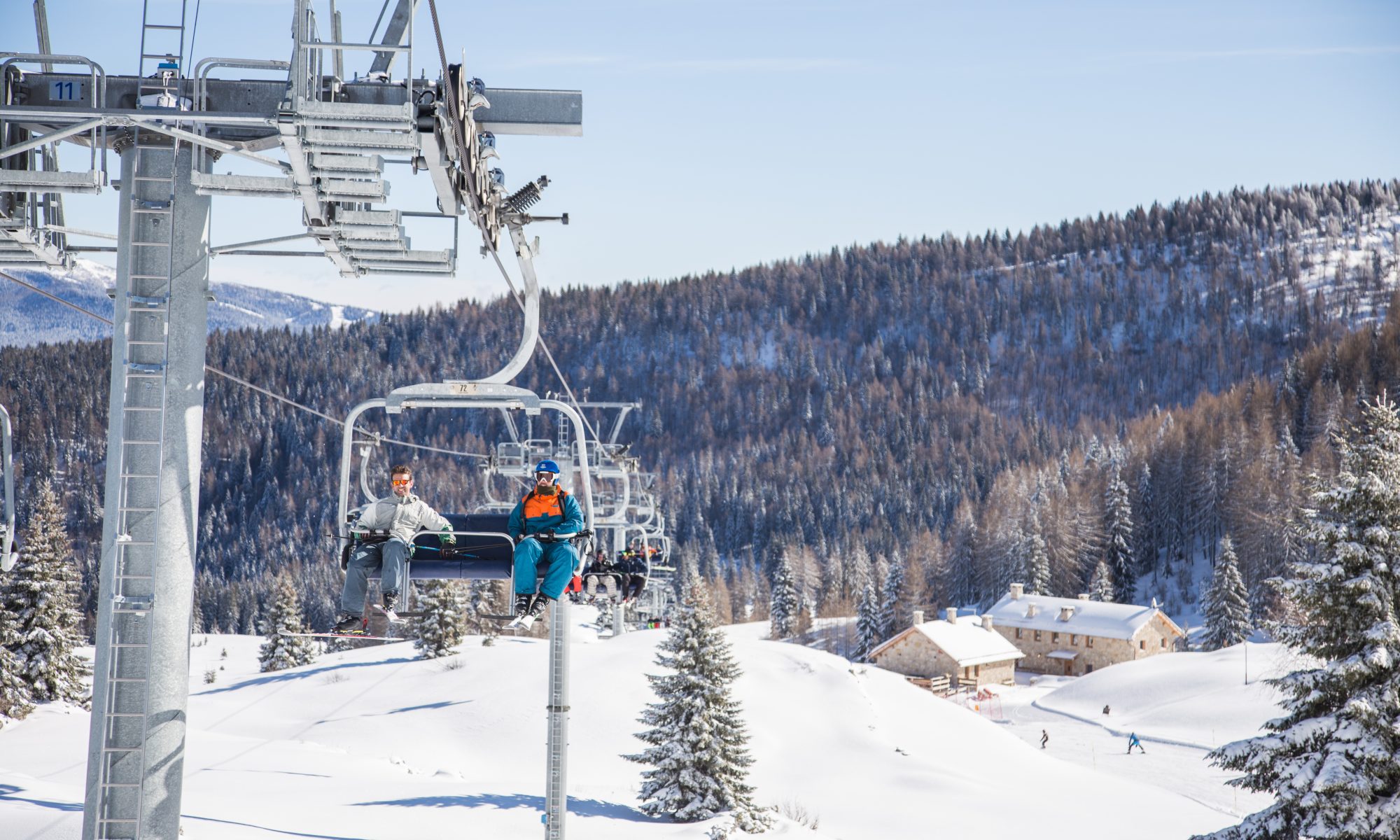
Photo: Alpe Cimbra ski resort.

A growing number of mountain destinations are rethinking what it means to be truly accessible — not just as a social responsibility, but as a core driver of tourism development.

A recent example comes from Alpe Cimbra in Trentino, which has received international recognition for its long-term commitment to inclusive mountain tourism.


🏆 International Recognition for Alpe Cimbra

The destination was awarded a Special Mention for Innovation in the Development of Sports Tourism at the first edition of the UN Tourism Awards for Excellence in Sustainable Sports Tourism, promoted by UN Tourism in collaboration with FIA.

The recognition highlights the project:

👉 “Alpe Cimbra 4 All”

An initiative that has transformed accessibility from a niche offering into a fully integrated tourism strategy.

Continue reading “Accessibility in Mountain Tourism: Why Inclusive Design Is Becoming a Strategic Priority”