Who Pays for a Mountain Rescue in the Alps? Summer Hiking, Insurance and Rescue Costs Explained

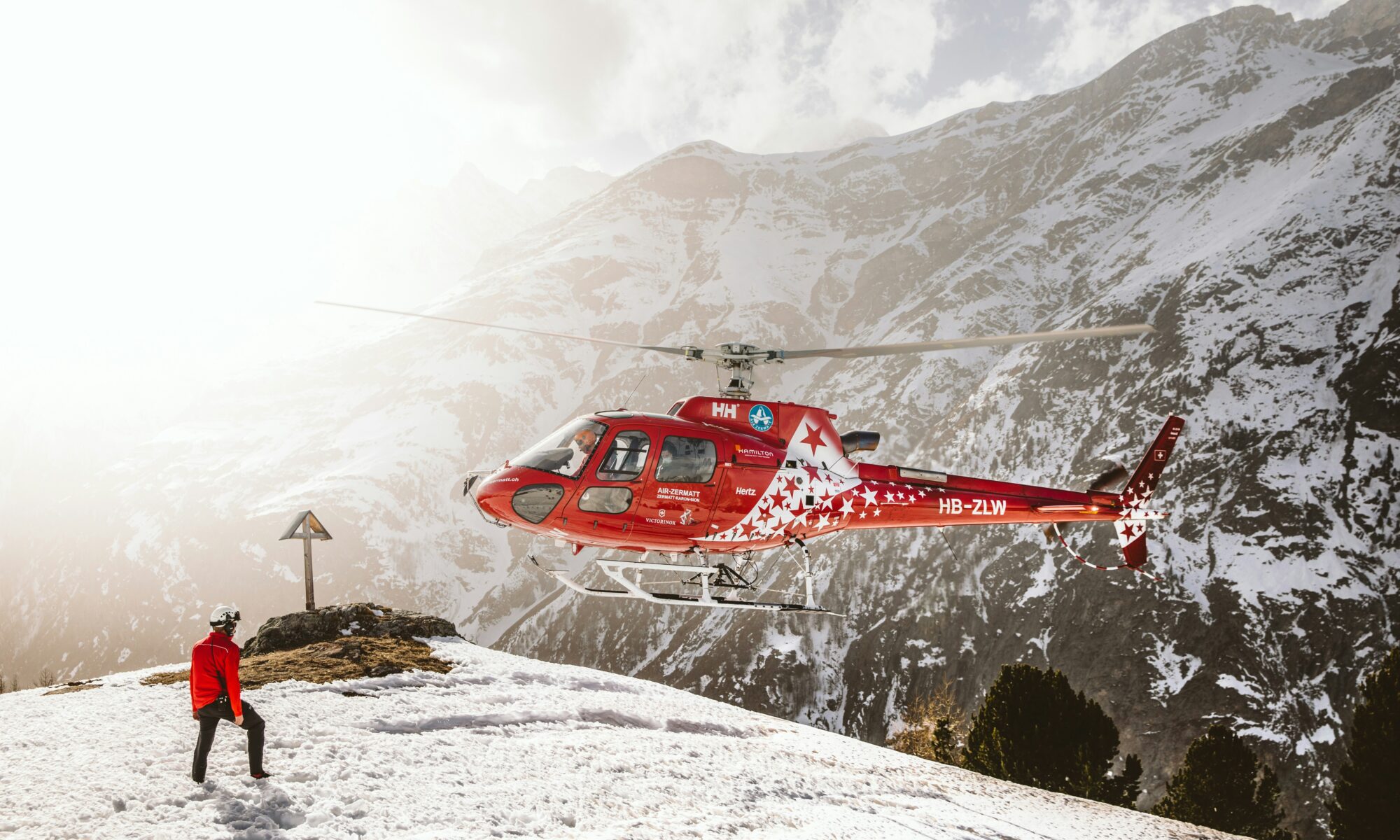
Photo: Kevin Schmid. Unsplash. Zermatt. Switzerland.

The rescue of 36 hikers, including babies in strollers, in Austria made headlines around the world. But beyond the unusual circumstances, it highlighted a question many visitors never think about until it’s too late:

Who pays if you need to be rescued in the Alps?

The answer depends on where you are. Rules vary significantly between Austria, France, Italy and Switzerland, and what applies to summer hiking or mountaineering is not necessarily the same as skiing in winter.

This guide focuses on summer mountain activities—including hiking, mountaineering, via ferratas and glacier trekking. Rescue rules on managed ski slopes during winter are often different and are covered by separate insurance systems.

Continue reading “Who Pays for a Mountain Rescue in the Alps? Summer Hiking, Insurance and Rescue Costs Explained”

Britons and Americans in France Can Use PARAFE E-Gates Again

Photo: CDG Airport. John Cameron. Unsplash.

France has confirmed that eligible British and American passport holders can once again use PARAFE automated e-gates at French borders, restoring access to a system that had been temporarily disrupted during the rollout of the EU’s new Entry/Exit System.

The confirmation is especially relevant for Britons and Americans living in France, as well as for frequent travellers using French airports, Eurostar terminals, ferry ports and the Channel Tunnel at a time when border processing has become a much bigger travel issue. I have already written about Eurotunnel delays and the new EU Entry/Exit System, and this latest update adds another practical layer for travellers moving between the UK, France and the wider Schengen area.

Continue reading “Britons and Americans in France Can Use PARAFE E-Gates Again”

New Ski Routes Into the Alps: Why Airport Access Is Becoming Part of the Alpine Battle

Photo: Devan Jhabak. Unsplash.

Alpine ski resorts are not only competing on snow reliability, lift investment and accommodation anymore. Increasingly, they are competing on access.

The latest signal comes from airBaltic, which has announced two new winter 2026/27 routes aimed squarely at ski traffic: Riga to Turin and Vilnius to Geneva. The Riga–Turin service is due to run weekly on Saturdays from 30 January to 20 March 2027, while Vilnius–Geneva is scheduled from 2 January to 20 March 2027. Both are expected to use Airbus A220-300 aircraft. 

That is only one piece of a much larger picture. Jet2.com has already put its biggest ever ski programme on sale for winter 2026/27, serving eight ski gateways: Chambéry, Geneva, Grenoble, Salzburg, Innsbruck, Lyon, Turin and Verona, with more than 180,000 ski seats. 

The airport map of the Alps is changing

For years, Geneva was the default airport for much of the western Alps. Munich and Zurich dominated the German-speaking Alpine arc. Milan served the Italian Alps and the Dolomites. But the picture is now more fragmented.

Turin is rising as a western Alps gateway. Grenoble and Chambéry remain highly seasonal but important for Saturday ski traffic. Bolzano is trying to position itself as a small, premium Dolomites airport through SkyAlps. Sion is more niche, but still strategically interesting for Valais. Aosta remains mostly a “what if” airport rather than a real commercial ski gateway.

Continue reading “New Ski Routes Into the Alps: Why Airport Access Is Becoming Part of the Alpine Battle”